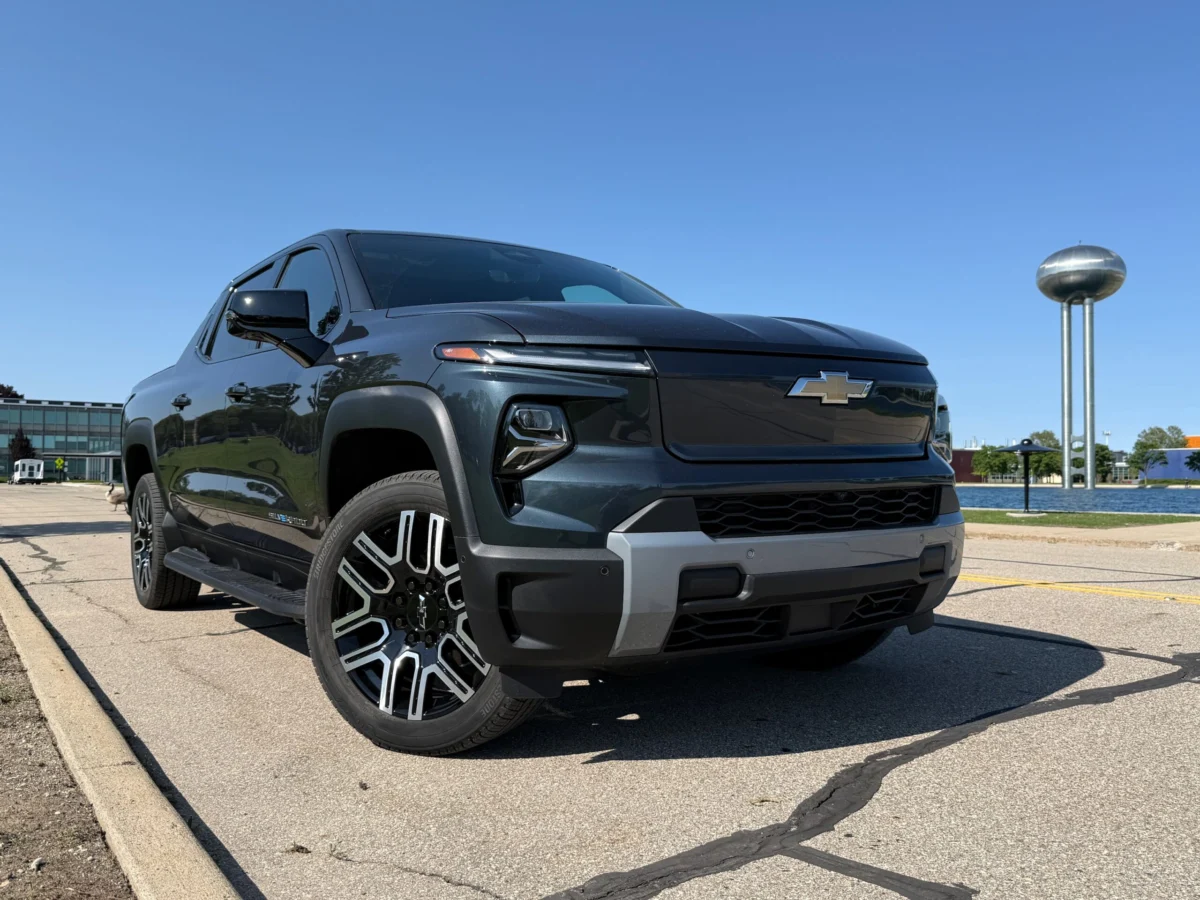
The American pickup truck is more than a vehicle; it is a cultural totem. For decades, the silhouette of a Silverado has signaled utility, ruggedness, and the quintessential work ethic of the American worker. Yet, in the quiet, climate-controlled silence of a modern electric vehicle, that identity is being challenged. After spending a day navigating the streets of Detroit in the new Chevrolet Silverado EV, it becomes clear that General Motors has achieved a feat of engineering that defies its own sales charts. It is, by almost every measurable metric, the best pickup truck Chevrolet has ever built—so why is it struggling to find a home in the driveways of the American public?
The Engineering Triumph: A New Kind of Utility
From the perspective of a driver who usually prefers the nimbleness of a hatchback, stepping into the Silverado EV is a jarring, yet enlightening, experience. The vehicle is gargantuan, measuring nearly 20 feet in length, yet it possesses a level of refinement that traditional internal combustion engine (ICE) trucks struggle to match.
The driving dynamics are the first surprise. Because of the massive 205-kilowatt-hour battery pack positioned low in the chassis, the center of gravity is exceptionally stable. The ride is smooth, devoid of the shudder and vibrations synonymous with heavy-duty steel frames. Despite its size, rear-wheel steering allows the truck to maneuver through tight urban parking lots with the grace of a vehicle half its size—though, inevitably, it remains a challenge to fit into standard, narrow parking bays.

Inside, the cabin is a masterclass in modern ergonomics. The interface is dominated by a crisp, responsive Google-powered infotainment system. While the debate regarding the removal of Apple CarPlay persists, the native software is undeniably efficient, integrating navigation with a "range-aware" routing system that calculates not just the fastest path, but the path that maximizes the use of Super Cruise, GM’s hands-free driver-assistance technology.
Chronology of a Disconnect
The journey of the Silverado EV has been one of high expectations and slow-burn reality. When the truck was first teased, it was heralded as the herald of a new age for General Motors.
- Initial Hype: Upon its announcement, the Silverado EV was praised for its bold, futuristic design—a nod to the polarizing Chevy Avalanche. The "sail" panels between the cabin and bed were not merely aesthetic choices; they were engineered to improve aerodynamics, a critical factor for an electric vehicle of this scale.
- The Launch: As the trucks began hitting dealer lots, the initial fervor encountered a wall of market inertia.
- The Sales Gap: Last year, General Motors sold roughly 14,000 units across the United States and Canada. To put that in perspective, the traditional gasoline-powered Silverado moves ten times that volume in a single quarter.
- The Present Day: We are currently in a phase of re-evaluation. While the vehicle receives critical acclaim from reviewers who experience its capabilities firsthand, the consumer base remains largely unconvinced, or perhaps, hesitant to bridge the gap between tradition and innovation.
Supporting Data: Debunking the Myths
Why is there such a massive gap between the product’s quality and its sales performance? Common wisdom among skeptics points to two primary factors: price and utility (specifically towing). However, the data suggests these concerns may be overblown.

The Price Argument
Many observers claim the Silverado EV is "too expensive." Yet, the average transaction price for a full-size pickup truck in the United States currently hovers around $66,000. The entry-level Silverado EV LT Extended Range, which offers an impressive 410-mile range, is priced within striking distance of this industry average. The "Max Range" variant, while costing an additional $20,000, offers capabilities that exceed the needs of the average driver.
The Towing Myth
The second common critique is the degradation of range while towing. While it is true that an EV’s range drops significantly under load—often by 60%—this is a classic case of the "Edge Case Fallacy." Industry research, such as reports from Strategic Vision, indicates that approximately 75% of full-size truck owners tow at most once per year. For the vast majority of the 400,000 annual Silverado buyers, the "towing range" issue is a theoretical hurdle, not a practical one.
The Role of Super Cruise and Automation
A defining feature of the modern GM experience is Super Cruise. During the test in the Detroit metro area, the system proved to be an invaluable tool, transforming a stressful, traffic-heavy commute into a manageable experience.

However, the technology is not without its "growing pains." As with many Level 2 autonomous systems, the truck can occasionally be startled by aggressive lane-merging behavior from other drivers. In one instance, the system struggled to identify a stationary trailer with obscured, dirty taillights. While the radar should have theoretically identified the obstruction, the incident serves as a reminder that human oversight remains the primary safety mechanism.
Despite these quirks, the integration of technology into the driving experience highlights a shift in focus: the Silverado EV is not just a workhorse; it is a rolling piece of smart technology designed to reduce the cognitive load of the driver.
Official Responses and Strategic Shifts
General Motors is not blind to the sales figures. The company’s strategy for the coming years involves a pivot in battery technology. By transitioning to lithium-manganese-rich (LMR) battery chemistry, GM aims to reduce production costs by approximately $6,000 per unit later this decade.

If this cost-saving measure is passed down to the consumer, it could push the Silverado EV toward price parity with its fossil-fuel counterparts. This would be a watershed moment for the electric truck market. By effectively removing the "EV premium," GM would be stripping away the last major barrier to mass adoption: the economic rationale.
Implications: The Future of the American Truck
The reluctance of the American consumer to embrace the electric pickup is rooted in deep-seated inertia. There is a psychological comfort in the rumble of a V8 engine and the established infrastructure of gas stations. Changing this requires more than just a good product; it requires a generational shift in how we define "utility."
The "Garage" Factor
There is also a physical reality to consider. The sheer dimensions of these new, full-size electric trucks are challenging the limits of existing infrastructure. For many Americans living in homes built in the mid-20th century, the Silverado EV literally does not fit in their garages. This creates an ironic barrier: to own the most advanced, efficient truck on the market, one must also upgrade their housing.

The Verdict
The Silverado EV is a triumph of engineering that has arrived in a market that is not yet ready to fully appreciate it. It is a "solid first draft" that manages to be better than the status quo, yet it finds itself fighting against a tide of cultural expectation.
As we look toward the latter half of the decade, the success of the Silverado EV will likely depend on three things: the widespread adoption of faster charging infrastructure, the reduction in cost via new battery chemistries, and, most importantly, the gradual evaporation of range anxiety as more drivers experience the vehicle for themselves.
The Silverado EV may not be the truck that Americans think they want, but after spending time behind the wheel, it is hard to argue that it isn’t the truck they need. Whether that realization comes in time to save the model’s momentum remains the great automotive question of our time. For now, the Silverado stands as a monument to what is possible, waiting for the rest of the market to catch up to the future.