In the rapidly evolving digital ecosystem of 2026, the mantra for growth has shifted from "more is better" to "smarter is essential." As generative AI lowers the barrier to content creation, the internet has become saturated with automated newsletters, social posts, and digital offers. For marketers, this has created a paradox: while the volume of communication has reached an all-time high, conversion rates—the ultimate measure of marketing efficacy—are stalling or entering a period of decline.
For many businesses, traffic remains steady, yet the "leaky bucket" phenomenon is accelerating. Audiences are increasingly desensitized to generic marketing noise, and capturing attention now requires a precise, scientific approach to user psychology and technical optimization. This article examines the essential strategies to reverse this trend, ensuring that every touchpoint in your marketing funnel is optimized for maximum impact.
The New Reality: Why Conversions Are Harder to Earn
The digital landscape of 2026 is defined by unprecedented noise. With AI tools enabling brands to flood every channel with content, the average consumer is bombarded with thousands of marketing messages daily. This environment has fundamentally altered the consumer psyche; trust is harder to earn, and the cost of attention has skyrocketed.
The Death of the "Silver Bullet"
Historically, marketers often looked for a single "silver bullet"—a viral campaign or a revolutionary ad platform—to solve their growth problems. In 2026, that era is over. Getting conversions now requires an obsessive commitment to "marginal gains." It is the aggregation of small, consistent improvements across the user journey that drives significant growth. Those who fail to optimize the minute details of their landing pages, email collection forms, and post-conversion experiences are finding their market share slowly eroded by more agile, data-driven competitors.
Chronology of a Declining Database: The Silent Erosion
Every email database is subject to a natural decay rate. Statistics suggest that the average company loses approximately 20% of its contacts annually due to stale addresses, career changes, and inbox abandonment.
- Year 0: 1,000 subscribers.
- Year 1: 800 engaged contacts (20% loss).
- Year 2: 640 engaged contacts (another 20% loss).
In just 24 months, a brand can lose nearly 40% of its audience without a single error in judgment or strategy. This "silent erosion" is the primary reason why database growth must be a primary KPI. If your organization is not tracking weekly or monthly list growth, you are effectively operating a business with a finite shelf life.
Strategic Pillars for Database Growth
To combat this decay, marketers must shift their focus to high-intent, low-friction acquisition strategies.
1. Reclaiming the Homepage Hero
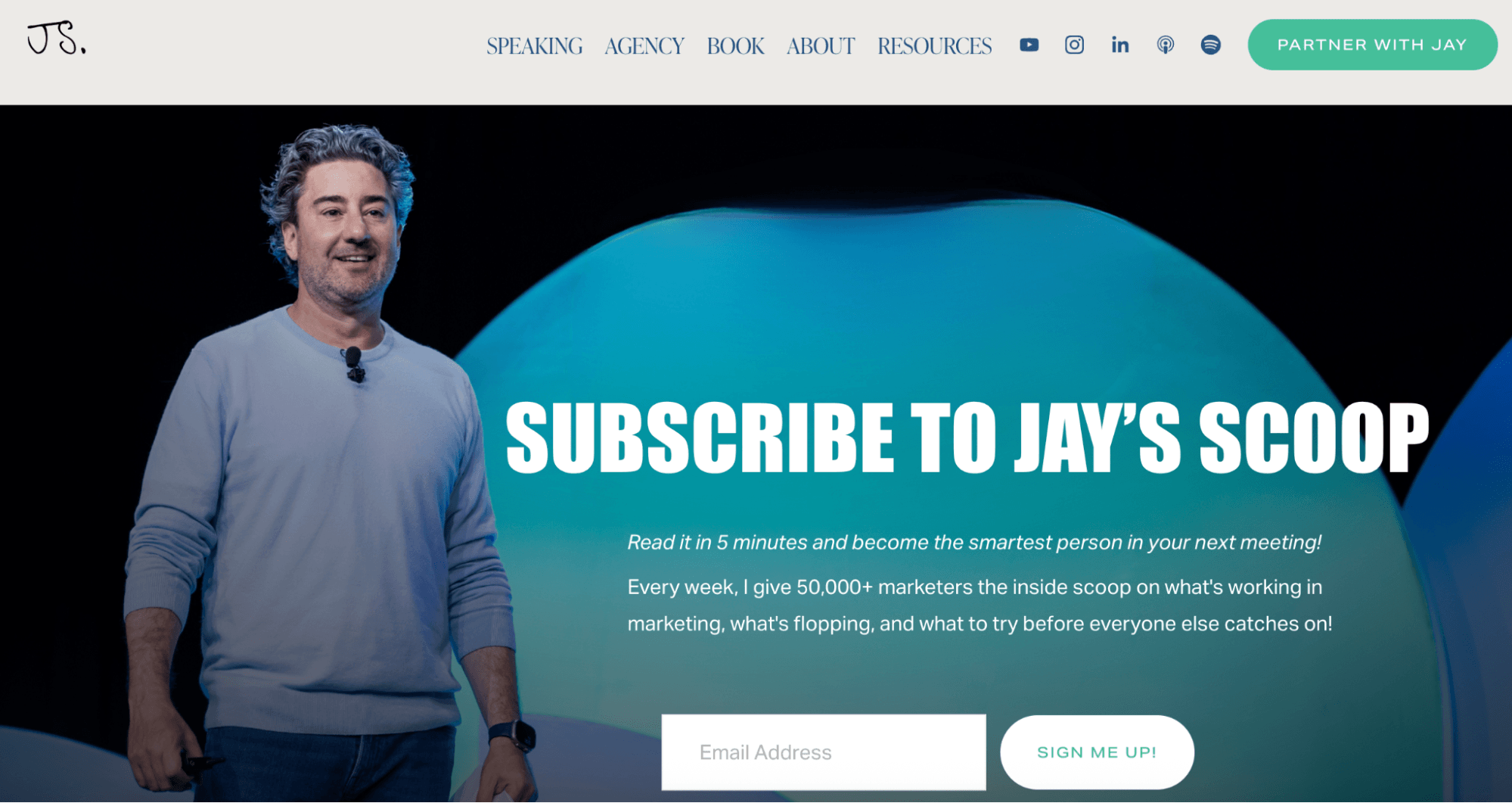
The most common tactical error is relegating email opt-ins to the navigation bar or the footer. In 2026, if you want subscribers, you must make the invitation a primary hero element on your homepage.
For e-commerce brands, the psychological framing is crucial. Modern consumers are less motivated by generic "sign up for a discount" prompts. Instead, they respond to exclusivity. By positioning sign-ups as an "Early Access List" or "VIP Drop Notifications," you tap into the desire to be first—a powerful evolution of traditional FOMO (Fear Of Missing Out).

2. The Psychology of the "No"
Pop-ups are often maligned, yet they remain one of the most effective tools for list growth, converting at 5% for first-time visitors and up to 9% for return visitors. To optimize these, move away from binary "Yes/No" buttons.
Instead, employ "Yes" language that reinforces the benefit, and "No" language that forces the user to confront an undesirable outcome. For example, a button that reads "No, I prefer my feet to stay clammy" creates a psychological friction that encourages the user to select the positive alternative. By making the "No" option feel uncomfortable, you significantly raise your conversion rate.
3. Paid Acquisition: The Instagram and Reddit Advantage
As organic reach continues to decline, paid social has become a necessity. Currently, Instagram and Reddit lead the market in cost-per-acquisition (CPA).
- Instagram: Utilizing "Lead Ads" within Reels and Stories allows users to convert without ever leaving the application. Keeping the friction low—no more than three form fields—keeps acquisition costs in the $2–$3 range.
- Reddit: This platform is unique because users are often in a "problem-solving" mindset. Targeted lead-gen ads within specific subreddits allow brands to reach users actively seeking solutions, often with higher conversion intent than on broader social platforms.
Fixing the Landing Page: Removing Friction
If your click-through rates are high but your landing page conversions are low, you have a design or psychological disconnect. To address this, adopt a "mobile-first" design philosophy. With over 70% of initial email opens occurring on mobile devices, any page not optimized for a handheld screen is effectively dead on arrival.
The "No-Navigation" Mandate
A landing page should have one goal: conversion. Every navigation link, menu item, or secondary call-to-action is a potential exit ramp. By stripping away navigation and keeping all essential content "above the fold," you eliminate the need for scrolling and force the user to focus exclusively on the offer.
Visual and Psychological Continuity
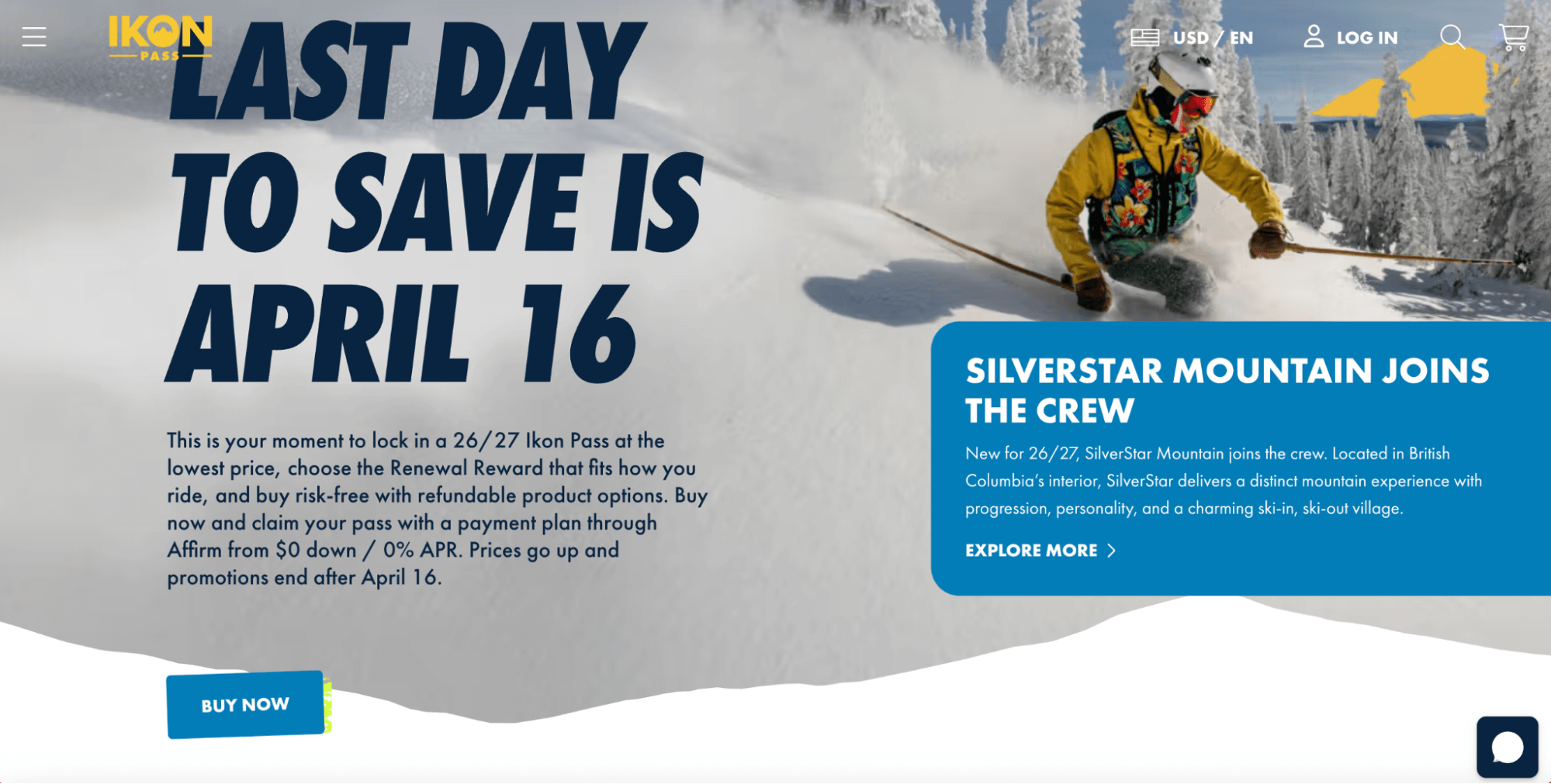
Consistency between the advertisement and the destination page is non-negotiable. Using the same hero image or color palette across both ensures the user feels a sense of familiarity. This simple continuity can improve conversion rates by over 10%. Furthermore, replacing the generic "Submit" button with a first-person affirmation—such as "Yes, send me my guide!"—reminds the user of the value they are receiving, transforming a bureaucratic act into a positive exchange.

The Post-Conversion Opportunity: The Thank You Page
The moment after a conversion is the "peak trust" moment in the customer journey. Most brands waste this engagement by showing a static "Thank you" message. Instead, use this space to offer a second, relevant action.
If a customer just purchased a product, offer them a curated list of "frequently bought together" items. If they downloaded a free guide, offer a second, complementary resource. By tracking which users engage with these secondary offers, you can segment your audience based on behavioral signals, allowing for more personalized and effective follow-up marketing.
Protecting Deliverability: The Power of One-Click Actions
In 2026, inbox placement is determined by engagement. Email providers now prioritize "strong signals"—clicks—over "weak signals"—opens. To protect your deliverability, incorporate "one-click" interactive elements into your emails.
"This or That" polls or simple preference quizzes allow users to interact with your content with a single tap. This accomplishes two objectives:
- Deliverability: You generate a strong engagement signal that tells inbox providers your emails are desired and valuable.
- Data Enrichment: You gain real-time insights into your audience’s interests, allowing you to tailor future campaigns with hyper-relevance.
Implications for the Future of Marketing
The implications of these findings are clear: the future of marketing is not in the automation of volume, but in the precision of the experience. As AI continues to saturate the market, the brands that win will be those that prioritize human-centric design, psychological nuance, and rigorous data hygiene.
The "Quick Wins" outlined here—optimizing the hero space, utilizing friction-based "No" buttons, maintaining visual continuity, and leveraging the post-conversion moment—are not merely tactical suggestions. They represent a fundamental shift toward a more respectful, efficient, and high-performing marketing model. In 2026, your database is your most valuable asset; treat it with the strategy it deserves, and the conversions will follow.