For years, the promise of artificial intelligence has been hampered by a single, persistent barrier: the need for a human to be in the loop. We have lived in the era of "copilots"—tools that require a browser tab to be open and a user to provide constant prompts. However, a new paradigm is shifting the landscape from assisted intelligence to autonomous agency. Enter OpenClaw, an open-source platform designed to delegate repetitive, high-stakes workflows to digital agents that operate in the background.
Jensen Huang, CEO of NVIDIA, recently characterized this shift as the “iPhone moment” for artificial intelligence. It marks the transition from AI as a curious research tool to AI as a practical, accessible utility for business owners, marketers, and creators who lack a background in software engineering.
Main Facts: What is OpenClaw?
At its core, OpenClaw is an open-source framework that allows users to deploy and manage AI agents capable of performing complex, multi-step tasks independently. Unlike traditional large language models (LLMs) like ChatGPT or Claude, which are constrained by the "chat box" interface, OpenClaw provides three fundamental "unlocks":
- Seamless Communication: Instead of forcing users to switch tabs, OpenClaw integrates with messaging platforms like Telegram, Slack, or WhatsApp. You interact with your agents as you would a human assistant, receiving updates and giving instructions via text.
- Autonomous Execution: OpenClaw agents possess the ability to "see" and "act" on a computer. They can navigate websites, click buttons, download files, and interact with software interfaces just as a human operator would.
- Persistent Memory: Perhaps the most significant differentiator is the platform’s ability to maintain state. While a standard LLM session resets every time you open a new chat, OpenClaw stores learned preferences, business constraints, and past history in its own managed file system. It remembers your goals, warns you of conflicts, and retains context over weeks or months.
Chronology: From Concept to Implementation
The evolution of autonomous agents has accelerated rapidly over the last 18 months. Initially, agents were the domain of highly skilled developers writing custom Python scripts. The release of OpenClaw democratized this process by providing a standardized "brain" for these agents.
The setup process, once a daunting technical hurdle, has been streamlined. Today, the typical deployment follows a logical path:
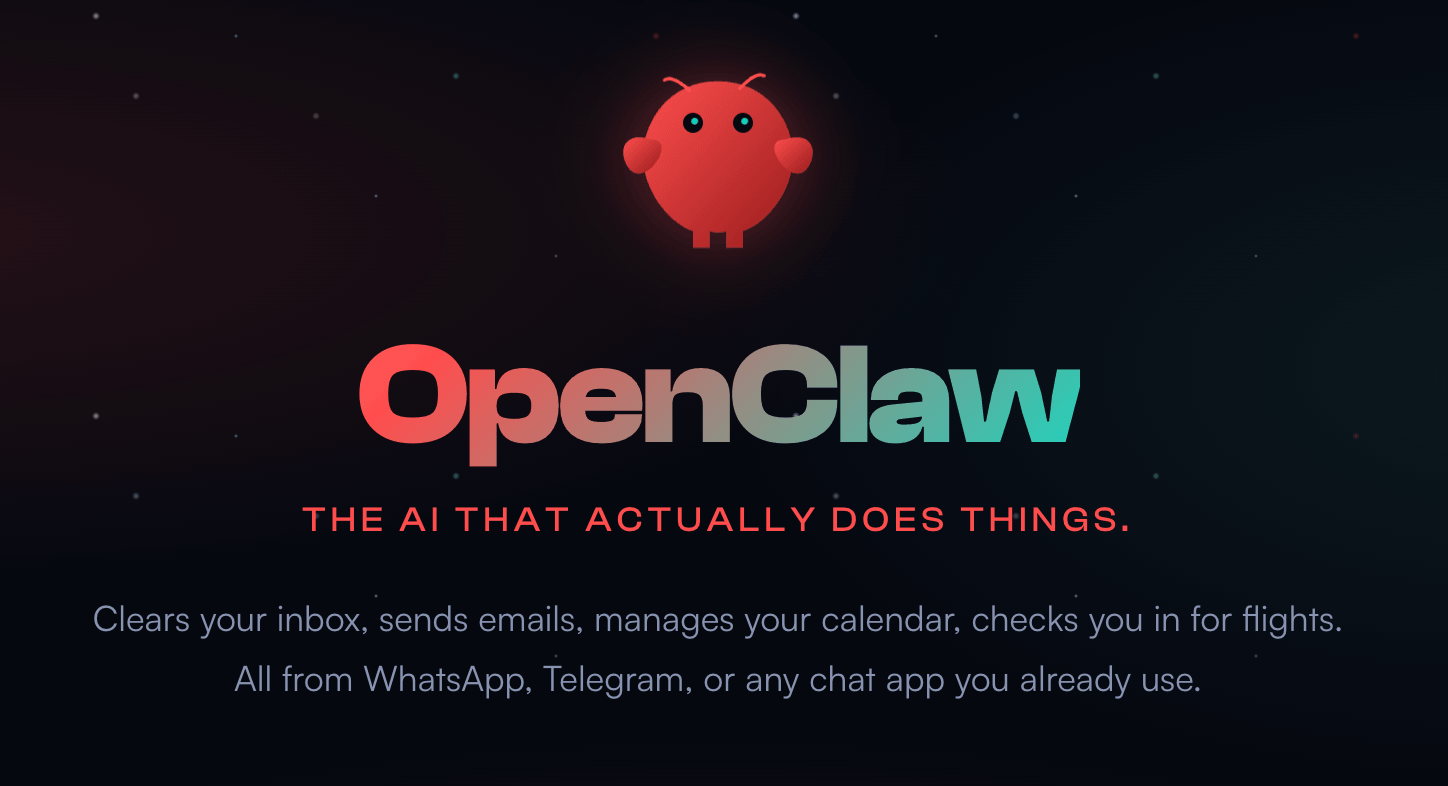
- Infrastructure Selection: The user selects a Virtual Private Server (VPS) from providers like DigitalOcean, Hetzner, or Linode.
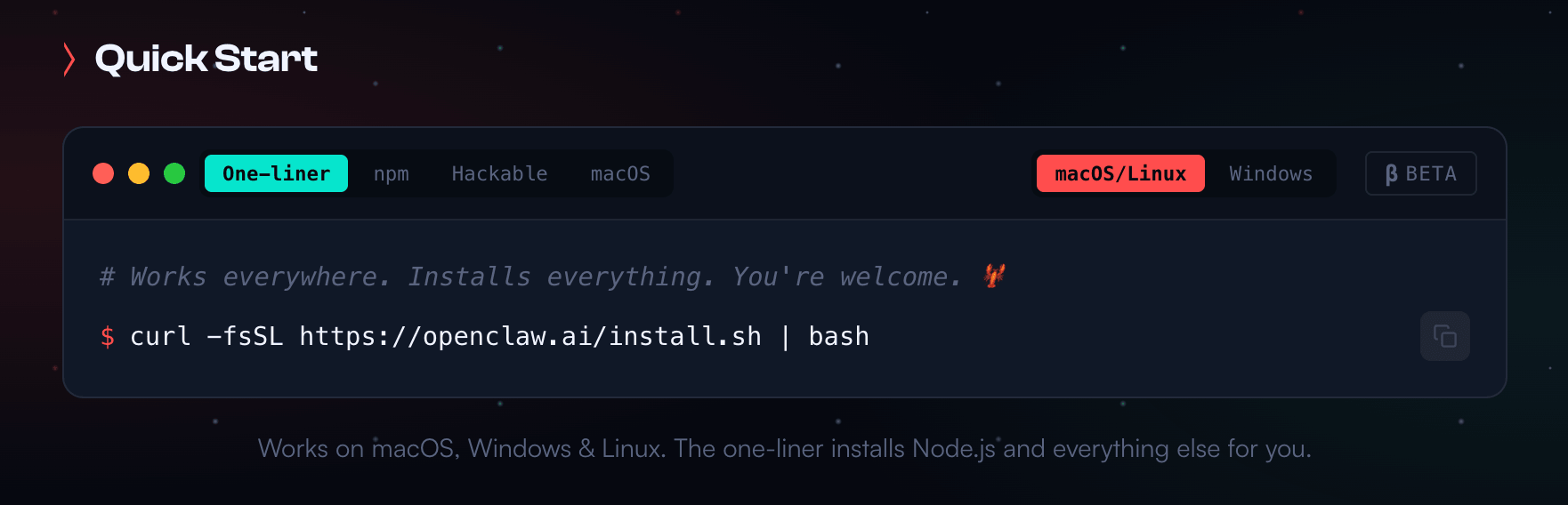
- Initialization: The agent is deployed via a single-line command in a terminal, or increasingly, via one-click installers.
- Identity Mapping: The agent undergoes an initialization process, where it is fed biographical and business data to "understand" its operating context.
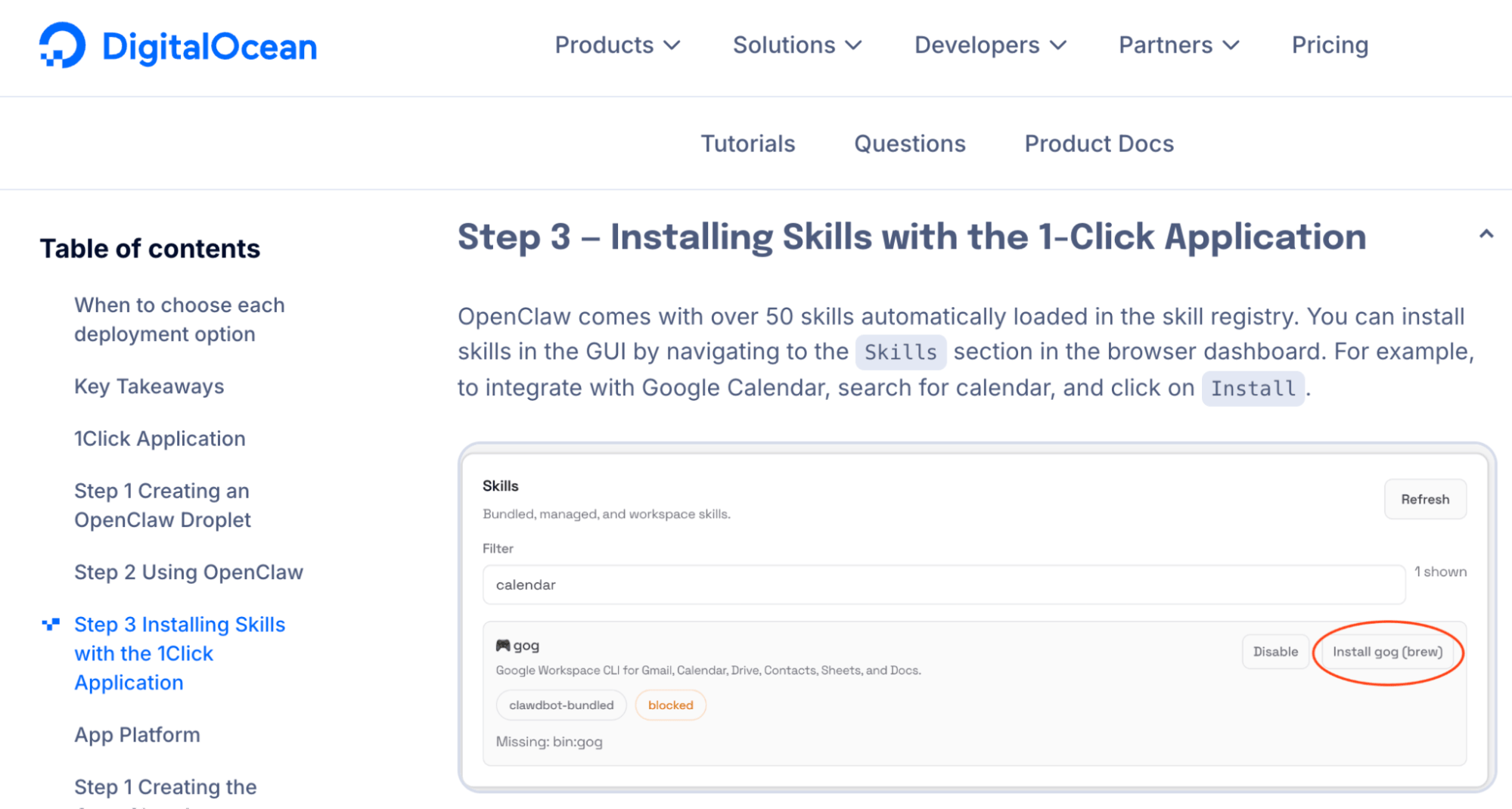
- Skill Acquisition: The user defines tasks (e.g., "Triage my inbox" or "Post to X") and converts these into persistent "skills" that the agent can execute on demand.
Supporting Data: Real-World Use Cases
The effectiveness of OpenClaw is best illustrated through its application in high-volume, low-creativity environments.

The Social Media Content Automation Agent
Consider the workflow of a content creator. One user currently runs a fully automated X (formerly Twitter) account. The OpenClaw agent is programmed to monitor a YouTube channel, download new uploads, transcribe the audio, segment it into short-form clips, and distribute those clips as threads on X.
Crucially, this agent is integrated with the "Auto Research" framework, which allows it to track engagement metrics recursively. If a specific writing style or post format underperforms, the agent adjusts its future strategy. It is, in effect, a marketing department that never sleeps.
The Personal Productivity and Health Agent
OpenClaw can also bridge the gap between disparate data sources that lack official integrations. One user connected their agent to a Garmin smartwatch, despite the lack of a public API. The agent researched the necessary Python libraries, requested the user’s credentials, and then aggregated five years of health metrics. It was able to correlate lifestyle shifts with fitness peaks and, when provided with 23andMe data, began making proactive dietary recommendations based on the user’s biological markers.
Official Responses and Security Considerations
A frequent critique of autonomous agents is the potential for security vulnerabilities. There is a prevailing myth that providing an AI agent with system-level access is inherently reckless. However, security experts involved in the OpenClaw community emphasize that the platform is not a "black box."
- Infrastructure Security: When deployed on a VPS with a properly configured firewall, an OpenClaw instance is highly secure. By restricting network access points to only those required by the agent, users can create a "sandbox" that prevents unauthorized external entry.
- Credential Management: The platform is designed to handle API keys and login credentials securely. Users are advised to avoid running these agents on their primary personal laptops to prevent accidental system file modifications. Using a dedicated, cloud-based VPS is the industry standard for ensuring both stability and safety.
- Terms of Service Compliance: Users must be wary of how they connect AI models. For instance, while using the Anthropic API is a compliant way to power OpenClaw, using a personal "Claude Pro" subscription to drive an automated agent may violate Anthropic’s terms of service and lead to account suspension. Always opt for dedicated API access when automating workflows.
Implications for the Future of Work
The rise of OpenClaw signifies a permanent shift in the value of human labor. We are moving toward a future where the primary role of a business owner is that of a "systems architect."
The End of Repetitive Drudgery
Tasks such as sorting emails, researching competitors, updating databases, and managing social media scheduling are no longer "work" in the traditional sense; they are configurations. When an agent is set up to triage an inbox at 8:00 AM, the user is no longer an email processor; they are an editor who reviews the most important communications identified by the AI.
The "Agentic" Economy
As these tools become more sophisticated, the distinction between a "software tool" and an "employee" will blur. An agent with persistent memory and the ability to interact with the web is, for all intents and purposes, a junior-level staff member. This will likely lead to a surge in solo-entrepreneurship, where a single individual can operate a multi-faceted business with the output capacity of a ten-person team.
Strategic Oversight
However, this efficiency comes with a caveat. The "human in the loop" is still required for high-level judgment. OpenClaw is an executor, not a strategist. It will follow your instructions to the letter, which means your instructions must be precise. If you provide a poor strategy, the agent will execute that poor strategy with superhuman consistency.

Conclusion: Getting Started
The barrier to entry for building your first bot has never been lower. Whether you choose to run a local instance on a Raspberry Pi or a high-availability cloud instance on a VPS, the process is designed for those who can think in workflows.
To start, identify one task that you find yourself repeating at least three times a week. Define the criteria for success, provide the necessary context, and "commit" the instructions to the agent’s memory. As you iterate and refine these skills, you will find that you are not just using a tool—you are building a digital workforce. The "iPhone moment" for AI isn’t just about better chatbots; it’s about reclaiming your time by teaching the machine to do the heavy lifting for you.