In the rapidly evolving landscape of digital marketing, a recurring frustration plagues creative teams: the gap between the polished, high-fidelity AI demos seen on social media and the lackluster, "flat" results produced during daily operations. While AI-generated content has moved beyond the realm of novelty, many marketers struggle to transition from sporadic experimentation to reliable, scalable content systems.
According to AI educator Jerrod Lew, the "one-button" myth—the belief that a single prompt can generate a campaign-ready asset—is the primary reason most marketers fail to leverage AI effectively. To bridge the gap between amateur output and professional-grade content, marketing teams must adopt a rigorous, systematic approach that prioritizes creative vision over brute-force prompting.
The Reality of AI Creative Work: Beyond the Button
The misconception that AI tools function like a "magic wand" is widespread. In reality, the high-quality clips frequently shared by AI tool developers are the product of professional film techniques, expert-led teams, and hours of iterative refinement. These creators possess a clear narrative vision long before they ever engage with software.
AI image and video generators are fundamentally similar to industry-standard software like Adobe Premiere Pro or After Effects: they are tools that require expert direction. Without a defined brand voice, audience strategy, and clear objective, AI output remains hollow. However, for those who have long possessed the story but lacked the technical dexterity to render it visually, these tools have lowered the barrier to entry significantly. Whether you are a writer, a musician, or a brand strategist, the ability to produce professional visual content is now a matter of workflow rather than years of technical training.
A New Toolkit: Key Technologies for Marketers
Navigating the fragmented AI market requires identifying the tools that offer the most control and consistency. Based on recent advancements, here are the platforms setting the standard for professional production.
1. Google Flow and Omni Flash
At the recent Google I/O, the tech giant signaled a major shift toward integrated creative environments. Google Flow has transitioned into a project-based ecosystem, allowing users to aggregate images, video, character references, and brand guidelines into a centralized hub. The inclusion of a conversational agent layer allows marketers to interact with the system like a creative director, bypassing complex parameter tuning for intuitive, plain-language commands.
Complementing this is Omni Flash, a multimodal model described as the "video equivalent of Imagen 2." Omni Flash allows for precise, targeted edits—such as removing background elements or shifting color palettes—by accepting multiple inputs, including scripts, text, and raw footage. Its upcoming integration into Google Workspace promises to make AI-driven editing a standard component of corporate documentation and presentation workflows.
2. Seedance and Kling: The Leaders in Motion
In the current landscape of video generation, Seedance 2.0 by ByteDance leads the pack due to its holistic approach to media. It excels at processing complex inputs, including music and dialogue, ensuring that audio-visual harmony is baked into the generation process rather than added as an afterthought.

Kling 3.0 remains a critical alternative, particularly for projects requiring human realism. It stands as the industry benchmark for character consistency, capable of rendering realistic human figures from reference photos at 1080p and 4K resolutions. For marketers aiming to build a consistent "face" for their brand, Kling offers the necessary stability that earlier models lacked.
3. The Power of ChatGPT Images
While image generation is a crowded field, ChatGPT Images 2.0 has emerged as the daily driver for many professionals. Its superior text-rendering capability makes it an essential tool for creating storyboards, animation references, and marketing assets where typography and legibility are paramount.
Building a Scalable Workflow: The Aggregator Approach
The most significant mistake a modern marketing department can make is over-investing in a single-tool subscription. The AI sector moves too quickly for lock-in contracts. Instead, Jerrod Lew advocates for the use of "platform aggregators."
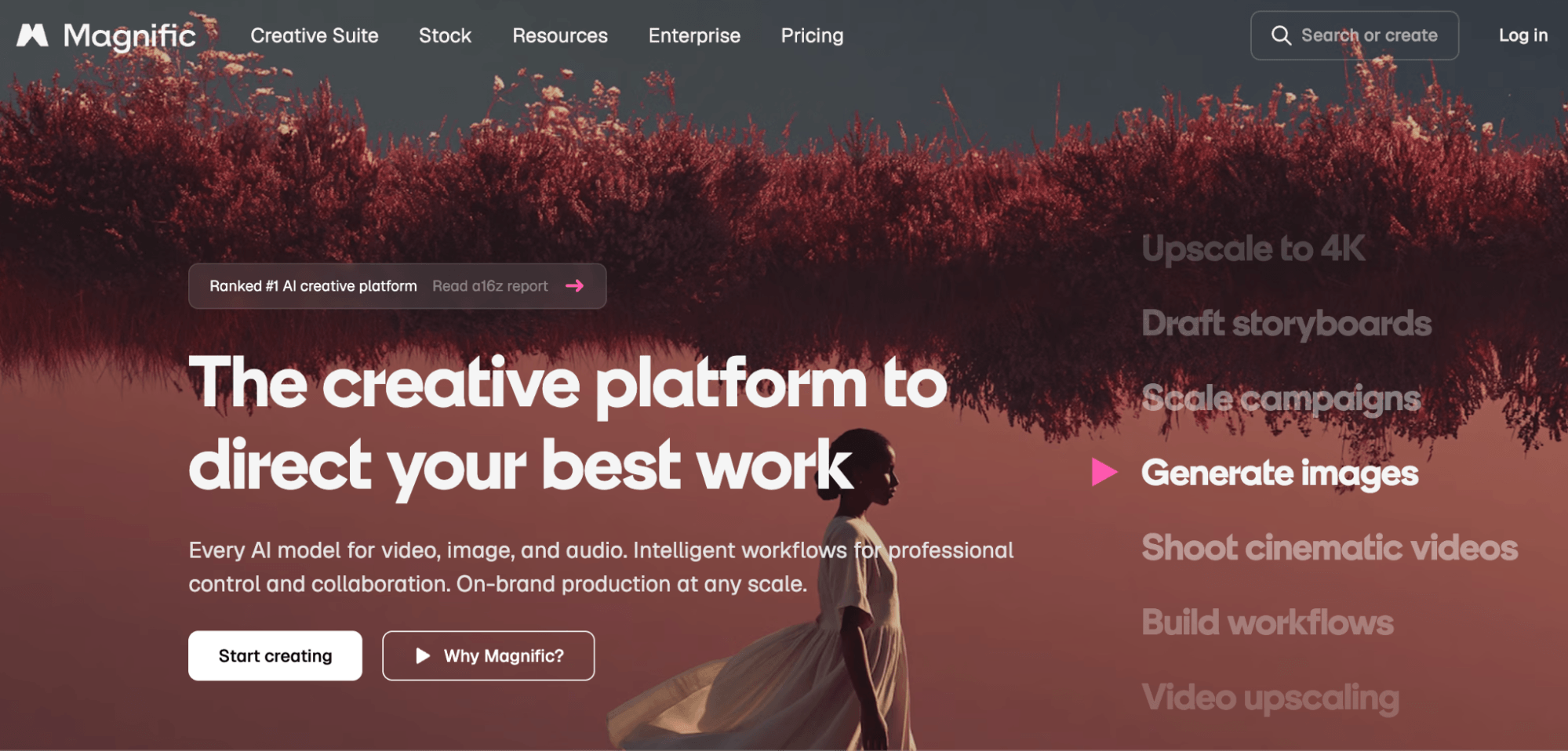
Magnific (formerly Freepik) has become the gold standard for this approach. By providing a unified interface for dozens of model APIs, it allows teams to access the latest innovations without managing multiple, disjointed accounts. More importantly, Magnific’s "Spaces"—a node-based canvas—enables the creation of automated, bulk-processing workflows.
By connecting image generation, text-prompting, and audio-synthesis nodes, a marketer can iterate on 30 different variations of a campaign asset simultaneously. This method turns "trial and error" into "data-driven selection," allowing teams to identify the most effective visual reference standards before scaling them into full-scale video campaigns.
Establishing the Brand Foundation
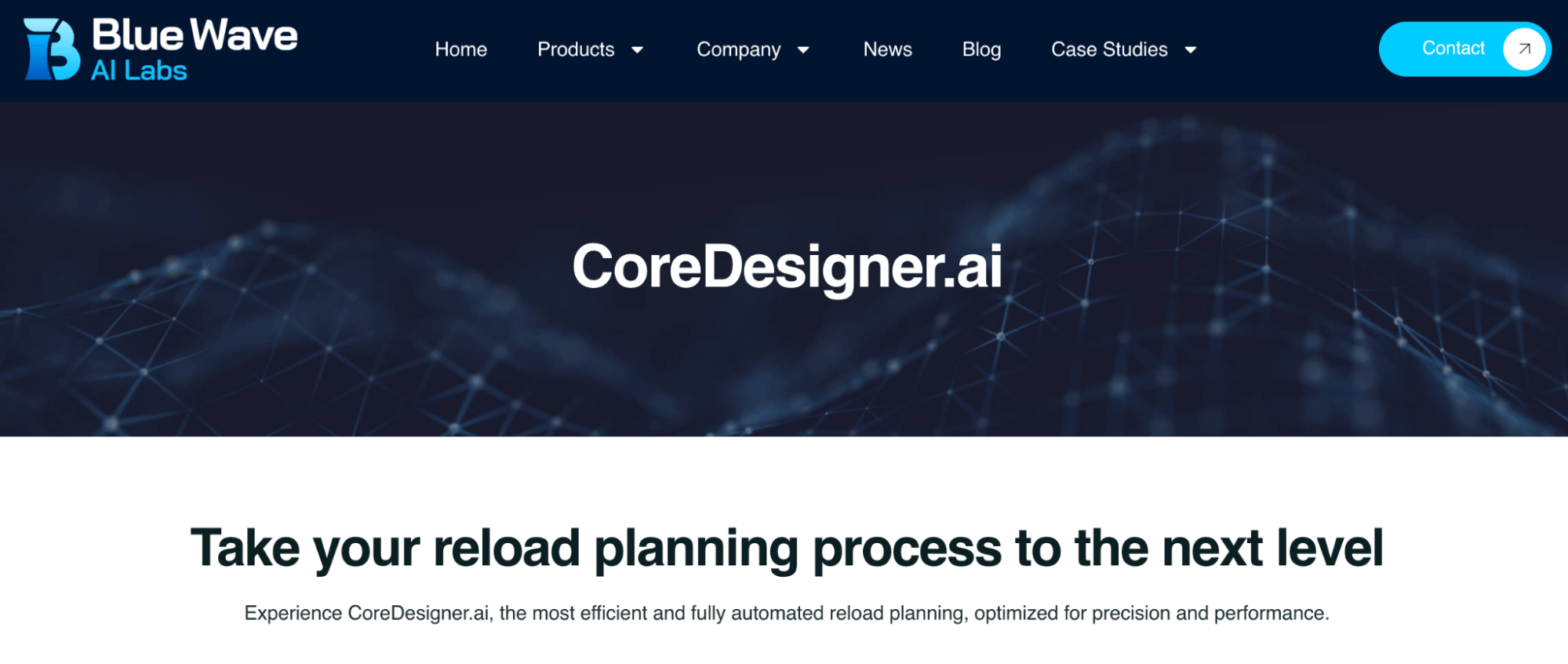
Before a single prompt is typed, marketers must return to the basics of branding. AI tools, when left to their own devices, produce generic, disconnected output. To ensure cohesion, teams should utilize tools like CoreDesigner.
CoreDesigner acts as a bridge between disparate brand assets—logos, website screenshots, and product photography—and a functional design system. By synthesizing these assets into a consistent style guide, it provides the AI model with the "ground truth" it needs to ensure that every generated image and video adheres to the brand’s visual identity.
The Chronology of an Effective AI Workflow
Step 1: Reference Asset Collection
Preparation is the silent engine of AI success. Marketers must cultivate two types of references:
- Product Assets: High-resolution studio photos are not required. The model needs a composite sheet showing the product from multiple angles and in varied use cases.
- Human Assets: For characters, collection is vital. This includes front, profile, and back-of-head shots, along with a range of specific expressions (e.g., "determined," "surprised"). Building a labeled character sheet prevents the model from "hallucinating" facial features or distorting expressions during rendering.
Step 2: The Storyboard Phase
The most efficient workflow prioritizes image generation over video. Because video is computationally expensive and slow to render, the "storyboarding" phase should happen entirely in the image domain. By generating 100 images to test lighting, composition, and character placement, the creative team can refine the narrative without burning through excessive generation credits.
Step 3: Video Synthesis
Once the image storyboards are finalized, they serve as the "visual anchor" for video models like Seedance 2.0 or Kling. By inputting these reference images, the video generator is no longer guessing what the subject should look like; it is simply animating the provided visual data. This ensures that the character in the video is identical to the one in the brand assets.
Step 4: Targeted Edits
If a scene requires a change, the modern workflow avoids full regeneration. Using tools like OmniFlash, marketers can apply surgical edits—such as "remove the person in the background" or "change the lighting to sunset"—while keeping the rest of the frame intact.
Implications for the Future of Marketing
The transition to AI-integrated workflows represents a fundamental shift in the economics of content production. It democratizes the ability to produce high-end visuals, but it also increases the importance of the "human element."
As these tools continue to advance, the role of the marketer will evolve from "content creator" to "creative director." The value will no longer reside in the ability to operate complex software, but in the ability to curate, direct, and integrate AI models into a coherent, brand-aligned system.
Organizations that treat AI as a partner in a structured workflow—rather than a replacement for creative strategy—will find themselves with a massive competitive advantage. By focusing on foundational consistency, iterative storyboarding, and strategic tool aggregation, marketing teams can finally move past the demo phase and into a future of sustained, high-quality content output.
This report is based on insights provided by Jerrod Lew, an AI educator and content creator who specializes in training global marketing teams on the practical application of AI creative tools. For further exploration, listen to the "AI Explored" podcast.