The landscape of Search Engine Optimization (SEO) has undergone a tectonic shift in recent years. Driven by the rapid integration of generative AI into search results, evolving user behavior, and a hyper-competitive digital marketplace, the way businesses engage with SEO consulting has never been more complex.

A comprehensive new industry report, which synthesizes data from a survey of 1,200 small business owners alongside broader market analysis, reveals a sector defined by high financial investment but fraught with significant client dissatisfaction. As companies in the United States pour a staggering $119.4 billion annually into digital marketing and SEO consulting, the gap between expectations and reality remains a persistent challenge for agencies and freelancers alike.
Main Facts: The Financial Scale of SEO
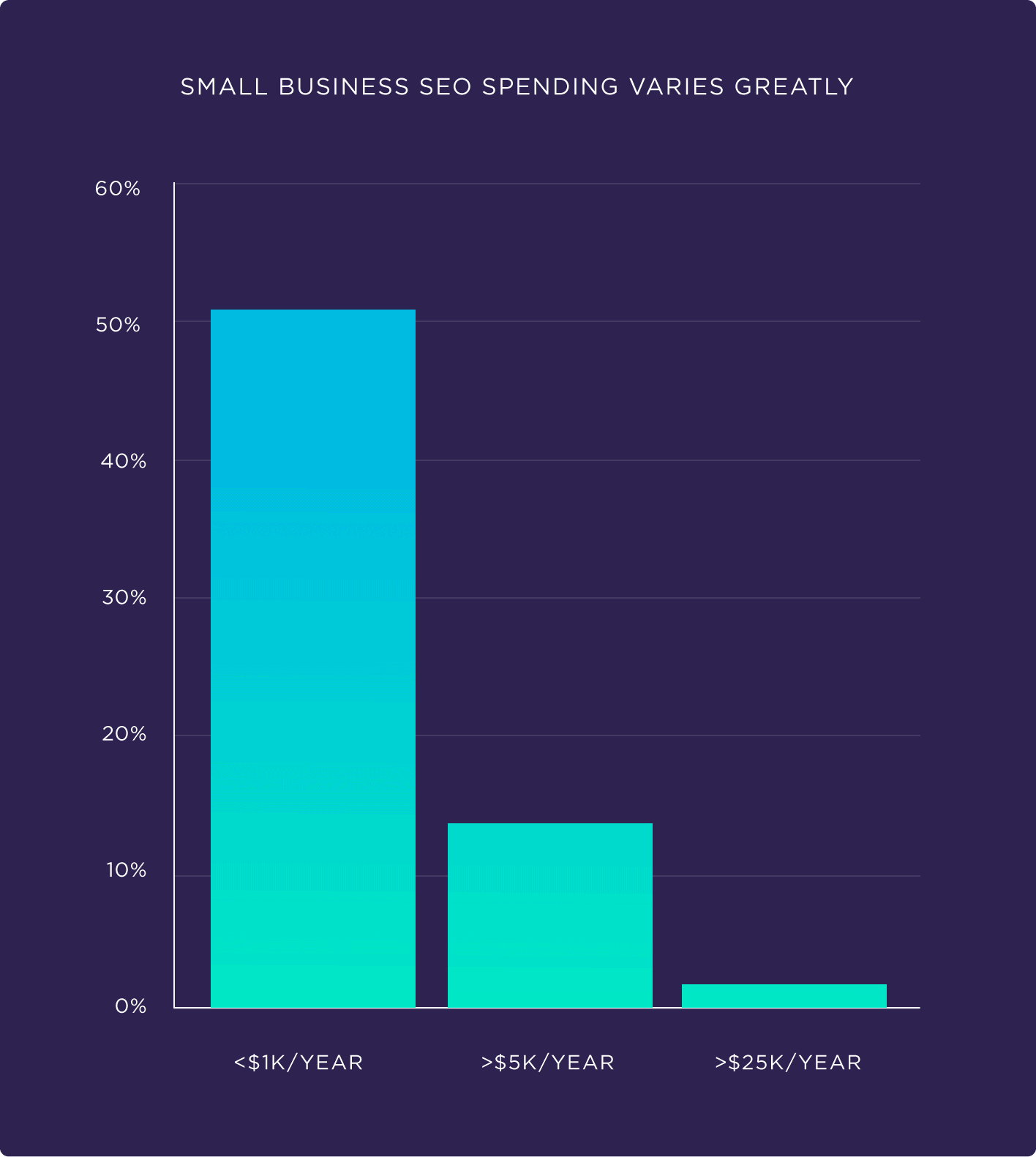
In 2025, the US market for SEO and digital marketing consulting hit a monumental $119.4 billion. This massive figure reflects the critical nature of search visibility for business survival. However, beneath this headline number lies a fragmented reality. While the industry is vast, the average small business investment is surprisingly modest, typically hovering around $500 per month.
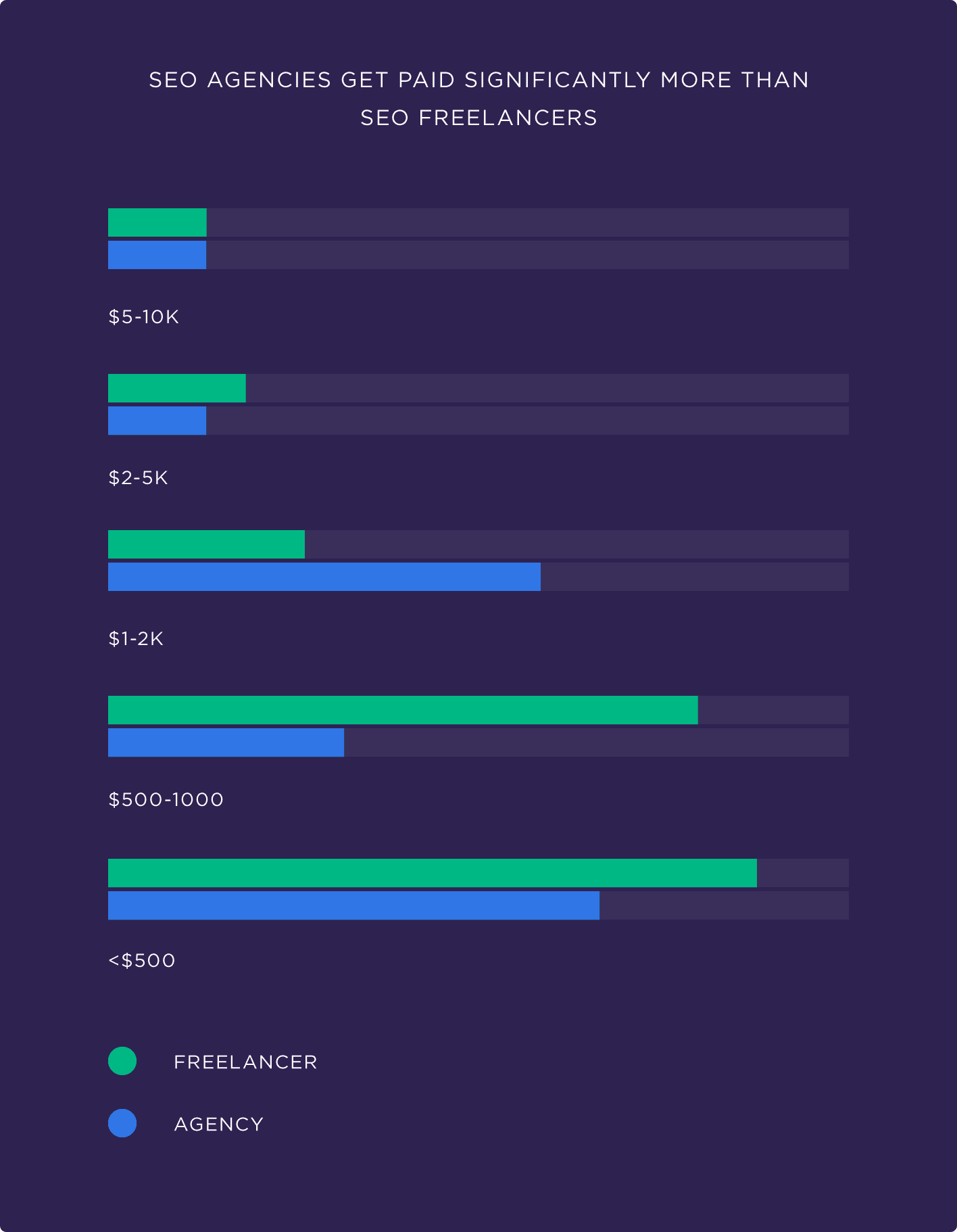
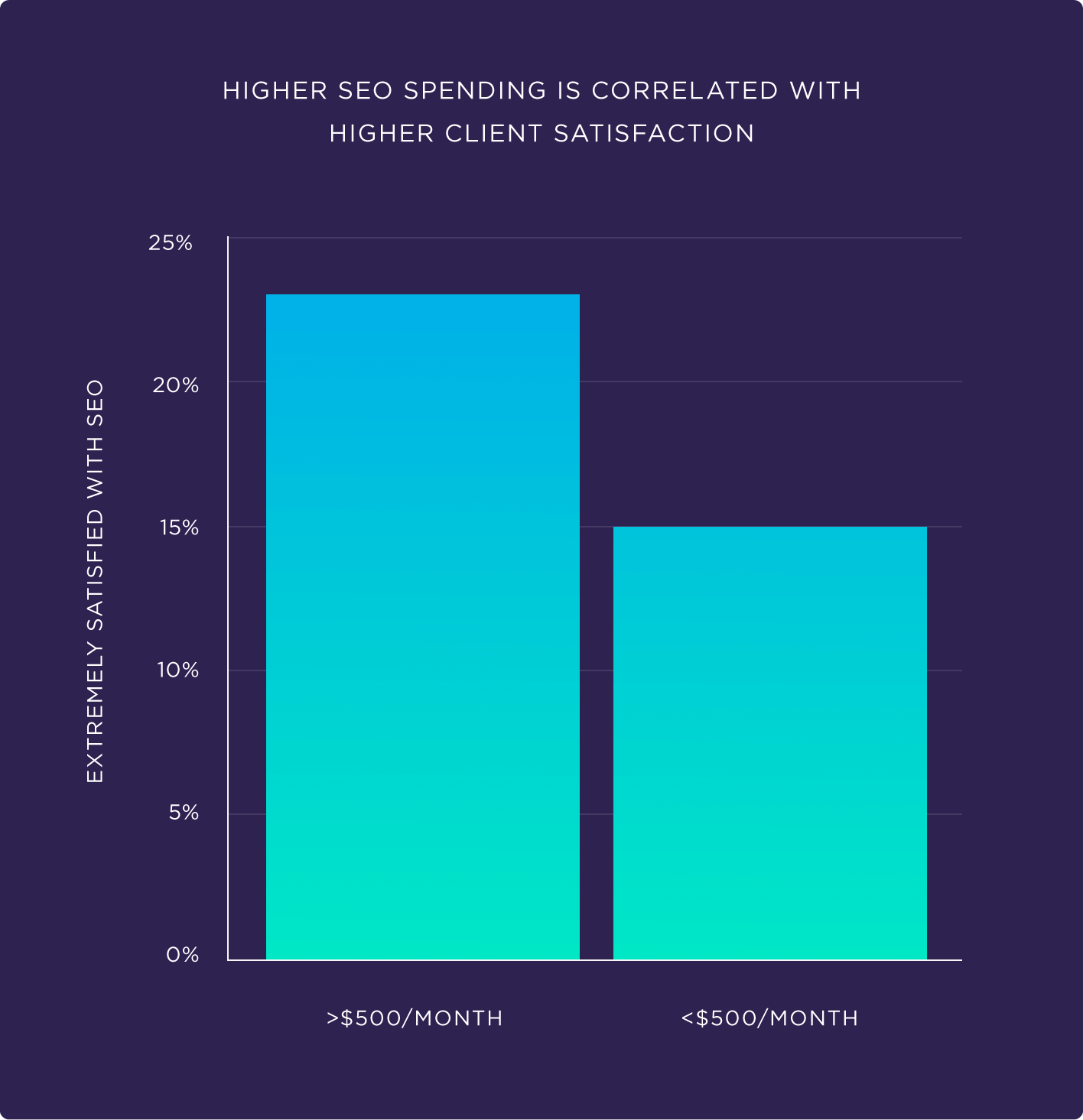
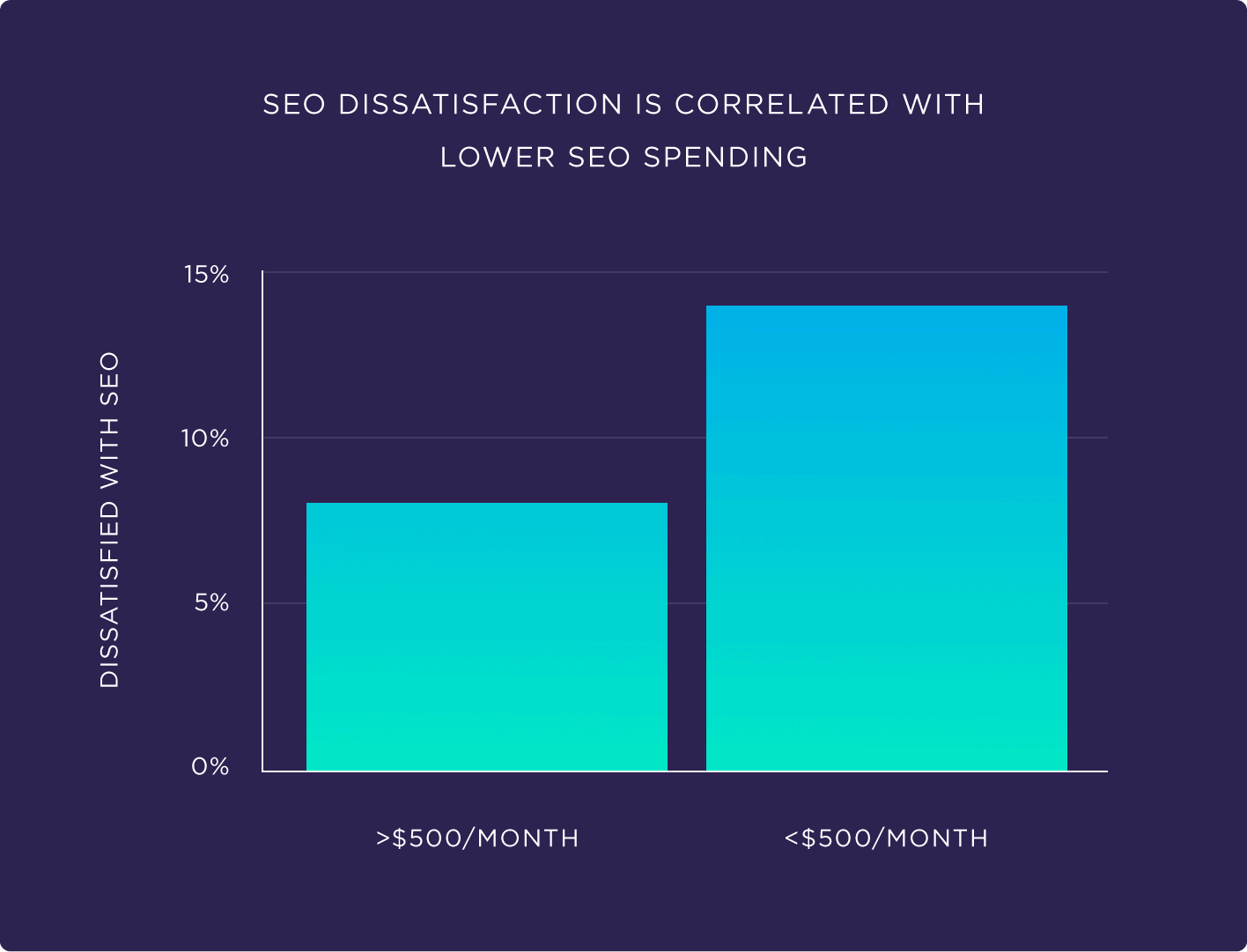
Despite this "get what you pay for" dynamic, the data shows that investment is strongly correlated with satisfaction. Clients spending upwards of $500 monthly are 53.3% more likely to report being "extremely satisfied" with their services compared to those operating at a lower budget. Conversely, businesses in the lower-spend bracket are 75% more likely to express active dissatisfaction, suggesting that under-resourced SEO campaigns are destined for failure.
Chronology: The Evolution of Client-Agency Relations
The trajectory of a typical SEO engagement has become increasingly short-lived. Historically, businesses might have stuck with a single provider for the long term; today, the market is characterized by high turnover.
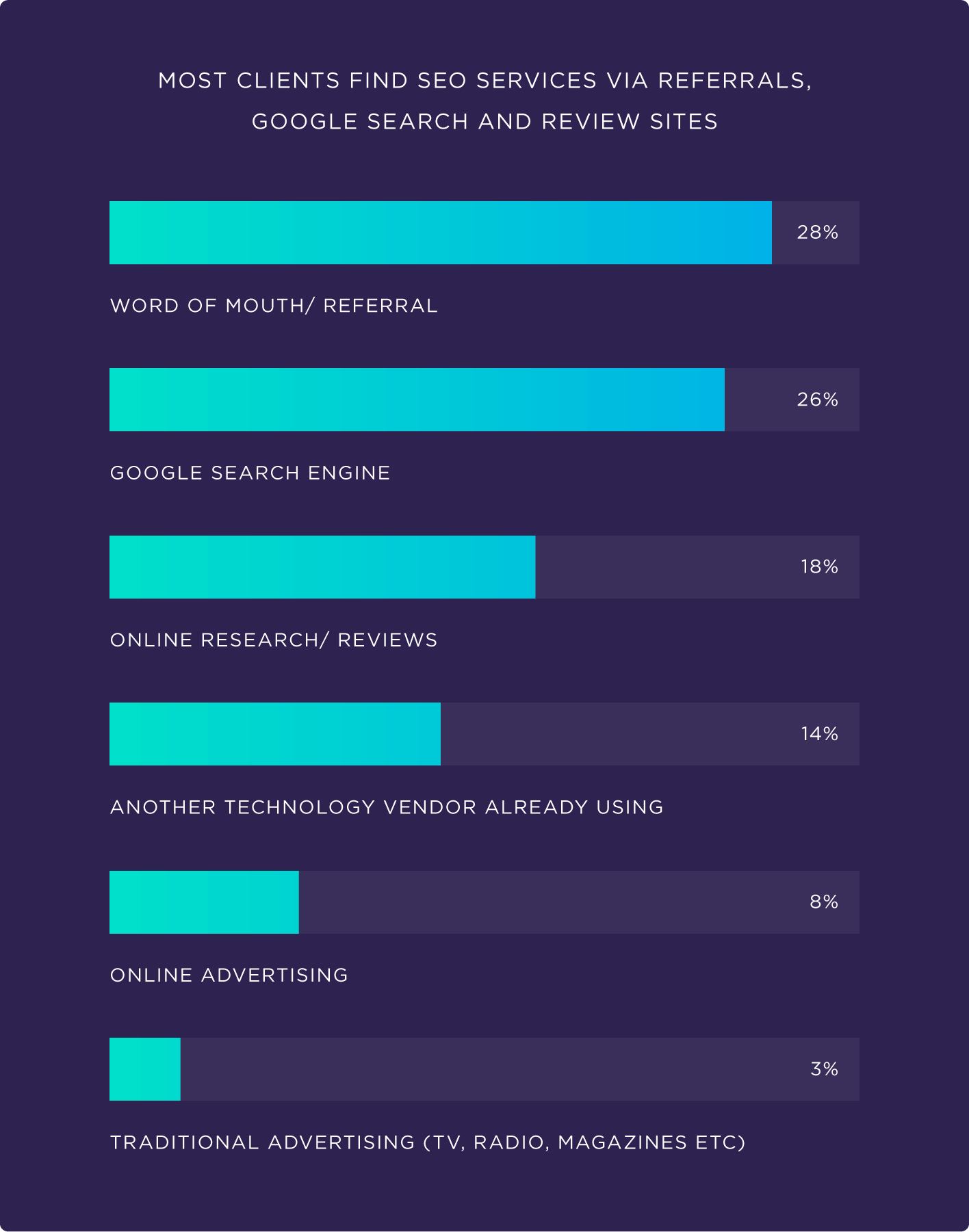
- Early Phase: Businesses often find providers through organic search, word-of-mouth referrals, or online review platforms.
- Engagement Phase: Once hired, the relationship is tested by the 6-to-12-month period typically required to see a meaningful ROI.
- The Breaking Point: If expectations regarding traffic and customer acquisition are not met—or if communication remains opaque—clients begin to churn.
- The Cycle: 65% of businesses report having worked with multiple providers, with 25% of the market having cycled through three or more firms.
This churn is not always the fault of the agency. The report highlights that "rapid switchers"—those who cycle through three or more providers in a single year—often lack the internal resources or digital literacy to collaborate effectively with their consultants.
Supporting Data: Understanding the Satisfaction Gap
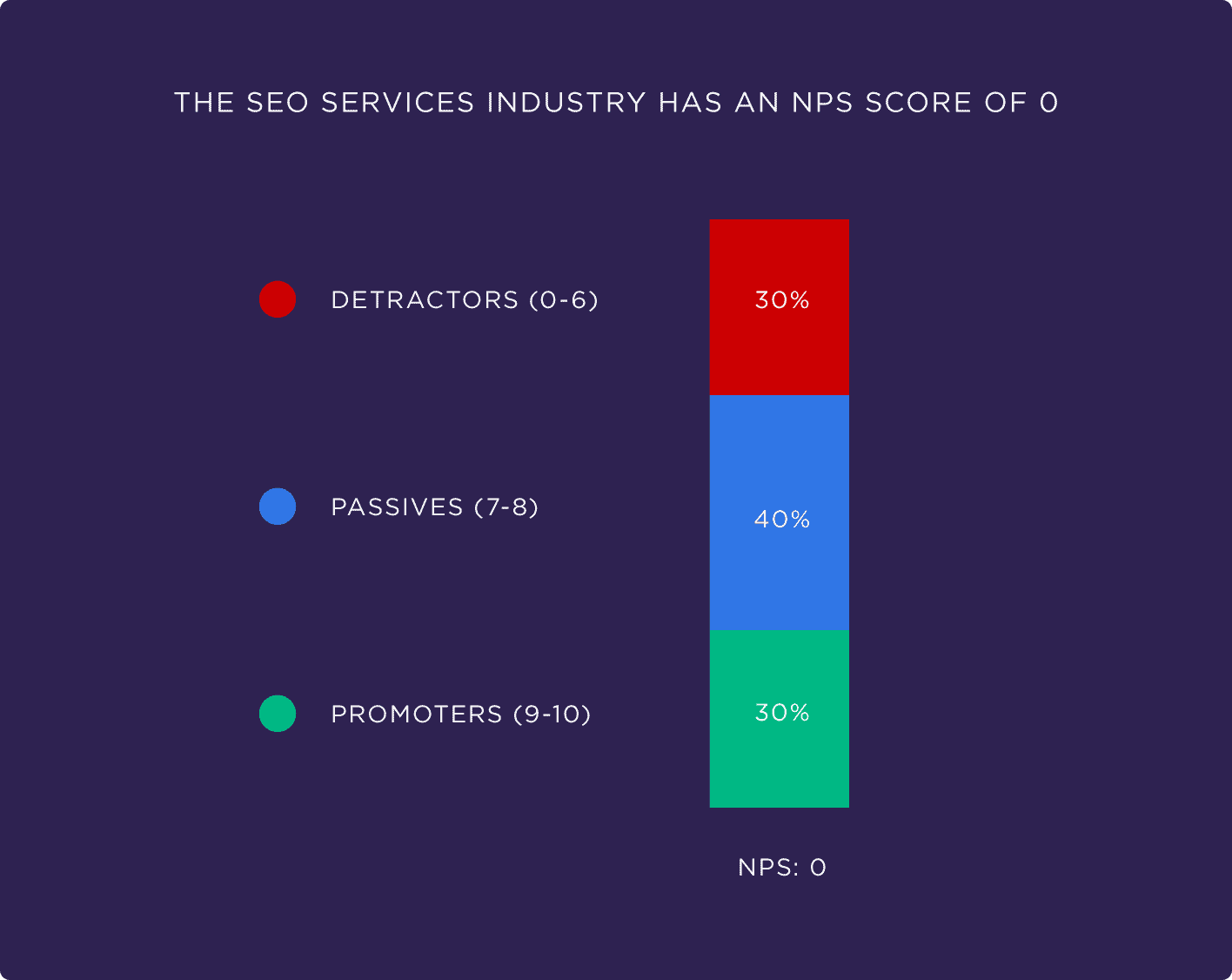
The industry’s Net Promoter Score (NPS) paints a sobering picture. With an industry-wide NPS of 0, the vast majority of clients are neutral or outright detractors. Only 30% of small business owners would actively recommend their current SEO provider to a colleague.
Why Clients Walk Away
When a partnership dissolves, the reasons are rarely ambiguous. The primary drivers for client termination include:
- Dissatisfaction with Results (82%): The most common reason for contract cancellation.
- Cost (81%): Budget constraints or perceived lack of value.
- Discovery of Alternatives (80%): A high willingness to shop around when current results stall.
- Communication Issues (34%): Poor responsiveness or lack of transparency.
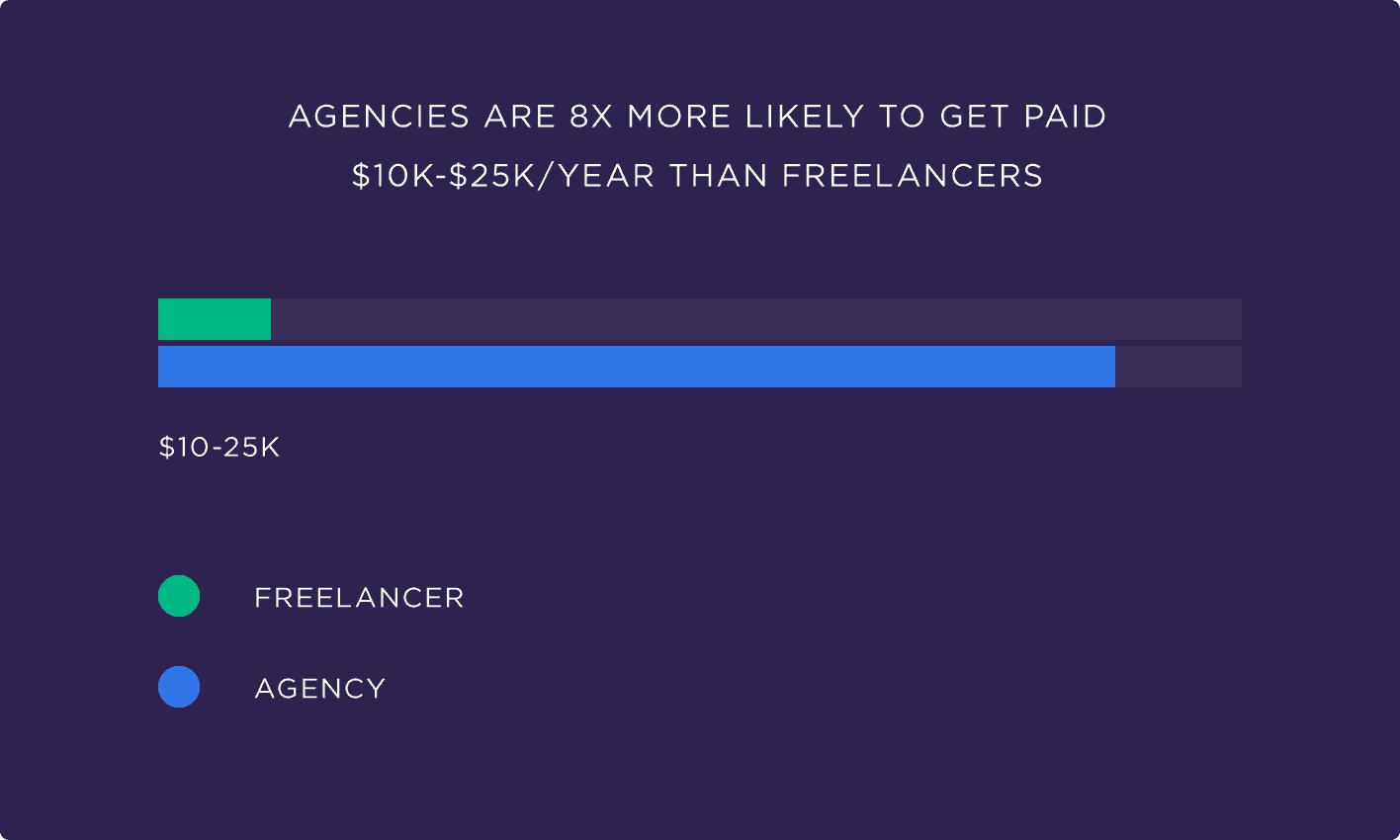
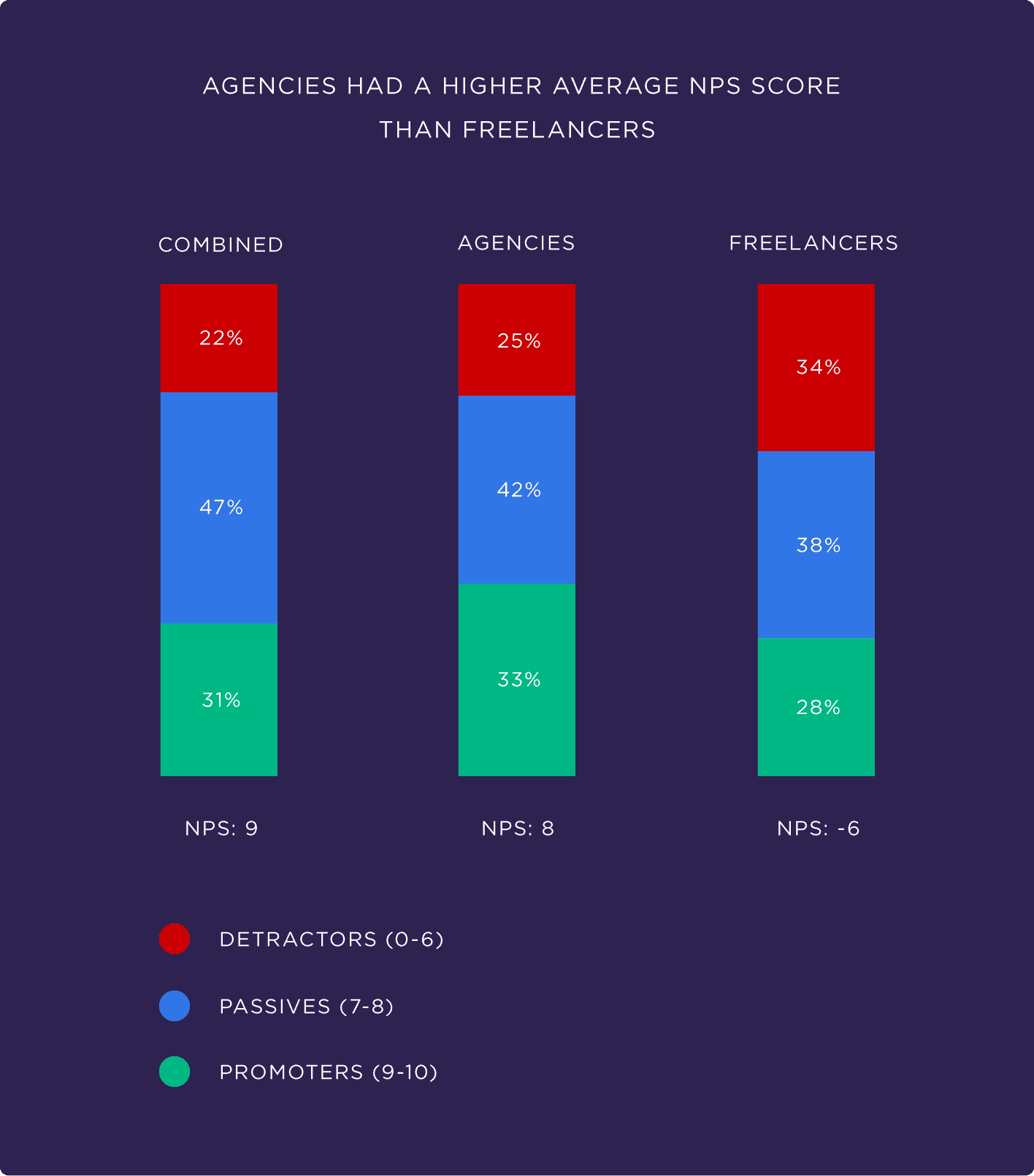
Interestingly, marketing agencies generally maintain higher satisfaction levels than individual freelancers, likely due to better internal processes and reporting structures.
Official Responses: The "Why" Behind the Numbers
Why does such a high-value industry suffer from such low customer loyalty? The data points to a fundamental misalignment in education and resource allocation.
The Education Deficit
A significant portion of the dissatisfaction stems from the client side. 50% of respondents admitted they feel they need more training to understand how to leverage SEO, while 28% acknowledged they lack the staff to implement the recommendations provided by their consultants. When a client doesn’t understand why a title tag change matters, they are unlikely to prioritize it, causing progress to stall—a situation that leads to the client eventually blaming the provider for the lack of results.
The Transparency Crisis
Transparency remains the Achilles’ heel of the sector. Approximately 27% of clients find SEO services "confusing," and 25% are unsure exactly what they are paying for. This confusion is exacerbated by technical jargon. Providers who focus on "backlinks" or "CSS optimization" often fail to connect with clients who are primarily concerned with "leads," "sales," and "first-page Google rankings."

Implications: A Roadmap for the Future
For agencies and freelancers, these findings offer a clear blueprint for survival in an increasingly AI-driven market.
1. Prioritize Tangible Outcomes
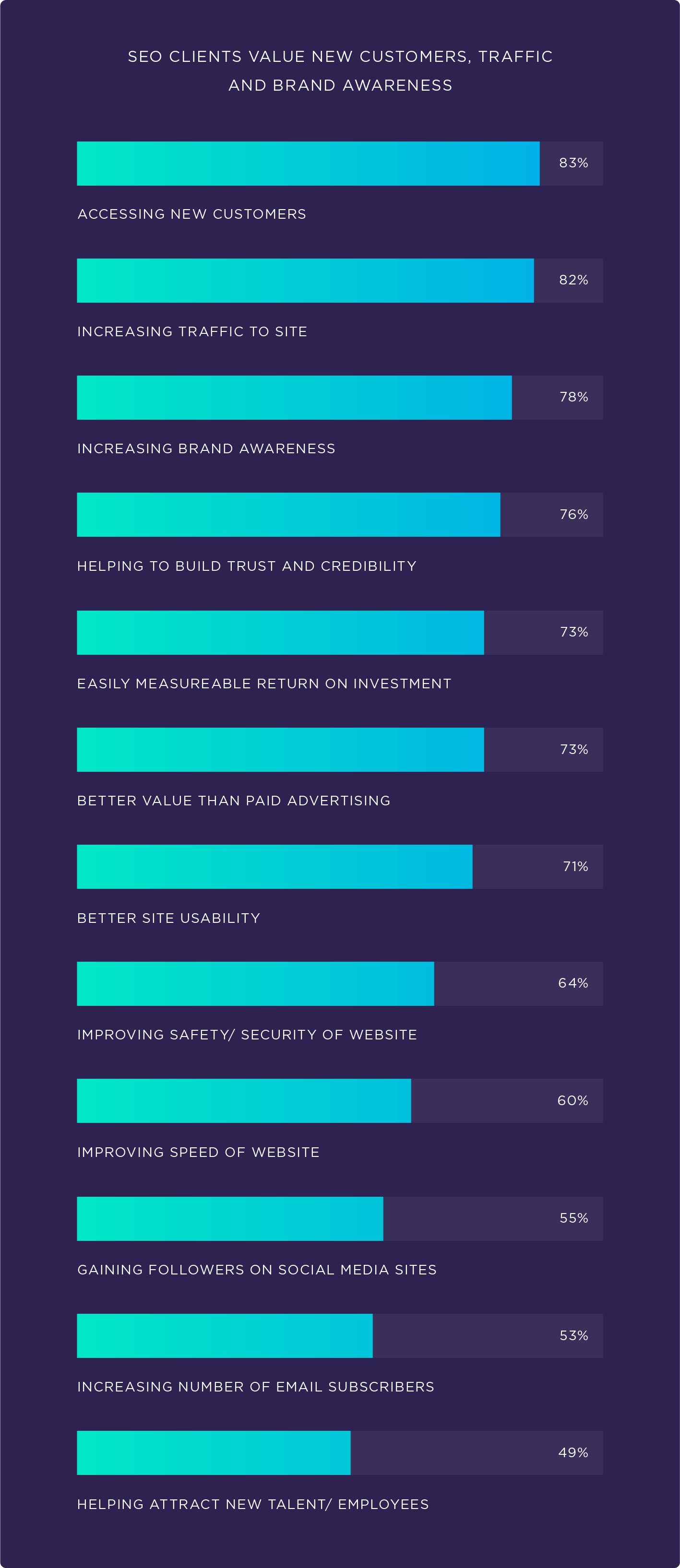
Providers must pivot their communication strategy. Instead of focusing on technical metrics, consultants should center their reporting on business outcomes—specifically new customers and revenue growth. Using terms that resonate with business owners rather than web developers can bridge the "savviness gap" identified in the report.
2. Location Matters
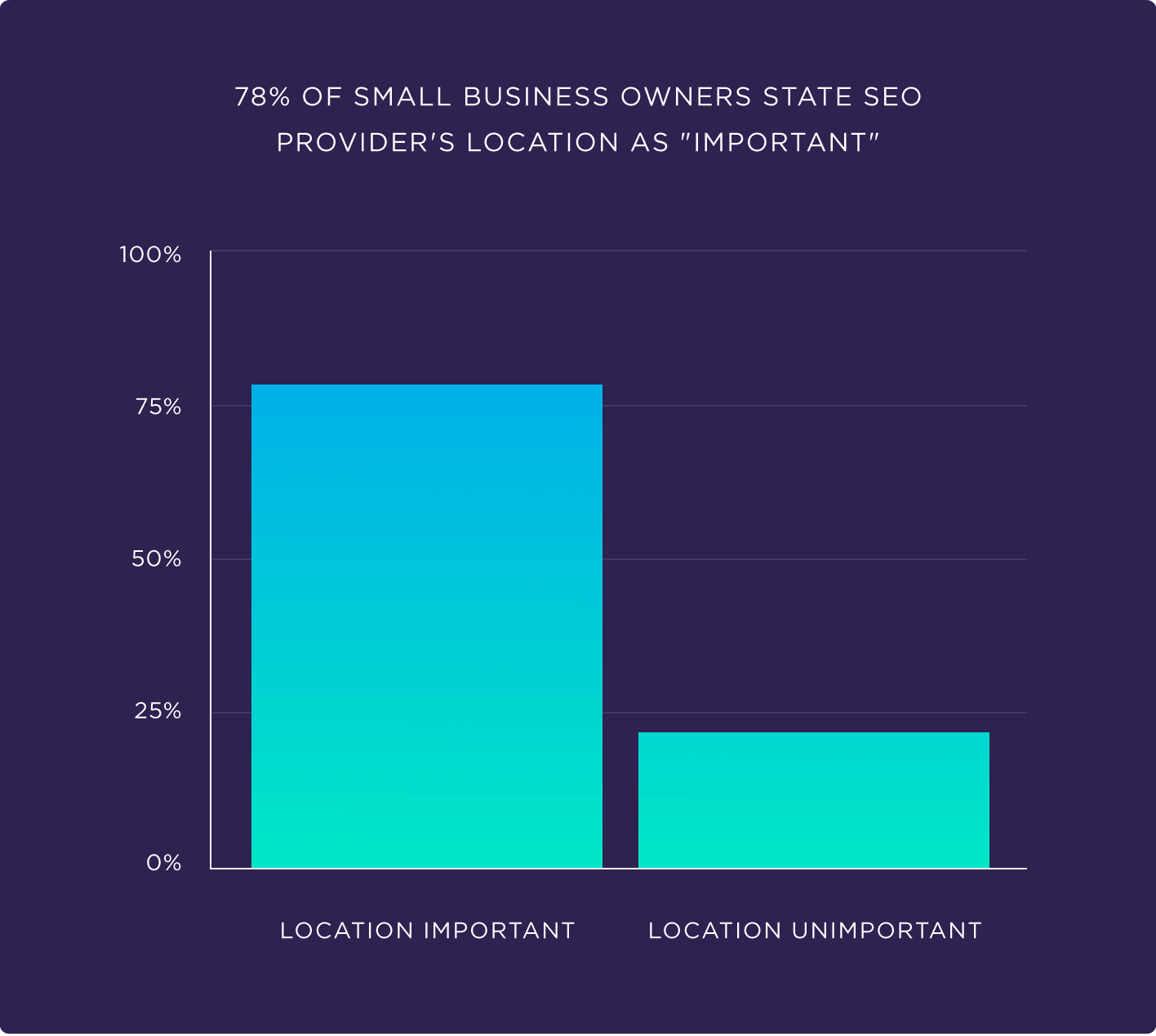
Surprisingly, 78% of US-based small businesses consider the location of their SEO provider to be "very" or "extremely" important. While the internet is global, the preference for regional or domestic providers remains a strong factor in hiring decisions. Agencies that clearly display their office, team, and location on their websites gain a distinct competitive edge.

3. Education as a Service
Because 50% of clients feel they lack the training to fully utilize SEO, agencies that provide educational resources, clear reporting, and collaborative roadmaps will naturally see higher retention rates. By framing the agency-client relationship as a partnership rather than a transaction, providers can move clients from the "low-savviness" category to the "web-savvy" category, which is where the highest levels of satisfaction reside.
4. The AI Factor
The emergence of AI has been a net positive for ROI, with 68% of respondents noting either a "moderate" or "significant" increase in their SEO ROI due to AI tools. Agencies that lean into these efficiencies to deliver faster, more data-backed results will be the ones that survive the current wave of industry turnover.
Final Assessment
The SEO industry is currently in a state of maturation. The "wild west" era of unverified results and opaque reporting is being challenged by a more informed client base. For the 30% of providers who have achieved high client satisfaction, the secret lies in clear communication, realistic goal setting, and a relentless focus on the metrics that truly drive business growth. As the digital search environment becomes more complex, those who can demystify SEO for their clients will undoubtedly emerge as the industry leaders of tomorrow.