Google has officially rolled out its long-anticipated "Generative AI" reporting section within Google Search Console, marking a pivotal shift in how publishers, SEO professionals, and ecommerce businesses measure their presence in the evolving search landscape. Located under Performance > Search Results > Generative AI, this new dashboard provides visibility into how content is being utilized within AI Overviews, AI Mode, and various generative features across Google Discover.
While the introduction of this data is a significant step toward transparency, it has also sparked a debate regarding the definition of "visibility" in an age where the search engine is no longer just a directory, but a content synthesizer.
The Core Facts: What the New Report Offers
The "Generative AI" section is designed to bridge the visibility gap between traditional blue-link search results and the increasingly prominent AI-driven interface. As Google continues to integrate Large Language Models (LLMs) into the search experience, the traditional metrics of "clicks" and "rankings" have become insufficient to describe the user journey.
The report provides a granular look at:
- Visibility in AI Overviews: Tracking how often a domain’s URLs are surfaced within the AI-generated snapshots that now frequently sit atop search results.
- AI Mode Performance: Monitoring appearances in the dedicated generative search environments.
- Discover Integration: Reporting on how generative AI features pull content from publishers into the Google Discover feed.
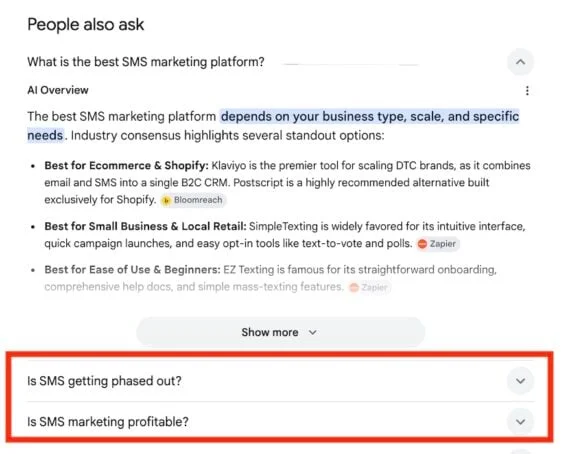
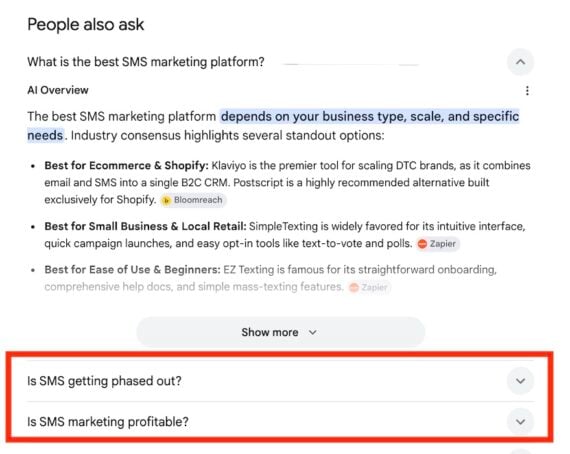
However, the report is currently limited. It lacks the robust filtering options that seasoned SEOs rely on to distinguish between different types of AI features. Users cannot yet isolate data to see if an impression came specifically from an "AI Overview" or a "People Also Ask" (PAA) expansion, making it difficult to perform precise A/B testing or feature-specific optimization.
Chronology: The Road to AI Transparency
The journey to this point has been marked by a rapid escalation in AI deployment by Google:
- Early 2023: Google announces "Search Generative Experience" (SGE) in Labs, signaling a fundamental change in search architecture.
- Late 2023 – Early 2024: Publishers express growing anxiety regarding the "zero-click" nature of AI summaries, as traffic to organic websites fluctuates.
- Mid-2024: Google begins testing integration of SGE-style results into the main search interface under the "AI Overviews" branding.
- June 2026: Google Search Central officially announces the wide availability of the "Generative AI" performance report in Search Console, providing the first standardized look at how AI systems interact with external web content.
This progression reflects Google’s attempt to appease the publishing community, which has been vocal about the need for clearer data regarding the "leakage" of information from their sites into AI summaries.
Decoding "Impressions": The Visibility Controversy
Perhaps the most critical aspect of the new report is the definition of an "impression." As confirmed by Google’s John Mueller, an impression in the context of the Generative AI report is defined by two criteria:
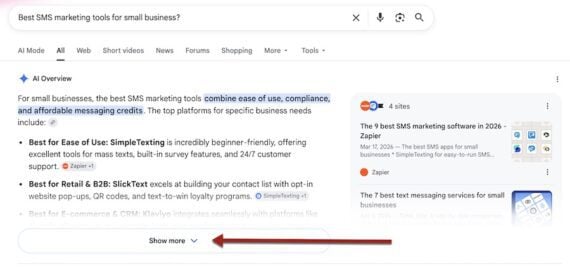
- The URL appears anywhere within an AI-generated answer.
- The display requires no specific user action to be categorized as an impression.
The "Hidden" Visibility Problem
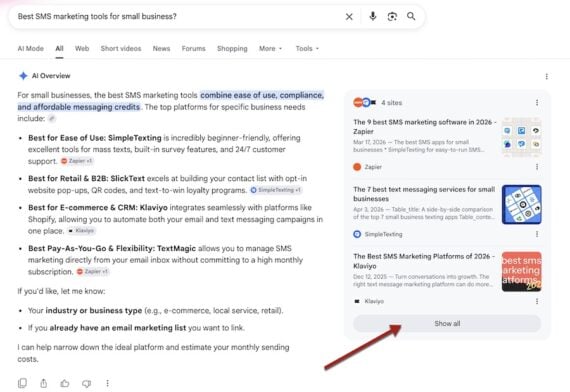
This definition creates a significant disconnect between what Google counts as an impression and what a human actually sees. In many instances, AI Overviews are collapsed behind "Show more" or "Show all" buttons. According to the report’s logic, if your URL is contained within the expanded text or the cited source list—even if the user never scrolls down or clicks to reveal it—that counts as an impression.
For ecommerce sites, this is a vital distinction. If your product page is cited in an AI Overview that remains in a "collapsed" state, you are technically receiving an impression, but you are not receiving the brand awareness or potential traffic associated with a visible link. This suggests that the current metrics might be inflating the perceived "visibility" of content, as they track the system’s potential to show a link rather than the user’s actual exposure to it.
Implications for SEO and Ecommerce Strategy
The introduction of this report forces a strategic rethink for digital marketers. Because the report currently lacks click-through data (CTR) for these AI features, it is difficult to determine if these impressions are translating into actual traffic.
Actionable Strategies
To make the data actionable despite its limitations, experts recommend the following workflow:
- Export to Excel/Sheets: Download the performance data and segment it by URL to identify which pages are "AI-heavy" versus "Organic-heavy."
- Correlate with Conversion Data: Compare the AI impression data against your site’s internal conversion tracking. Are pages with high AI impressions seeing a change in direct traffic or branded search volume?
- Content Auditing: Use the report to identify high-performing content in AI snapshots. If a specific guide or product category is dominating AI impressions, optimize that content to be more "citeable" by using clear, structured data and concise summaries that fit easily into an AI’s output window.
Official Responses and the "Opt-Out" Debate
Google has maintained a stance of "controlled integration." Alongside the reporting features, Google has introduced granular AI controls within Search Console. Located at Settings > AI controls > Search generative AI, these settings allow site owners to effectively block their content from being used in AI-generated answers.
Should You Block?
While the capability to block exists, the consensus among SEO experts is largely one of caution. Blocking AI access effectively removes the site from the generative ecosystem entirely. For ecommerce retailers, this is generally considered a poor strategy. Even if AI answers reduce the number of clicks to a product page, being cited in an AI summary provides a "trust signal" and keeps the brand top-of-mind.
John Mueller and the Google Search team have encouraged publishers to view AI not as a competitor, but as a new medium. By providing the "Generative AI" report, Google is essentially telling publishers: "We are integrating your content, and we are giving you the tools to see how, even if we haven’t yet perfected the attribution of traffic."
The Future of Search Measurement
The release of this report is likely just the first iteration. As the technology matures, we can expect Google to refine the reporting to include:
- Click-Through Rates (CTR) from AI: Tracking when a user clicks a citation link versus when they simply read the summary.
- Feature-Specific Filters: Enabling users to toggle between "AI Overview," "Conversational Mode," and "Shopping AI" impressions.
- Contextual Attribution: Better clarity on why a specific URL was chosen by the LLM over a competitor.
For now, the industry must learn to live with the ambiguity. We are moving toward a search ecosystem where "being seen" is no longer synonymous with "being clicked." This requires a shift in KPIs—moving away from purely volume-based traffic metrics and toward a deeper understanding of brand authority and visibility within the AI’s knowledge graph.
Conclusion
Google’s Generative AI report is a welcome, albeit imperfect, step toward transparency. It highlights the reality of the modern web: the search engine is no longer just a portal to your site; it is a filter, a summarizer, and an assistant. While the current impression-based metrics leave much to be desired, they provide the necessary baseline for brands to begin tracking their footprint in the AI era.
For the diligent SEO, the goal remains the same: create high-quality, authoritative, and structured content that the AI—and the human—finds indispensable. The data provided by the new Search Console report is merely the map for this new territory. Whether it leads to growth or a decline in organic traffic will depend on how effectively brands adapt to the changing nature of the "search result."