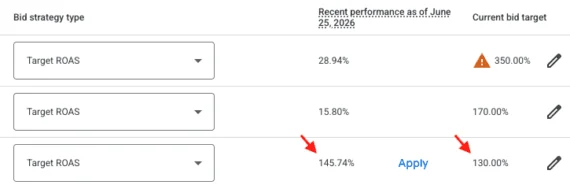
The landscape of digital advertising is undergoing a seismic shift, one where the traditional boundaries between search, discovery, and creative production are blurring. Last month, during its annual Marketing Live event, Google unveiled a massive overhaul of its advertising ecosystem, introducing approximately 70 new features. The overarching theme was clear: the future of advertising is conversational, AI-driven, and increasingly autonomous.
For marketers, agencies, and e-commerce business owners, these changes represent more than just a software update. They signal a transition from manual campaign management to a model of "collaborative intelligence," where the advertiser acts more as a brand guardian and strategic architect while Google’s AI handles the execution, creative synthesis, and audience targeting.
Main Facts: The New AI-Centric Paradigm
The core of the Google Marketing Live announcements centers on three strategic pillars: the rollout of "AI Mode," the evolution of "Ask Advisor" as a virtual strategist, and the sunsetting of legacy campaign types in favor of unified Demand Gen platforms.
AI Mode and the Death of Static Ad Creation
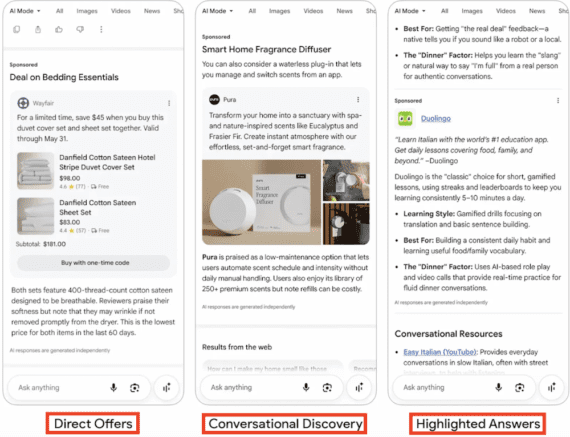
Google’s introduction of "AI Mode" marks a departure from static ad delivery. Instead of marketers manually designing individual ads for every placement, Google now dynamically generates ad formats based on the core assets—images, text, and URLs—provided by the advertiser. The three primary formats under this umbrella include:
- Direct Offers: Personalized, sponsored product deals tailored to user search intent.
- Conversational Discovery: Interactive, AI-guided shopping experiences that allow users to drill down into product specifics.
- Highlighted Answers: Context-aware ad placements that appear directly within AI-generated search summaries.
These ads are inherently responsive. Google’s algorithms determine the most effective visual and textual configuration in real-time, pulling from a pool of assets submitted by the advertiser. Crucially, advertisers do not create these ads themselves; they provide the "brand guardrails" and assets, while the AI performs the final assembly.
Chronology of the Shift: From Search to Conversation
The trajectory of Google Ads over the last few years has been a steady march toward automation. The timeline of this evolution provides context for the current announcements:
- 2022-2023: The rise of Performance Max (PMax) signaled the start of automated, cross-channel campaign management.
- Early 2024: Google began integrating generative AI into ad copy creation and image editing tools.
- Mid-2025: The introduction of "AI Briefs" and text disclaimers allowed brands to provide stricter, machine-readable instructions to the AI to prevent off-brand messaging.
- Last Month (2026): Google Marketing Live solidified the "agentic" era. The move from Display campaigns to the Demand Gen ecosystem represents the final consolidation of legacy formats into a single, AI-optimized engine.
Supporting Data and Technical Implications
The shift toward AI-driven advertising is not merely aesthetic; it is backed by a shift in how Google processes merchant data. By integrating Merchant Center feeds directly into Demand Gen campaigns, Google is bridging the gap between high-level brand awareness and transactional conversion.
The Challenge of "Agentic" Accuracy
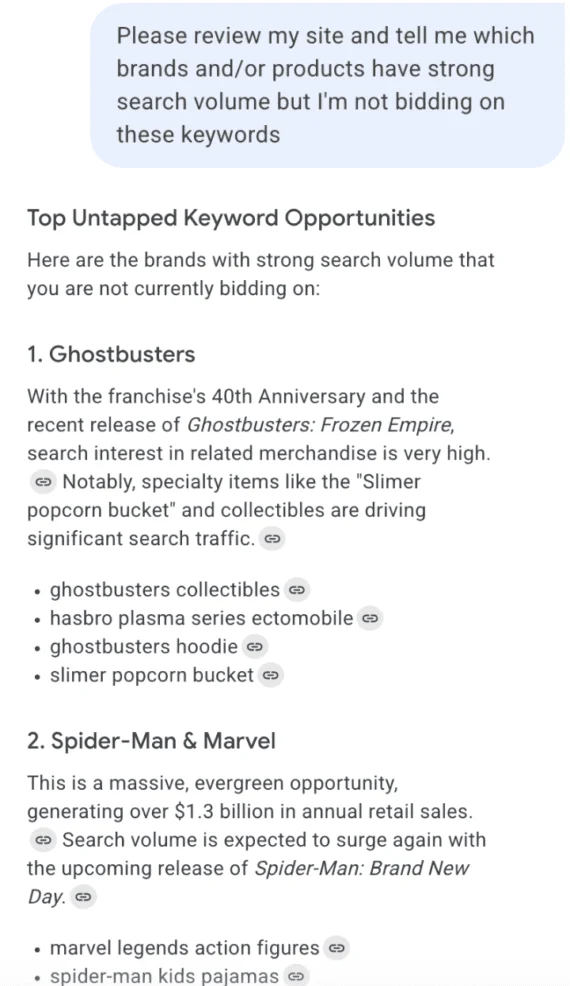
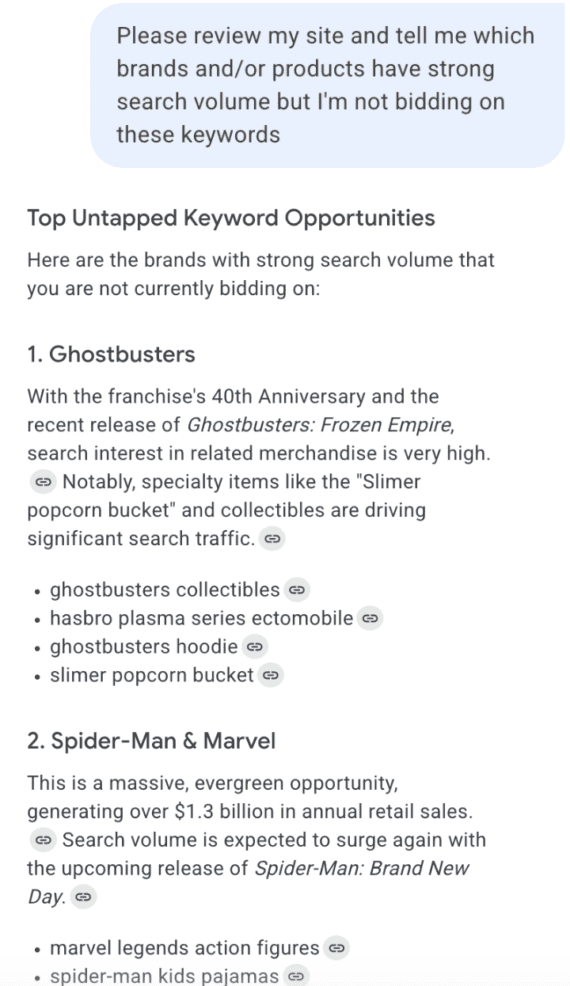
While the efficiency gains are undeniable, the reliance on AI agents like "Ask Advisor" presents a double-edged sword. As documented in tests involving retail merchants, the AI’s ability to suggest scaling opportunities is inconsistent. In a recent analysis, Ask Advisor correctly identified a niche for a movie merchandise retailer but failed to recognize product inventory limitations, suggesting categories the merchant did not stock.
This data point highlights a critical takeaway: AI is an optimizer, not a replacement for human context. When the input data—the merchant’s product feed or brand guidelines—is incomplete, the output remains prone to hallucinations or strategic inaccuracies.
Official Responses and Strategic Guidance
Google’s positioning of these tools is clear: the company views itself as a partner in the marketing process. According to official briefings, the integration of brand guidelines into the "Asset Studio" is designed to solve the "brand safety" issue that has long plagued automated ad systems.
By allowing advertisers to upload proprietary brand books, tone-of-voice documents, and negative keyword lists, Google is attempting to provide a "safety net" for the generative AI. The goal is to move beyond generic ad copy and into a space where AI can mirror a brand’s unique identity with high fidelity.
Implications for Advertisers: The Road Ahead
The 2026 Marketing Live event leaves advertisers with three major areas of focus for the remainder of the year.
1. Mastering the "Brand Brief"
Because advertisers no longer create ads in the traditional sense, their primary job has become "briefing the AI." Success in the new Google Ads ecosystem will depend on how effectively a marketer can define their brand’s constraints. If you don’t tell the AI that your brand is "fun, not sarcastic" or that you don’t sell "Spider-Man merchandise," the AI will inevitably fill those gaps with its own assumptions—often incorrectly.
2. The Migration to Demand Gen
The forced migration from Display campaigns to Demand Gen is a clear signal that Google is prioritizing high-engagement, video-centric environments. For e-commerce brands, this is a call to action to invest in short-form video assets. With Merchant Center feeds now fueling Demand Gen, the barrier between a YouTube video and a "Shop Now" button has effectively vanished. Brands that fail to integrate their product feeds into their video strategy will find themselves at a severe competitive disadvantage.
3. The New Role of the Search Marketer
The role of the paid search specialist is evolving from "campaign manager" to "AI orchestrator." Marketers must now spend more time analyzing AI output, auditing recommendations from tools like Ask Advisor, and refining the "Asset Studio" inputs. The danger is not that the AI will fail, but that it will "succeed" by driving traffic to irrelevant pages or misrepresenting brand offerings due to poor data hygiene.
Conclusion: The Era of Collaborative Intelligence
The 70+ features announced at Google Marketing Live represent the most significant update to the platform in a decade. While the allure of "set it and forget it" AI is powerful, the reality is more nuanced. Google’s AI is a force multiplier, but it requires a sophisticated human partner to direct it.
Advertisers who view these changes as an opportunity to offload the drudgery of manual bidding and ad assembly will likely see significant efficiency gains. However, those who fail to maintain strict control over their brand guidelines, product feeds, and creative assets will find themselves at the mercy of an algorithm that, while brilliant, lacks the context of the business it is representing.
The future of marketing on Google is not about competing with the AI—it is about learning how to teach the AI to represent your business as well as you do. As these tools continue to roll out throughout 2026, the brands that win will be those that treat their AI agents not as autonomous employees, but as highly capable, yet occasionally flawed, interns that require constant supervision and clear strategic direction.