In the saturated landscape of the digital age, millions of new blog posts are published every single day. For many aspiring creators, the routine is methodical: they conduct keyword research, adhere to strict SEO checklists, craft perfectly structured subheadings, and optimize their site speed. Yet, despite checking every technical box, they find their traffic stagnant and their engagement non-existent.
The missing ingredient in this equation is rarely technical—it is human. It is the "personality factor," the indefinable bridge between a content producer and a loyal community. When a reader stumbles upon a blog, they aren’t just looking for information; they are looking for a perspective. They are looking for a connection.
This article explores how ten industry-leading bloggers have mastered the art of personal branding, transforming their websites from mere information hubs into vibrant, influential communities.
The Anatomy of a Personal Blog: A Chronology of Evolution
Blogging began in the late 1990s as a form of digital diary-keeping. As the medium evolved into a professional business model in the 2010s, the focus shifted heavily toward SEO and monetization. However, the current era has seen a "human-first" correction.

- The Diary Era (1997–2004): Blogs were strictly personal, characterized by raw, unfiltered, and deeply human content.
- The SEO Gold Rush (2005–2015): The rise of Google as the primary traffic driver led to a robotic, formulaic style of writing.
- The Authentic Era (2016–Present): Creators have realized that while SEO gets people to the site, personality keeps them there. The most successful modern blogs now balance technical optimization with a distinct, identifiable "voice."
Proven Strategies for Injecting Personality
To understand how top-tier bloggers succeed, we must look at the specific tactics they employ to differentiate their digital footprint.
1. Visual Storytelling: The YTravel Approach
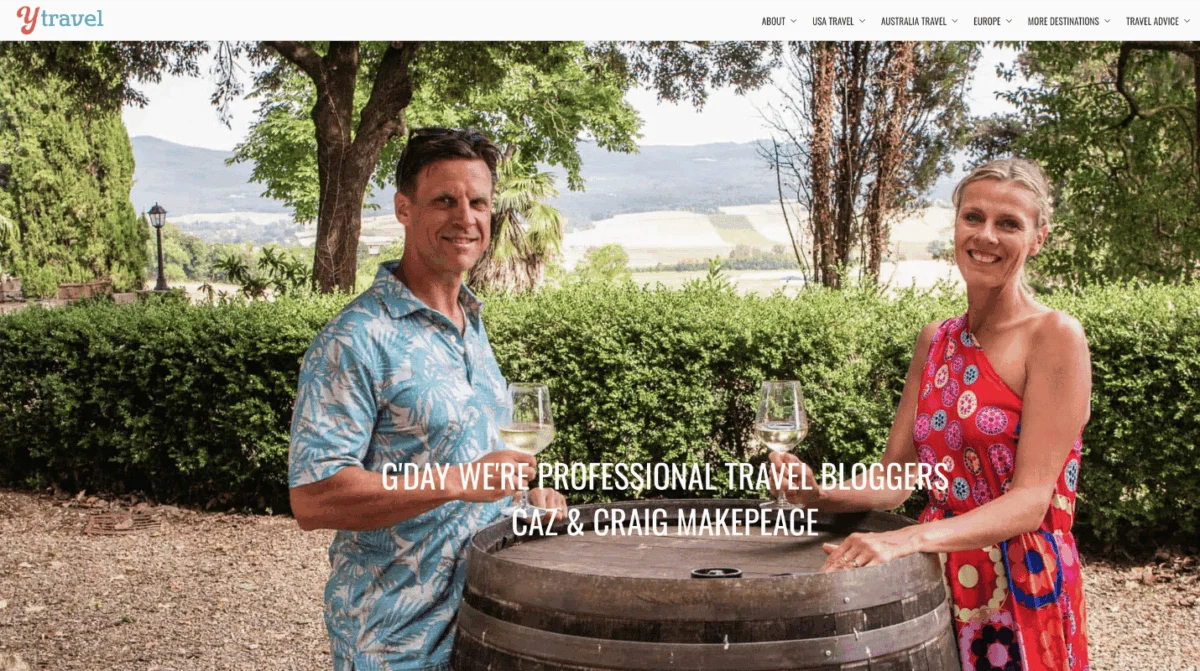
Travel blogging is perhaps the most competitive niche in the digital sphere. Caz and Craig of YTravel set themselves apart not through travel guides alone, but through emotional visual storytelling. By sharing candid, smiley, and high-quality photography, they invite readers into their family dynamic.

- The Lesson: Use photos as a narrative tool, not just as a visual break. Whether you are in food, fashion, or travel, your images should reflect your specific mood and perspective.
2. Branding the Individual: Pat Flynn’s Flair
Pat Flynn of Smart Passive Income excels by humanizing his professional brand. His homepage doesn’t just list business services; it highlights his identity as a "father, husband, and serial entrepreneur." By layering in quirks—such as his self-described role as "protector of Baby Yoda"—he makes himself relatable, which fosters trust among his followers.
3. The Power of Unfiltered Tone: Shannon Kelly White
Shannon Kelly White proves that polarizing your audience can be a strategic strength. By utilizing "salty" or bold language, she creates an immediate filter. Readers who appreciate her raw, authentic voice become deeply loyal, while those who don’t likely weren’t her target audience anyway.

- The Lesson: Trying to appeal to everyone is the fastest way to appeal to no one. Be bold, be opinionated, and be yourself.
4. Visual Identity and Custom Assets: Blog Tyrant
Ramsey from Blog Tyrant utilizes custom illustrations—specifically his "blogging superhero" avatar—to establish an instant, recognizable brand identity. These visual cues act as a shorthand for the reader; they know exactly who they are dealing with the moment the page loads.
5. The "About Page" as a Conversion Tool
Elsie and Emma of A Beautiful Mess understand that the "About" page is often the second most visited page on a site. They use bold, stylized photography and concise, punchy narratives to ensure that new readers aren’t just reading a post; they are meeting the founders.

Supporting Data: Why Personality Drives Retention
Data from recent digital marketing studies suggests that "humanized" content leads to a 40% increase in repeat visitor rates compared to faceless, corporate-style blogs. When readers feel a sense of parasocial connection—a psychological relationship where a reader feels they "know" the creator—they are significantly more likely to:
- Sign up for newsletters.
- Purchase recommended products.
- Share content on social media.
This emotional equity is the currency of the modern web. Without it, your blog is a library; with it, your blog is a community.

Official Perspectives: The Philosophy of Connection
Industry experts often argue that the rise of AI-generated content makes human personality even more valuable. As generic, mass-produced content floods the web, the "personality premium" increases.
"We are entering a phase where the information is commoditized," says one prominent digital strategist. "If you can get the answer to a question from a chatbot in two seconds, why would you visit a blog? You visit because you want the experience of the answer from a person you respect, enjoy, or admire."

Implications for Your Future Content Strategy
If your blog is struggling to gain traction, it is time to pivot from "information delivery" to "personality expression." Here is how you can begin:
- Define Your Archetype: Are you the mentor, the peer, the entertainer, or the rebel? Your content should consistently reflect one of these roles.
- Audit Your Visuals: Replace stock photos with original, authentic imagery. If you cannot take your own photos, commission unique illustrations that reflect your brand’s color palette.
- Streamline Your Value Proposition: As seen with Kelly Exeter, your headline should tell the reader exactly who you are, who you help, and how you help them. Clarity is a form of personality.
- Create Entry Points: Use tools like quizzes (as seen on Puttylike) or specific brand statements to turn a "drive-by" reader into a community member.
Final Thoughts: The Road Ahead
Personalization is not a one-time setup; it is a continuous process of refining your voice. As you look at the examples provided, ask yourself: What is the one thing about my perspective that no one else can replicate?

Start there. Whether it is your humor, your photography, your specialized knowledge, or your unique life story, lean into it. In an era of infinite digital noise, the most effective way to be heard is to be unmistakably, unapologetically human. Your audience is waiting for that connection—it is time to give it to them.