In the high-stakes world of digital marketing, the traditional "set-it-and-forget-it" approach is rapidly becoming a relic of the past. Most marketers launch campaigns, hold their breath, and either celebrate or mourn the results—often without understanding the "why" behind their performance. However, top-tier growth teams are shifting their focus toward a more sustainable, evidence-based methodology: Iterative Testing.
Iterative testing transforms marketing from a series of high-risk gambles into an ongoing cycle of small, calculated improvements. By treating every campaign as a data-gathering mission, marketers can adapt to shifting user behaviors, stop wasting budget on underperforming assets, and compound their conversion rates over time.
The Core Philosophy: What is Iterative Testing?
At its simplest, iterative testing is the process of repeatedly testing, measuring, and refining marketing assets based on the specific insights gleaned from the previous round of results. While product development teams have utilized this "agile" methodology for decades to build software, marketers are now applying these principles to landing pages, email sequences, and ad copy.
Rather than waiting for a "home run" through massive, site-wide overhauls, iterative testing favors "base hits"—small, incremental changes that, when combined, create significant long-term growth.
Why Marketers Should Care
Marketing failures are rarely catastrophic, singular events. Instead, they are usually "slow leaks"—subtle friction points that drain your budget day after day. Iterative testing plugs these leaks by:
- Mitigating Risk: You test on a small scale before committing your full budget.
- Data-Driven Decision Making: Every change is backed by evidence rather than intuition.
- Agility: You can pivot in real-time as market conditions change.
Chronology of an Iterative Campaign
Implementing an iterative testing process requires a departure from the "launch-and-wait" mindset. Here is the lifecycle of a successful iterative cycle:

- Observation: Identify a friction point using analytics or user feedback.
- Hypothesis Formulation: Create a testable statement (e.g., "Changing the headline from ‘Sign Up’ to ‘Start Your Free Trial’ will increase conversions by 5%").
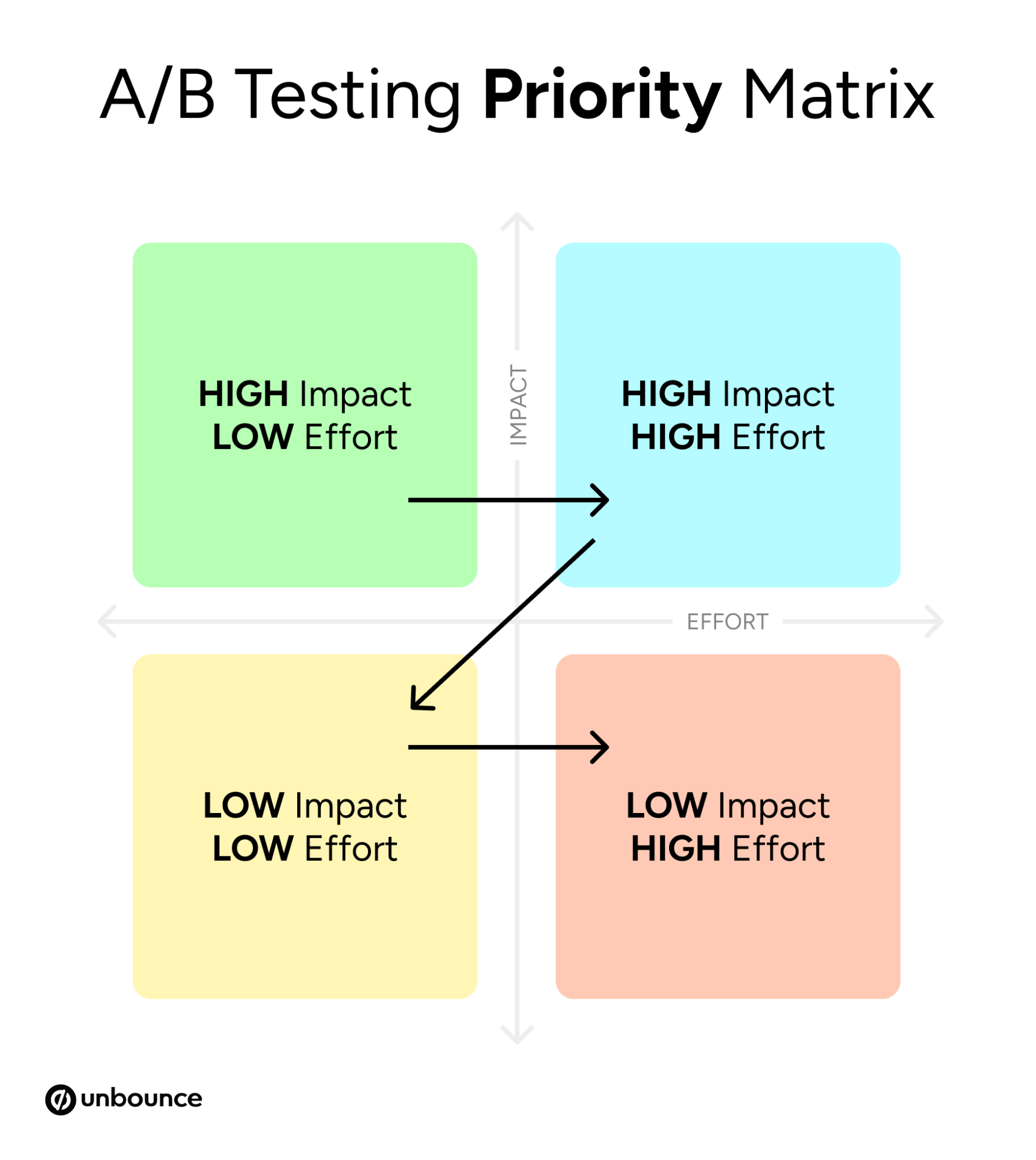
- Prioritization: Rank tests based on the effort-to-impact ratio.
- Implementation: Build a minimal, focused variation.
- Statistical Validation: Run the test until a reliable sample size is reached.
- Synthesis: Extract the underlying "why" and apply it to future campaigns.
Supporting Data: The Case for Incrementalism
The urgency of adopting this model is supported by recent industry benchmarks. For instance, the 2024 Conversion Benchmark Report highlighted a startling correlation between content complexity and conversion rates. Data shows that pages written at a 5th-7th grade level convert at 11.1%—more than double the rate of professional-level, high-complexity writing.
Furthermore, the data suggests that device-specific behavior is becoming more pronounced. While 83% of landing page traffic now occurs on mobile devices, desktop traffic still converts 8% better on average. Without an iterative testing framework, a marketer might ignore these nuances, applying a "one-size-fits-all" strategy that ignores the unique needs of their mobile versus desktop audience.
Key Implications for Marketing Performance
Faster Feedback Loops
Traditional testing cycles often span quarters, leaving teams blind to performance issues until the budget is already exhausted. An iterative model shrinks these loops to days. Tools like Unbounce’s Smart Traffic, for example, can begin optimizing after as few as 50 visits, allowing even low-traffic campaigns to benefit from rapid, automated refinement.
Reducing Wasted Spend
Marketing budgets are increasingly under pressure to demonstrate ROI. Iterative testing acts as a guardrail. By testing small segments, you determine what works before scaling. If a hypothesis fails, the cost is minimal; if it succeeds, you scale with confidence, effectively eliminating the "guesswork" that leads to bloated, inefficient ad spend.
Adapting to Evolving User Needs
User behavior is not static; it is influenced by macroeconomic trends, seasonal shifts, and competitor maneuvers. An iterative approach creates a continuous feedback loop that evolves alongside your audience. By constantly testing, you aren’t just optimizing for today—you are building a repository of knowledge about what your customers value, which becomes an invaluable asset for your entire organization.
Step-by-Step Implementation Strategy
1. Define a Laser-Focused Hypothesis
The most common mistake in A/B testing is testing too many variables at once. If you change your headline, button color, and form length simultaneously, you will never know which change drove the result. Focus your hypothesis on a single element.

2. Prioritize Based on Impact and Effort
Use a 2×2 matrix to prioritize your tests. Focus on "High Impact/Low Effort" tasks first to build organizational momentum. Early wins generate buy-in from stakeholders, making it easier to secure resources for more complex, long-term testing strategies later.
3. Build a Minimal, Testable Variation
Keep your variations clean. You do not need a team of developers to create a new page; use modern A/B testing platforms to duplicate your control and implement targeted, incremental changes.
4. Launch and Respect Statistical Significance
The "statistical significance" of your test is the boundary between a genuine insight and a lucky guess. Resist the urge to pull the plug on a test early because you are excited about the numbers. Ensure your sample size is sufficient to validate your results before drawing conclusions.
5. Extract Actionable Insights
Don’t just record that "Variant B won." Ask why. If a simpler headline increased conversions, the insight is that your audience prioritizes clarity over cleverness. This insight should then be applied to your email subject lines, social ads, and overall brand voice.
Best Practices and Avoiding Pitfalls
Prioritize Speed Over Perfection
In the fast-paced digital environment, a "good" test run today is better than a "perfect" test run next month. Teams that ship small, frequent experiments invariably outperform those that spend months planning a single "perfect" campaign.
Avoid Data Overload
Drowning in spreadsheets is a common trap. Focus on the core metrics that define your business—Conversion Rate, Cost Per Acquisition (CPA), and Bounce Rate. Treat all other data as supplementary. Complex multivariate tests often create more noise than signal; keep your testing simple to ensure your takeaways are definitive.
Break Down Organizational Silos
Iterative testing should not live solely within the marketing department. Your sales team knows why customers don’t buy; your support team knows where users get confused. Establish a system where these teams can submit testing ideas. When the entire organization contributes to your "testing backlog," you move beyond marketing hunches to solve genuine user pain points.
Conclusion: Building a Culture of Experimentation
The ultimate goal of iterative testing is not to find a single "winning" design and stop. It is to cultivate a culture of continuous improvement. By embracing the reality that every test—even a "failed" one—is a source of valuable data, you transform your marketing department into a learning machine.
Knowledge is the only true competitive advantage in today’s crowded market. By committing to an iterative process, you stop guessing and start knowing exactly what your audience needs. As you build this muscle, your marketing will naturally become more efficient, your conversion rates will climb, and your brand will remain perpetually in tune with your customers.
The tools to execute this vision—from A/B testing platforms to AI-driven traffic optimization—are more accessible than ever. The only barrier to entry is the decision to start. Begin your first iteration today, learn from the data, and watch how quickly your performance begins to compound.