In the modern digital landscape, the "one-size-fits-all" approach to email marketing is rapidly becoming a relic of the past. Thousands of businesses continue to blast identical campaigns to entire subscriber lists, assuming that a common purchase—such as a moisturizer or a nutritional supplement—implies a shared intent. Yet, beneath those surface-level transactions lies a diverse spectrum of motivations: the customer buying for themselves, the gift-giver, the budget-conscious shopper, and the expert user.
When brands treat these distinct personas as a single block, they miss the opportunity for genuine connection. This disconnect is the primary catalyst for the rise of "zero-party data"—a strategic shift that is moving marketing from anonymous observation to intentional, transparent conversation.
The Core Concept: Defining Zero-Party Data
Coined by Forrester Research, zero-party data refers to information that a customer intentionally and proactively shares with a brand. Unlike behavioral data, which relies on the inference of intent based on clicks, page views, or purchase history, zero-party data is explicit.
Behavioral vs. Zero-Party Data
To understand the current shift, one must differentiate between the data types:
- First-Party (Behavioral) Data: This is "what they did." It includes purchase history, website browse activity, and email engagement patterns. While useful, it requires the brand to "guess" why the user took those actions.
- Zero-Party Data: This is "what they said." When a user takes a skincare quiz and declares, "I have oily skin and a budget under $50," the guesswork is eliminated. The brand no longer needs to deduce; it simply needs to listen.
In an era where third-party cookies are effectively obsolete and tracking restrictions from industry giants like Apple and Google have made behavioral tracking less accurate, zero-party data has become the gold standard for building a sustainable, privacy-compliant, and highly personalized marketing program.
The Chronology of Data Evolution in E-commerce
The trajectory of customer data collection has moved through three distinct phases over the last decade:
- The Third-Party Era (Pre-2018): Brands relied heavily on cookies and third-party tracking to build profiles on users who had never even visited their websites. This was often perceived as invasive and is now largely prohibited by privacy regulations like GDPR and CCPA.
- The First-Party Pivot (2018–2023): As privacy laws tightened, brands retreated to their own domains, focusing on site analytics and transaction history. This was the era of the "retargeting ad" and the "browse abandonment" email.
- The Zero-Party Revolution (Present): Brands are now realizing that the most valuable data is that which is freely given. By incentivizing customers to share their preferences, brands are building "walled gardens" of trust where personalization is a service rather than a surveillance tactic.
Strategic Tools for Data Collection
To bridge the gap between anonymous subscribers and loyal customers, marketers are deploying three primary tools:
1. The Pre-Purchase Quiz
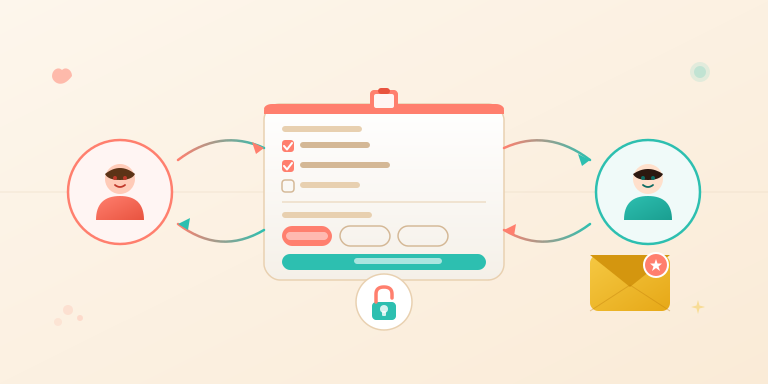
The quiz is perhaps the highest-return tool in the modern e-commerce toolkit. A well-designed quiz provides value to the user—such as a personalized product recommendation—while simultaneously building a structured customer profile.
- The Intent Factor: A successful quiz must move the user toward a better result. If the questions feel like a survey for the brand’s benefit rather than a tool for the user’s discovery, engagement drops.
- Mapping to Action: Every answer should trigger a specific response in the ESP (Email Service Provider). If an answer doesn’t change the content of the follow-up email, the data is essentially wasted.
2. Post-Purchase Surveys
While quizzes work at the top of the funnel, surveys are the engines of retention. A survey sent 24 to 48 hours after delivery—asking, "Why did you buy this?" or "What were you hoping to achieve?"—provides context that analytics never could. This data allows for the creation of new segments, such as identifying gift-givers versus daily users, which drastically changes the tone of re-engagement campaigns.
3. The Preference Centre
The "unsubscribe" button is often the only option offered to customers who feel overwhelmed by email volume. A robust preference centre changes this dynamic, allowing subscribers to choose their content topics and frequency. This empowers the user, transforming them from a passive recipient into a curator of their own experience.
Implications: Building High-Conversion Programs
The transition to a zero-party data model has significant implications for how brands structure their internal operations and technology stacks.
Dynamic Segmentation
When a brand stores custom properties at the subscriber level, the entire email program becomes dynamic. For example, a "Welcome Flow" for a complete novice in a niche hobby should look entirely different from the sequence sent to a professional. By integrating platforms like Omnisend, brands can automate this process, ensuring that the right message reaches the right person based on the explicit preferences they provided on day one.
The "Trust" Dividend
There is an implicit contract in zero-party data: "I will tell you what I want, if you use that information to make my life easier." When brands honor this by sending relevant, tailored content, they build trust. This trust is a "bankable" asset—it reduces churn, increases lifetime value (LTV), and strengthens the brand-consumer relationship in a way that algorithmic retargeting never could.
Expert Perspective: Leveraging the Right Infrastructure
According to industry experts, the brands that win in the coming years will not necessarily have the largest email lists; they will have the most useful data and the systems to act on it.
The technical infrastructure must allow for the seamless integration of custom properties and dynamic segmentation. Platforms like Omnisend have gained traction precisely because they solve the "actionability" problem. By enabling brands to pass quiz and survey data directly into subscriber profiles, these tools turn spreadsheets of raw data into high-converting, automated workflows.
Addressing Migration Concerns
A common barrier to adopting advanced data platforms is the perceived cost and friction of switching providers. However, modern migration services have streamlined this process significantly. For example, many platforms now offer free, full-service migrations that move lists, flows, and templates in under a week. Furthermore, with the rising costs of SMS and email marketing, switching to an integrated, efficient platform can often result in significant cost savings—up to 35% in some cases—compared to legacy providers.
Final Thoughts: The Future of Permission-Based Marketing
The era of the "black box" algorithm is fading. As consumers become more protective of their digital footprint, they are becoming increasingly selective about which brands they engage with.
Zero-party data represents the ultimate manifestation of "permission-based marketing." It is a signal that a customer trusts a brand enough to provide the truth. By building the infrastructure to collect this information and the creativity to act on it, founders can move beyond the impersonal, "broadcast" style of marketing and begin building lasting relationships.
For any brand looking to earn its place in the inbox, the path forward is clear: Stop guessing, start asking, and build a program that values the subscriber’s input as much as their purchase. By leveraging specialized tools and focusing on the human element of data, brands can ensure that every email they send is not just a notification, but a welcome addition to the recipient’s day.