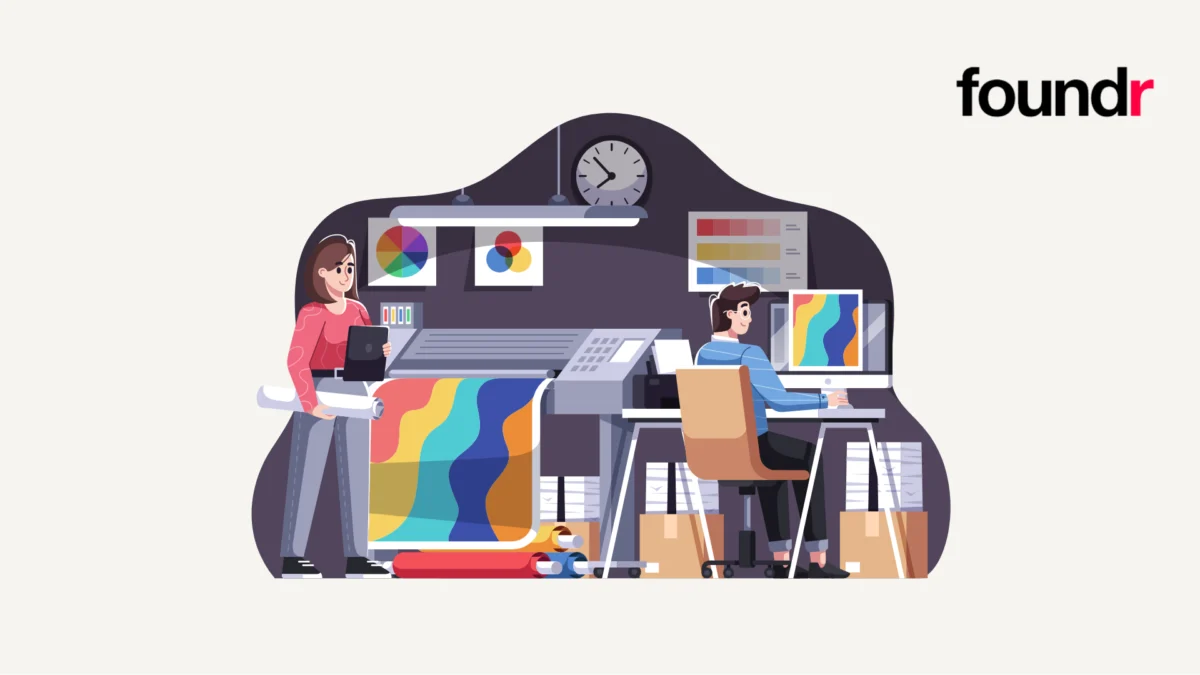
In the rapidly evolving world of e-commerce, the barrier to entry for aspiring entrepreneurs has never been lower, thanks in large part to the rise of print-on-demand (POD) services. Among the titans of this industry, Printful stands out as a foundational tool for creators, influencers, and small business owners. But what exactly is Printful, and how has it fundamentally altered the production line processes for modern startups?
Whether you are a seasoned merchant looking to diversify your supply chain or a budding entrepreneur testing your first product line, understanding the mechanics of Printful is essential. This guide explores the platform’s architecture, its strategic advantages, the inherent limitations of the POD model, and why it remains a cornerstone for businesses looking to scale with minimal risk.
The Core Concept: What is Printful?
At its most fundamental level, Printful is a white-label, print-on-demand fulfillment service. Unlike traditional retail models that require significant upfront capital to manufacture and store physical inventory, Printful operates on an "as-needed" basis.
When a customer makes a purchase on your website—be it through Shopify, Etsy, Amazon, or WooCommerce—the order is automatically routed to Printful. Their team then prints, packs, and ships the product directly to your customer under your brand’s name. This "behind-the-scenes" approach ensures that your brand remains the primary touchpoint for the customer, fostering loyalty without the logistical headache of managing a warehouse.
A Chronology of Growth
Printful did not emerge in a vacuum. Founded in 2013, the company was born out of a need to solve the very problems it now helps others avoid. In its early years, the founders—who were also running their own e-commerce shops—realized that the lack of reliable, high-quality, on-demand printing was a major bottleneck for growth.
By building their own internal production facilities rather than relying purely on third-party drop-shippers, they were able to exert greater control over quality. This pivot from a simple "app" to an integrated fulfillment network marked a shift in the industry, proving that tech-enabled logistics could empower individual creators to compete with major retailers.
The Strategic Advantages for Founders
The allure of Printful lies in its ability to mitigate risk. For many founders, the primary hurdle to starting a business is the fear of "dead stock"—products that fail to sell and end up collecting dust in a garage.
1. Zero Inventory Overhead
By eliminating the need to pre-purchase inventory, Printful frees up capital that can be reinvested into marketing, SEO, or brand development. This allows entrepreneurs to launch with a "lean startup" mentality, testing multiple designs and product variations without financial ruin if a specific item fails to gain traction.
2. Seamless E-commerce Integration
In the current digital ecosystem, speed is currency. Printful’s API-driven integrations with major platforms like Shopify, Etsy, and WooCommerce mean that a store can be up and running in a matter of hours. The platform also offers a robust mockup generator, which allows users to visualize their designs on actual products before they ever go live. This tool provides instant feedback, helping designers adjust placements or colors to ensure the final output meets professional standards.

3. Global Fulfillment Capabilities
Scaling a business internationally is notoriously difficult, particularly regarding shipping logistics. Printful has addressed this by establishing a massive network of fulfillment centers across the United States, Canada, and Europe. This geographic diversity significantly reduces shipping times and customs complications, allowing a creator in a home office to serve a global customer base effectively.
Supporting Data and Industry Trends
Data from the broader print-on-demand sector suggests that the market is expected to grow at a compound annual growth rate (CAGR) of over 25% through 2030. This growth is driven by the rise of "creator economy" platforms and the consumer preference for personalized, niche products.
In recent internal surveys, Printful users reported that the platform’s most valued feature is its consistency. While individual boutique printers might offer lower costs for bulk runs, they rarely provide the reliable, standardized output that a global network like Printful ensures. Furthermore, the absence of minimum order quantities (MOQs) is consistently cited as the primary reason small businesses choose the platform over traditional wholesale manufacturers.
The Inherent Drawbacks: A Balanced View
Despite its dominance, Printful is not a silver bullet. For businesses aiming to maximize profit margins, the POD model presents specific, unavoidable challenges.
The Margin Squeeze
Because you are paying for the convenience of on-demand fulfillment, the per-unit cost of a Printful product is significantly higher than if you were to order 1,000 units from a wholesaler. For high-volume brands, this translates into lower profit margins. Many successful entrepreneurs treat Printful as an "incubation" phase—a place to build a brand and validate designs—before transitioning to traditional manufacturing for their best-selling items.
Quality Control and Customization Limits
While Printful maintains high standards, the nature of digital printing means there are limits to customization. Complex print placements (such as edge-to-edge printing on certain fabrics) or specific types of embroidery can be restricted by the hardware used. Moreover, because you are not physically handling the product before it reaches the customer, you are reliant on the platform’s QC team. If an order is misprinted, it is your brand’s reputation on the line, necessitating a proactive and customer-centric support strategy.
Official Stance and Future Outlook
Printful has publicly emphasized its commitment to sustainability and technology. By only producing what is ordered, the company effectively addresses the "overproduction" problem that plagues the traditional fashion industry, where millions of unsold garments end up in landfills every year.
Looking forward, the company is investing heavily in AI-driven design tools and faster printing technologies (such as Direct-to-Garment 2.0). These innovations are designed to bridge the gap between "on-demand" and "custom-made," allowing for even more intricate designs and faster turnaround times.
Implications for Your Business
If you are currently evaluating your supply chain, consider your current stage of growth.
- The Testing Phase: If you are unsure which designs will resonate with your audience, Printful is arguably the most powerful tool available. The ability to launch 50 designs in a week without spending a cent on inventory is a competitive advantage that was unimaginable two decades ago.
- The Scaling Phase: Once you have a "hero product" that consistently sells 500+ units a month, it is time to perform a cost-benefit analysis. Calculate the margin difference between POD and bulk manufacturing. If the savings from moving to a wholesaler outweigh the risks of inventory management, that is your signal to evolve.
Final Thoughts
Printful is not just a printer; it is an infrastructure provider for the modern entrepreneur. By removing the logistical barriers of manufacturing and shipping, it allows you to focus on what matters most: the brand and the design.
For those looking to deepen their expertise, platforms like Foundr+ provide comprehensive, expert-led training on navigating the complexities of POD. From mastering the Printful dashboard to optimizing your store for conversions, the path to building a sustainable, profitable e-commerce brand is clearer than ever.
The question is no longer "what is Printful?" but rather, "what will you create with it?"
Frequently Asked Questions
Is the quality of Printful products consistent?
Yes, Printful utilizes professional-grade Kornit printers and high-quality inks. However, because they use a digital printing process, it is important to upload high-resolution files (300 DPI) to ensure the best results.
Can I include my own branding in the packaging?
Yes. Printful offers "branding options" where you can add custom packing slips, labels, and even stickers to your shipments, ensuring the unboxing experience feels authentic to your brand.
How do I handle returns?
Printful has a clear policy for lost or damaged shipments. As a business owner, you should clearly outline your own return policy on your website, ensuring that you have a buffer to account for the rare instances where a product does not meet the customer’s expectations.
Is Printful suitable for large-scale operations?
Many high-volume brands use Printful indefinitely due to the convenience of their global distribution network. While you may save money with bulk production, you lose the "zero-inventory" agility that Printful provides. The best strategy is often a hybrid model: use Printful for your main catalog and bulk-order your top-selling items to keep on hand.