India has officially ascended to the title of the world’s most populous nation, yet for global retailers, the country remains a paradox. While the market is massive, its e-commerce penetration is surprisingly shallow compared to the mature digital economies of China, the United States, or the European Union. However, this is not a sign of stagnation—it is the prelude to an unprecedented explosion in consumer spending.
As global brands navigate the complex regulatory environment—often involving intricate paths like local partnerships, cross-border distribution, or direct-to-consumer (D2C) models—many encounter a harsh reality: entering the market is not enough. Success requires a deep, almost intuitive understanding of the Indian consumer. The following analysis explores how a new wave of homegrown brands has successfully captured the hearts of India’s Gen Z and Millennial demographic, which now accounts for roughly half of the country’s 1.46 billion people.
Main Facts: The Anatomy of a Successful Market Entry
Foreign merchants often fail in India because they mistake "size" for "homogeneity." The Indian market is a fragmented landscape of diverse regional tastes, price sensitivities, and aspirational shifts. The brands that have thrived—Blue Tokai, Minimalist, Snitch, and Mokobara—share a common denominator: they do not simply sell products; they solve specific "pain points" for the modern Indian consumer.

These companies have mastered the "Goldilocks" strategy: products that are priced higher than budget goods but significantly more affordable than global luxury imports, all while maintaining high-quality standards that previously only existed in the West.
Chronology of Disruption
To understand the current landscape, one must look at the timeline of the "D2C Revolution" in India, which gained significant momentum following the pandemic-induced digital shift.
- 2013: The Coffee Awakening. Blue Tokai launches, betting that India’s tea-drinking culture is ready for a premium, local coffee experience.
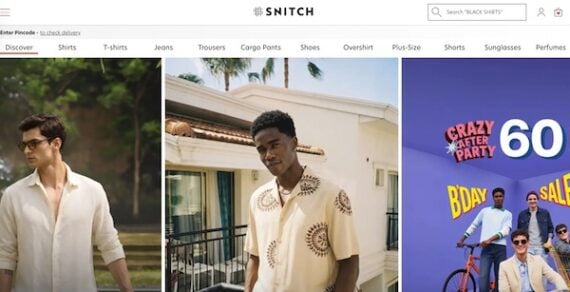
- 2019: The Fast-Fashion Pivot. Snitch begins as a B2B player before recognizing the potential of the online D2C market, fundamentally changing its business model to cater to the speed of social media trends.
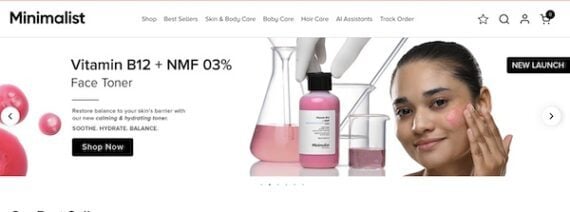
- 2020: The Transparency Wave. Minimalist enters the beauty space, betting on the efficacy of active ingredients over the traditional "miracle cream" marketing of legacy conglomerates.
- 2020: The Travel Upgrade. Mokobara identifies a massive gap in the luggage market between unbranded, low-quality bags and prohibitively expensive global luxury brands.
- 2025: Validation. The sector receives a massive stamp of approval when Hindustan Unilever acquires a 90% stake in Minimalist for $350 million, signaling that the era of the "challenger brand" has arrived.
Supporting Data: Why These Brands Win
Blue Tokai: Redefining the Coffee Culture
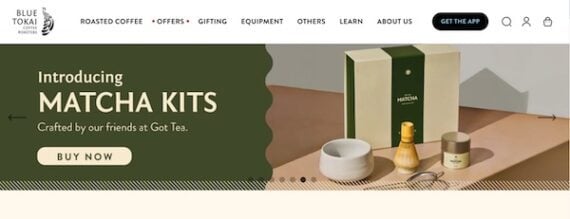
India’s coffee landscape was long dominated by instant coffee giants. Blue Tokai transformed the market by treating coffee as a craft rather than a commodity. By opening 240 stores that emphasize the origin, roast, and tasting notes of the beans, they created a premium "Third Wave" experience. Crucially, they priced their offerings 25% lower than global rivals like Starbucks, making them accessible to the urban middle class. Their success triggered a wave of copycat competitors, effectively shifting the national palate.
Minimalist: The Power of Ingredient-Led Beauty
Before 2020, Indian skincare marketing was often driven by celebrity endorsements and vague promises. Minimalist disrupted this by betting on "radical transparency." By listing every ingredient on the packaging and educating the consumer on their function, they built trust with an increasingly educated, skeptical demographic. Their lean, in-house manufacturing model allows them to avoid the "discount trap" that claims so many e-commerce ventures, leading to their highly profitable acquisition by Hindustan Unilever.
Snitch: The "Zara" Model for India
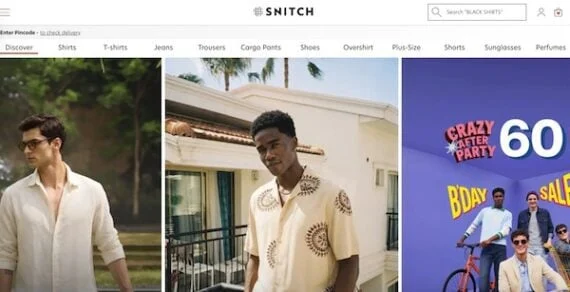
Snitch’s growth trajectory is a masterclass in supply chain efficiency. By utilizing AI to track social media sentiment, they can identify fashion trends in real-time. Their design-to-shelf cycle is an astonishing 25 days or less. By releasing 10 new styles daily in small batches, they keep their inventory fresh and minimize the risk of unsold stock—a common killer of fashion retailers. Currently, 90% of their revenue is generated through their own D2C digital channels.
Mokobara: The "Quick Commerce" Pioneer
Luggage was historically a "set it and forget it" purchase. Mokobara turned it into a fashion accessory. By offering durable, aesthetic, and functional designs at a mid-tier price point, they displaced legacy giants like Samsonite and Safari in the minds of young professionals. Their integration into India’s burgeoning "quick commerce" ecosystem—offering delivery in under 30 minutes—has set a new standard for customer service in the retail industry.
Official Responses and Strategic Implications
The rise of these brands has forced global legacy retailers to rethink their India strategy. Industry experts note that "localization" is no longer just about hiring local staff; it is about localizing the entire value chain.
- Supply Chain Agility: As evidenced by Snitch, the ability to pivot production based on real-time data is now a prerequisite. The days of shipping seasonal inventory from global hubs are fading.
- Transparency as a Marketing Tool: Minimalist’s success proves that Indian consumers—especially the younger generation—are shifting away from brand-heavy, hype-driven marketing toward data-driven, evidence-based purchasing.
- The "Premium-Mass" Middle Ground: The most significant implication for foreign brands is the existence of a "missing middle." There is a massive, underserved segment of the population that can afford more than the cheapest options but is priced out of global luxury. This is where the highest growth potential resides.
Implications for Future Market Entrants
For any international brand eyeing the Indian market, the lessons are clear:
- Avoid the "India-as-a-Dumping-Ground" Mentality: Indian consumers are sophisticated and hyper-connected. They expect the same standards of quality and service as consumers in New York or London, but with a price point that respects the local economy.
- Embrace the D2C Ecosystem: India’s digital infrastructure, supported by the Unified Payments Interface (UPI) and rapidly improving logistics, allows for a direct relationship with the consumer. Relying solely on legacy distributors may limit a brand’s ability to gather the user data necessary to compete.
- Community Over Hype: Successful brands like Blue Tokai didn’t just spend money on ads; they built communities. They educated their customers, engaged with them on social media, and created a brand identity that felt "native" to the Indian experience.
The Path Forward
The next decade in India will be defined by the "Great Consumption Transition." As millions move into the middle class, they will not just be buying more things; they will be buying better things. The brands that win will be those that respect the country’s unique cultural fabric while leveraging the world-class technological tools that are rapidly reshaping the Indian retail landscape.
The success of these four homegrown companies serves as a blueprint. It is a reminder that in India, the winner is not necessarily the brand with the deepest pockets, but the brand that best understands the shifting desires of a young, ambitious, and increasingly digital population. Whether global brands can pivot fast enough to meet this challenge remains the most significant question for the retail sector in the coming years.