In the highly automated landscape of digital advertising, maximizing return on ad spend (ROAS) requires a critical examination of platform defaults. For search marketers, one of the most persistent and debated default settings is the inclusion of "Search Partners" in campaign configurations.
While Google positions the Search Partner network as an effortless mechanism to extend reach beyond the standard Google Search Engine Results Page (SERP), a growing cohort of digital marketing experts warns that this traffic often fails to deliver meaningful business value. For most advertisers, leaving this default option checked acts as a silent drain on marketing budgets, delivering high click volumes but negligible conversion rates.
Main Facts: What are Google Search Partners?
Google Search Partners are third-party websites and platforms that utilize Google’s search technology to power their internal search results. When a user inputs a query on one of these partner networks, text and shopping ads from Google Ads campaigns can appear alongside the organic results.
The network is vast and highly diverse, encompassing:
- Major Platforms: High-profile properties like YouTube.
- Secondary Search Engines: Independent search portals and regional directories.
- Domain Parking Sites: "Parked domains" that consist primarily of ad listings and placeholder content.
- E-commerce and Directory Sites: Internal search bars on retail, directory, and classified portals.
+------------------------------------------------------------+
|                     GOOGLE ADS ECOSYSTEM                   |
+----------------------------+-------------------------------+
                             |
         +-------------------+-------------------+
         |                                       |
         v                                       v
+------------------+                   +------------------+
|   Google SERP    |                   | Search Partners  |
|  (Google.com)    |                   | (Third-party,    |
+------------------+                   |  YouTube, etc.)  |
                                       +------------------+
While the allure of Search Partners lies in its scale and lower average cost-per-click (CPC), industry practitioners report that the quality of this traffic is frequently substandard. Advertisers routinely observe high click-through rates (CTR) on these networks that do not translate into bottom-line revenue. Instead, these clicks often represent accidental user behavior, low-intent browsing, or automated bot activity.
Chronology: The Evolution of Search Partners and Platform Autonomy
To understand the current friction surrounding Search Partners, it is necessary to examine how Google’s campaign architecture has evolved over the past decade.
[Early 2010s] -----------------> [Late 2010s] -----------> [2021-2023] ----------> [Present (2026)]
Granular Control                 Smart Bidding             Performance Max          Pervasive Automation
Opt-out was standard             AI optimizes spend        Opt-out removed for      Search Partners mandatory
for precise targeting. across networks. all-in-one campaigns. for automated campaign types.- The Era of Granular Control (Early 2010s): Historically, search engine marketing (SEM) was characterized by granular, manual controls. Advertisers could meticulously opt in or out of specific networks, search partners, and device types to maintain strict control over where their ad dollars were allocated.
- The Transition to Smart Bidding (Late 2010s): As Google integrated machine learning into its bidding infrastructure, the platform encouraged advertisers to keep Search Partners enabled. The argument was that Google’s bidding algorithms could automatically detect poor-performing placements and reduce bids accordingly, mitigating the risk of wasted spend.
- The Launch of Performance Max (2021–2023): With the introduction of Performance Max (PMax), Google shifted toward an all-in-one campaign type that consolidated Search, Display, YouTube, Discover, and Maps. In PMax campaigns, the option to opt out of Search Partners was completely removed, cementing the network as a mandatory component of Google’s automated inventory.
- The Modern Landscape (2026): Today, automation is the default setting across the Google Ads ecosystem. While traditional Search and Shopping campaigns still retain an opt-out toggle for Search Partners, new campaigns are pre-checked by default. Marketers must actively audit their campaigns to bypass these automated networks.
Supporting Data & Technical Analysis: Search Partners vs. Google Display Network
A common point of confusion among advertisers is the difference between the Google Search Partner network and the Google Display Network (GDN). While a single website can participate in both networks, their underlying targeting mechanics and user intent profiles are fundamentally different.
| Feature | Google Search Partners | Google Display Network (GDN) |
|---|---|---|
| Primary Ad Format | Text ads, Shopping ads | Image ads, HTML5 banners, Native ads |
| Targeting Basis | Active search queries (Intent-driven) | Contextual relevance, audiences, demographics |
| Campaign Compatibility | Search, Shopping, Performance Max | Demand Gen, Video, Performance Max |
| User State | Active search behavior | Passive browsing, reading, or app usage |
The Traffic Quality Disconnect
Data compiled by independent PPC strategists reveals a clear pattern when comparing core Google Search performance against Search Partner performance.
Typically, Search Partner placements exhibit:
- Lower Average CPCs: Clicks on partner sites are often priced significantly lower than bids on the premium Google SERP.
- Volatile CTRs: Depending on the placement (such as parked domains or accidental clicks on mobile apps), CTR can spike artificially without a corresponding lift in conversions.
- Low Conversion Rates (CVR): Unless an advertiser is tracking "shallow" micro-conversions—such as page views, newsletter sign-ups, or basic button clicks—the conversion rate for high-value actions (like purchases or qualified B2B lead forms) on Search Partners is near zero.
The Smart Bidding Paradox
Google’s Smart Bidding algorithms (such as Target CPA or Target ROAS) are designed to optimize budgets based on historical performance. In theory, if Search Partners fail to convert, the algorithm should naturally scale back spend on those placements.
In practice, however, this mechanism is highly dependent on the quality of the advertiser’s conversion tracking. If a campaign is optimized for easily triggered, bot-susceptible actions, the bidding algorithm may misinterpret high-volume, low-quality conversions on partner sites as a success. Consequently, the system will continue to funnel budget into Search Partners, creating an artificial loop of low-value ad spend.
Official Responses and Industry Perspectives
The debate over Search Partners highlights a fundamental tension in digital advertising: Google’s drive for automated scale versus the advertiser’s demand for transparency and control.
Google’s Official Stance
Google maintains that Search Partners provide a valuable opportunity for advertisers to capture incremental search volume at a lower cost. The official documentation emphasizes that:
- Search Partners expand the reach of Google Search ads to hundreds of non-Google websites.
- When combined with Smart Bidding, the system automatically adjusts bids to reflect the likelihood of a conversion on partner sites, protecting the advertiser’s average Cost Per Acquisition (CPA).
- The inclusion of partner networks allows campaigns to scale more effectively, especially in highly competitive niches where standard SERP real estate is limited and expensive.
The Practitioner’s Perspective
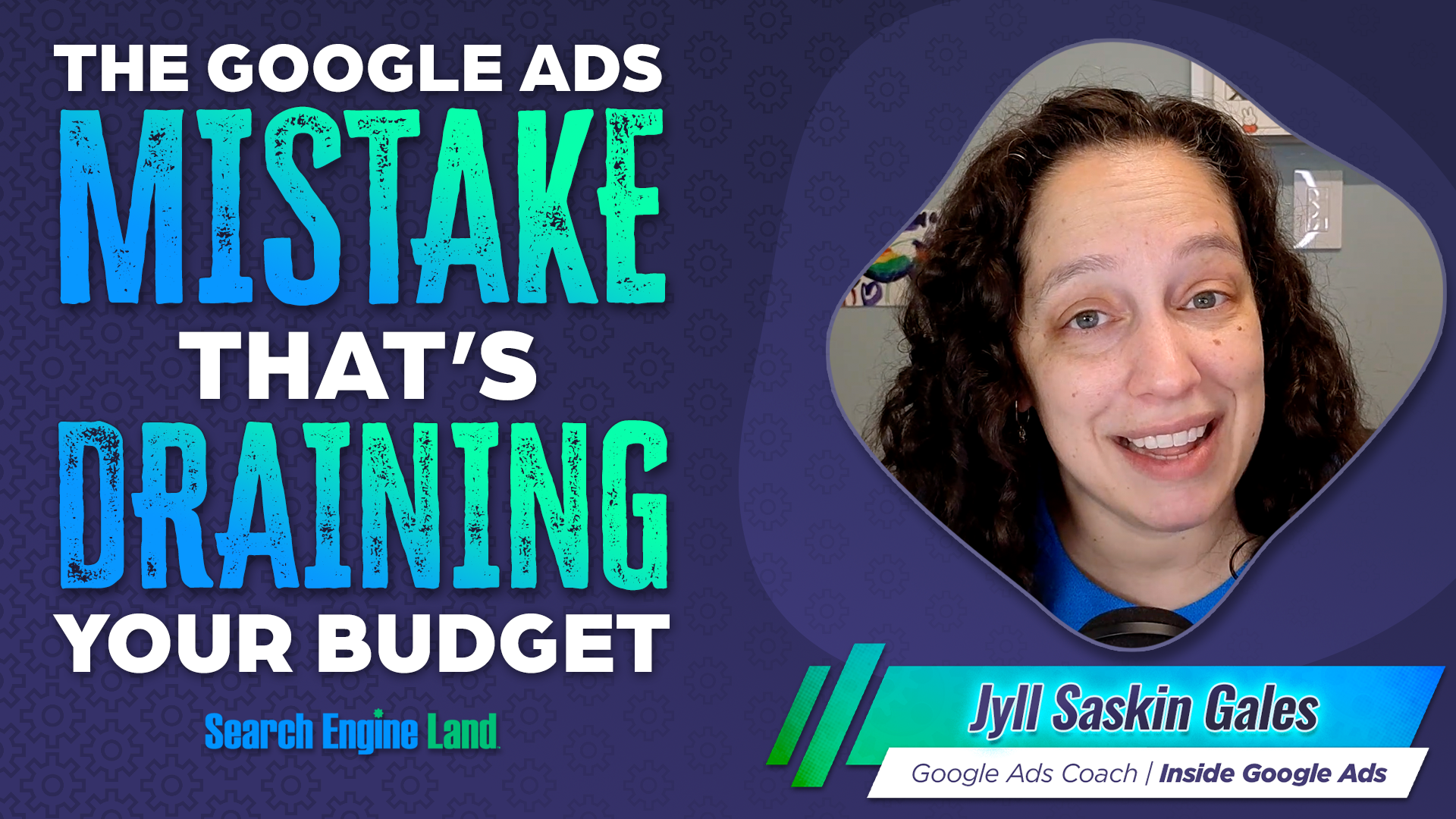
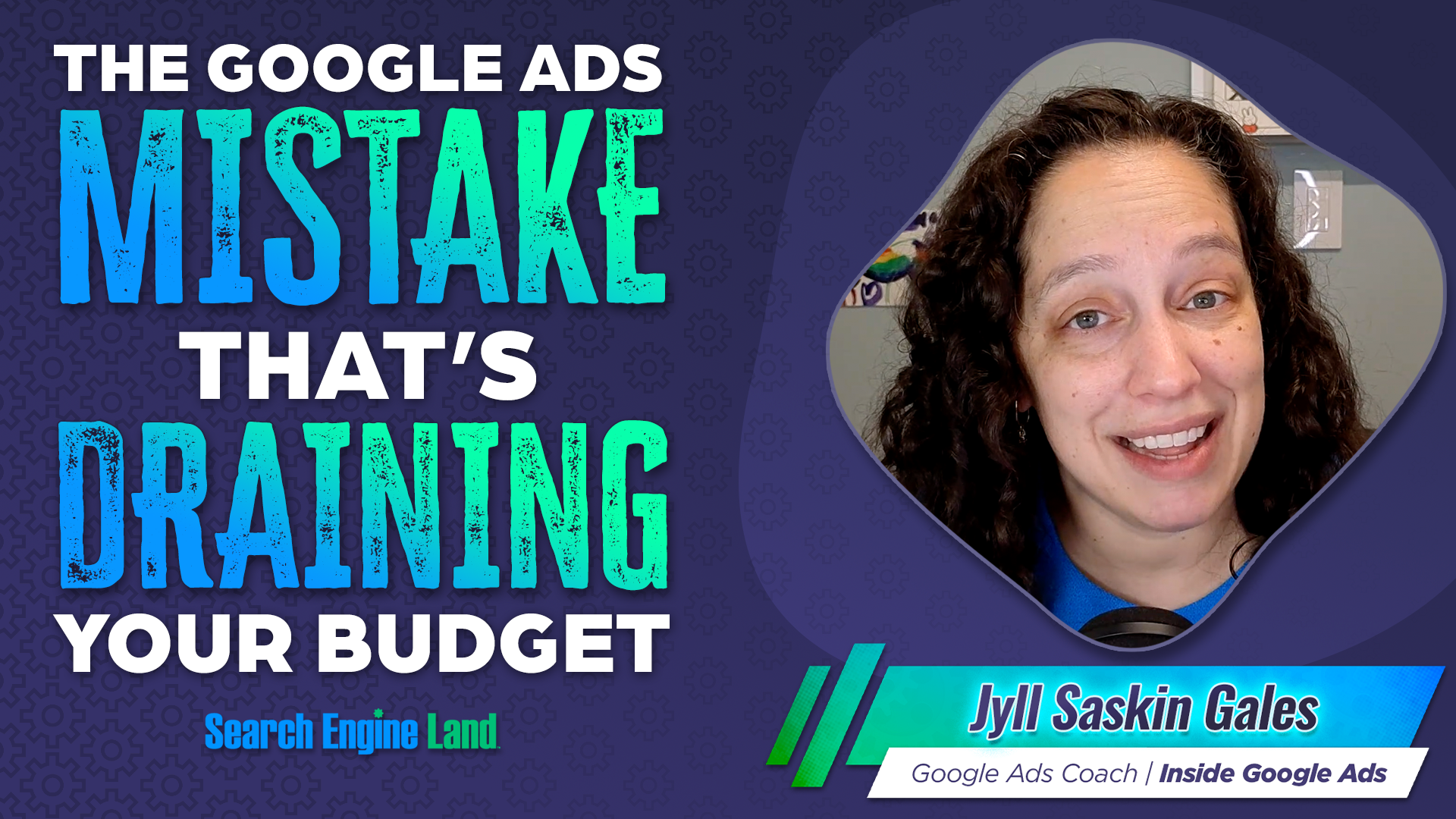
Independent digital marketing authorities offer a much more cautious perspective. Jyll Saskin Gales, a Google Ads coach, author, and former Google employee, advises a highly selective approach to the network.
"Most advertisers shouldn’t advertise on Search Partners," says Saskin Gales. "You may get plenty of clicks, and the cost per click is often much cheaper than Google Search, but you usually get what you pay for. Real conversions or meaningful business value from these placements are rare."
Saskin Gales highlights that while Smart Bidding can eventually suppress spend on underperforming partner sites, relying on this automated correction can be a costly process of trial and error.
For Performance Max campaigns—where opting out is not natively supported in the interface—Saskin Gales points out that high Search Partner spend is often a diagnostic red flag:
"If you see high Search Partners spend in a PMax campaign, it often indicates an issue with your conversion tracking or bid strategy settings."
Strategic Implications & Actionable Best Practices
For brands and agencies looking to optimize their media spend, managing Search Partner exposure requires a systematic, data-driven approach.
1. How to Audit Search Partner Performance (Search & Shopping)
Advertisers should not make assumptions about their traffic quality without first analyzing their own historical data. Google Ads allows users to isolate Search Partner performance through segmentation:
[Google Ads Dashboard]
   └── [Campaigns View]
          └── [Segment]
                 └── [Network (with search partners)]
This action splits campaign metrics into distinct rows: Google Search and Search Partners.
Advertisers should evaluate this split using the following criteria:
- Compare the Cost per Conversion between the two networks.
- Analyze the Conversion Rate (CVR) to determine if partner traffic is genuinely driving business outcomes.
- Verify that recorded conversions represent high-value actions (e.g., sales, completed checkout) rather than easily manipulated micro-conversions.
2. Identifying Placements via the Content Suitability Report
For greater transparency regarding where ads are serving, advertisers can utilize the Content Suitability report:
[Insights and reports]
   └── [Content Suitability]
          └── [Placement Exclusions]
This report displays the specific websites, directories, and YouTube channels where ads were displayed within the Search Partner network. Marketers should review this list regularly to identify and exclude low-quality or irrelevant domains.
+------------------------------------------------------------+
|                  CONTENT SUITABILITY AUDIT                 |
+------------------------------------------------------------+
|  Identify High-Spend / Low-Conversion Domains              |
|  -> Parked Domains                                         |
|  -> Low-Quality Forums                                     |
|  -> Irrelevant Local Directories                           |
+------------------------------------------------------------+
|  Action: Add to Account-Level Placement Exclusions          |
+------------------------------------------------------------+
3. Tactical Recommendations for New Campaigns
When launching new Google Ads campaigns, the safest strategy is to minimize unnecessary variables:
- Uncheck by Default: When building a new Search or Shopping campaign, uncheck the "Include Google Search Partners" option.
- Establish a Baseline: Run the campaign exclusively on the core Google SERP until stable, reliable conversion data is established.
- Test as a Scaling Tactic: Once a campaign is performing predictably and meeting its target CPA or ROAS, advertisers can opt into Search Partners as an A/B test to see if the network can deliver incremental volume without degrading overall campaign efficiency.
By taking a proactive, analytical approach to platform settings rather than relying on default configurations, search marketers can protect their budgets from low-quality placements and focus their spend on high-intent users.