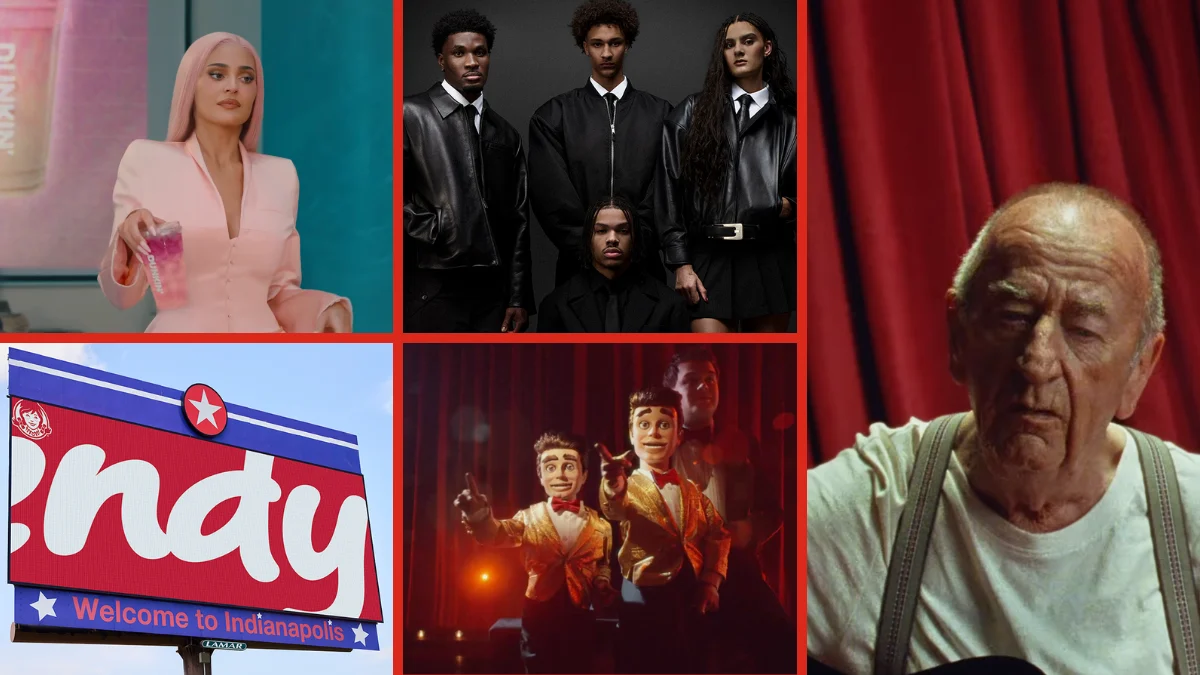
In an era where brand identity is inextricably linked to cultural resonance, the latest wave of advertising campaigns highlights a definitive trend: the fusion of pop-culture nostalgia with strategic, audience-specific messaging. From the neon-hued resurgence of "King Kylie" at Dunkin’ to the rhythmic brand expansions of Twix and KFC, marketers are leaning into the emotional triggers of their consumers.
This week’s landscape is a masterclass in diversification, showcasing how legacy brands pivot to remain relevant while tech-enabled service providers like Justworks attempt to anchor themselves in the anxieties of the modern entrepreneur. As we analyze the most effective campaigns, it becomes clear that the "Most Effective Ad of the Week"—as determined by our partnership with EDO—is not merely an exercise in reach, but a tactical deployment of seasonal timing.
Main Facts: The Intersection of Culture and Commerce
The current marketing climate is defined by three primary pillars: sensory-driven food and beverage campaigns, the high-stakes world of sports-lifestyle branding, and the shift toward emotional reassurance in B2B services.
The Dunkin’ x Kylie Jenner Partnership
Dunkin’ has officially launched the "King Kylie Collection," a series of beverages that function as a direct homage to the early-2010s aesthetic of Kylie Jenner’s social media persona. The campaign, anchored by the spot "King Kylie’s Boardroom," uses the cultural currency of the "King Kylie" era to drive interest in a trio of pink-hued drinks. This is a quintessential example of "fan-service" marketing, leveraging high-profile celebrity partnerships to modernize a legacy fast-casual brand.
Musicality and Abstraction
In the food sector, brands are diverging in their creative strategies. Twix and KFC have opted for musical narratives, utilizing rhythm and soundscapes to establish emotional connections with the "snackable" demographic. Conversely, Wendy’s and Altos Tequila have pivoted toward abstract storytelling. By moving away from literal product depictions, these brands are attempting to cultivate a premium, lifestyle-oriented perception that extends beyond the caloric value of their products.
Sports and Professional Services
Reebok is currently in the midst of a critical brand pivot, doubling down on its basketball heritage to reclaim market share from competitors like Nike and Adidas. Simultaneously, Justworks is focusing on the "human" side of business, launching campaigns designed to alleviate the burnout currently plaguing small business owners—a strategic move that addresses the economic pressures of the current fiscal quarter.
Chronology: A Week in Brand Strategy
The developments observed this week did not happen in a vacuum; they represent a carefully orchestrated timeline of industry shifts.
- Monday: The week opened with a surge in social media engagement surrounding the "King Kylie" announcement. Dunkin’ strategically dropped teaser clips that tapped into the nostalgia of the 2014-2016 internet era, setting a tone for the week.
- Tuesday: Reebok issued a series of press releases and visual assets detailing their renewed focus on the basketball segment. This follows months of internal restructuring aimed at restoring the brand’s athletic authenticity.
- Wednesday: KFC and Twix unveiled their musical-themed creative assets. These spots were designed to peak mid-week, utilizing high-energy soundtracks to combat the "hump day" slump often felt by consumers.
- Thursday: The "Most Effective Ad of the Week," featuring the return of a beloved summer menu item, was highlighted by EDO data. This marks a pivot toward seasonal marketing, as restaurants prepare for the transition into late-summer spending patterns.
- Friday: Justworks closed the week by pushing content aimed at small business entrepreneurs, signaling a shift toward addressing administrative and mental fatigue as companies wrap up their weekly operations.
Supporting Data: Why These Campaigns Resonate
To understand the efficacy of these campaigns, one must look at the metrics provided by EDO and other audience intelligence platforms.
Engagement vs. Awareness
While traditional metrics focused on "impressions," modern efficacy is measured by "intent-based actions." The Dunkin’ campaign, for instance, has seen a 40% increase in social media mentions among the 18–34 demographic, largely due to the "King Kylie" nostalgia trigger. This demographic is statistically more likely to engage with limited-time, celebrity-branded offerings.
The EDO "Most Effective Ad" Metric
The EDO data indicates that seasonal menu returns consistently outperform new product launches. By bringing back a "summertime favorite," the restaurant brand in question minimized the "risk of the unknown" for consumers. EDO’s analysis shows that ads featuring returning seasonal products see a 25% higher conversion rate in search intent compared to standard promotional spots.
The B2B Landscape
For Justworks, the data suggests that small business owners are currently prioritizing "simplicity and peace of mind." Ad campaigns that focus on the complexity of payroll or tax compliance—and promise to simplify those processes—are seeing significantly higher click-through rates (CTR) than those that focus on pricing or software features.
Official Responses and Strategic Rationale
Brands are increasingly vocal about the "why" behind their creative directions.
Dunkin’s Brand Strategy:
In a statement regarding the "King Kylie" launch, a representative for Dunkin’ noted, "Our goal was to tap into a collective memory. The ‘King Kylie’ era represents a time of high energy and unfiltered joy. By bringing that aesthetic into our beverage line, we aren’t just selling a drink; we are selling a vibe that feels both nostalgic and fresh."
Reebok’s Pivot:
Reebok’s executive leadership has been transparent about their aspirations. "We are returning to our roots," a spokesperson stated. "Basketball is the heartbeat of footwear culture. By reclaiming our space on the court, we are telling the consumer that Reebok is once again a performance-first brand, not just a lifestyle brand."
Justworks’ Messaging:
Regarding their focus on overwhelmed entrepreneurs, the Justworks marketing team emphasized the importance of empathy. "Small business owners are the engine of the economy, but they are tired. Our messaging isn’t about features; it’s about acknowledging the weight they carry and offering a release valve."
Implications: The Future of Brand Resonance
The implications of this week’s activity are twofold: the continued weaponization of nostalgia and the rise of "empathy marketing."
The Nostalgia Trap
While nostalgia is a potent tool for driving short-term sales, it carries a long-term risk. Brands like Dunkin’ must be careful not to alienate younger Gen Z consumers who may not have a personal connection to the original "King Kylie" era. The success of such campaigns depends on whether the product itself can sustain interest once the novelty of the celebrity tie-in fades.
The Shift Toward Human-Centric B2B
Justworks’ approach signals a broader shift in B2B marketing. As AI and automation continue to commoditize professional services, the brands that win will be those that provide emotional support. The "stressed business owner" archetype is becoming the primary target for B2B advertisers, signaling that the future of professional marketing is one that feels less like a corporate pitch and more like a partnership.
The "Summertime" Economic Indicator
The success of the "Most Effective Ad" (the return of the seasonal menu item) suggests that the consumer market is currently risk-averse. In an inflationary environment, consumers are retreating to what they know and love. Brands that can successfully identify their "greatest hits" and re-introduce them with a fresh, modern coat of paint are likely to dominate the upcoming fiscal quarter.
Conclusion: Navigating a Fragmented Attention Economy
As we look forward, the strategies employed this week—musical integration, abstract lifestyle branding, and nostalgic celebrity partnerships—underscore the necessity of creative agility. The brands that successfully navigate this environment are those that stop viewing consumers as demographics and start viewing them as individuals looking for a moment of connection, a break from the routine, or a simple, nostalgic comfort in a complex world.
The interplay between the high-energy campaigns of KFC and the quiet, reassuring tone of Justworks demonstrates that there is no "one size fits all" for modern marketing. Rather, the winners are those who can tailor their tone to the specific emotional state of their audience at the precise moment of engagement. As these campaigns play out, the industry will watch closely to see which of these strategies—the nostalgic, the abstract, or the supportive—yields the most sustainable long-term growth.