In the traditional landscape of professional services, the sales process has long been defined by a fundamental imbalance: the service provider spends hours, if not days, crafting a pitch, hoping to convince a prospect to invest. It is a labor-intensive, often speculative endeavor characterized by the anxious question, "Will they choose me?"
However, a paradigm shift is underway. Digital marketing consultant and AI strategist Etan Polinger has pioneered a workflow that effectively collapses this dynamic. By leveraging artificial intelligence to perform high-level research, brand matching, and rapid prototyping, Polinger has demonstrated that it is possible to enter a first meeting not as a petitioner, but as a partner who has already delivered tangible value. This approach, which recently resulted in a $12,000 deal, is transforming the way consultants sell their expertise.
The Paradigm Shift: From Pitching to Proof
The core philosophy behind Polinger’s method is simple yet profound: stop selling promises and start delivering results. Most sales efforts fail because they are abstract; the client is asked to trust the service provider’s vision.
By utilizing AI to accelerate the preparation phase, a single consultant or a small team can now achieve what previously required a boutique agency’s worth of resources. This "pre-work" is no longer a burdensome expense but a strategic investment. When a prospect encounters a consultant who arrives with a working prototype, a custom style guide, and a deep understanding of their specific market pain points, the power dynamic in the room shifts. The prospect is no longer evaluating a sales pitch; they are evaluating a functional, ready-to-deploy solution.
In Polinger’s experience, this strategy does more than increase the close rate—it changes the nature of the relationship. "When you show up this prepared," Polinger notes, "the question isn’t whether they want you. The question becomes whether you have the bandwidth to take them on."
A Chronology of the $12,000 Workflow
The efficacy of this workflow is best illustrated by a recent engagement where Polinger successfully closed a high-value contract after identifying a prospect in an online professional community. The process moved from initial contact to a signed deal through four distinct, AI-driven phases.
Phase 1: Identifying the Core Need
The process began with a simple, unsolicited request from a potential client seeking a custom digital widget. Rather than launching into a generic sales script, Polinger treated the request as a data point. He fed the prospect’s inquiry into an LLM (Large Language Model) with a targeted prompt: "I just saw this message. What do they want? Answer in one sentence that anyone can understand."
By stripping away technical jargon, Polinger was able to distill the prospect’s request to its essential outcome. This prevented him from getting bogged down in "the how" and allowed him to focus on "the why." Once the outcome was clear, the next step was to confirm capability and initiate deep research.
Phase 2: The Deep Research Sprint
Polinger conducts three separate, intensive research passes, each designed to isolate a specific variable: the individual decision-maker, the company’s business model, and the broader market landscape.
- The Individual: By analyzing podcast transcripts, YouTube appearances, and social media activity, Polinger profiles the prospect’s communication style and core values. This allows him to mirror their language during the presentation.
- The Company: For larger organizations, he scrapes website data and financial reports. For smaller entities, he analyzes public signals and mission statements to understand their operational goals.
- The Market: By analyzing job postings and industry competitors, he identifies the "why" behind the company’s current direction. This market awareness provides a safety net; if the prospect expresses hesitation about a custom solution, Polinger is already equipped to pivot to an off-the-shelf alternative.
Phase 3: AI-Driven Brand Alignment
One of the most intimidating parts of a pitch is creating collateral that feels like it belongs to the client’s brand. Polinger bypasses the need for high-end designers by utilizing browser extensions like WhatFont and ColorZilla to extract the brand’s DNA.

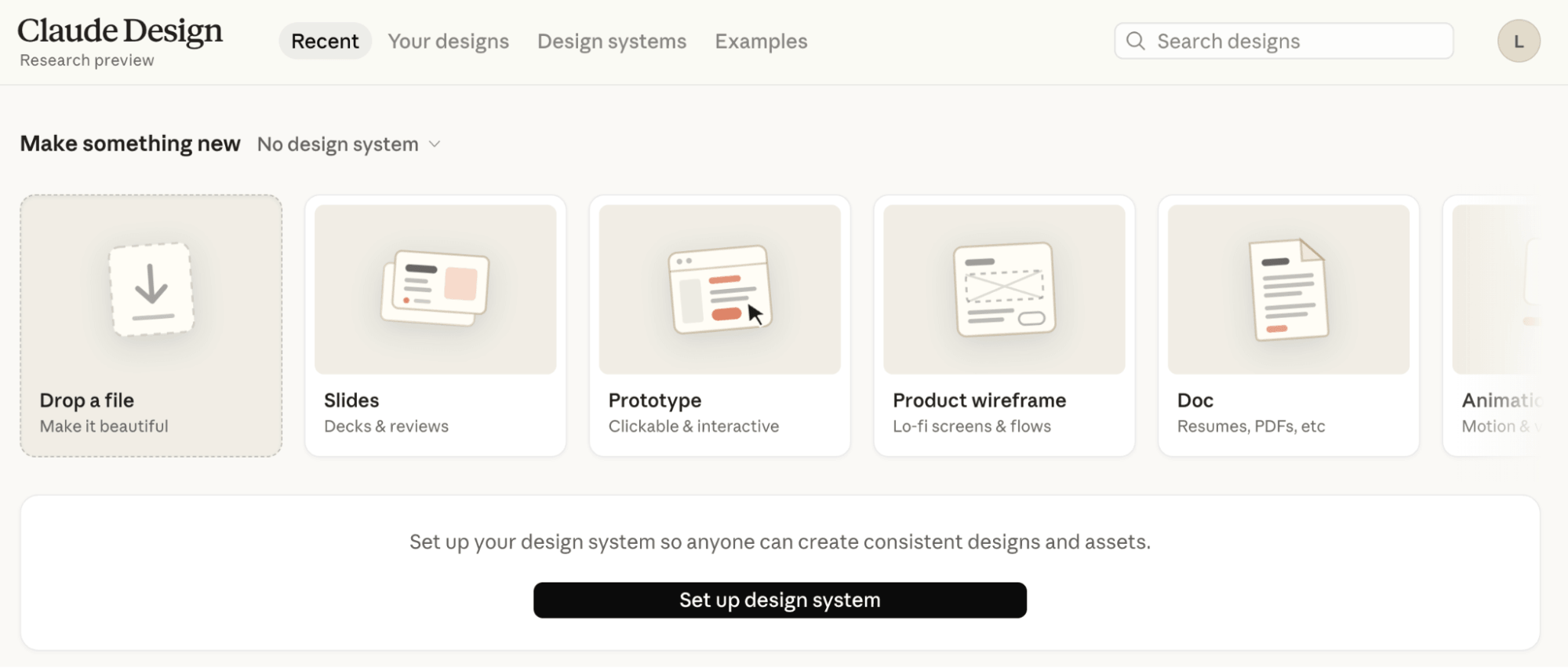
He then inputs these assets into Claude Design or similar AI tools. The AI generates a comprehensive style guide, including code snippets for headers, footers, data visualizations, and UI elements. The result is a prototype that is visually indistinguishable from the client’s existing digital presence, providing an immediate sense of familiarity and professional trust.
Phase 4: The Final Prototype and Presentation
The final stage is the "vibe coding" phase. Using a coding environment like Claude Code or Replit, Polinger instructs the AI to build a functional prototype using the previously generated style guide. Within four hours of total preparation, he arrives at the meeting with a live, interactive asset. During the presentation, he uses this "finished reality" to anchor his pitch, effectively rendering the competition irrelevant.
Data-Driven Efficiency: The Role of AI Compute
The primary driver of this transformation is the increased compute capacity of modern AI models. By breaking down the research and development phases into discrete tasks, the user can maximize the model’s depth for each specific category.
According to Polinger, the entire research and synthesis process takes approximately one hour of human time. The "vibe coding" of the prototype—while previously a multi-day project—can now be executed in a fraction of that time. This democratization of production means that individual consultants are now operating with the output capabilities of a full-service agency.
Official Perspectives on the AI Sales Frontier
Industry experts argue that this trend represents the "commoditization of expertise." When the barrier to creating high-quality, on-brand assets is lowered, the value proposition for the service provider shifts away from production and toward strategy.

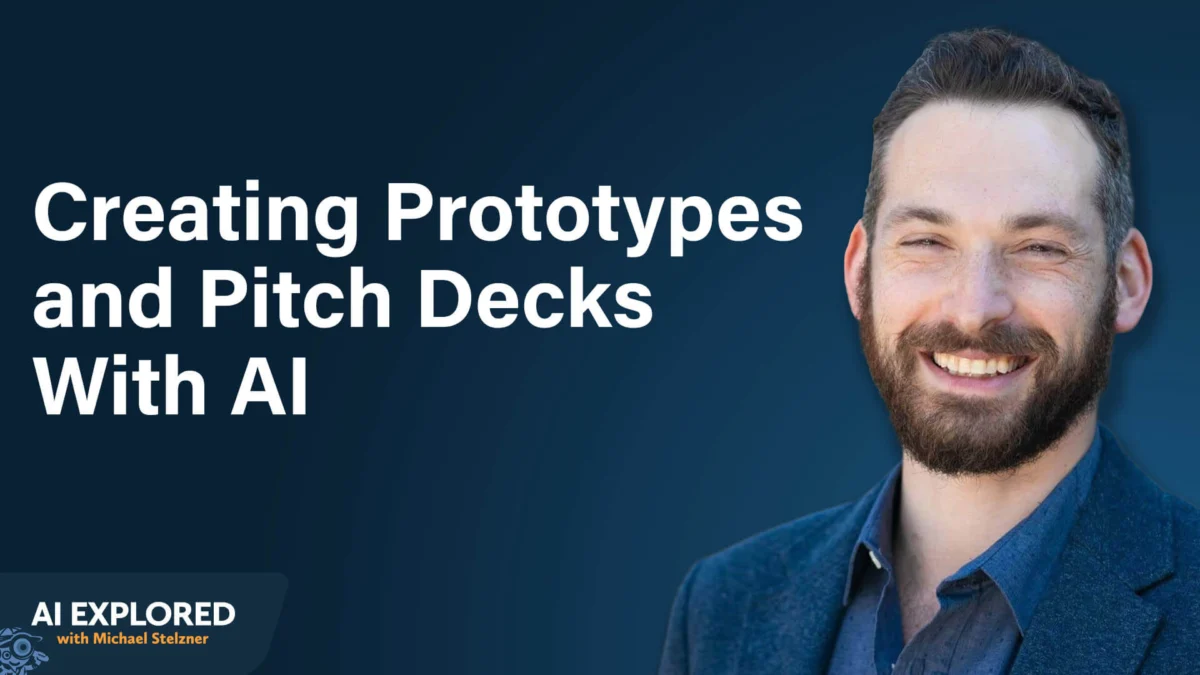
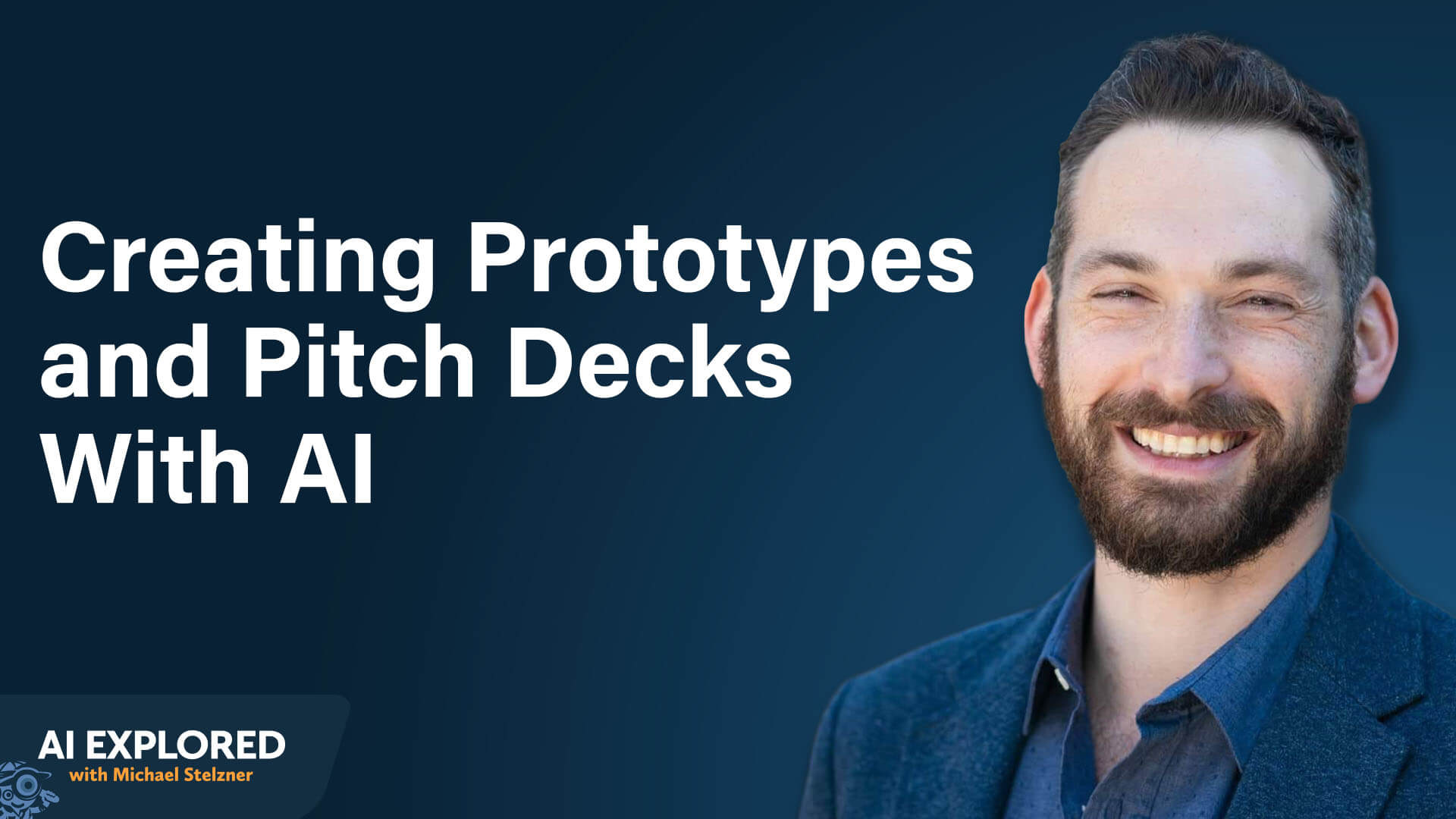
"The goal is not to automate the relationship," says Michael Stelzner, who co-created the study of this workflow with Polinger. "The goal is to automate the friction. By removing the time-consuming tasks of research and initial design, the consultant is freed up to engage in higher-level strategic consulting."
This sentiment is echoed across the tech industry, where the focus is moving from generative content to "agentic" workflows. These are not just chatbots that answer questions; they are systems that execute end-to-end tasks, from initial discovery to final code deployment.
Implications for the Future of Work
The implications for the digital marketing and consulting sectors are significant. First, the "first meeting" is no longer a discovery call; it is a demonstration. This puts immense pressure on service providers to be more selective about which prospects they engage with, as the "cost of entry" (the preparation time) is higher than in the traditional cold-call model.
Second, the competitive landscape is tightening. If a consultant can provide a working prototype in four hours, the client will quickly come to expect that level of preparedness from all vendors. This raises the bar for professional standards across the board.
Finally, this workflow highlights the necessity of "AI fluency." It is not enough to simply use AI for email drafting; the modern consultant must be able to orchestrate complex, multi-step workflows that integrate research, design, and development.
Conclusion: A New Standard of Professionalism
The story of the $12,000 deal is a case study in the power of proactive value delivery. By utilizing AI to compress the timeline between intent and implementation, Etan Polinger has demonstrated that the most effective sales tactic is no longer a pitch—it is proof.
As AI tools continue to evolve, the ability to build, iterate, and demonstrate value in real-time will likely become the primary differentiator between those who struggle to win contracts and those who dictate the terms of their own professional success. The future of selling is not about convincing a client of what could be done; it is about showing them exactly what has already been done for their specific brand.