NEW YORK — The global marketing landscape is experiencing a profound period of transformation. As brands navigate shifting consumer behaviors, volatile economic landscapes, and the relentless pressure to innovate across digital ecosystems, the executive suites overseeing these enterprises are undergoing a massive realignment.
Nowhere is this more evident than at the highest levels of corporate brand stewardship. This week has brought a fresh wave of high-profile hires, strategic promotions, and significant exits across major U.S. and global organizations. Chief among them is the departure of Mark Weinstein, a veteran executive who has spent the last decade and a half shaping the public face, customer experience, and global portfolio strategy of hospitality giant Hilton.
As marketers and industry leaders look toward the horizon to map out the future of consumer engagement, these structural changes at the top signal not just individual career transitions, but broader strategic pivots within some of the world’s most recognizable brands.
Main Facts
The defining headline of this week’s executive movement is the departure of Mark Weinstein, who has officially stepped down from his dual role as chief marketing officer and head of luxury brands at Hilton.
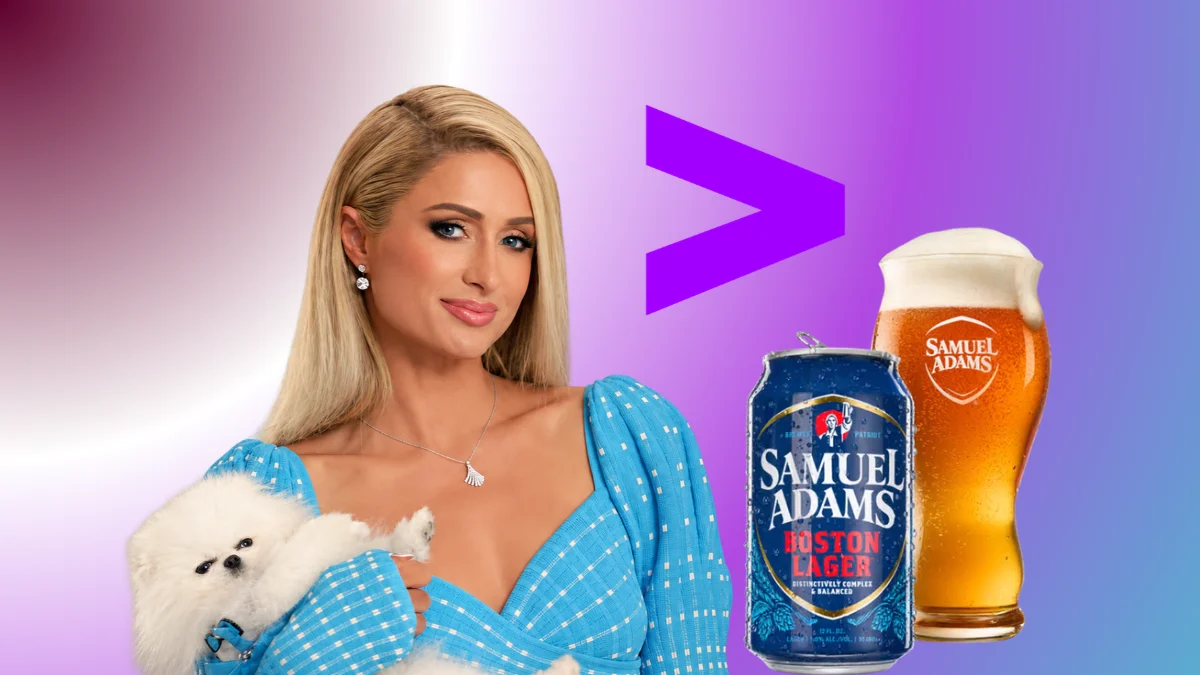
Weinstein’s exit concludes a remarkable 16-year tenure with the hospitality titan—a run that saw him rise through the corporate ranks from a senior marketing director to one of the most influential marketing voices in the global travel and tourism sector. During his time steering Hilton’s marketing apparatus, Weinstein was the mastermind behind several defining brand campaigns, most notably the launch of the company’s enterprise-wide "For the Stay" platform. That multi-channel initiative famously kicked off with a high-profile advertising series featuring celebrity entrepreneur and hospitality heir Paris Hilton, successfully modernizing the brand’s appeal for a younger, digitally native demographic while emphasizing the fundamental value of the physical hotel stay.
While Weinstein’s exit is the most notable hospitality departure of the period ending September 11, it is part of a broader, continuous churn of marketing leadership talent. Across retail, technology, consumer packaged goods, and finance, boards of directors and chief executive officers are re-evaluating their marketing leadership structures. The modern CMO role has expanded far beyond traditional advertising and communications into data analytics, customer experience architecture, digital transformation, and direct-to-consumer commerce. Consequently, companies are increasingly splitting roles, creating specialized portfolios, or bringing in outside talent with distinct technological and digital skill sets to future-proof their operations.
Chronology of Leadership Evolution
To understand the magnitude of Mark Weinstein’s departure from Hilton, it is necessary to examine the arc of his career and the historical context of his tenure within the company.
2010: The Entry Point
Mark Weinstein joined Hilton in 2010 as a senior marketing director. At the time, the hospitality industry was still recovering from the global financial crisis of 2008, and major hotel chains were just beginning to recognize the immense potential of digital marketing, loyalty programs, and brand segmentation. Weinstein quickly established himself as a strategic thinker capable of scaling marketing operations across a burgeoning portfolio of properties.
2010–2019: Rising Through the Ranks
Over the next decade, Weinstein held various leadership roles within Hilton’s commercial and marketing divisions. He played an instrumental role in the evolution of the Hilton Honors loyalty program, helping to turn it into a powerful data asset and customer retention engine. As the company expanded its lifestyle and luxury footprints—adding brands like Waldorf Astoria, Conrad, and LXR Hotels & Resorts—Weinstein’s responsibilities expanded in tandem, ultimately leading to his appointment as global CMO and head of luxury brands.
2022–2023: The "For the Stay" Era
One of the defining milestones of Weinstein’s executive career came with the rollout of the "For the Stay" brand platform. Launched to reinforce the idea that the hotel stay is the most important part of any trip, the campaign utilized unexpected pop-culture touchstones, including the multi-spot campaign featuring Paris Hilton alongside ordinary travelers. The campaign received widespread industry acclaim for breaking away from generic hospitality tropes and leaning into cultural humor and self-awareness.
September 2023–September 2025: Navigating Post-Pandemic Travel
In the wake of the global COVID-19 pandemic, Weinstein guided Hilton’s marketing through an unprecedented rebound in travel demand ("revenge travel"), balancing aggressive performance marketing with long-term brand equity building.
September 11: The Exit
Mark Weinstein officially steps down from his roles as CMO and head of luxury brands at Hilton, leaving behind a 16-year legacy and prompting industry-wide speculation regarding his next professional move and Hilton’s succession plans.
Supporting Data and Industry Context
The departure of a long-standing CMO like Weinstein occurs against a backdrop of historic instability and reinvention for the top marketing job. According to recent industry data from executive search firms and trade associations, the average tenure of a Fortune 500 Chief Marketing Officer has hovered between 3.5 and 4 years—significantly shorter than the tenure of CEOs, CFOs, and Chief Information Officers.
| Metric / Indicator | Industry Average / Context | Hilton Context (Mark Weinstein) |
|---|---|---|
| Average CMO Tenure | ~3.5 to 4 years (Fortune 500) | 16 years total tenure (multi-year CMO run) |
| Primary Pressures | Digital transformation, ROI accountability, shifting consumer privacy laws | Transitioning legacy hospitality brands into modern digital ecosystems |
| Key Strategic Focus | Direct-to-consumer, first-party data collection, loyalty integration | Scaling luxury portfolios and unifying global brand messaging ("For the Stay") |
The data illustrates the immense pressure modern marketing chiefs face. As media channels fragment, privacy regulations tighten, and consumers demand hyper-personalized experiences, the margin for error is razor-thin. Executives who manage to survive and thrive for over a decade within a single enterprise—let alone at the helm of its marketing division—are exceedingly rare. Weinstein’s 16-year run at Hilton stands as an outlier in an industry characterized by rapid turnover.
Official Responses and Stakeholder Reactions
As news of Weinstein’s departure reverberated through marketing circles, industry peers, agency partners, and hospitality analysts shared their perspectives on his legacy and what lies ahead for Hilton.
While Hilton corporate headquarters has not yet announced a permanent successor for the dual CMO and head of luxury brands position, internal sources indicate that interim leadership has been mobilized to ensure continuity across global campaigns and ongoing luxury brand developments.
"Mark Weinstein didn’t just sell hotel rooms; he understood that hospitality is fundamentally an emotional business. His work on the ‘For the Stay’ platform proved that legacy brands can be playful, culturally relevant, and distinct without losing their core prestige."
— Anonymous Senior Partner at a Global Advertising Agency
Industry analysts have also praised Weinstein’s ability to navigate the complex portfolio architecture of Hilton. Managing a house of brands that ranges from focused-service properties like Hampton by Hilton to ultra-luxury flagships like Waldorf Astoria requires a delicate balance of brand separation and masterbrand halo effects—a balance that Weinstein maintained effectively throughout his tenure.
Implications for Hilton and the Broader Marketing Industry
The exit of a foundational marketing leader like Mark Weinstein carries profound implications, both for Hilton’s immediate strategic trajectory and for the broader ecosystem of global brand management.
1. The Future of Hilton’s Luxury and Masterbrand Strategy
With Weinstein stepping down, Hilton faces a critical crossroads in how it manages its expanding luxury portfolio. The luxury hotel sector is hyper-competitive, with Marriott, Hyatt, IHG, and independent boutique operators all vying for high-net-worth travelers. The incoming marketing leader will inherit the challenge of maintaining the momentum built by the "For the Stay" campaign while injecting fresh perspectives into how Waldorf Astoria, Conrad, and LXR communicate value in an era of experiential and sustainable travel. Furthermore, the company must decide whether to split the CMO and head of luxury brands roles back into separate portfolios to ensure adequate executive focus on each distinct business unit.
2. The Evolution of the CMO Role
Weinstein’s 16-year journey from senior marketing director to global CMO highlights a traditional corporate career path that is increasingly uncommon today. As brands demand specialized expertise in artificial intelligence, retail media networks, first-party data architecture, and performance-driven attribution, many companies are looking outside traditional brand-building tracks when filling top marketing seats. The departure of long-tenured traditional marketers often opens the door for tech-forward, data-obsessed operators who view marketing through an engineering and economic lens.
3. Talent Retention and Burnout
The rapid churn of marketing leadership across major brands underscores a systemic issue within the corporate landscape: executive burnout. The relentless pace of digital media, the constant demand for short-term revenue generation alongside long-term brand equity, and the geopolitical and economic complexities of global markets have made the CMO seat one of the most stressful in the C-suite. Brands that successfully retain top talent—or manage graceful, planned successions—will hold a distinct competitive advantage over those caught in a cycle of constant leadership disruption.
Conclusion
As the industry processes the week’s leadership shifts up to September 11, Mark Weinstein’s departure from Hilton marks the end of a defining chapter in modern hospitality marketing. Whether brands are launching bold new creative platforms, realigning their executive suites to meet technological demands, or navigating the departure of generational talent, the message is clear: the future belongs to those who can adapt quickly without losing sight of the fundamental human connection at the heart of their brand. The market will watch closely to see where Weinstein lands next, and equally, who Hilton trusts to write the next chapter of its global marketing story.