In the modern digital landscape, the inbox has become the ultimate battleground for attention. Every day, the average professional is bombarded with hundreds of notifications, newsletters, and promotional blasts. Most are deleted within a fraction of a second—the "swipe-and-delete" reflex is now a conditioned survival response.
Yet, for creators, e-commerce brands, and consultants, email remains the single most effective channel for converting interest into income. The problem is not that "email is dead"; it is that the craft of writing for the inbox has been lost to corporate jargon, sterile templates, and aggressive, "me-first" marketing tactics. To succeed in today’s attention economy, marketers must pivot from broadcasting information to facilitating meaningful, high-value communication.
The Anatomy of the Inbox: Why Most Emails Fail
The core issue with modern email marketing is a fundamental misunderstanding of the reader’s mindset. When a subscriber opens their inbox, they are not looking for a corporate announcement or a sales pitch. They are looking for value, utility, or a moment of genuine human connection.
When a brand treats an email like a digital billboard—cluttered with graphics, lengthy paragraphs, and a generic "Check it out!" call to action (CTA)—the reader disconnects. Successful email marketing is not about being a literary genius; it is about human psychology. It is about knowing what captures attention, what sustains curiosity, and what prompts a click without making the reader feel like a target for a transaction.
The Shift: Reader-Centric vs. Brand-Centric Copy
The most common mistake in digital correspondence is the "brand-first" approach. This is the equivalent of walking into a party and talking only about yourself without asking a single question or offering a reason for others to engage.
When an email begins with "We are excited to announce our new feature," the reader immediately tunes out. The "We" focus is a death knell for engagement. To flip the script, marketers must adopt a "reader-first" lens.
Consider the difference:
- Brand-first: "We have launched a new productivity course to help users organize their workflows."
- Reader-first: "Are you tired of ending your day with a to-do list that’s longer than when you started? Here is a simple, 10-minute fix to reclaim your focus."
By prioritizing the reader’s pain points, curiosities, and goals, you position yourself as a guide rather than a vendor.
Strategic Frameworks: Proven Methods for High Conversion
To build a sustainable email strategy, one must move away from the "mini blog post" format. Readers scan; they do not read. Your email must be concise, punchy, and structured for maximum impact. Here are three industry-standard frameworks used by top-tier creators:
1. The "Story – Lesson – Offer" Method
This is the gold standard for newsletters and nurture sequences. It builds trust by establishing a personal connection before asking for a sale.
- Story: Introduce a relatable struggle or a moment of friction.
- Lesson: Explain the "aha!" moment or the specific solution you discovered.
- Offer: Connect that solution to your product or service.
2. The PAS Framework (Problem – Agitation – Solution)
Best for short, high-conversion promo emails, PAS is rooted in empathy.
- Problem: State the issue clearly.
- Agitation: Highlight the negative consequences of leaving that problem unsolved.
- Solution: Introduce your product as the relief the reader has been looking for.
3. The 4Ps Framework (Promise – Picture – Proof – Push)
This is the heavy hitter for launch emails where the goal is direct action.
- Promise: State the benefit of the offer immediately.
- Picture: Help the reader visualize their life after using your product.
- Proof: Provide social proof, data, or testimonials.
- Push: Provide a clear, urgent call to action.
Defining the Goal: Why Are You Sending This?
Before typing a single word, you must define the "job" of the email. A common error is trying to educate, entertain, and sell in one go. A confused reader never clicks.
| Email Type | Primary Goal | Typical Tone/Structure |
|---|---|---|
| Nurture | Build trust/affinity | Personal anecdotes, "I learned this the hard way" |
| Educational | Deliver value | "3 ways to solve X starting today" |
| Sales | Drive action | Direct, benefit-focused, urgency-led |
| Relationship | Start a conversation | "I have a quick question for you" |
By narrowing the focus, the structure, tone, and CTA become clear. You stop over-explaining and start communicating with intent.
The Gatekeeper: Mastering Subject Lines and Preheaders
The best copy in the world is useless if the email remains unopened. The subject line is your first—and often last—opportunity to earn a click.
Great subject lines generally rely on one of five psychological levers:
- Curiosity: "This email isn’t for everyone…"
- Specificity: "How I doubled my open rate in 7 days."
- The Cliffhanger: "The mistake that nearly cost me $12,000."
- The Direct Question: "Still struggling with [Pain Point]?"
- Urgency: "Enrollment closes at midnight."
Furthermore, the preheader (the snippet of text visible after the subject line) is frequently squandered. Do not waste this space on "View this in your browser." Use it to provide context or a "sneak peek" into the value inside the email.
Supporting Data and Industry Implications
The data regarding email marketing is clear: context is king. Research into engagement metrics suggests that segmenting your list can increase open rates by up to 20%. Furthermore, emails that address the reader by name or reference specific past behaviors (like abandoned carts or past purchases) see a significantly higher click-through rate (CTR).
The implication for modern businesses is that "batch-and-blast" marketing is obsolete. The future of the industry lies in automation that feels like manual curation. Tools like Omnisend have become essential for brands that need to manage complex segmentation, abandoned cart flows, and personalized nurturing without the need for a massive team of data scientists.
Official Perspective: The Evolution of Automation
Industry experts argue that the most successful brands are those that use technology to "humanize" the experience, not mechanize it.
"The goal of automation isn’t to remove the human touch—it’s to ensure that the right message hits the right person at the exact moment they need it," notes a representative from the e-commerce marketing sector. "When you stop seeing your list as a number and start seeing it as a community of individuals at different stages of their journey, your email strategy shifts from a numbers game to a relationship-building engine."
Strategic Implications for Your Business
If you are looking to revitalize your email marketing, consider these final steps:
- Audit Your Existing Flows: Are your welcome emails truly welcoming, or are they just a list of links?
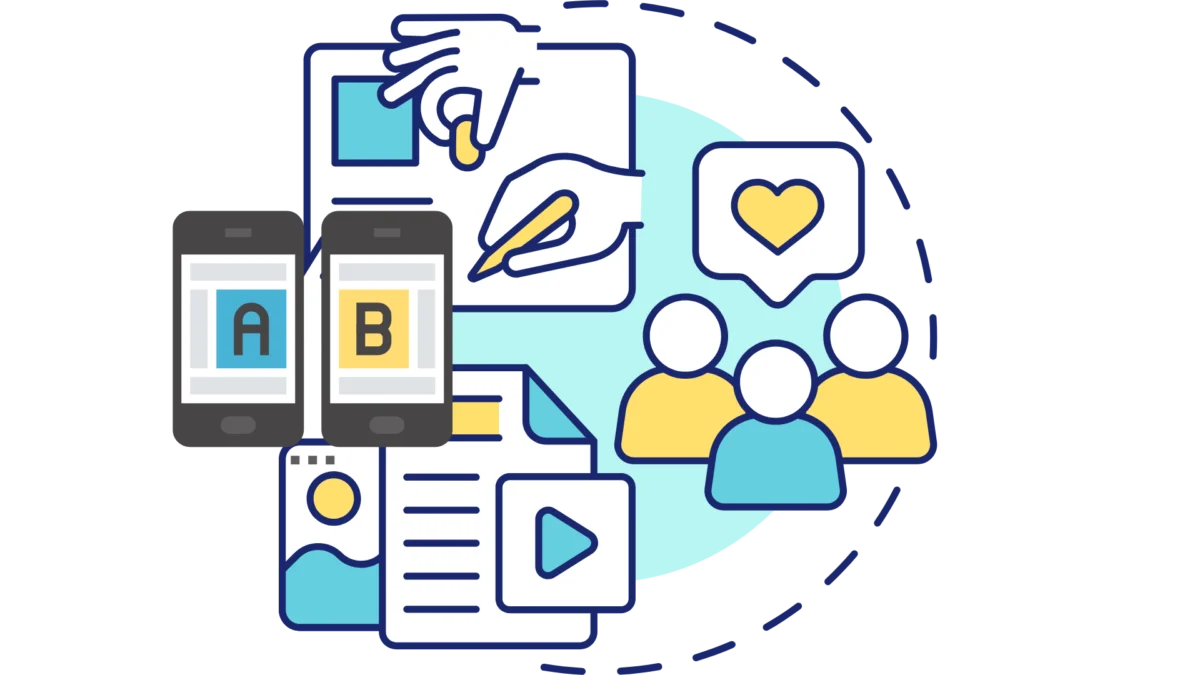
- Test Types, Not Just Tweaks: Don’t just change a subject line word; test entirely different messaging strategies, such as "Curiosity" vs. "Urgency."
- Focus on Metrics that Matter: High open rates are a vanity metric if they don’t lead to click-throughs and conversions. Pay attention to your conversion-per-email.
- Leverage the Right Tools: If you are spending more time managing your email platform than writing the content, you are using the wrong tools. Look for solutions that integrate CRM, automation, and email into one cohesive workflow.
In conclusion, the inbox remains the most powerful tool in the digital marketer’s arsenal. By respecting the reader’s time, adopting proven psychological frameworks, and utilizing smart automation, any business can stop being "noise" and start being a resource that their audience genuinely looks forward to reading.
For those looking to optimize their workflow, professional-grade tools like Omnisend offer the necessary automation to scale these strategies effectively. By using the framework of "value first," you ensure that every email sent is not just a message, but a step toward a stronger, more profitable relationship with your audience.