In the current digital landscape, most location pages are effectively "ghost towns." They are technically live, indexed by search engines, and sitting in your site architecture—yet they are fundamentally failing to drive business.

The most common culprit? A two-fold failure: they are either too "thin"—consisting of little more than an address, a phone number, and a map embed—or they are painfully generic, relying on cookie-cutter templates where only the city name is swapped out.
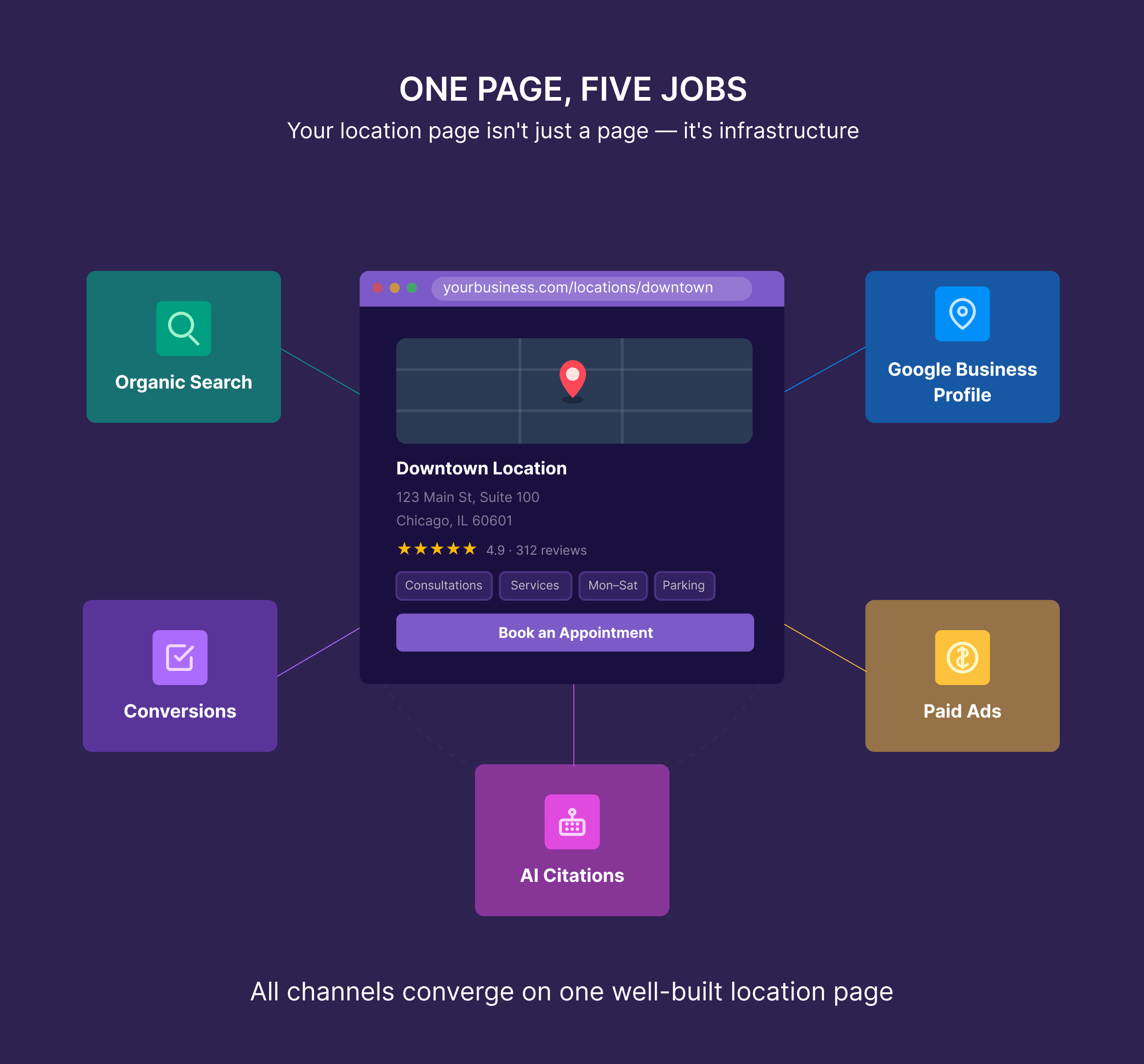
Google’s algorithms are sophisticated enough to see through these shortcuts, and increasingly, so is the AI powering the next generation of search experiences. If you want to capture the "best [service] in [city]" queries that dominate local intent, you need to abandon the "bulk-upload" mindset. A high-performing location page is not just a landing page; it is a multi-purpose tool that handles five critical jobs: it satisfies search intent, builds trust, provides logistics, earns local authority, and feeds AI models the data they need to cite your business.
The Two Pillars of Location-Based SEO
Before you write a single line of copy, you must define the strategy for your location pages. Using the wrong format can confuse both your users and search engines.
1. Physical Location Pages
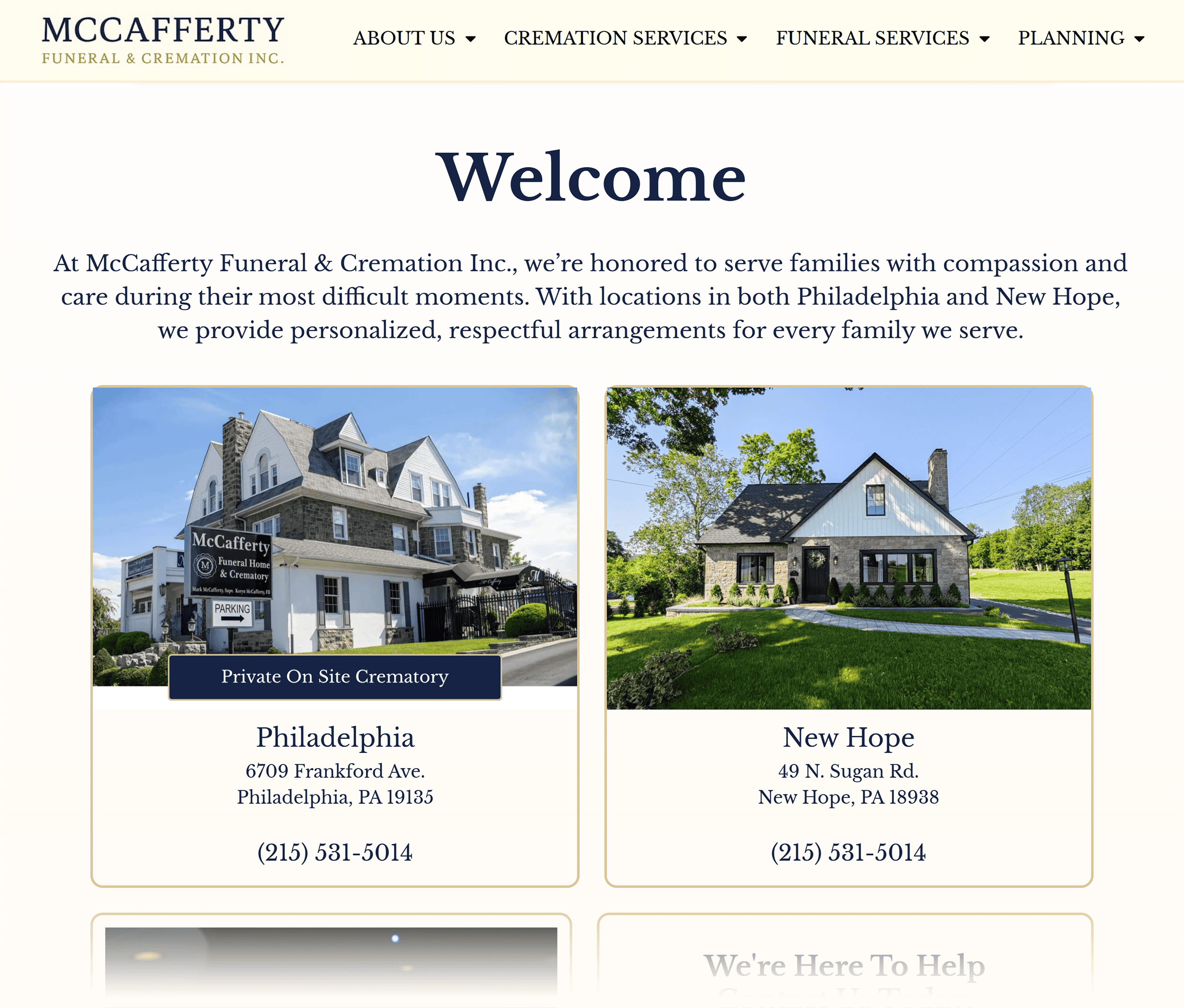
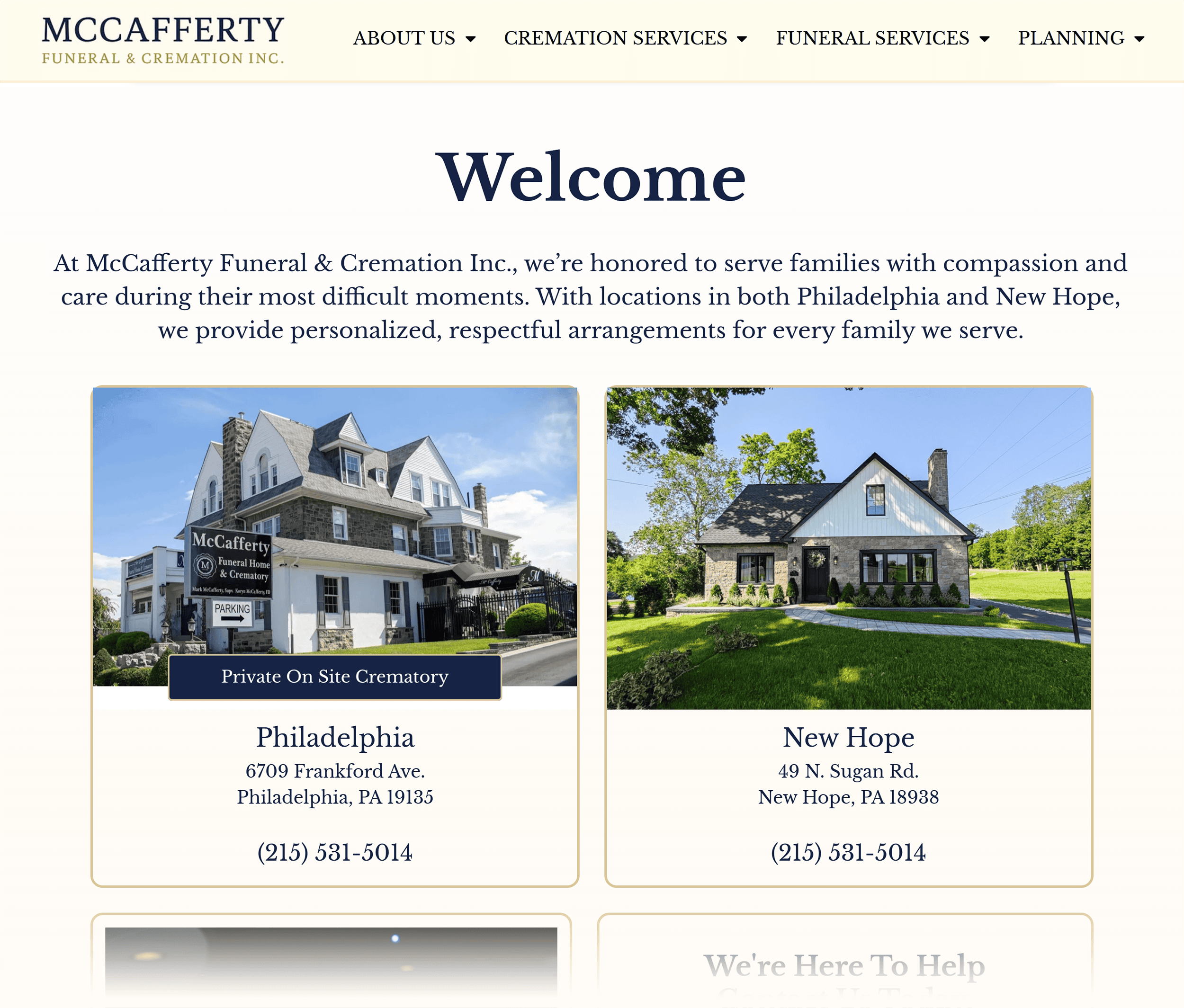
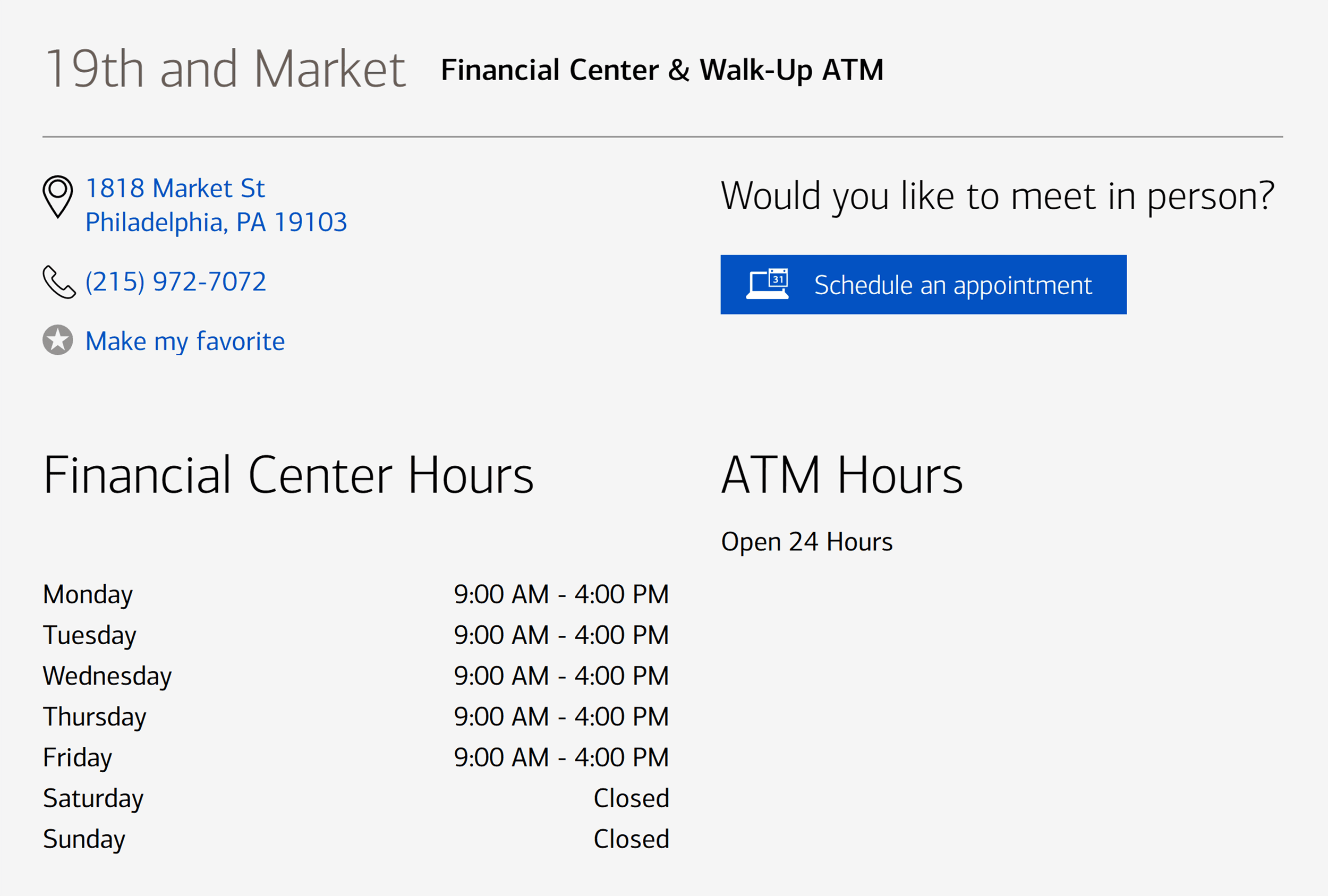
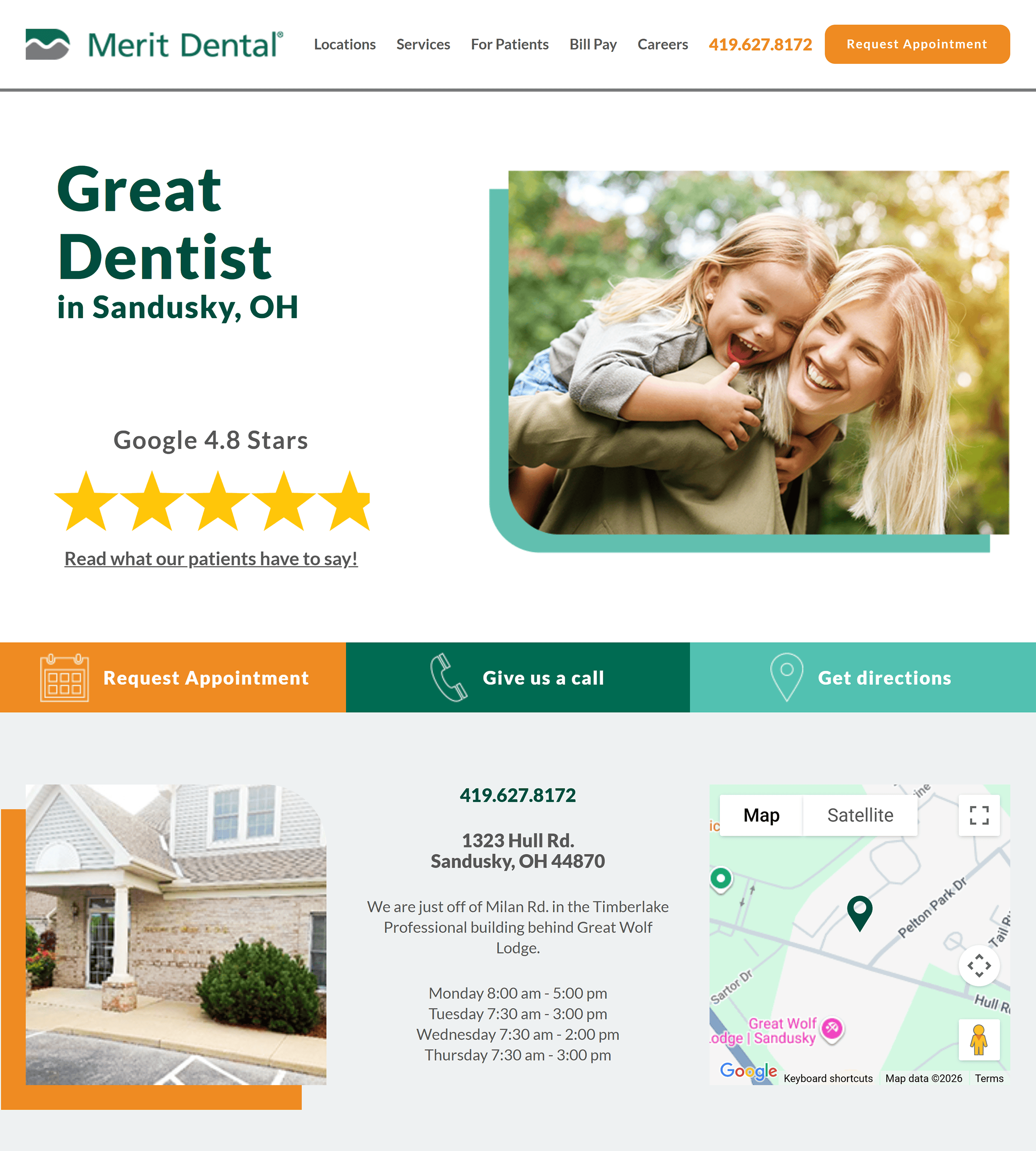
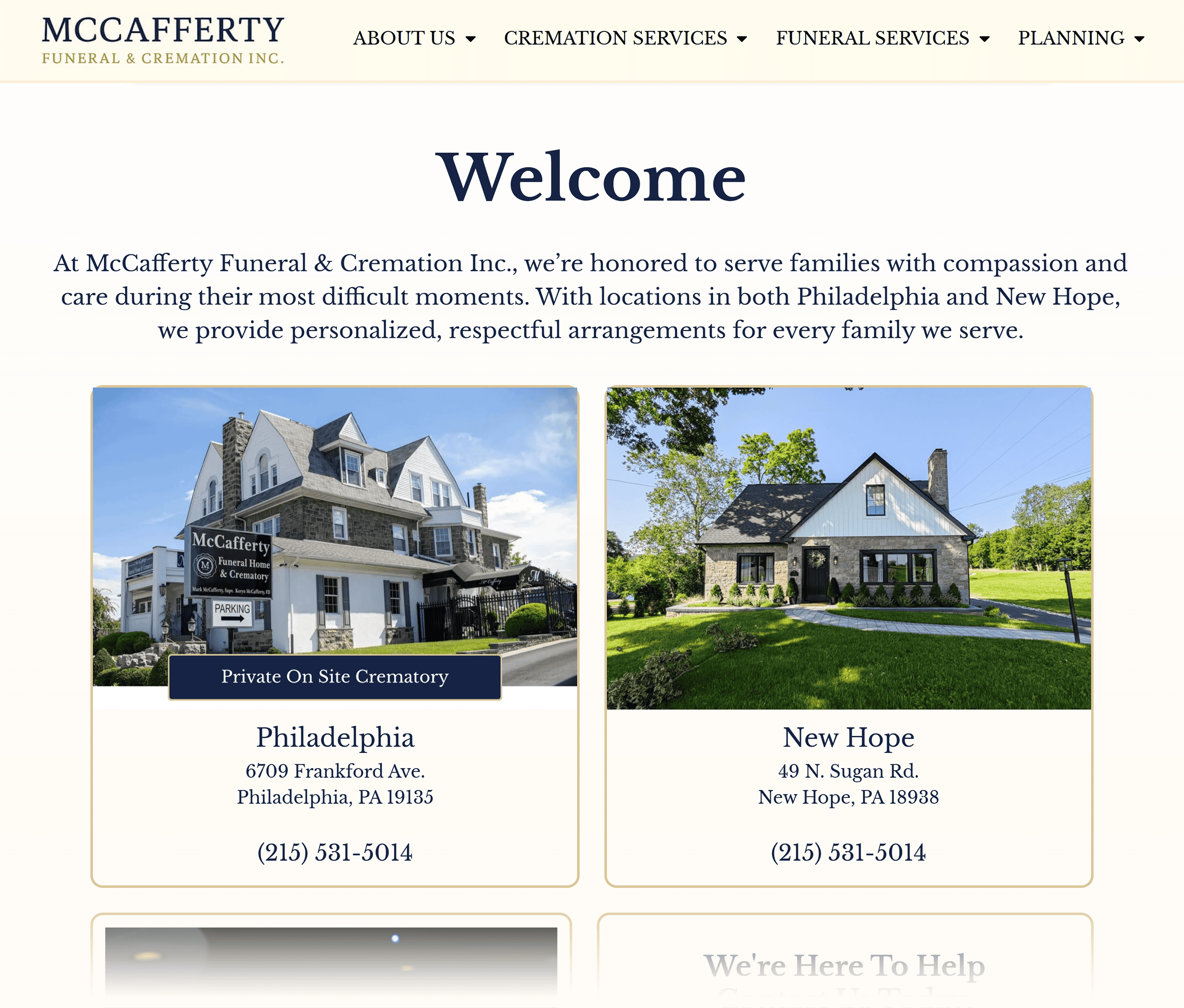
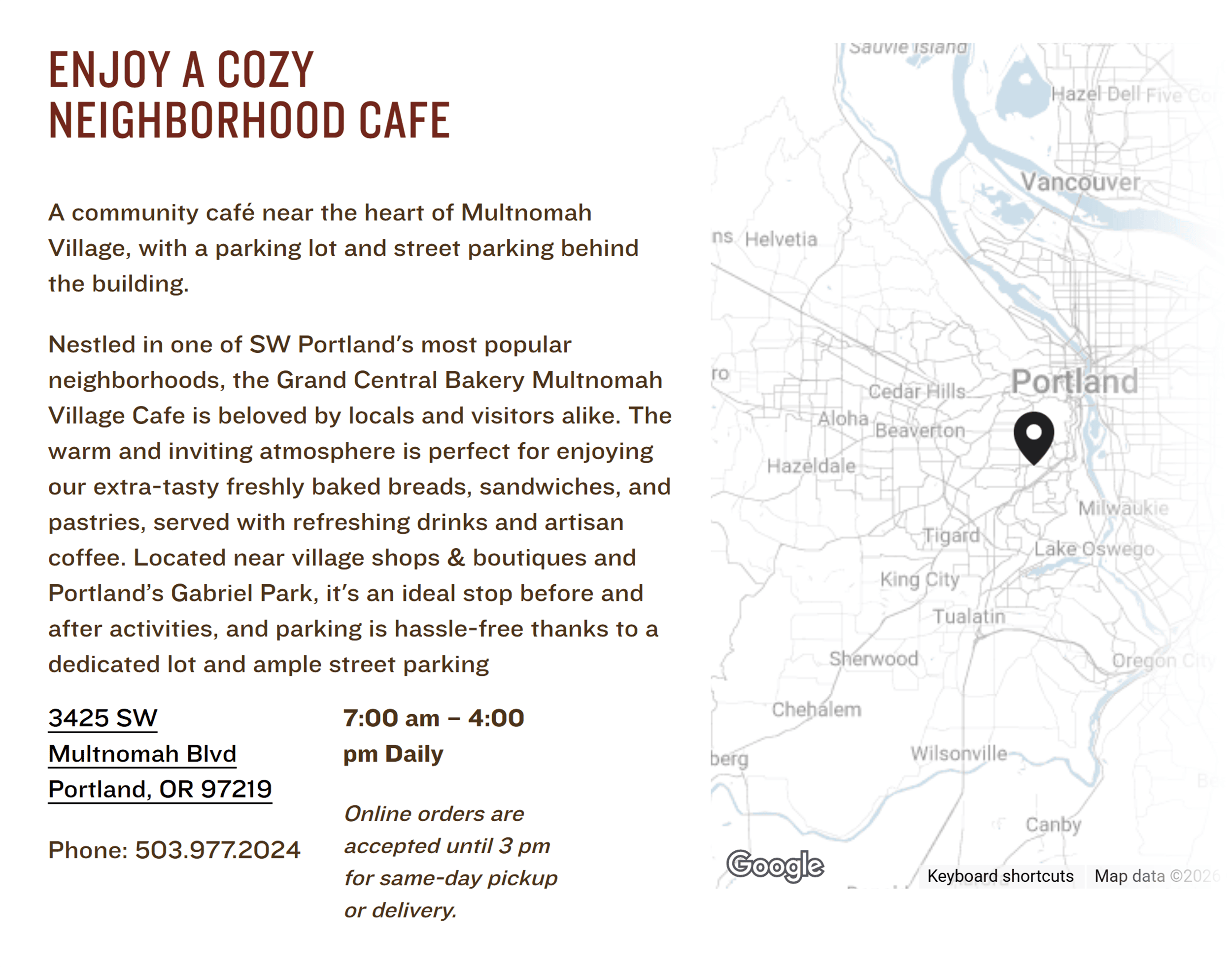
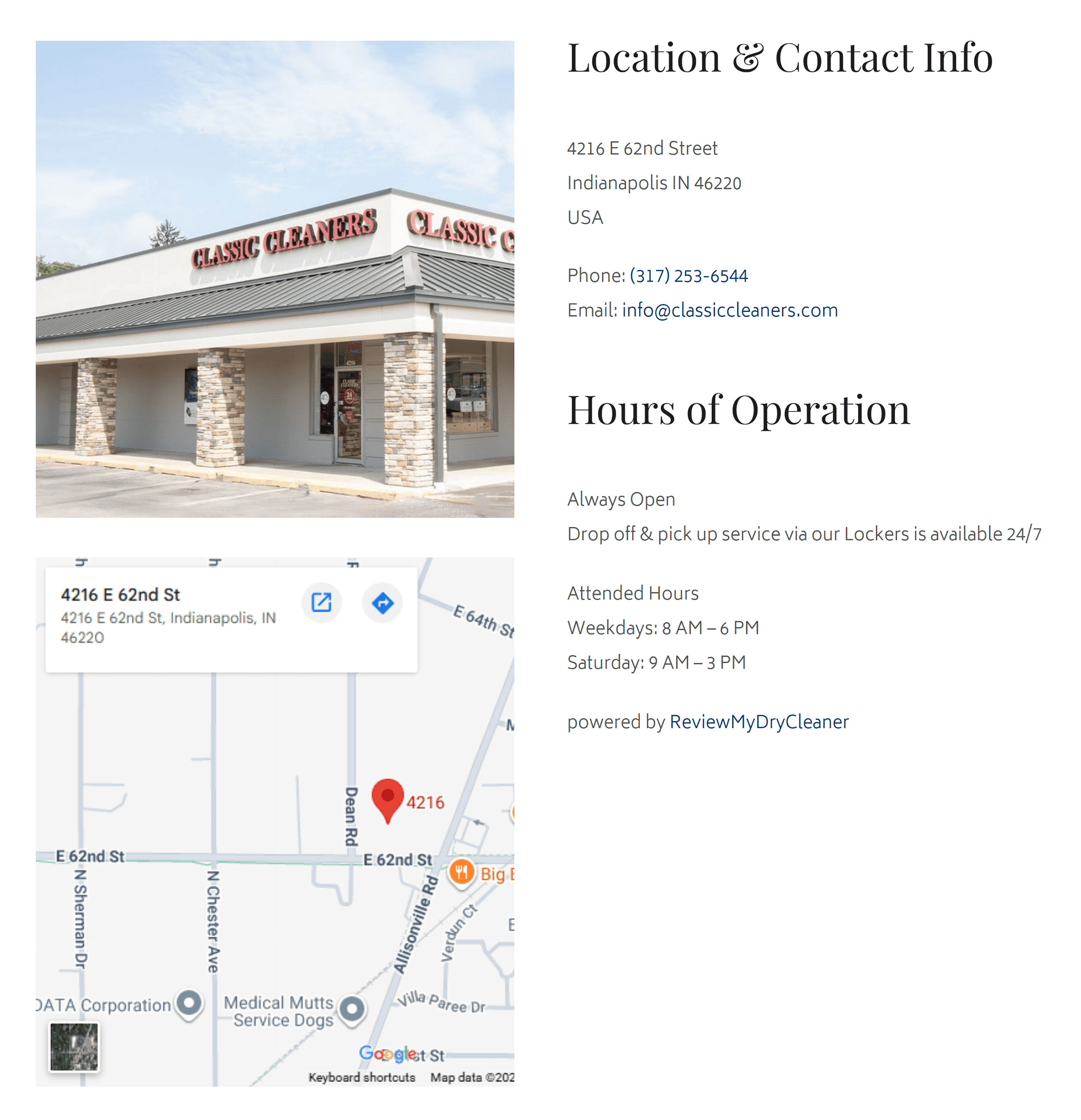
These pages are for businesses with a brick-and-mortar presence—a dental office, a retail store, or a restaurant. The goal here is to convert local searchers into physical foot traffic. A successful physical location page must answer the "when and how" for the visitor:

- Logistics: Precise address, local operating hours, and real-time parking availability.
- Expectation Setting: What should a customer expect the moment they walk through the door?
- Visual Proof: High-quality imagery of the building exterior and the interior environment.
2. Service Area Pages
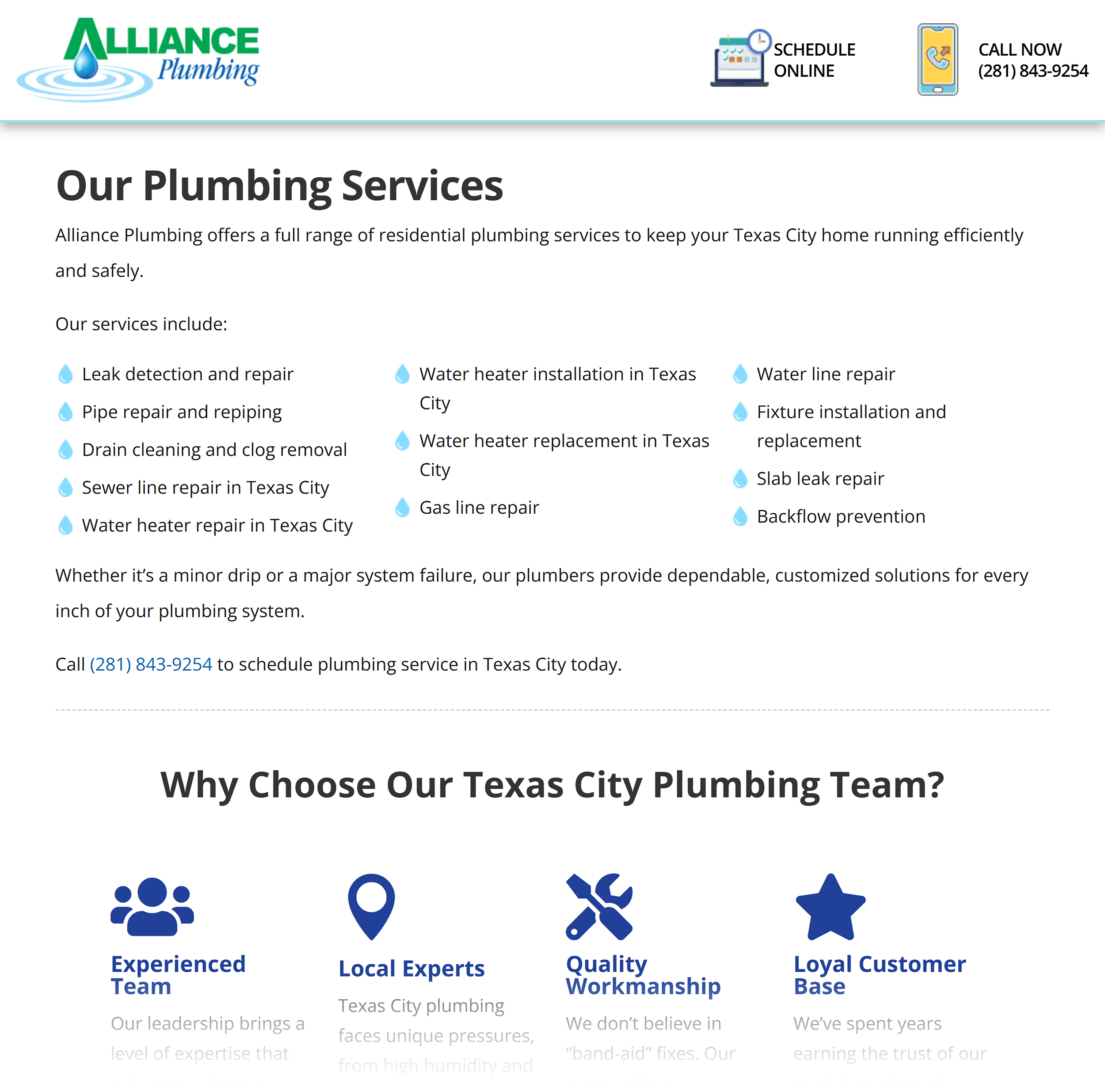
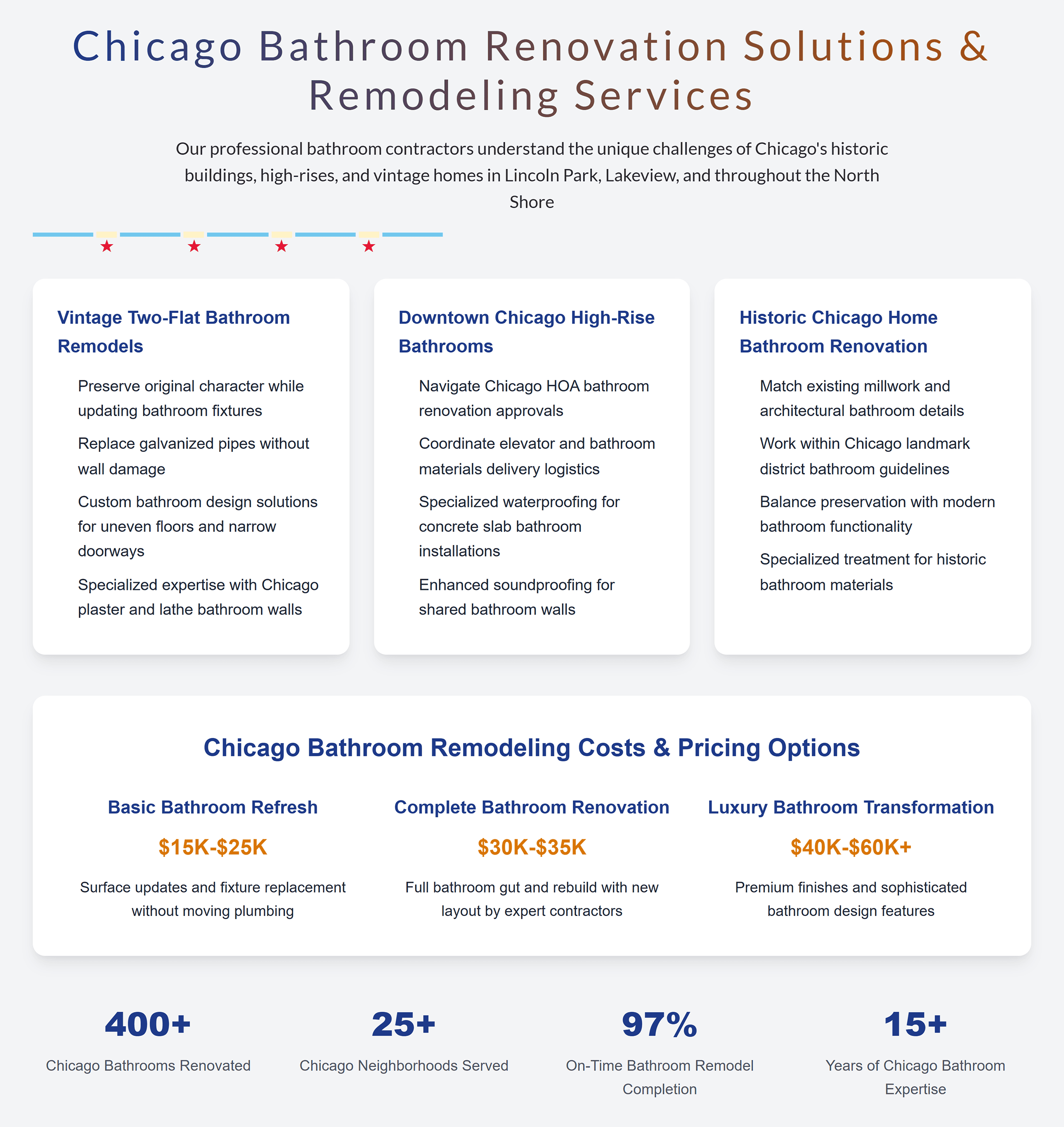
Service area pages are the secret weapon for service-based businesses like HVAC contractors, roofers, or mobile mechanics who operate across multiple towns without maintaining offices in every one. These pages are designed to dominate search results in 50 towns by demonstrating "localness" through expertise, not just presence. By mentioning region-specific challenges—such as "Denver’s infamous hailstorms" or "Sullivan’s Island historic preservation codes"—you prove that you aren’t just a national entity, but a local expert.
How to Make Your Location Pages Perform
Whether you are targeting organic rankings or a spot in an AI citation, the core principles remain the same.

Match Searcher Intent
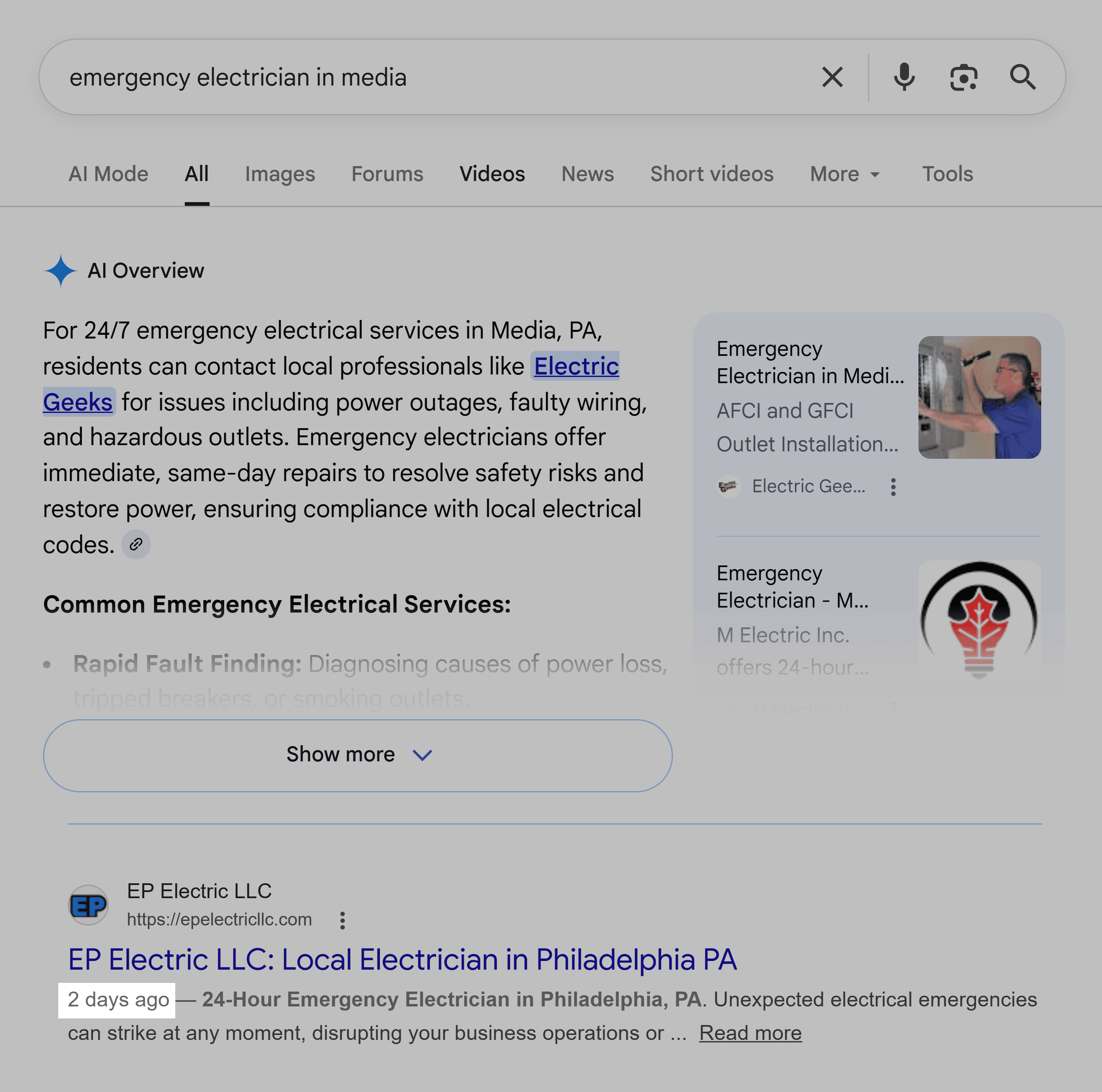
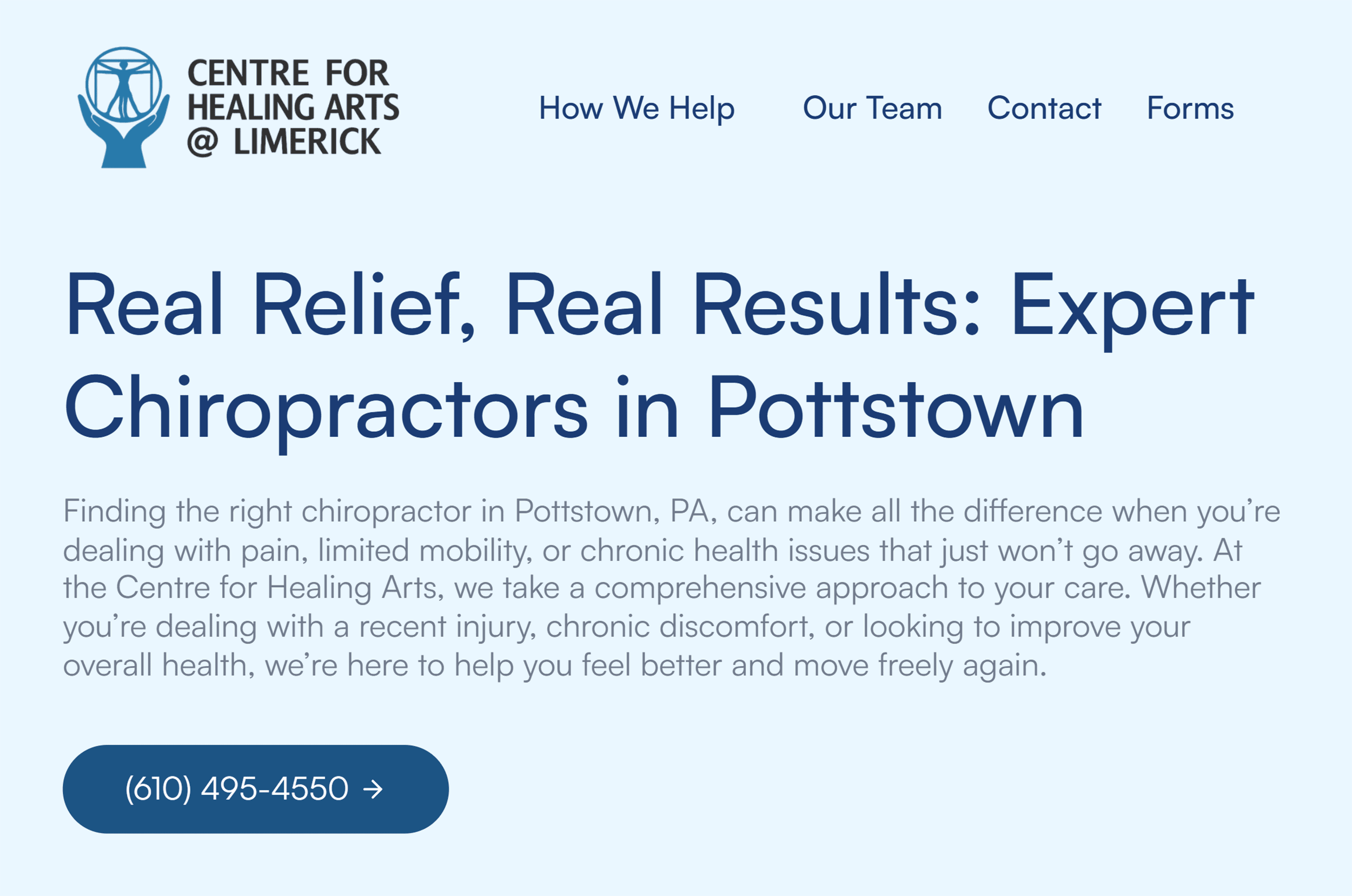
A user searching for "emergency plumber in Philadelphia" is not in a research phase; they are in a crisis. They do not want a history lesson on the city. They want a phone number, a 24/7 service promise, and proof that you are currently operating in their neighborhood. If your page provides anything other than immediate solutions to their problem, the "bounce" is inevitable.
The Death of "City Name Swapping"
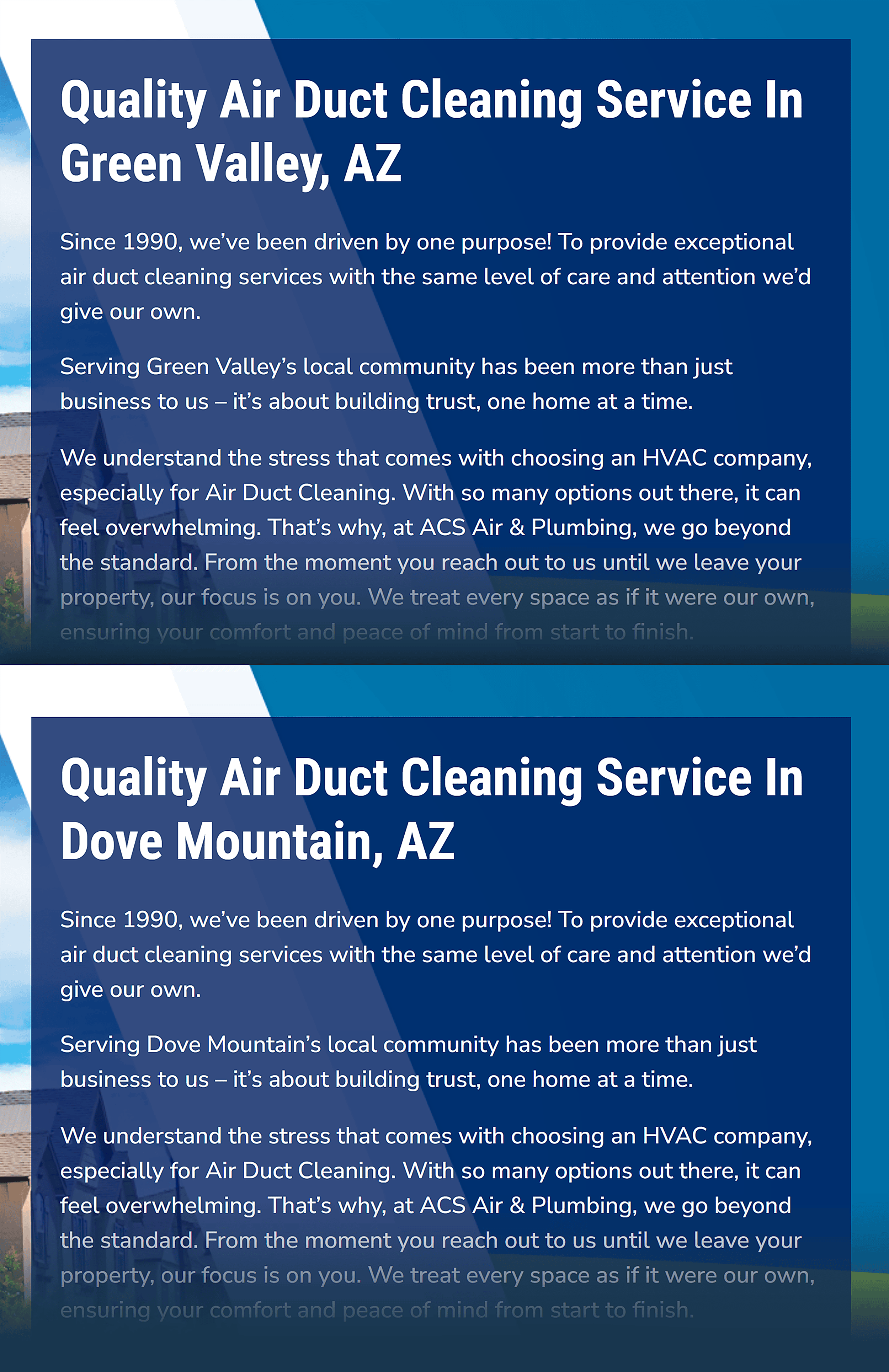
Google is no longer fooled by pages that are identical save for the municipality name. "Real local value" is the new standard. To rank, you must include neighborhood-specific details. If you are an HVAC company, discuss the common climate issues in that specific suburb or the unique architecture of the homes there. These are the kinds of details that require human insight—the kind that signals to search engines that your business is truly integrated into that community.
Right-Sizing Your Content Depth
Not every location page needs to be a 2,000-word manifesto. Use the "consideration ladder" to determine how much depth is required:

- Low-Consideration: If you are running a laundromat, your page can be lean and functional.
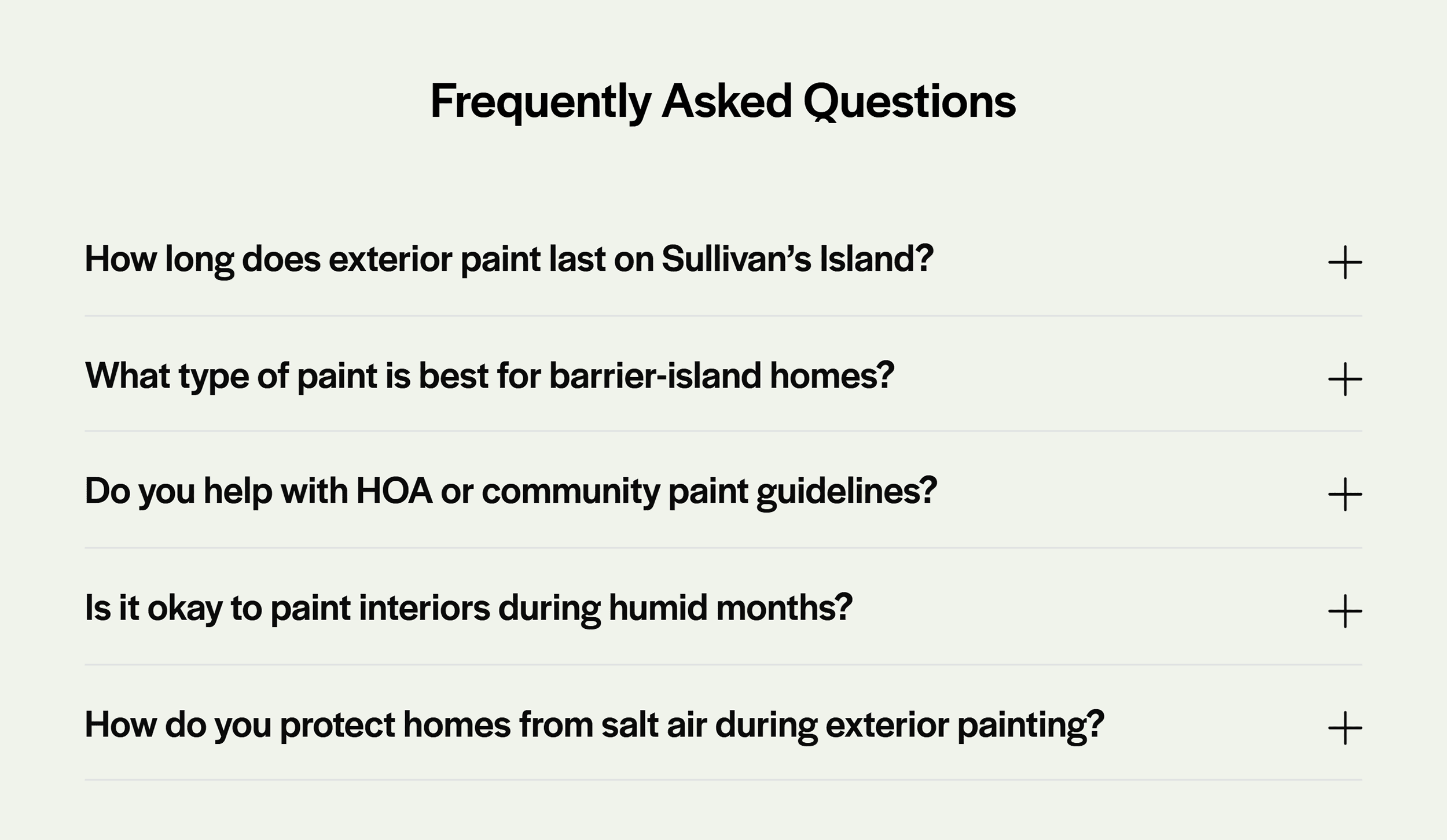
- High-Consideration: If you are a custom home builder or a medical practice, your page must be exhaustive. Customers are making significant financial and personal investments; they need detailed FAQs, case studies, and pricing ranges to feel secure enough to contact you.
Structuring for AI and Search Engines
The era of AI search—Google’s AI Overviews, ChatGPT, and Perplexity—has changed the rules of the game. You are no longer just optimizing for blue links; you are optimizing for citation.
Schema Markup is Non-Negotiable
Schema markup, specifically LocalBusiness, FAQPage, and Review schema, is the baseline. It allows machines to read your content as structured data. If you aren’t providing this, you are invisible to the systems that interpret the web for modern users.
The "AI Citation" Experiment
In a recent study of 30 "best [service] in [city]" queries, the citation patterns were telling:
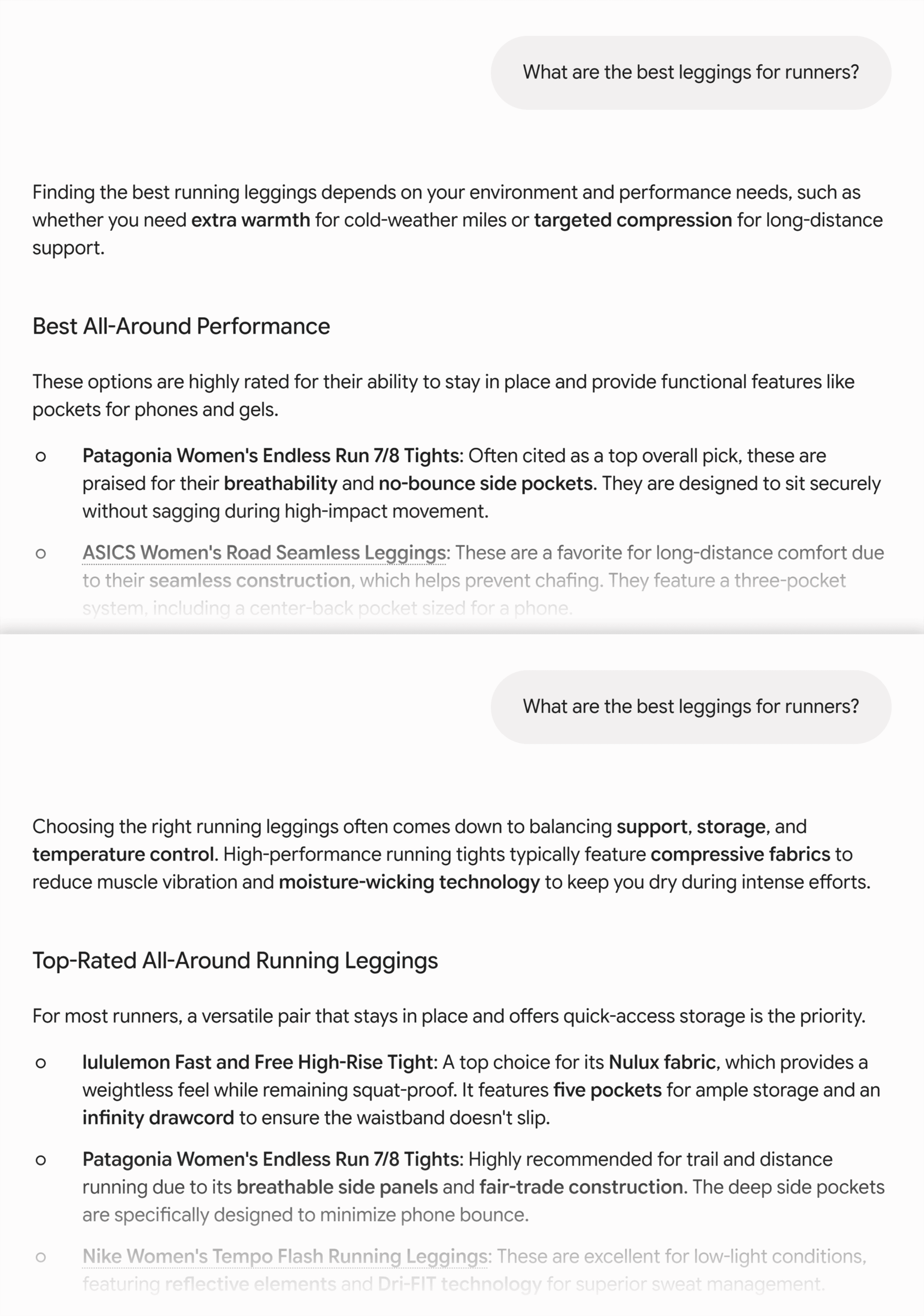
- Google AI Mode leaned heavily on third-party aggregators like Yelp (32%) and social discussions like Reddit (30%). To win here, you need a strong local reputation management strategy.
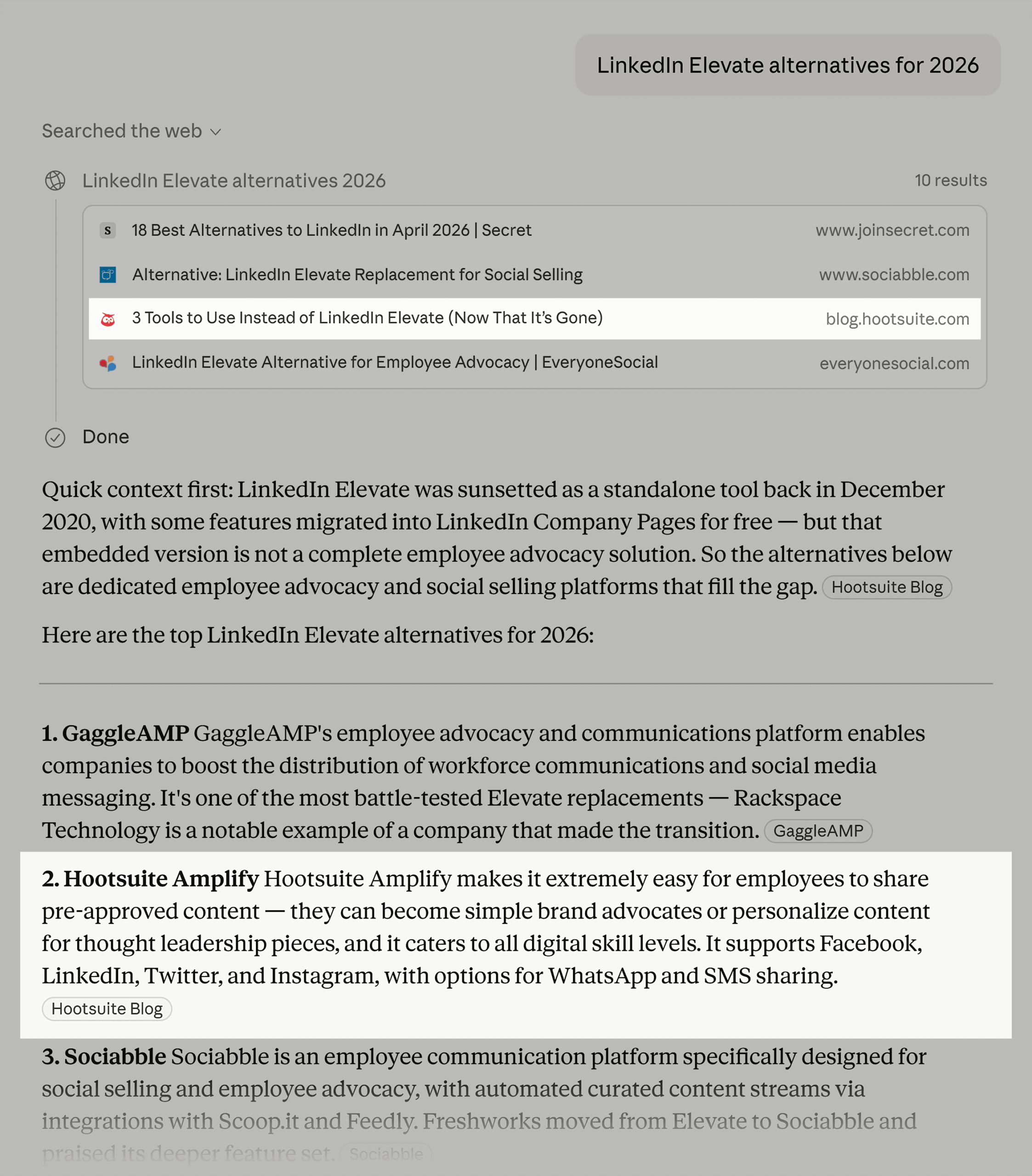
- ChatGPT favored editorial "best of" lists. If you aren’t being mentioned in local lifestyle magazines or industry roundups, you are missing out on the primary data source for generative AI.
- Perplexity was the only one that favored direct business websites (73% of citations). This proves that if your site content is structured correctly, AI will treat you as the primary source of truth.
Scaling for Enterprise: Consistency vs. Local Flavor
When you scale from three locations to 300, the primary risk is brand dilution and duplicate content penalties.
The Hybrid Content Structure
Avoid the temptation to let every location team write their own content from scratch. Instead, implement a hybrid model:

- Centralized Templates: The corporate team provides the brand voice, core service descriptions, and legal disclaimers. These are "locked" fields.
- Local "Unlocks": Each location manager is responsible for filling in the "hyperlocal" fields: staff bios, local testimonials, project photos, and community involvement.
This ensures that the content remains professional and legally compliant while maintaining the authentic, local voice required to rank.
The Linking Hierarchy
For businesses serving dozens of towns, your site architecture is your map. Service area pages should always link to the nearest physical office. Physical location pages should link out to the surrounding service areas they cover. This creates a clear hierarchy for Google’s crawlers and prevents your site from looking like a disorganized collection of random pages.
Audit, Refresh, and Optimize
A location page is a living asset. Set a mandatory quarterly audit cadence to check for:
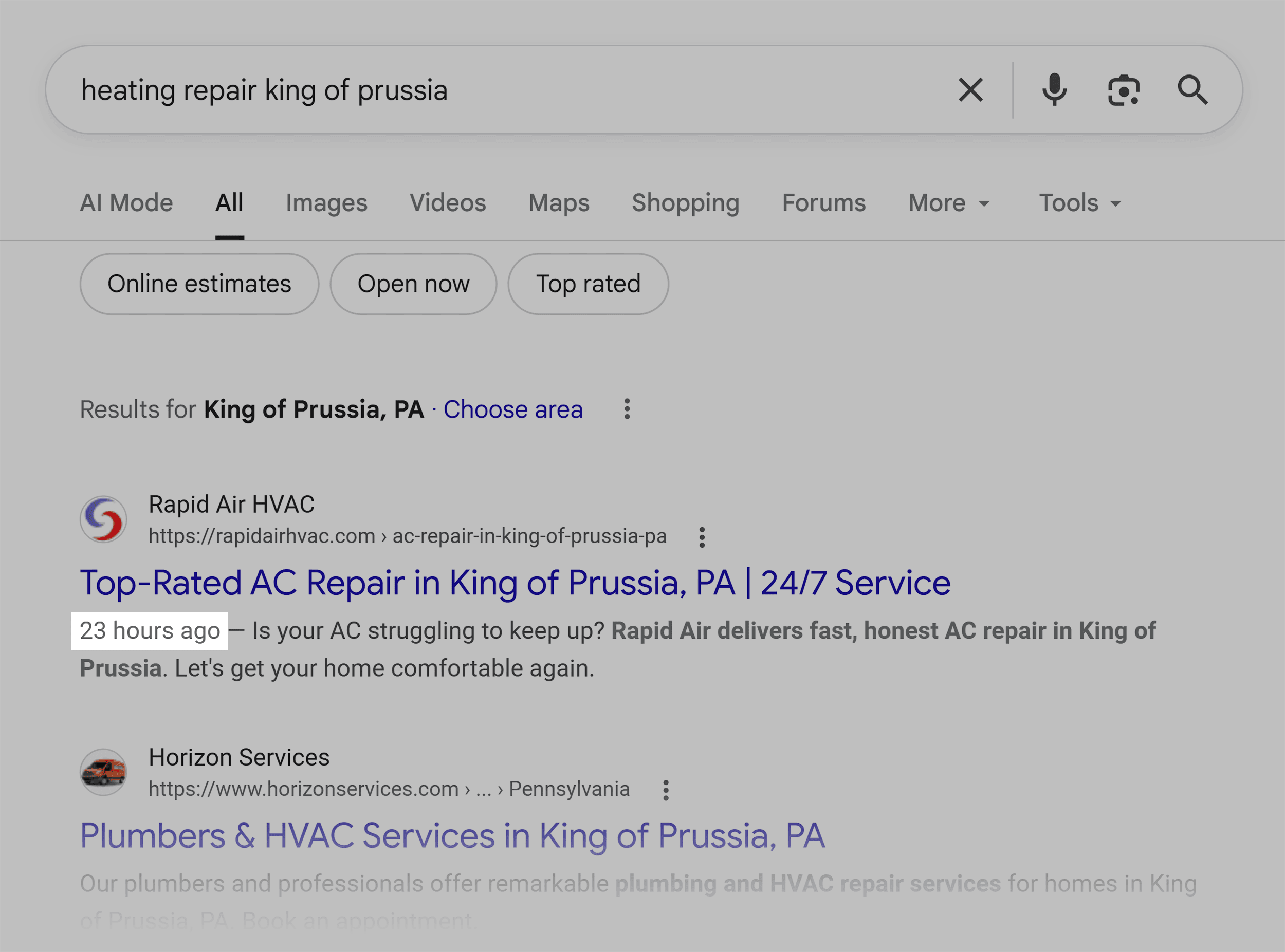
- Outdated Information: Did you change your hours or phone number?
- Broken Links: Are your local partner links still active?
- Conversion Metrics: Are these pages actually driving calls? If a page has had zero traffic in six months, kill it. A dead page is a weight on your domain’s authority.
Final Thoughts: Start Small
The biggest mistake is trying to launch 50 pages at once. Pick one high-priority market. Apply these principles—the local expertise, the structured schema, the hyperlocal FAQs—and measure the result. Once you have a winning template, scale that system to your other markets.
Remember: the goal isn’t just to be "found" in every city. The goal is to be the obvious choice in every city. By providing more depth, more local context, and more utility than your competitors, you make it impossible for search engines (and AI) to ignore you.