Most location pages on the web are failing. They are either "thin"—consisting of little more than an address, a phone number, and a handful of keywords—or they are "generic," serving as cookie-cutter templates with city names swapped out in a desperate attempt to capture local search traffic.

Google sees through both strategies. Increasingly, AI-driven search models like ChatGPT and Perplexity are also ignoring these hollow pages. If a page provides no unique value, it effectively doesn’t exist in the eyes of an algorithm or a potential customer.
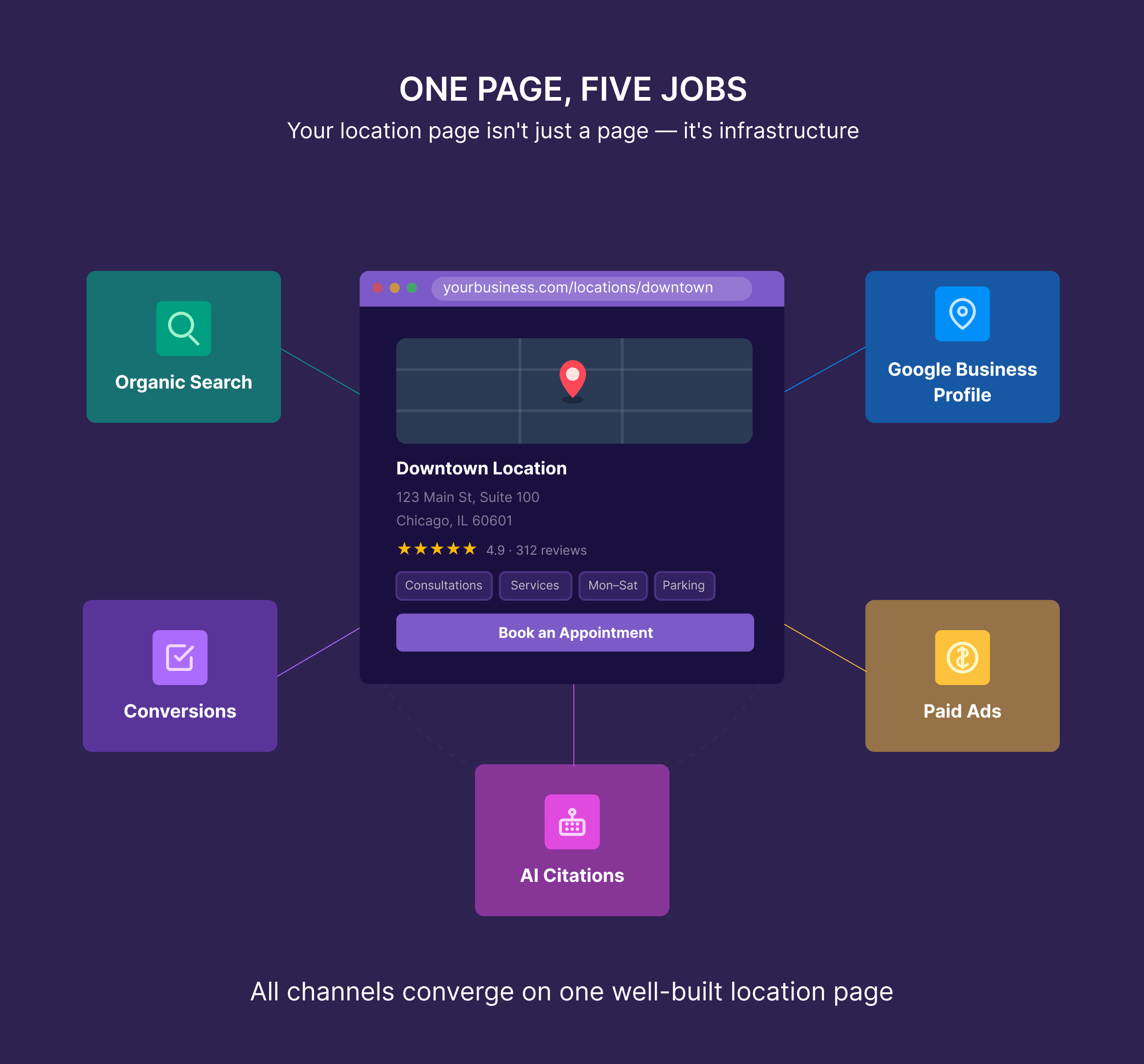
However, a high-quality location page can be a powerhouse. It can simultaneously serve as a landing page for paid ads, a ranking engine for organic SEO, a resource for AI citations, a driver of local foot traffic, and a trust-builder for skeptical prospects. One page, five distinct jobs. Most businesses are leaving this potential on the table, letting their pages sit technically live but functionally dead.
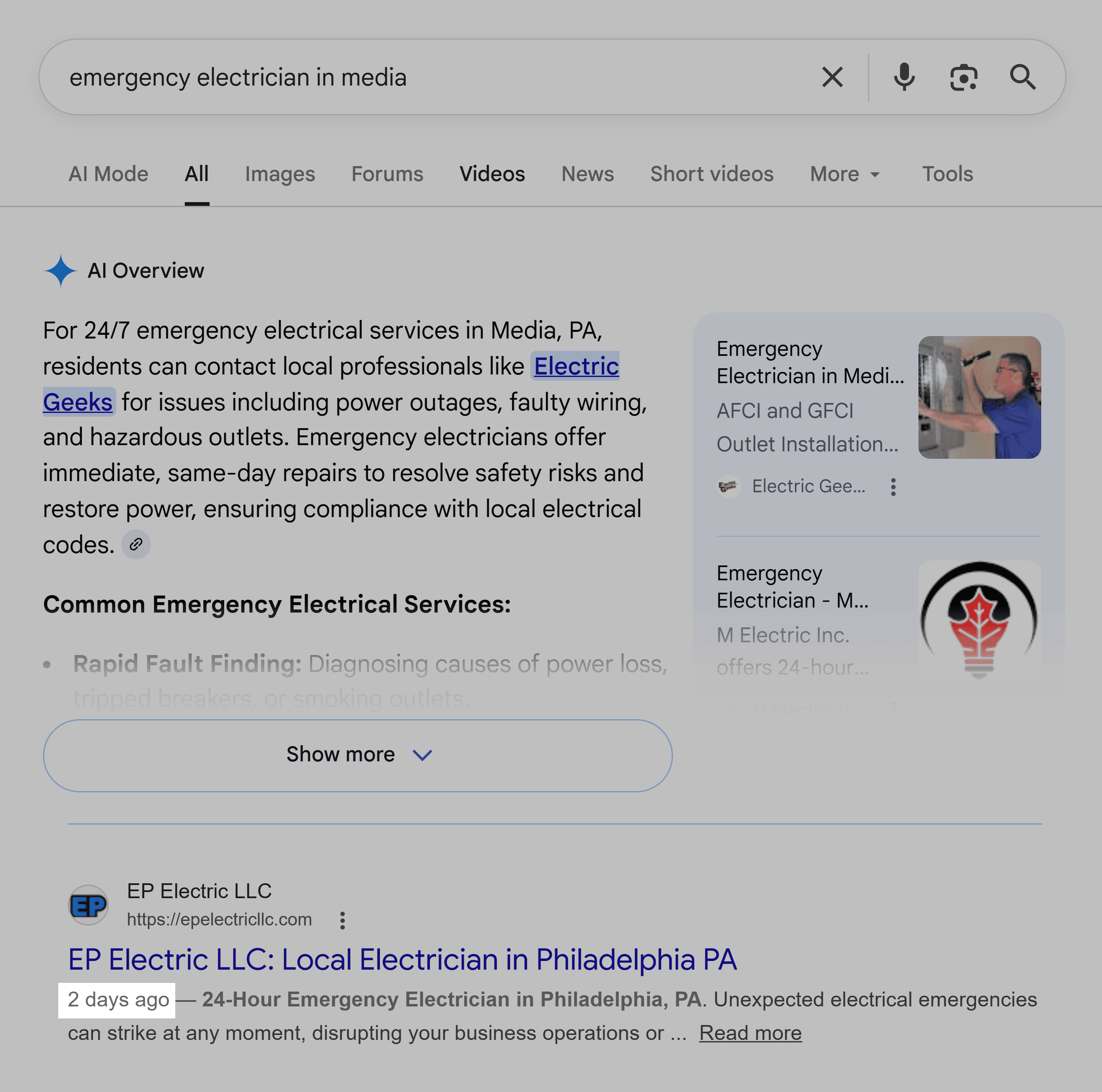
Understanding the Two Pillars: Physical vs. Service Area Pages
Before you write a single line of copy, you must define the goal of your location page. Misidentifying your business model here will confuse both your human visitors and the search crawlers.
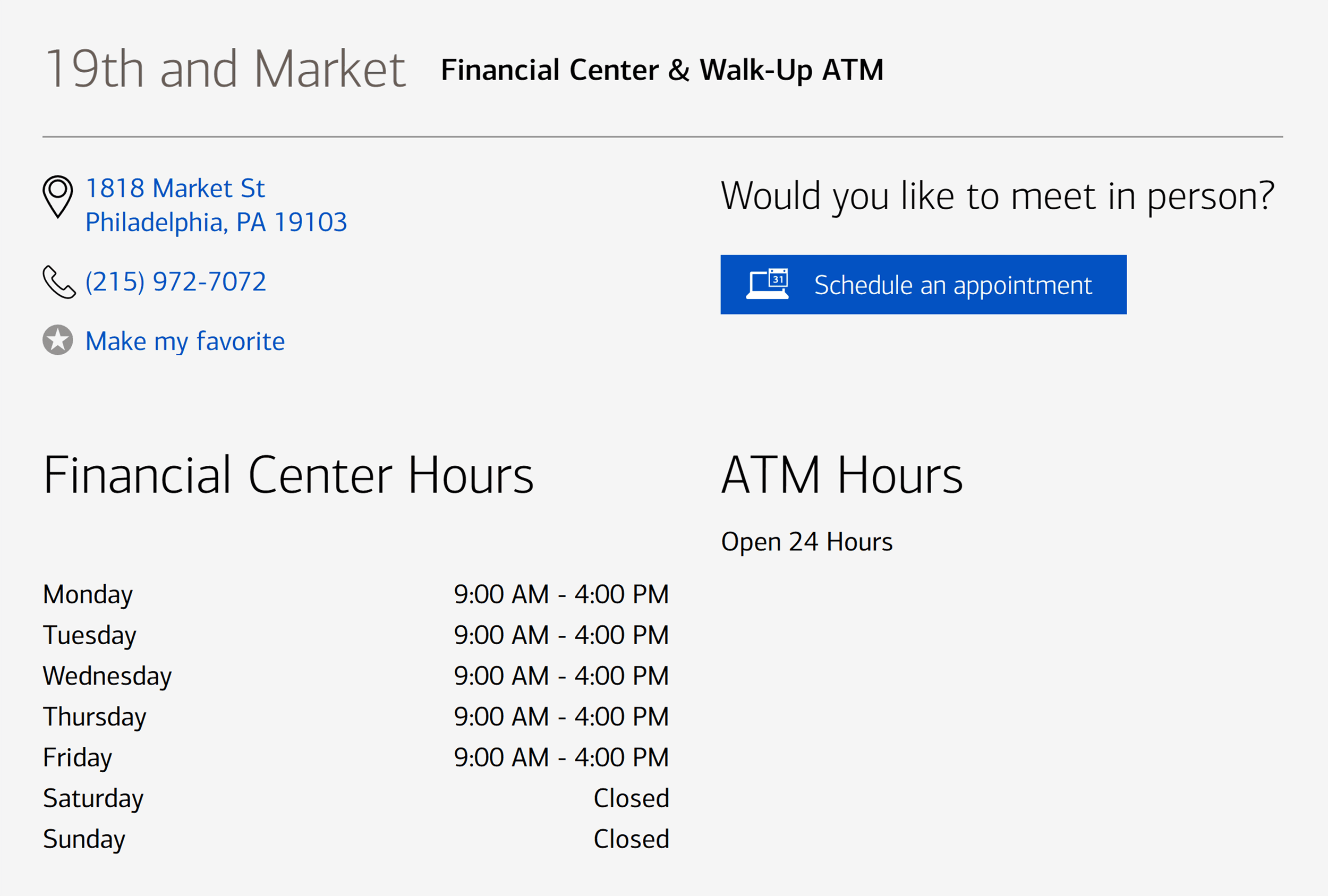
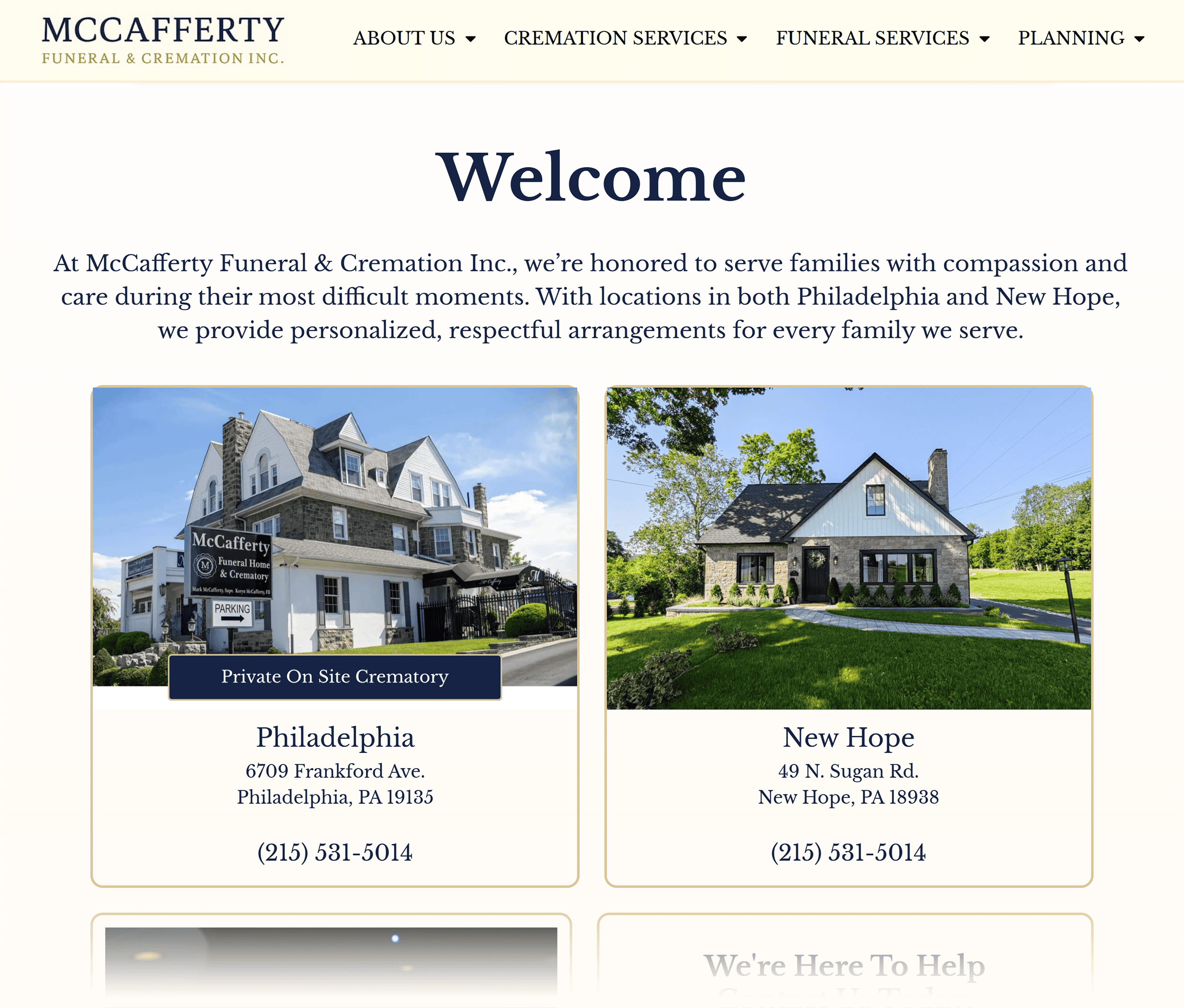
Physical Location Pages
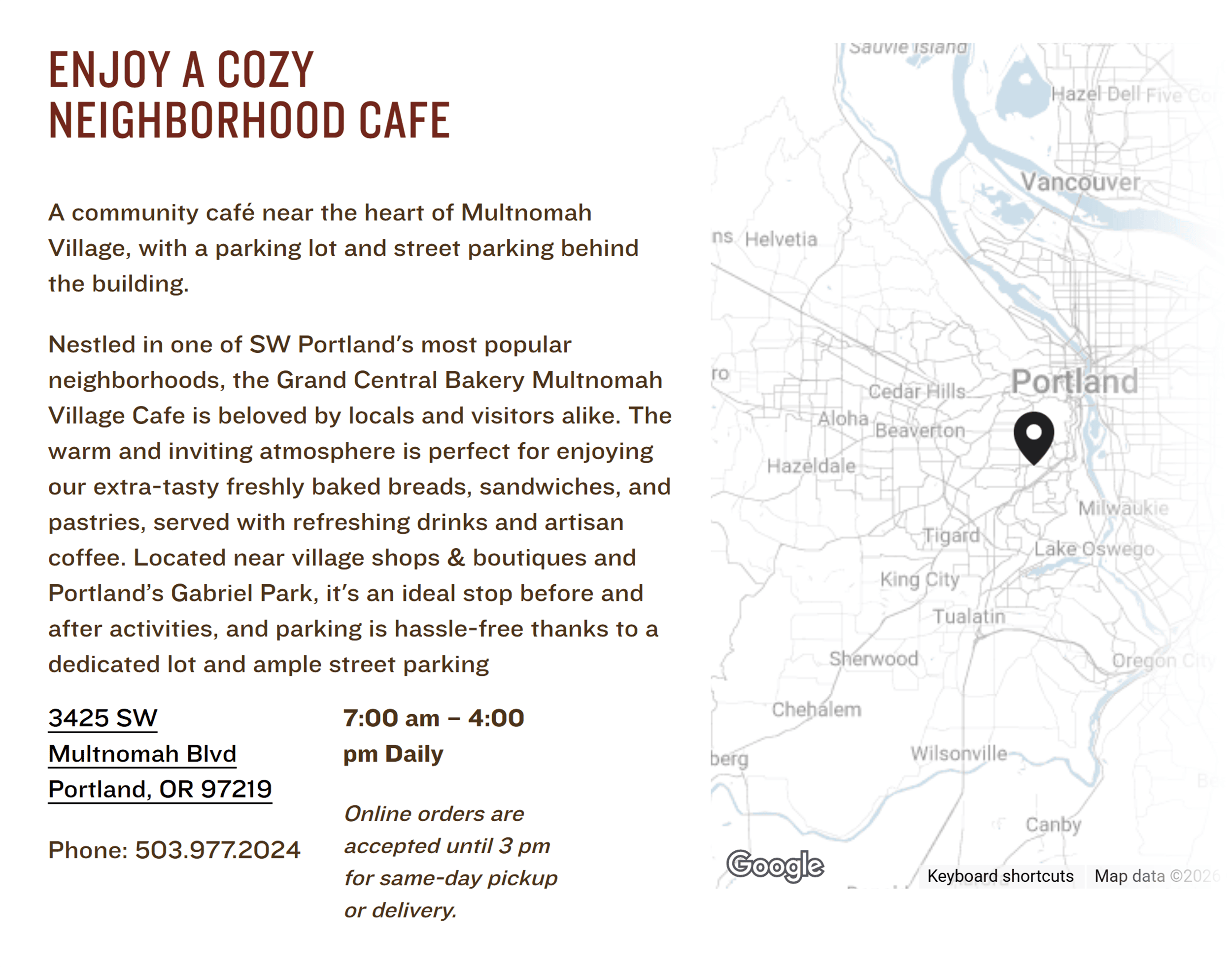
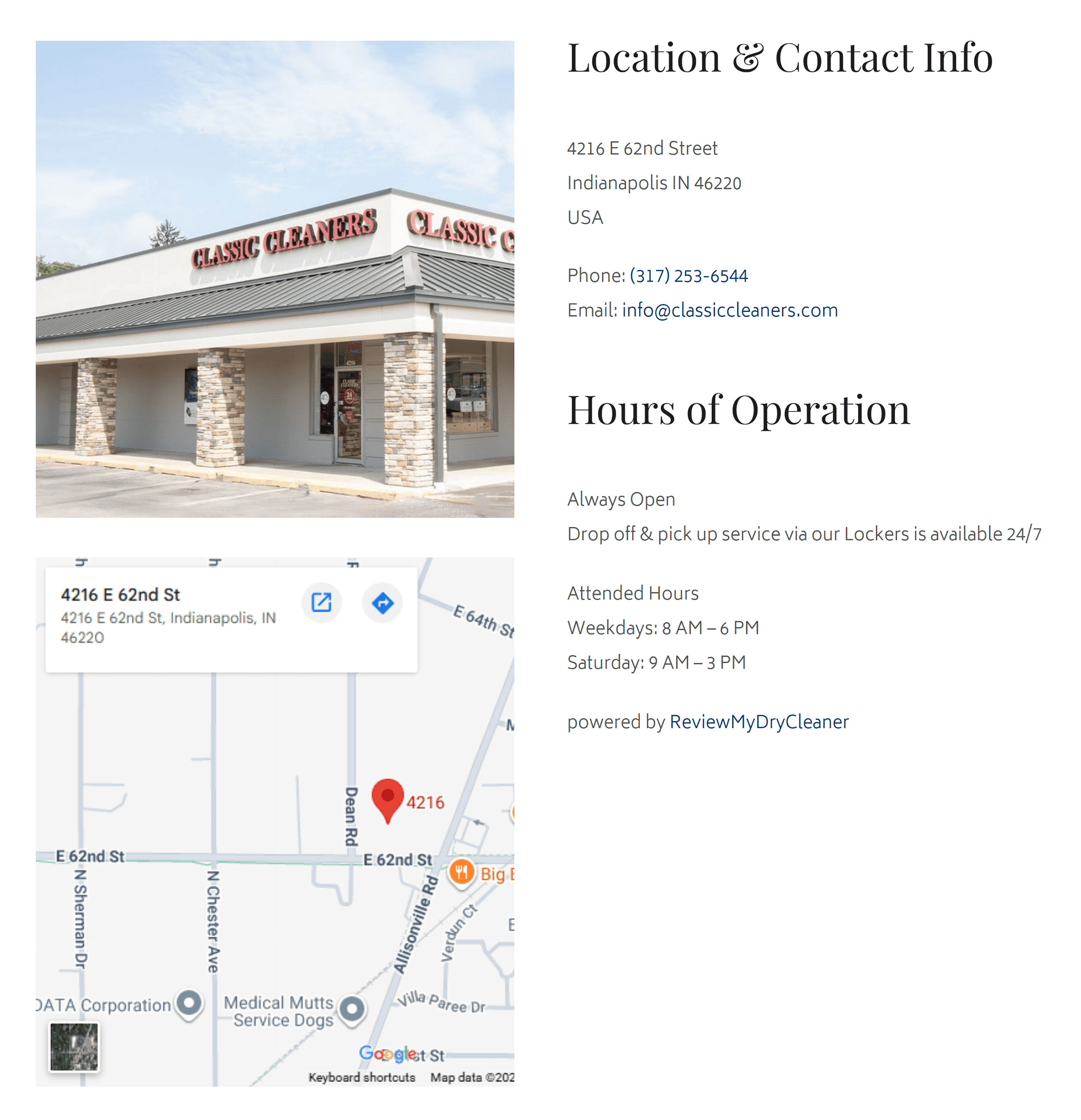
If you operate a storefront, a dental office, or a bank branch, your goal is to drive foot traffic. A customer is looking for logistics: Is it open? Where do I park? What does the building look like?
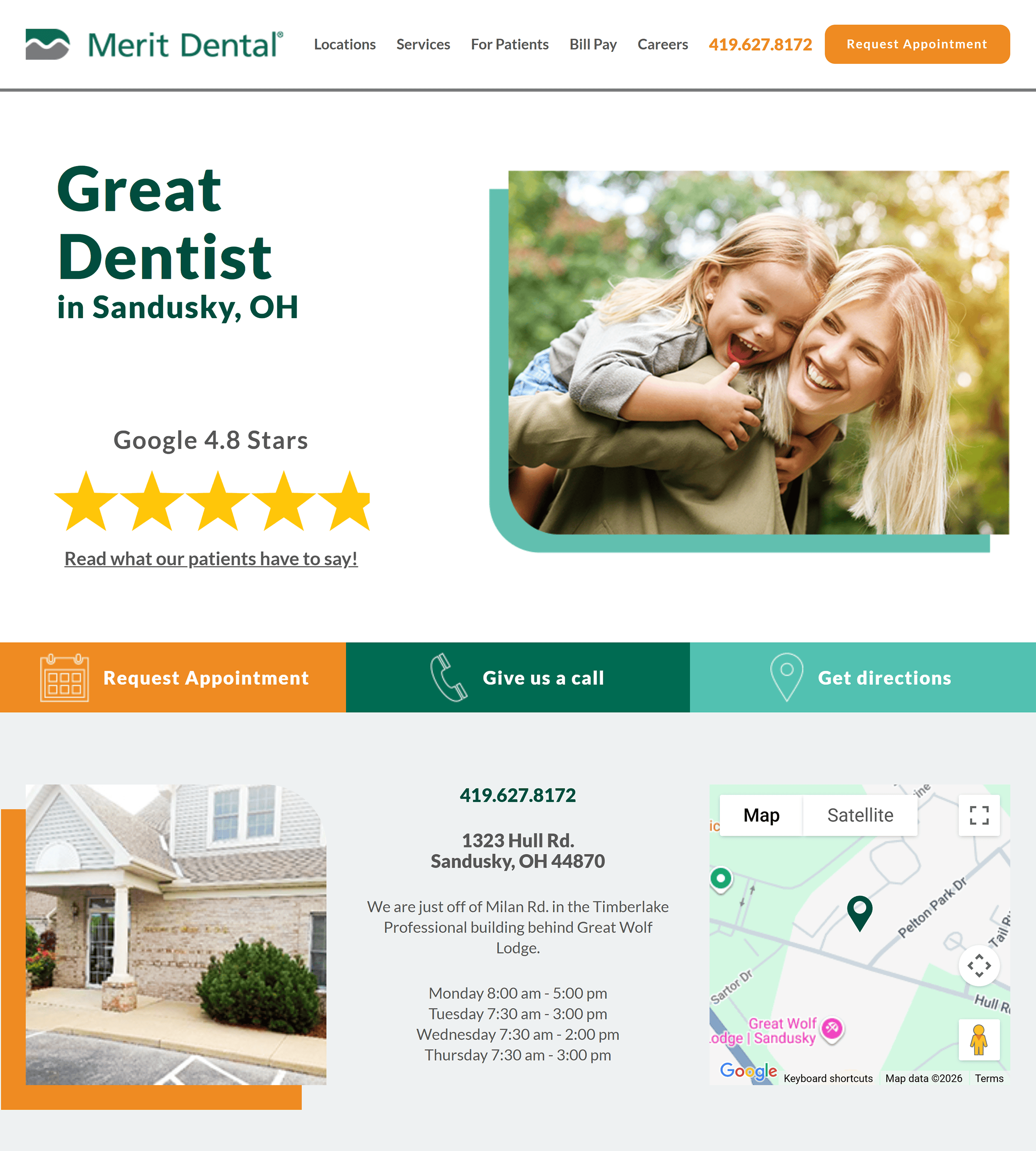
A model example is Merit Dental’s Sandusky location. The page doesn’t just list the city; it provides the precise address, operational hours, an interactive map, and a high-resolution photo of the actual building. Every element is designed to lower the friction of arrival.
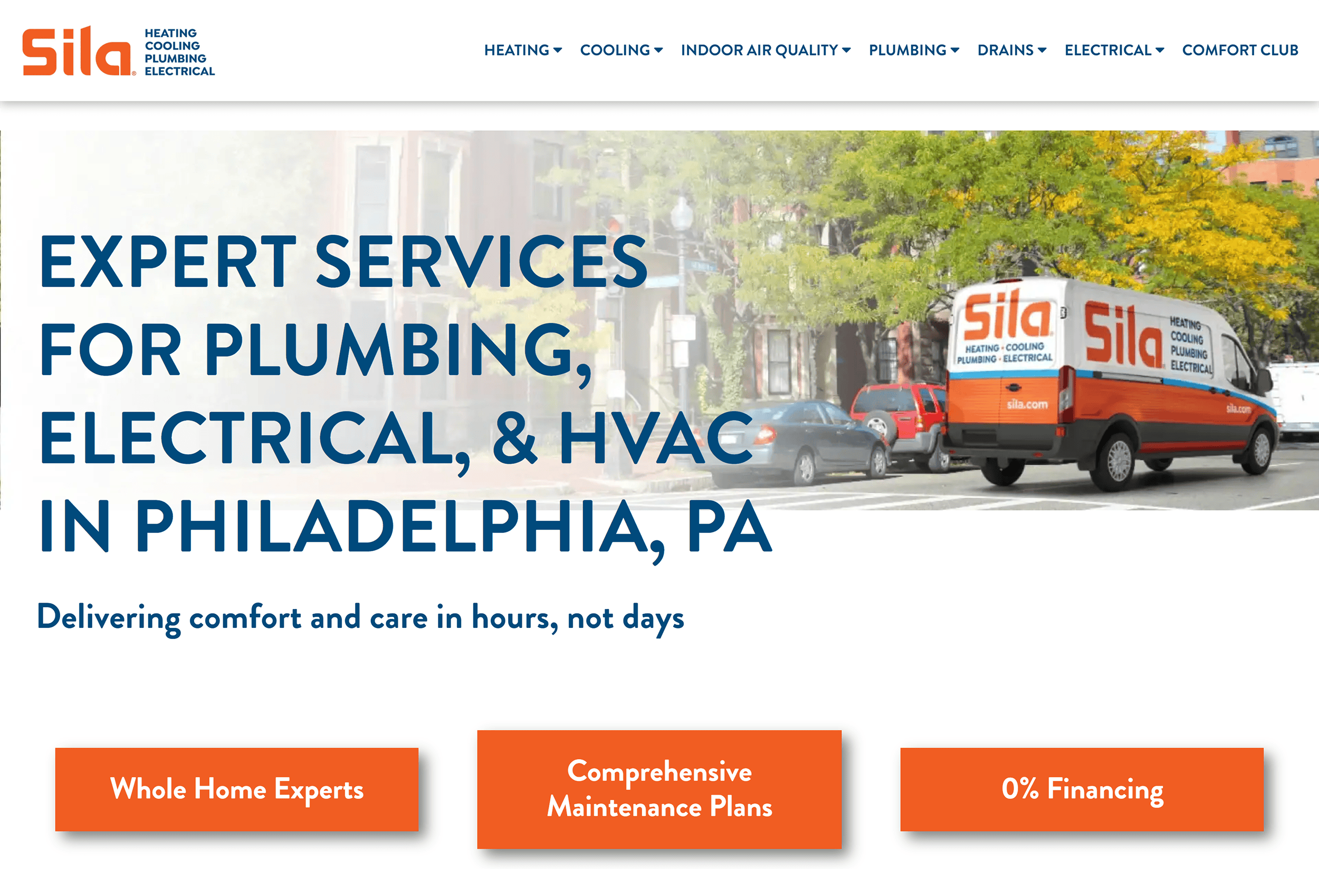
Service Area Pages
If you are an HVAC contractor or a roofer, you are likely traveling to the customer. Your goal is to establish credibility. You need to prove you have local expertise and that you aren’t just a faceless national franchise.
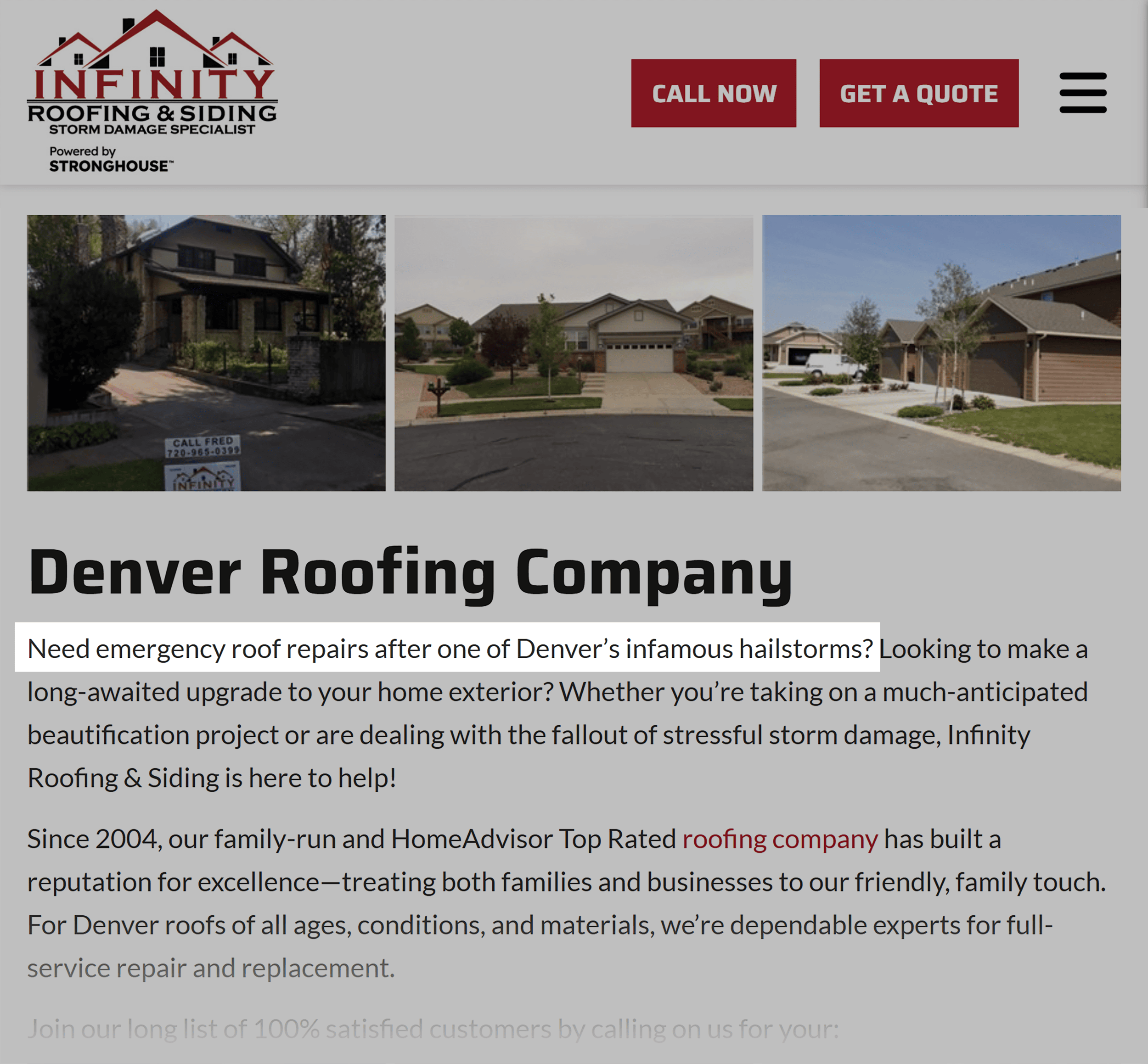
Infinity Roofer, for instance, dominates the Denver metro area not by opening fifty offices, but by creating service area pages that speak to local pain points—such as "Denver’s infamous hailstorms." This builds an immediate, visceral connection with the reader.
The Strategy: Matching Intent to Content
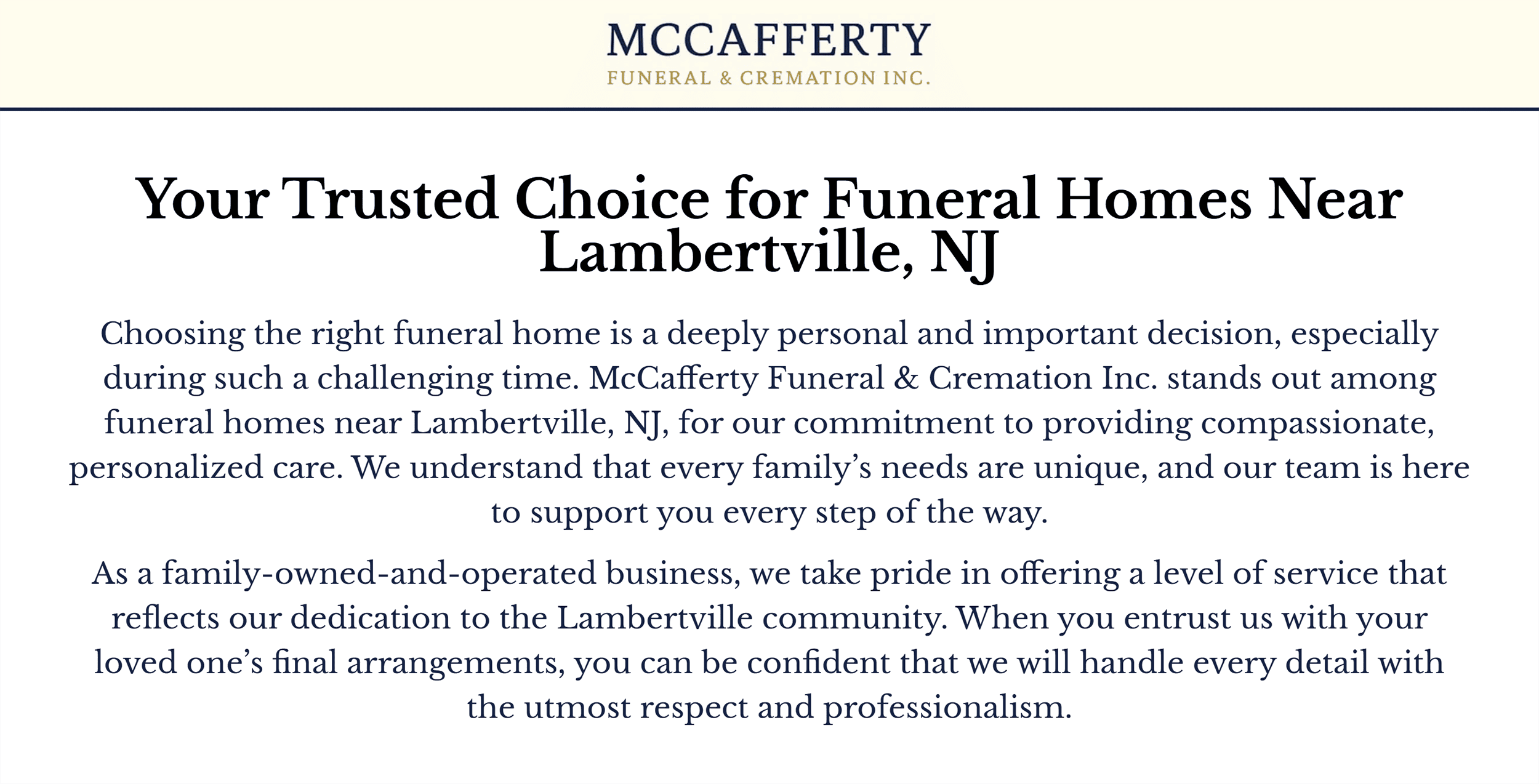
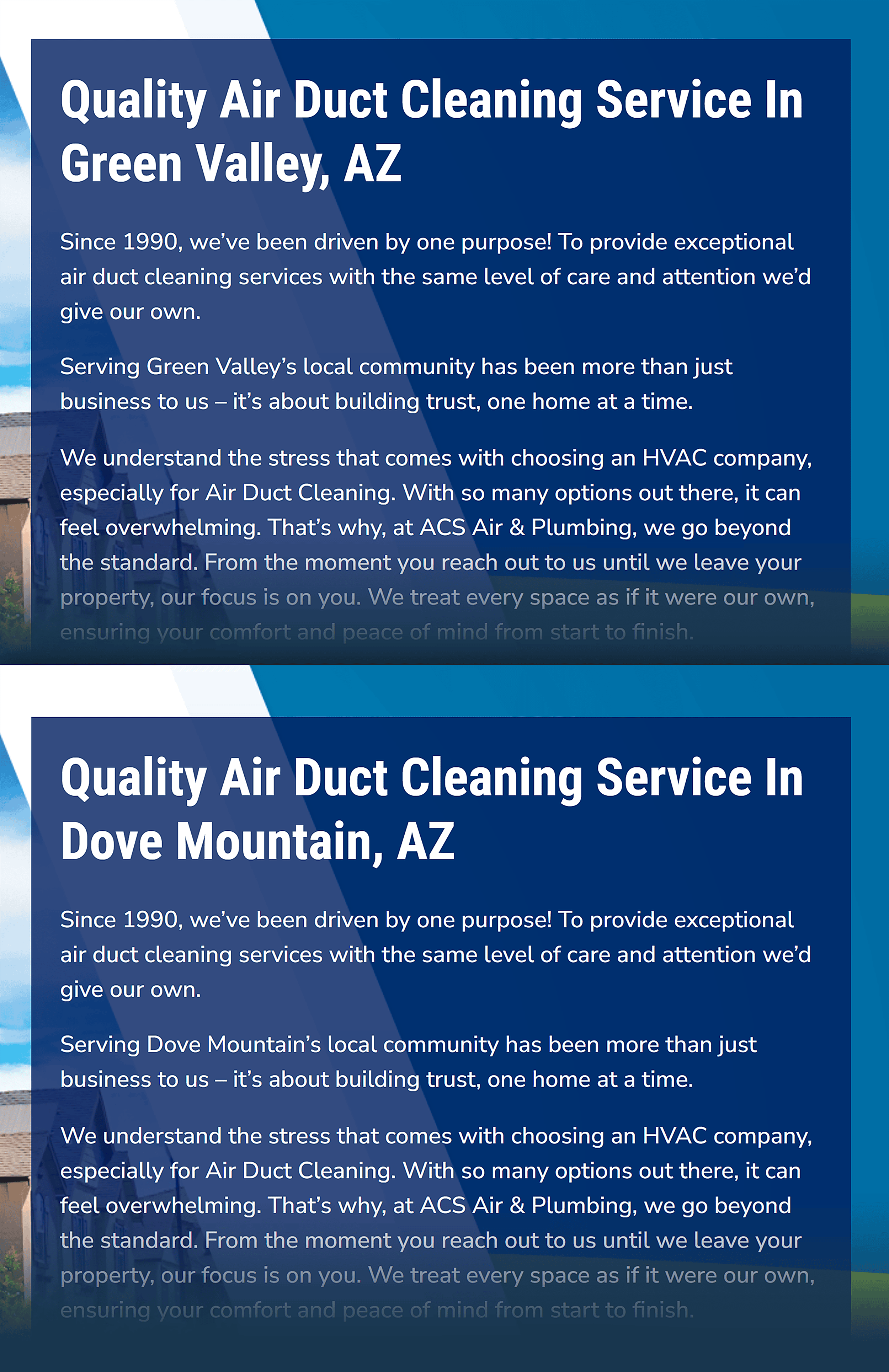
The most common failure in location-based marketing is the "City Name Swap." If you are a business in Tucson and you have 20 pages that are identical except for the city name in the header, Google’s quality filters will eventually flag them as duplicate content.
The Power of Hyperlocal Detail
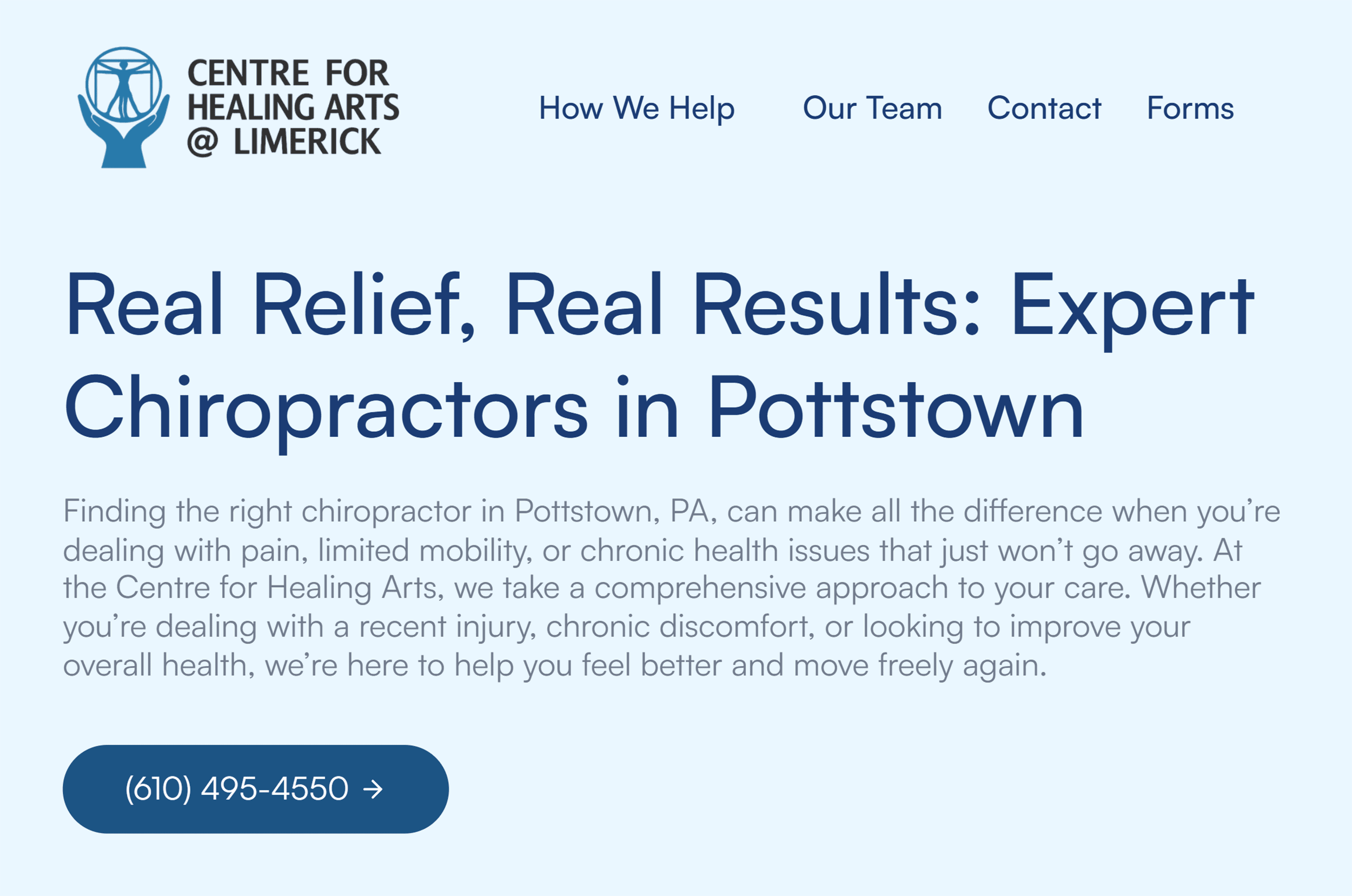
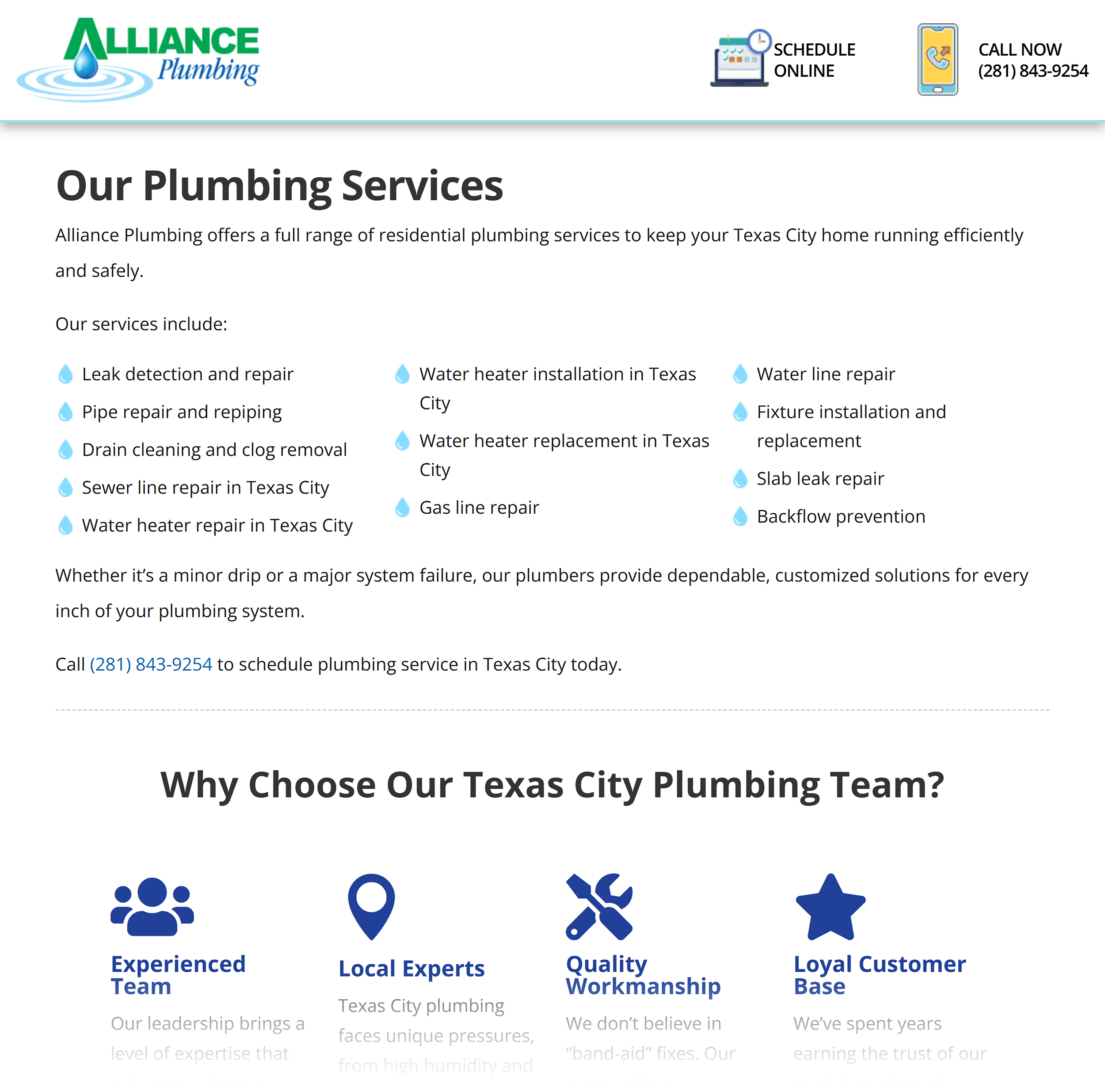
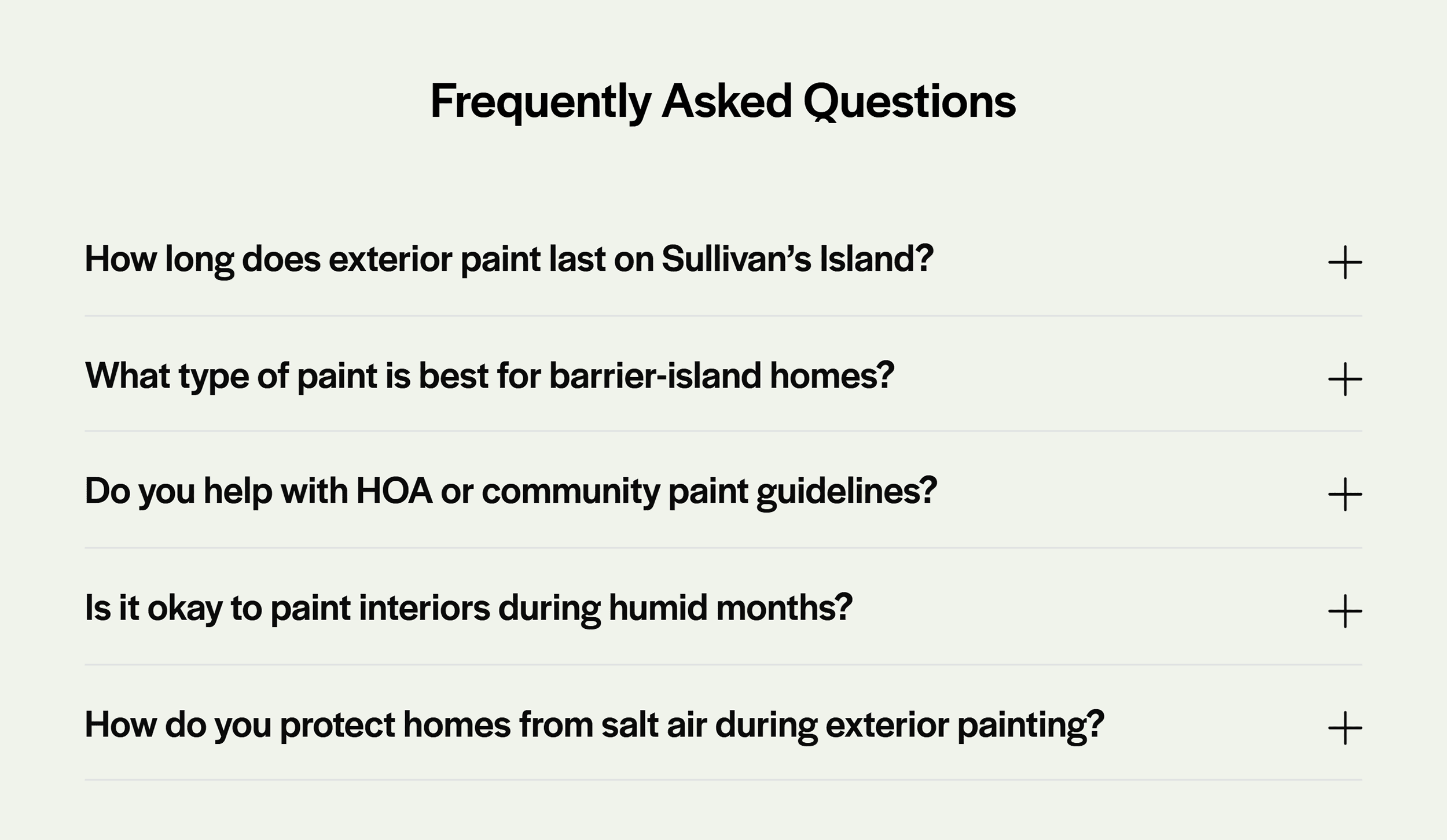
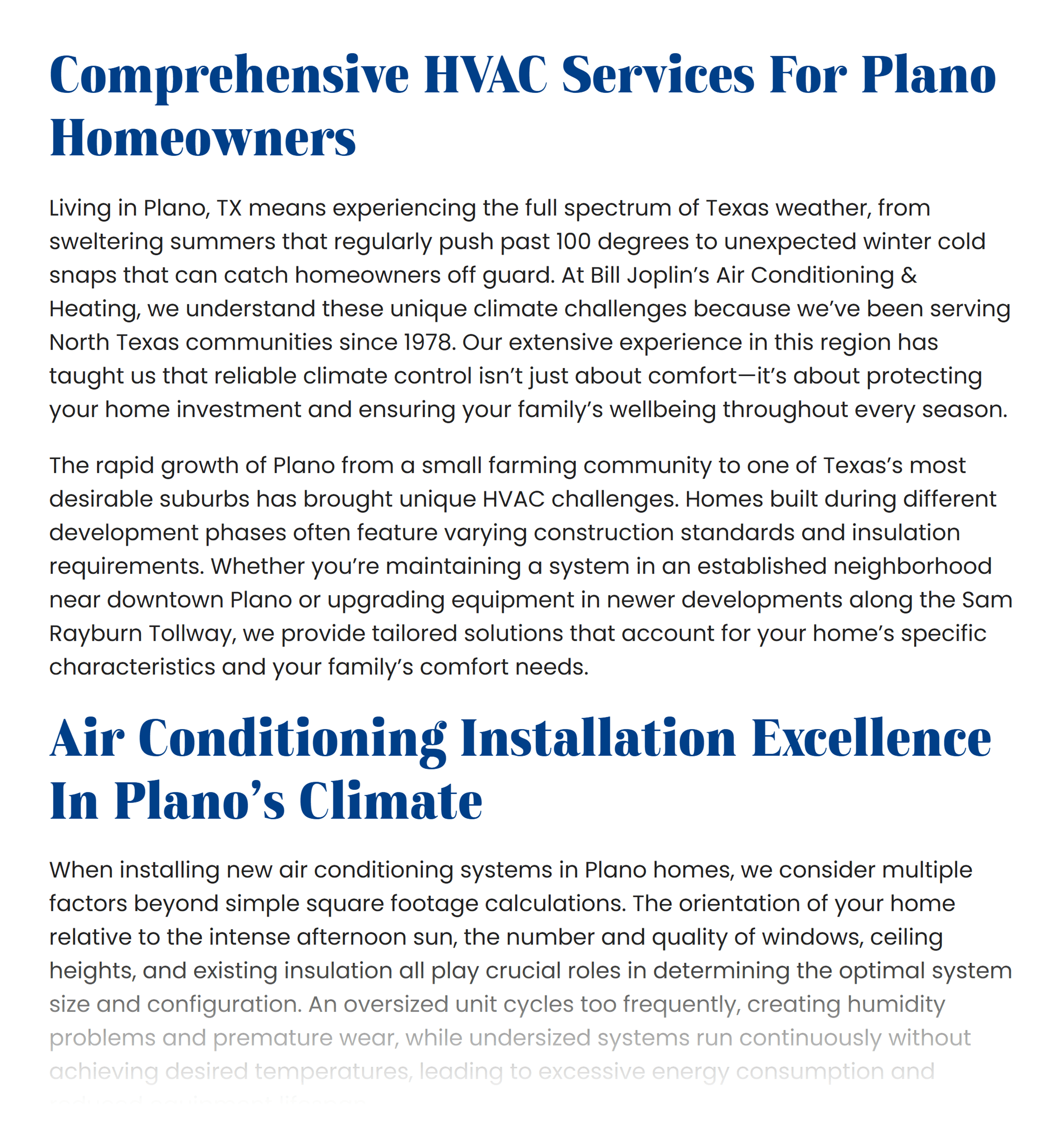
To rank, you must provide details that only a local operator would know. For a house painting company, this might include FAQs about local historic preservation requirements in a specific district. For an HVAC company, it involves explaining how the specific climate or housing materials in a particular suburb affect energy efficiency.
These are not just "keywords"; they are signals of authority. They tell Google that you are a genuine participant in that local economy.
Right-Sizing Content Depth
Not every location page needs 2,000 words. The rule of thumb is "complexity-based depth."
- Low-Consideration: If you run a local laundromat, the user needs to know the price per load and the hours. Keep it lean.
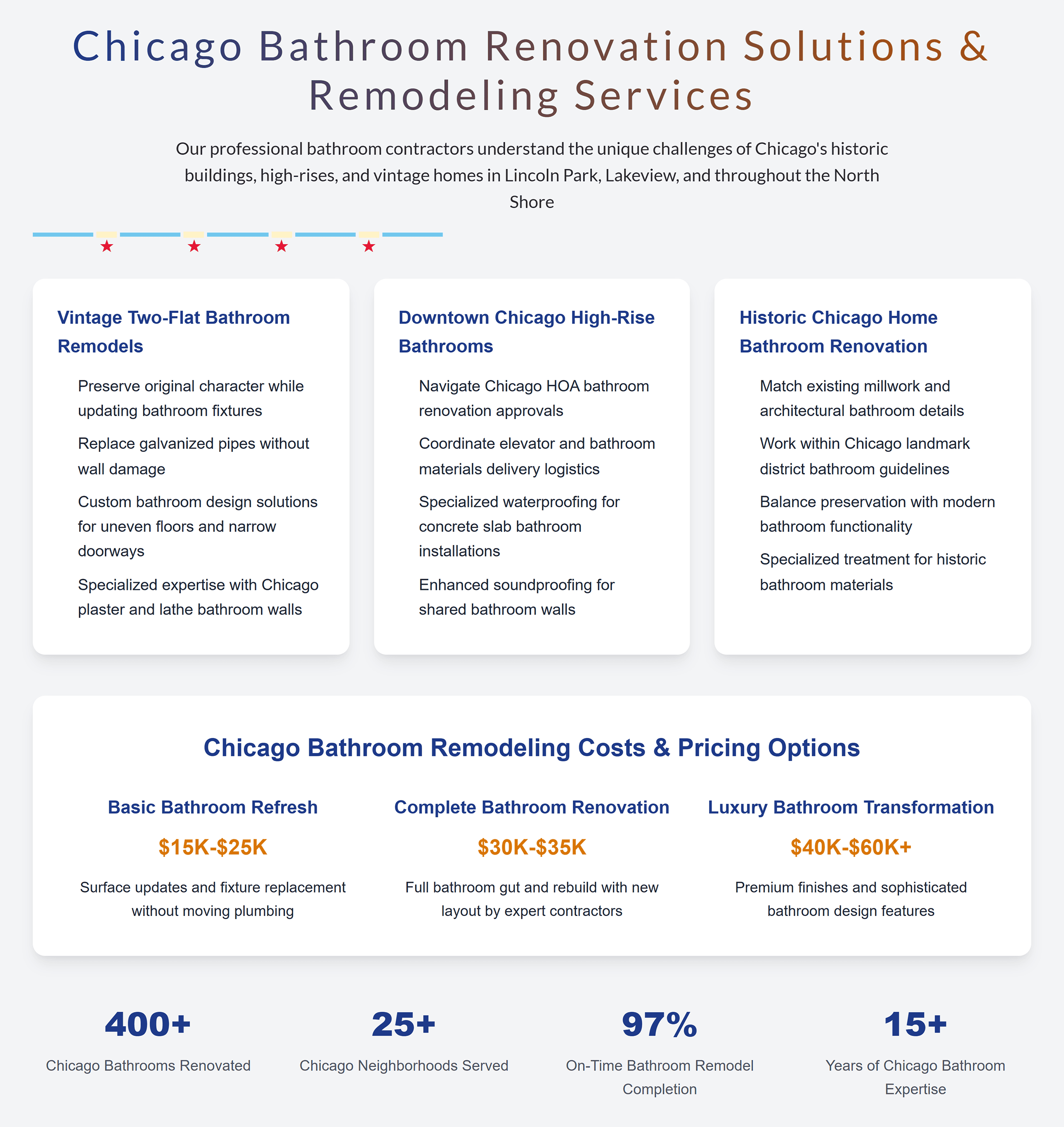
- High-Consideration: If you are a bathroom remodeler, the user is making a massive financial investment. They need to see project scopes, pricing ranges, and potential challenges specific to their local building codes.
How to Capture the AI Citation Market
The search landscape is shifting toward AI-generated answers. When a user asks an AI for the "best plumber in [city]," the AI pulls data from its training set and real-time index.
Structure for Parsability
AI models love data they can parse. By using clear H2 and H3 headings, comparison tables, and FAQ sections, you make it easy for an LLM to "read" your business.
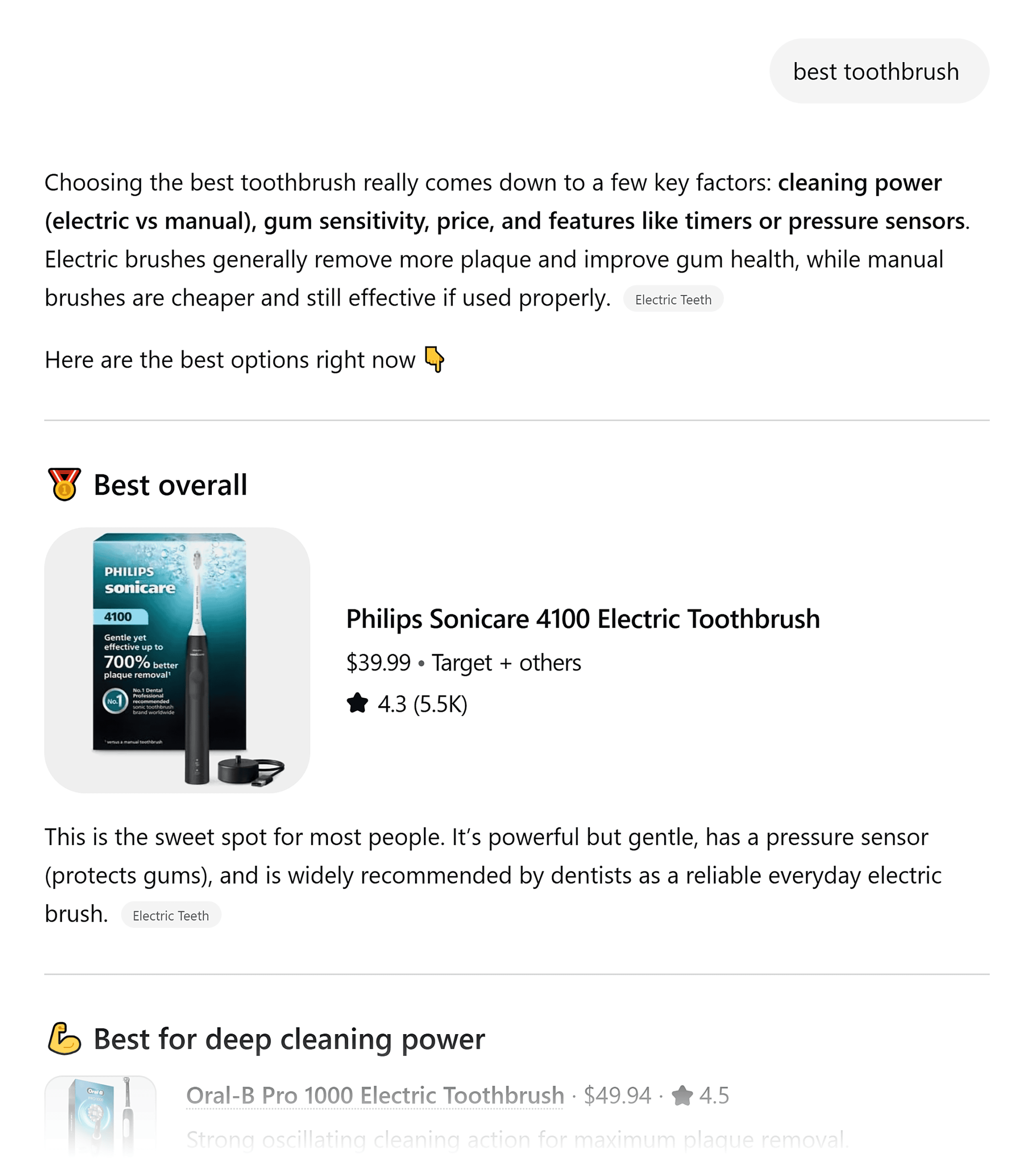
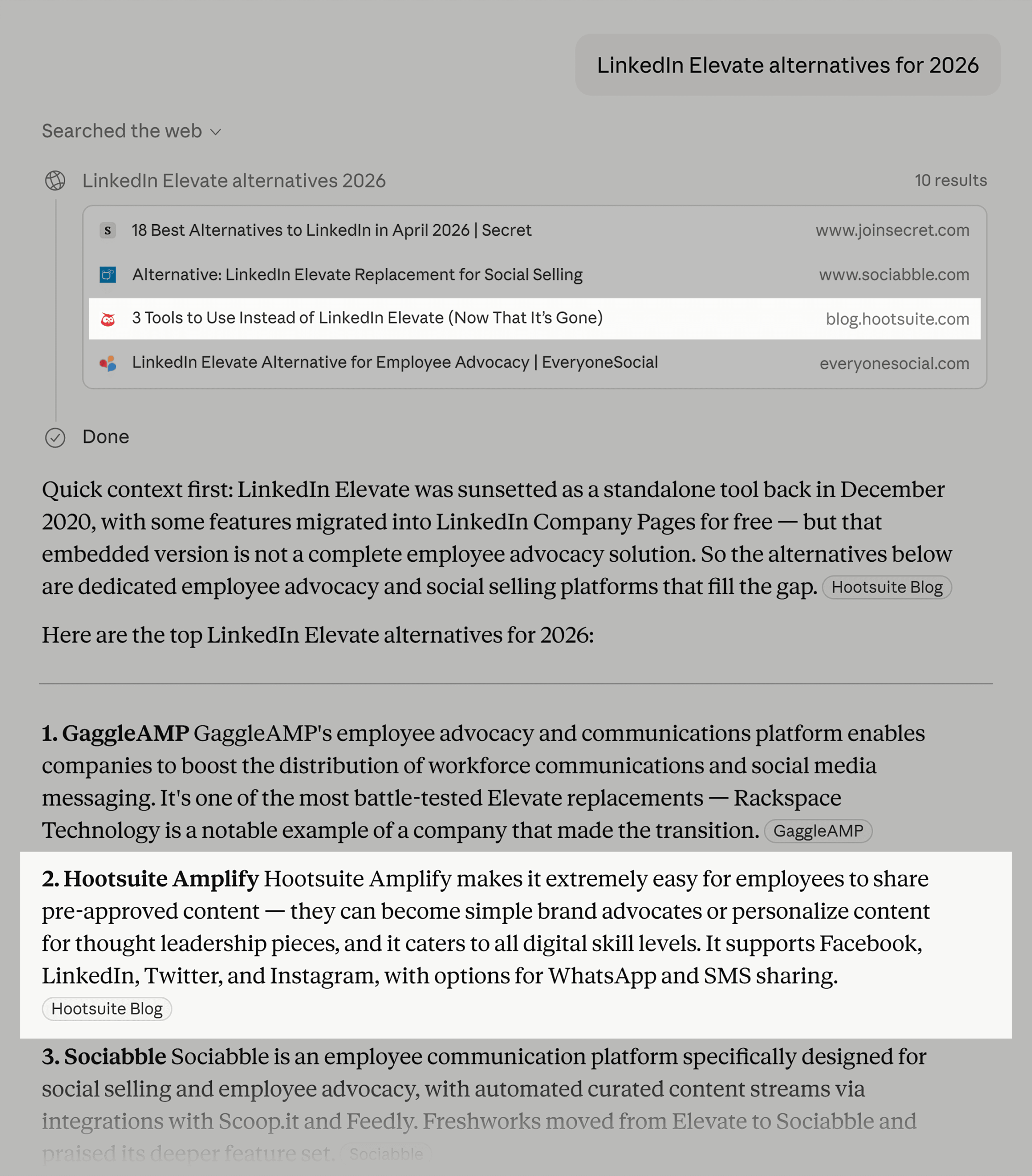
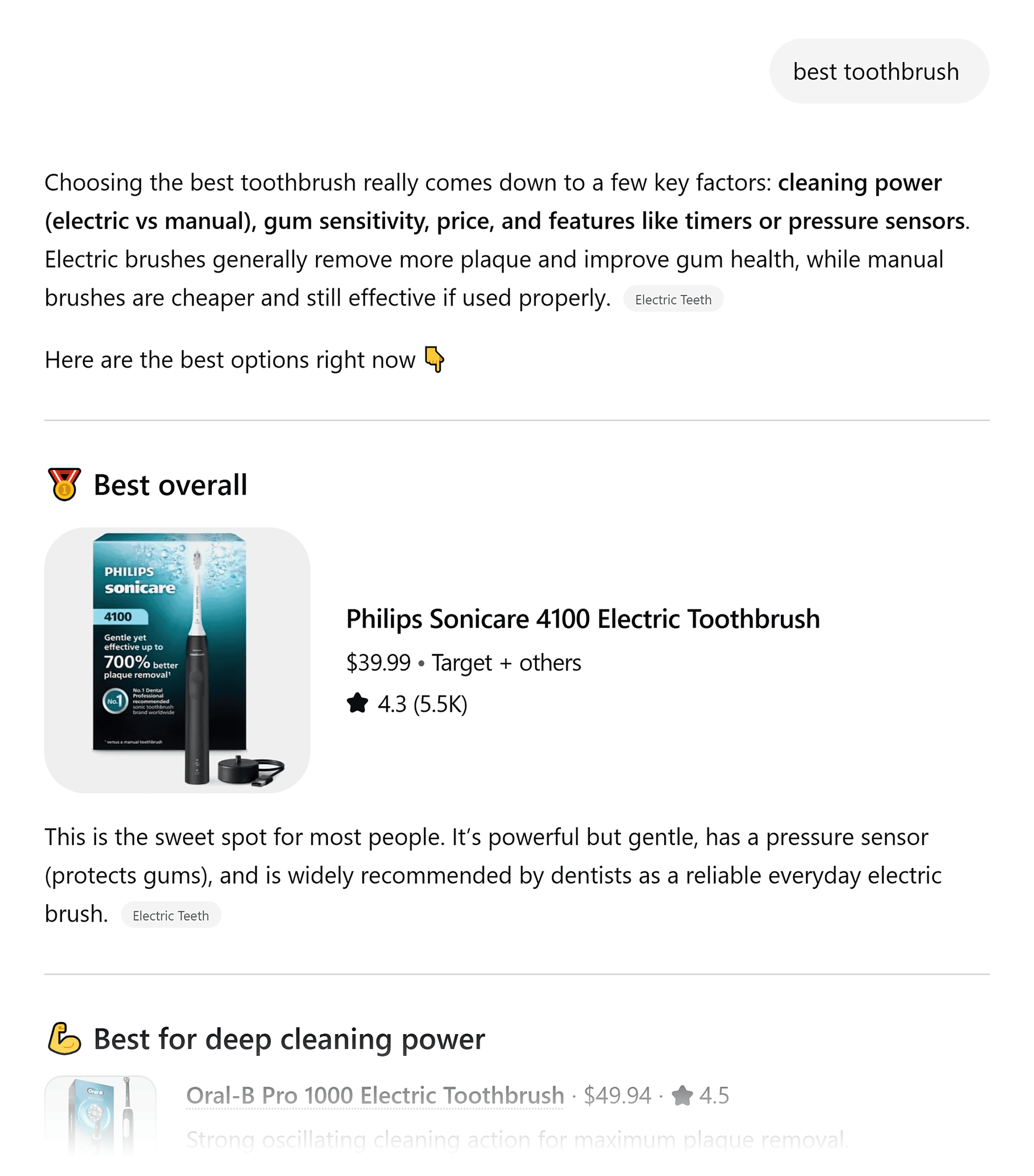
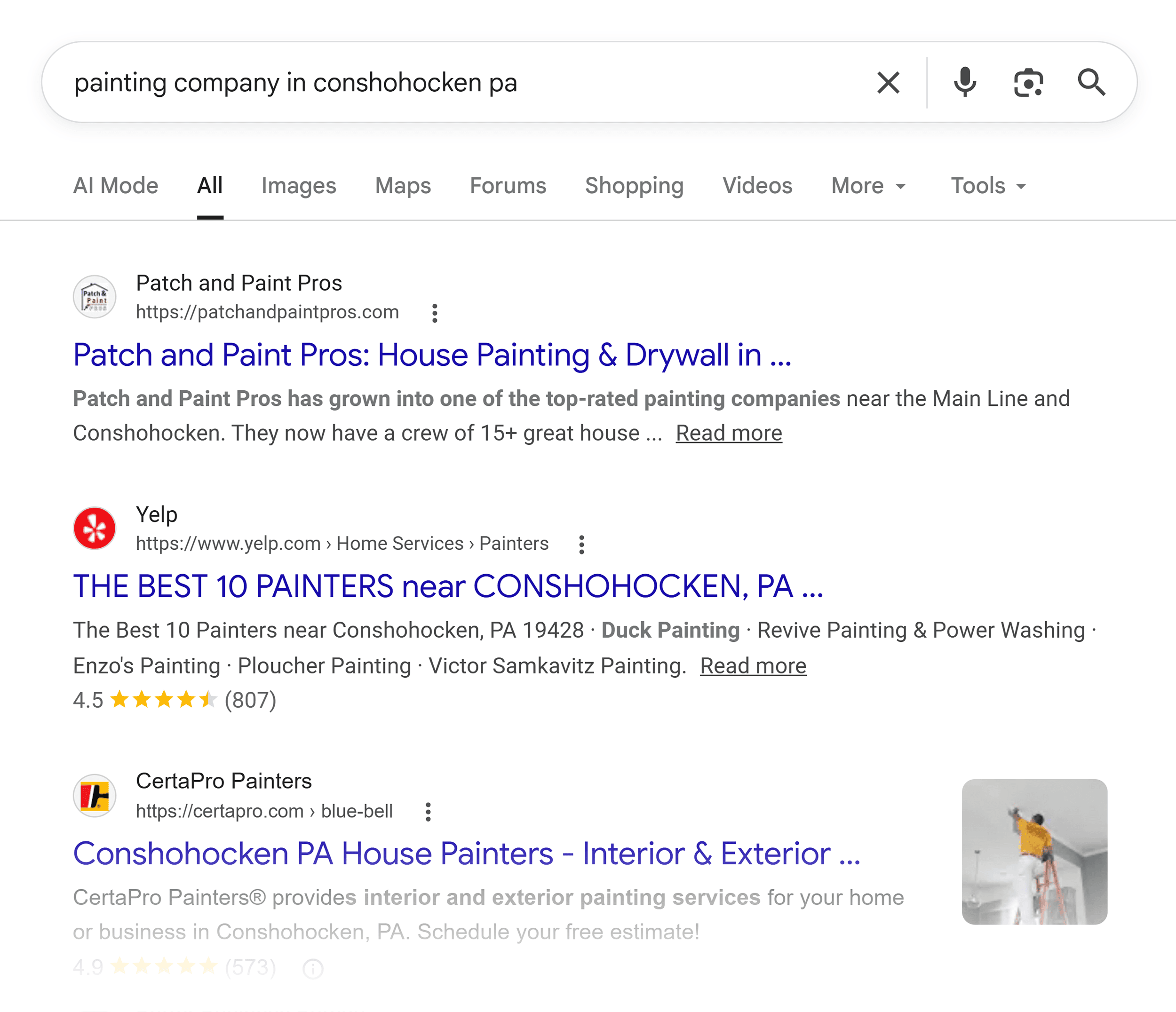
My analysis of over 700 AI-generated citations for local queries revealed a critical insight: Platforms have different "sources of truth."
- Google AI Mode leans heavily on platforms like Yelp and Reddit.
- ChatGPT prioritizes editorial "best of" lists.
- Perplexity frequently cites business websites directly.
To win, you need to diversify. Being featured on a local "Top 10" list or a neighborhood blog is no longer just a PR win—it is a technical requirement for being recommended by an AI.
Enterprise Scaling: Avoiding the "Duplicate" Trap
For enterprises with hundreds of locations, the challenge is maintaining brand standards while preventing the "thin content" penalty.
The Hybrid Team Structure
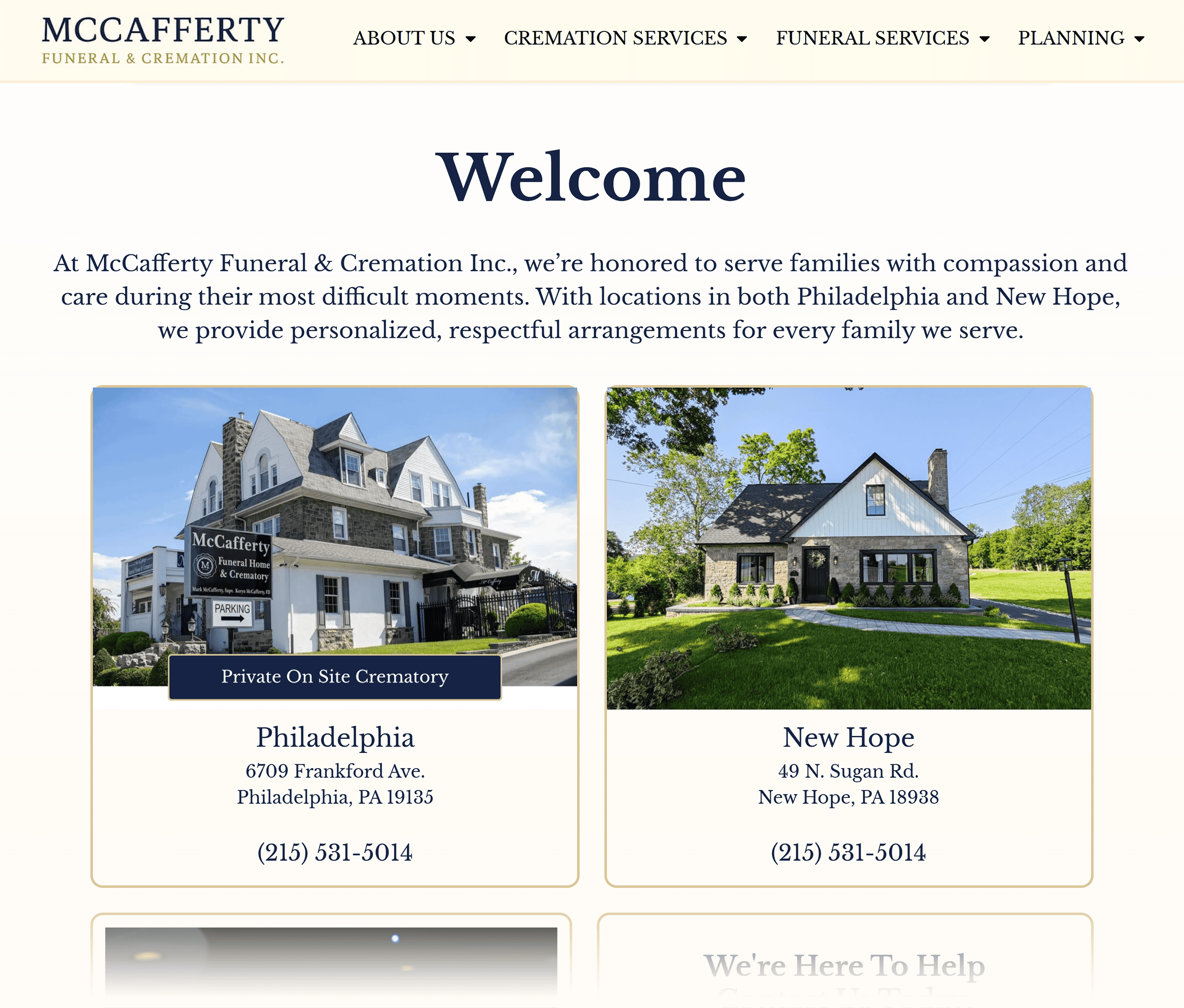
The most successful organizations use a hybrid content model. The corporate/centralized team owns the templates, legal disclaimers, and core service descriptions. Local teams, however, are given the "keys" to add testimonials, staff bios, and photos of local work. This ensures that every page feels authentic rather than manufactured.
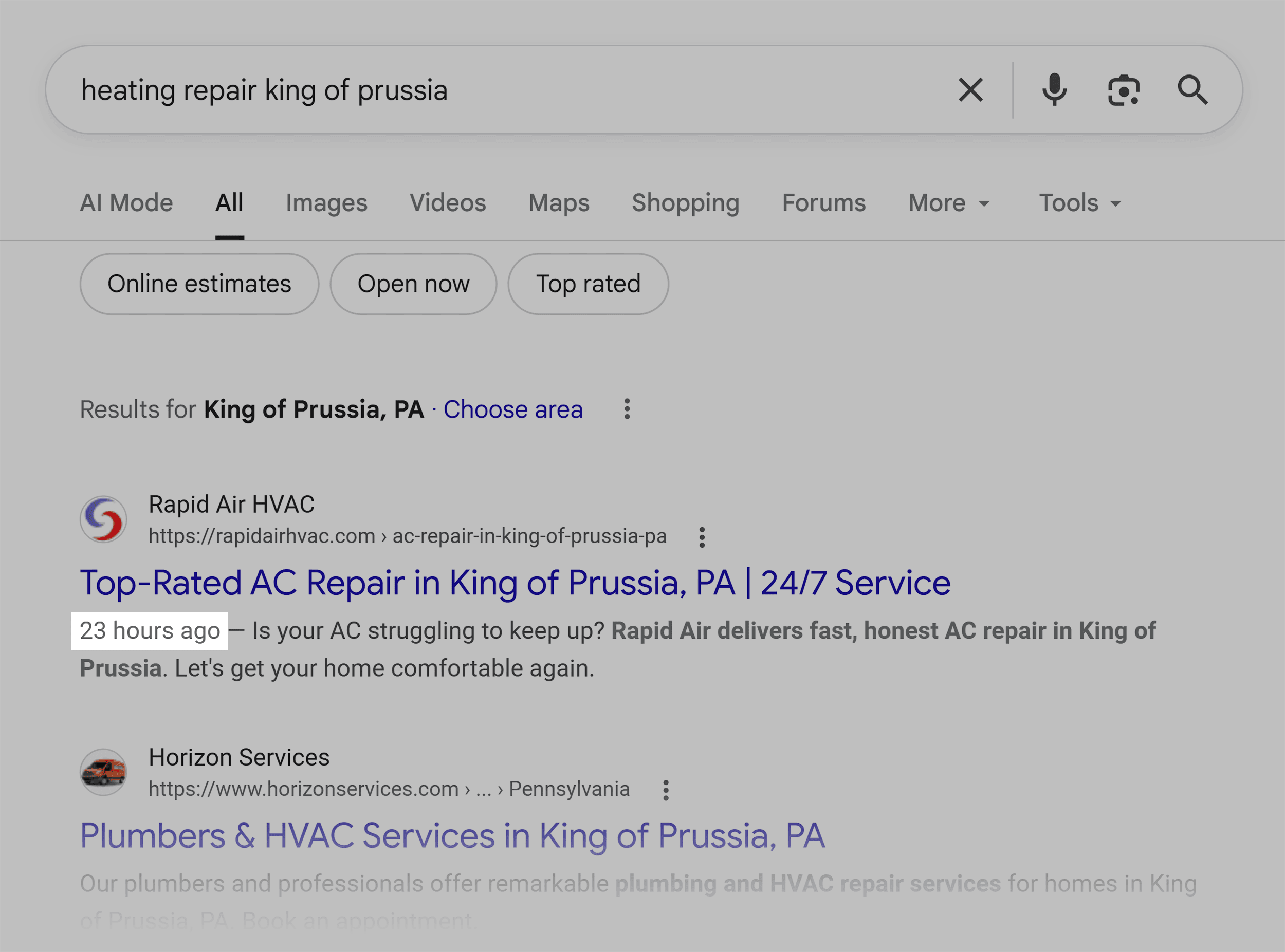
The Linking Hierarchy
For a business with multiple offices and dozens of service areas, your site structure must be intentional.
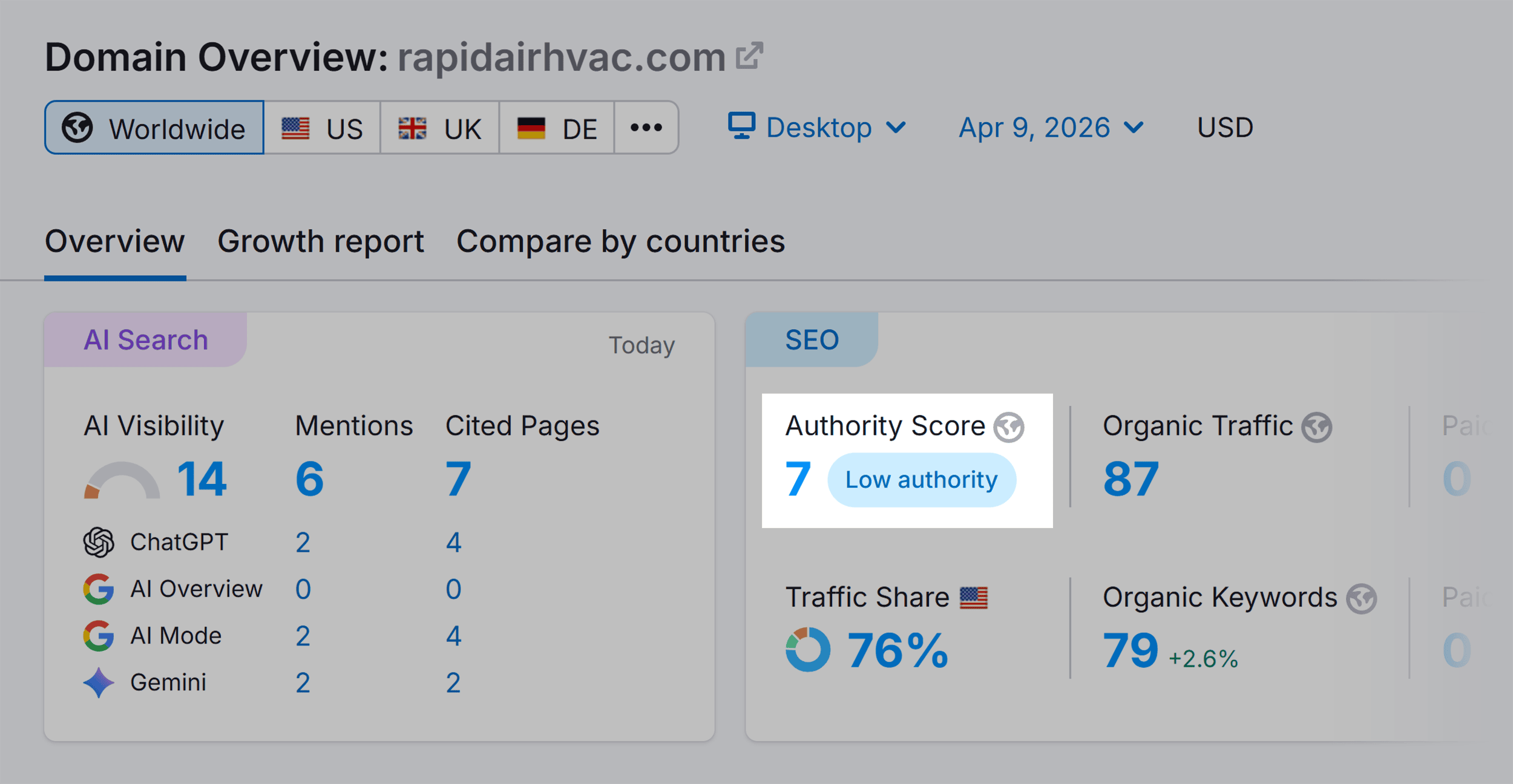
- Service area pages should link back to the nearest physical hub.
- Physical location pages should link out to the surrounding service areas they cover.
This creates a clear, logical hierarchy that search engines interpret as a cohesive, professional network.
Conclusion: Start Small, Iterate Often
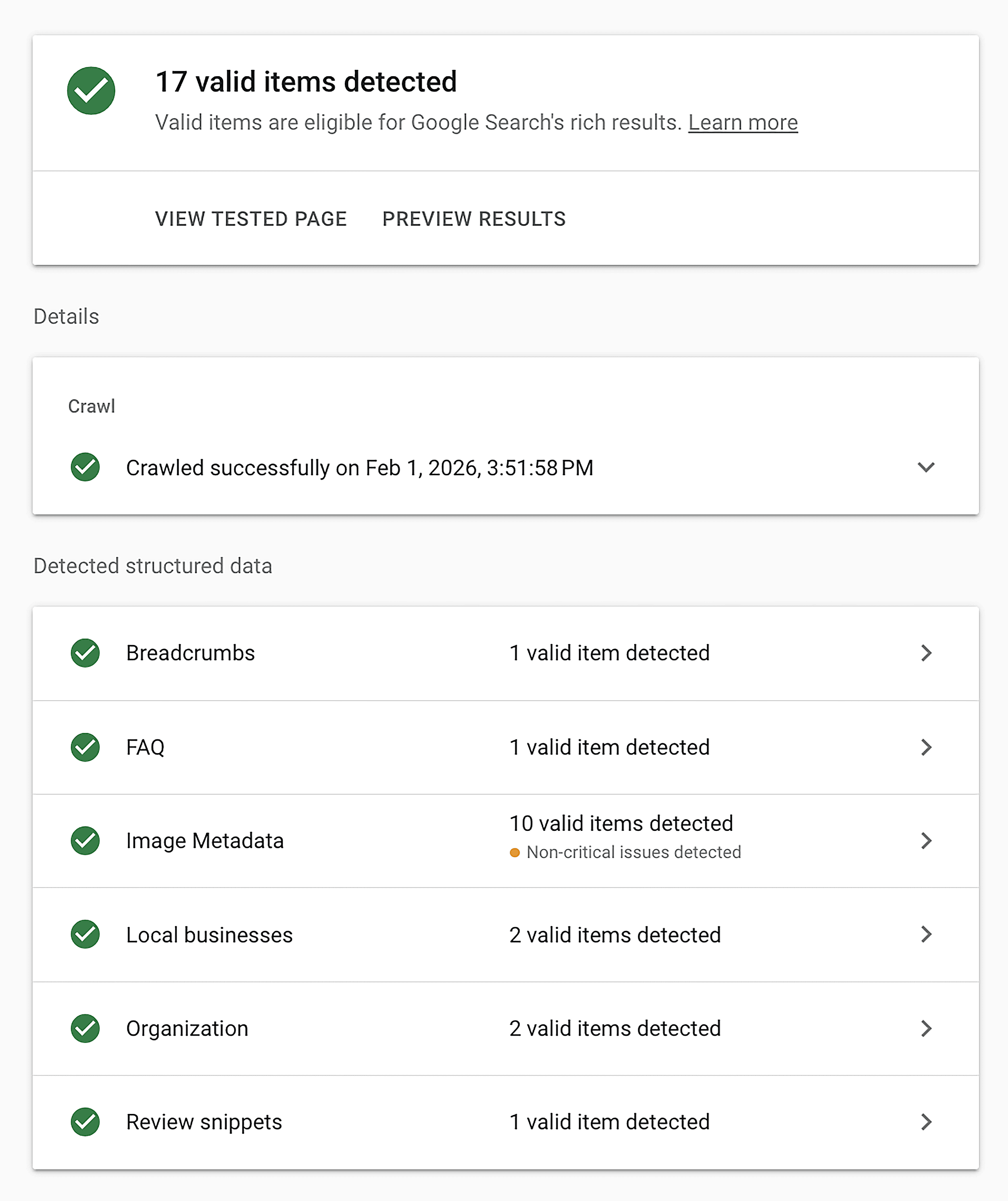
Do not attempt to launch 50 location pages in a single week. Start with one. Optimize it for search intent, ensure the schema markup is perfect, and secure at least one local, third-party citation.
Once that page starts driving traffic and converting, use it as your "gold standard" template. The businesses that dominate local search in 2026 and beyond will be the ones that stop treating their location pages as an afterthought and start treating them as a core component of their digital product.

One well-built page can be the difference between being invisible in a search and being the first recommendation an AI gives to a local resident. In a competitive market, that is not just an SEO advantage; it is a business imperative.