In an era increasingly defined by digital isolation and the algorithmic silos of social media, one global movement continues to defy the trend: the WordPress community. What began as an open-source software project in 2003 has matured into a global ecosystem that transcends code, acting as a profound vehicle for human connection, professional development, and personal fulfillment.
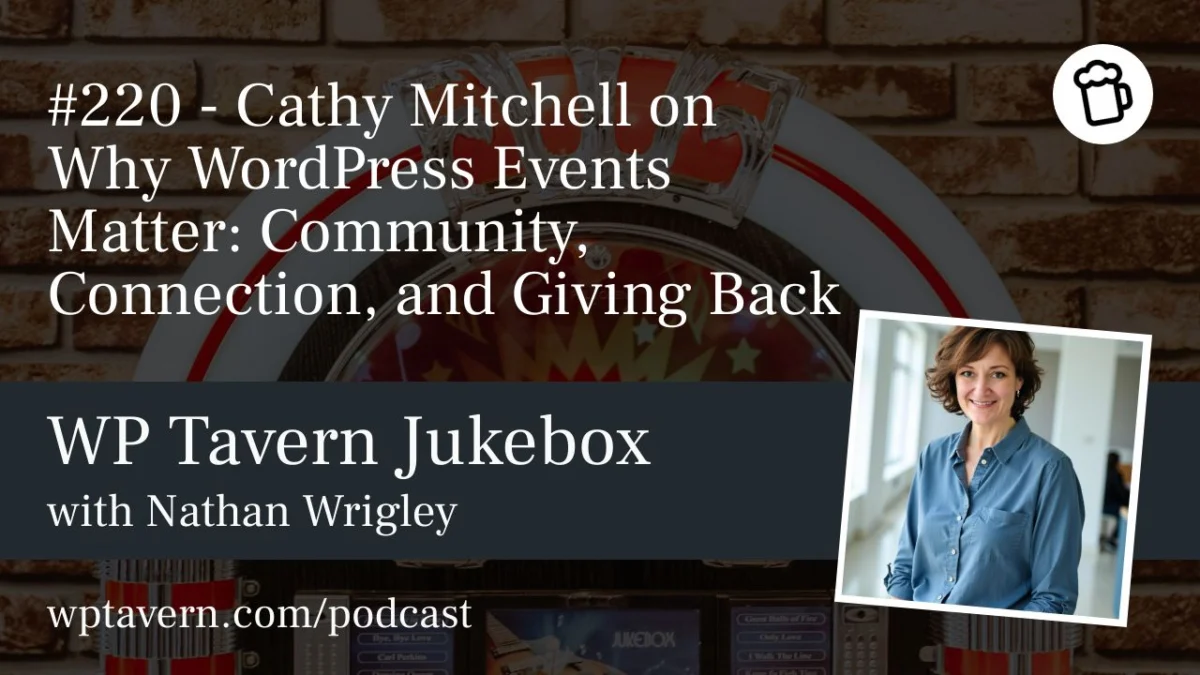
In a recent episode of the WP Tavern Jukebox podcast, host Nathan Wrigley sat down with Cathy Mitchell, a long-time WordPress professional and the lead organizer for the upcoming 2026 WordCamp Canada. Their conversation peeled back the layers of the WordPress experience, revealing why this specific community remains, in the words of its members, "the most open, welcoming, and international" space in the tech industry today.
A Legacy of Openness: The Evolution of a Community
The story of WordPress is not merely a tale of software development; it is a story of a low-barrier, high-impact culture. Cathy Mitchell, who launched her business, WPBarista, in 2008, traces her journey back to the early support forums.
"I didn’t even know what the internet was as a broad concept," Mitchell admits. "I had no idea about PHP or HTML. But in 2008 and 2009, some of the biggest names in the industry were answering our ‘ridiculous’ questions in the support forums. They were learning from the best of the best, and they never made us feel like outsiders."
This culture of "the default is yes" remains the hallmark of the WordPress community. Unlike traditional corporate environments where institutional red tape and hierarchical gatekeeping prevent newcomers from contributing, the WordPress community is famously egalitarian. Whether one is a seasoned developer or a newcomer on maternity leave, the invitation to contribute—and lead—is almost universal. This accessibility has fueled the project’s growth for two decades, creating a unique sense of belonging that many members, including Mitchell, describe as an antidote to the loneliness of modern professional life.
Chronology of Connection: From Forums to Global Stages
The growth of the WordPress community can be mapped through the evolution of its events.
- 2003–2007: The Foundation: WordPress emerges as a blogging tool, relying on grassroots support forums to build its user base.
- 2008–2012: The Rise of WordCamps: The first official WordCamps begin to take place, formalizing the transition from online support to in-person connection.
- 2013–2019: Stratospheric Growth: WordPress achieves a significant share of the global internet, with WordCamps growing into massive, highly polished international events.
- 2020–2023: The Pandemic Pivot: The community adapts to remote collaboration, reinforcing the importance of digital infrastructure while facing the challenges of an increasingly digital-only existence.
- 2024–2026: The New Era: As the project navigates the rise of AI and economic shifts, the focus returns to the "human side" of the project—mentorship, youth engagement, and the sustainability of open-source values.
The Loneliness Epidemic: Technology as a Double-Edged Sword
One of the most pressing topics discussed was the paradox of technology. While the internet was designed to bring people together, recent data suggests that the digital age has inadvertently contributed to a global crisis of loneliness.
Mitchell cited a 2023 report from U.S. Surgeon General Vivek Murthy, which declared loneliness a public health epidemic. The report’s findings are staggering: the health impact of chronic loneliness is equivalent to smoking 15 cigarettes a day. Even more concerning, the data shows that younger generations—the very people who grew up with the most advanced connectivity—report the highest levels of isolation.
"Service is an antidote to loneliness," Mitchell notes. Within the WordPress community, the act of volunteering—whether organizing a conference, moderating a forum, or contributing to documentation—provides a "shared task" that fosters genuine camaraderie. For those in the "empty nester" phase of life, or for young professionals seeking a sense of purpose, the community offers a rare, non-transactional environment to build meaningful relationships.
Economic Realities and the Case for Altruism
A common question faced by organizers like Mitchell is the "Return on Investment" (ROI) of sponsorship. In a tighter economic climate, businesses are naturally more cautious with their budgets. However, the conversation suggests that the value of the WordPress community extends far beyond direct financial gain.
Supporting open-source projects provides businesses with a competitive edge in ways that are difficult to quantify on a balance sheet. These include:
- Talent Acquisition: Being a visible supporter of the WordPress project makes a company a destination for top-tier talent.
- Vetting and Trust: Active participation in the community allows agencies and product companies to interact with prospective employees and partners in a low-stress, high-trust environment.
- Market Health: If the ecosystem thrives, individual businesses within it thrive. The "rising tide" metaphor is deeply embedded in the corporate strategy of many WordPress-centric firms.
Despite these benefits, the pressure to demonstrate ROI is mounting. As the industry matures and competition increases, the community is moving toward a more professionalized model of sponsorship, balancing the need for corporate support with the core values of an open-source project.
The Future: Engaging the Next Generation
The long-term viability of WordPress rests on its ability to attract the next generation of contributors. Mitchell is particularly passionate about the intersection of education and open source.
"We need to get young people involved," she says. "I don’t even care if it’s WordPress or not, but they need to become part of a community that is exciting and beyond themselves."
Initiatives like "Campus Connect" and efforts to integrate WordPress contributions into university curricula are gaining momentum globally. By providing students with the opportunity to earn academic credits for their contributions to open source, the community is creating a pipeline for future leaders who understand that the internet is a public utility—one that requires stewardship, not just consumption.
Implications: The "Secret Sauce" of WordPress
So, what is the secret sauce? Why does WordPress, unlike so many other tech communities, maintain this persistent "nice" factor?
The discussion pointed to a combination of factors:
- The Power of Shared Tasks: When people point in the same direction—whether that is organizing a conference or solving a bug—the walls between "corporate" and "volunteer" break down.
- The Absence of Gatekeepers: The barrier to entry remains intentionally low, allowing for a diversity of thought and experience that is often stifled in more formal environments.
- Altruism as a Driver of Happiness: Research suggests that one of the strongest indicators of human happiness is the amount of time and energy one gives away with no expectation of a return. WordPress provides an infinite playground for this kind of altruism.
As Cathy Mitchell prepares for the 2026 WordCamp Canada, she views the event not just as a conference, but as a crucial milestone in the life of the community. "I am finding it immensely rewarding," she says. "Everybody loves to do something they’re good at, and when you do it in the company of people who are pulling in the same direction, it’s transformative."
In an increasingly fragmented world, the WordPress community stands as a testament to the fact that when we build together, we do more than just create websites—we create a home. For those looking for a way to connect, contribute, and find a sense of belonging in the digital age, the door to the WordPress community remains wide open.
For those interested in connecting with the community or learning more about upcoming events, visit canada.wordcamp.org or follow the ongoing discussions at wptavern.com.