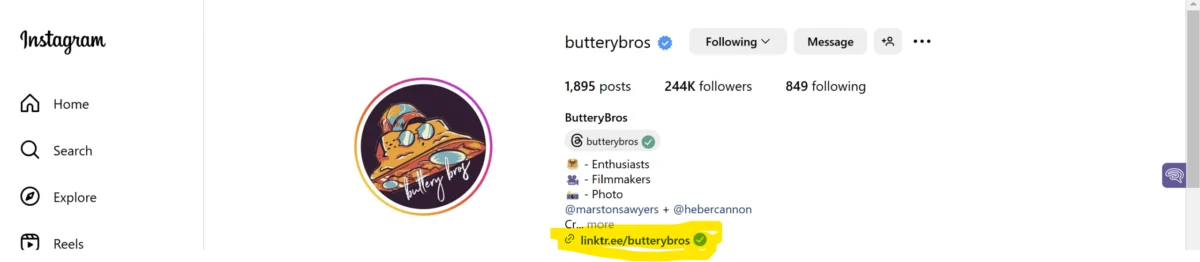
In the modern digital landscape, a brand’s presence is fragmented across dozens of platforms. From Instagram and TikTok to YouTube and LinkedIn, creators and businesses are constantly fighting for the limited attention span of their audience. The greatest bottleneck in this digital ecosystem is the "single link" restriction—the infamous limitation where social platforms allow only one URL in your profile bio.
For years, this forced marketers to choose: do you link to your latest product launch, your website homepage, or your most recent YouTube video? Today, the industry standard has shifted toward "link-in-bio" landing pages, with Linktree emerging as the dominant player. But what exactly is Linktree, and is it still the best choice for your 2025 marketing strategy?
Main Facts: What Is Linktree?
At its core, Linktree is a specialized landing page builder designed specifically for social media creators, influencers, and businesses. It acts as a central digital hub, housing all of your most important links in one mobile-optimized, easily accessible directory.
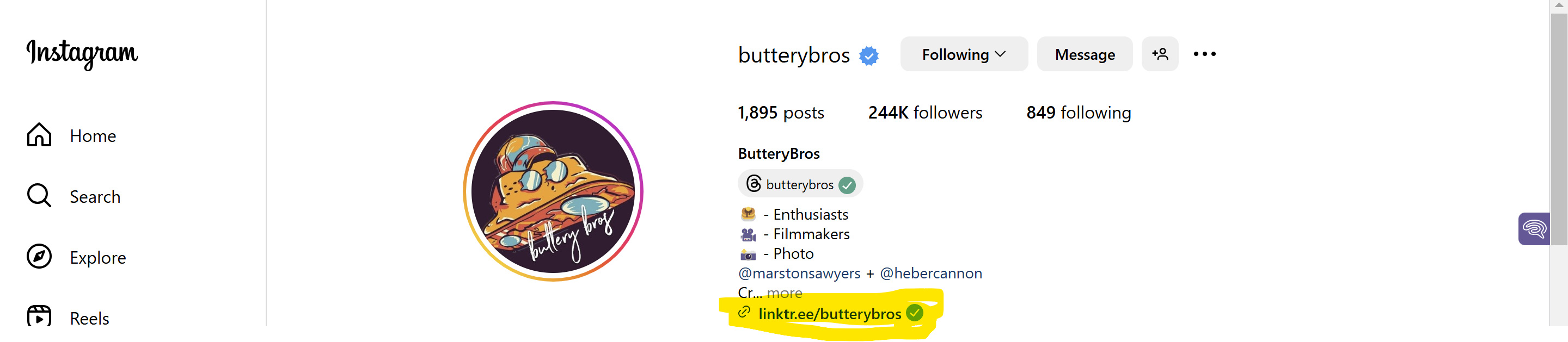
When a follower clicks your "link-in-bio" on Instagram or X (formerly Twitter), they aren’t taken to a static website homepage that may be difficult to navigate on mobile; they are directed to a clean, curated list of buttons. Each button serves as a gateway to your secondary digital assets: your latest blog post, a newsletter sign-up form, a Shopify storefront, or affiliate product pages.
Unlike a traditional website, Linktree is built for speed and conversion. It eliminates the "decision fatigue" that occurs when a user lands on a complex website and doesn’t know where to click. By funneling users toward specific, high-intent actions, you can significantly increase the ROI of your social media traffic.
Chronology: The Evolution of the "Link-in-Bio"
To understand why Linktree is essential, we must look at the timeline of social media marketing:
- 2010–2015: The Era of Link Decay. During the early rise of Instagram, marketers were forced to use "link in bio" as a call-to-action that required constant manual updates. If you launched a new product, you had to edit your profile link, rendering the old link inaccessible.
- 2016: The Birth of Linktree. Alex Zaccaria, Anthony Zaccaria, and Nick Humphreys founded Linktree in 2016 to solve their own frustration while running a digital agency. The concept was simple: a single URL that leads to a menu of many.
- 2018–2020: Mainstream Adoption. As influencer marketing exploded, Linktree became a household name. Platforms like Instagram and TikTok began to embrace the ecosystem, and competitors like Beacons and Milkshake began to emerge.
- 2021–2024: The Creator Economy Pivot. Linktree transitioned from a simple link holder to a full-blown monetization platform. They introduced features like tipping, commerce integrations, and email list building, moving beyond just "navigation" into "conversion."
- 2025 and Beyond: AI-Driven Personalization. Today, the focus has shifted toward AI-assisted design, real-time analytics, and hyper-personalized landing pages that change based on who is viewing them.
Supporting Data: Why It Matters for Conversions
Data consistently shows that social media users are impatient. Research from industry analysts suggests that if a landing page takes more than three seconds to load, bounce rates increase by over 30%. Because Linktree is optimized specifically for mobile, it mitigates these bounce rates.
Furthermore, Linktree’s internal analytics have revealed that users who utilize a well-structured "link-in-bio" page see a significantly higher Click-Through Rate (CTR) on their secondary links compared to those who only link to a generic website homepage.
For brands, the "link-in-bio" is often the second-most visited page after the social profile itself. By using a tool that tracks which specific link is clicked, businesses gain data-backed insights into what their audience actually cares about—whether it’s a sale, a specific piece of content, or a contact form.
Official Perspectives: Is It Worth the Investment?
While Linktree offers a robust free tier, the debate often centers on whether businesses should upgrade to the "Pro" plan.
The Case for Free: For startups and individual creators just starting out, the free version is more than sufficient. It provides the core functionality—a central hub—without any upfront costs. While it features the Linktree logo, the impact on brand authority is negligible for early-stage accounts.
The Case for Pro: Professional marketers and established brands argue that the Pro version is an essential business expense. The primary "official" advantages cited by power users include:
- Customization: The ability to remove the Linktree logo and use custom branding (fonts, colors, and background images) ensures the page feels like an extension of your website, not a third-party tool.
- Advanced Analytics: Pro users get granular data on traffic sources, allowing them to optimize their marketing funnel.
- Scheduling: The ability to schedule links to go live during a product launch and expire when a sale ends is a vital feature for e-commerce brands.
Implications: Building a Sustainable Strategy
If you are going to use a tool like Linktree, you must treat it with the same level of design care as your primary website. Here are the implications for your brand’s digital health:
1. Optimize for Clarity
Do not overwhelm your users with too many links. The most effective Linktree pages contain 5 to 7 high-impact links. Anything more, and you risk diluting your primary call-to-action.
2. Prioritize the Hierarchy
Your most important link—usually your primary revenue generator or your newsletter sign-up—should be at the very top. Use "Priority Links" or "Leap" features (available in some tools) to draw the eye to your most critical offer.
3. Use Thumbnails and Icons
Visual learners are more likely to click if they see a small image representing the link. Whether it’s a product photo or a YouTube thumbnail, imagery increases engagement.
4. Integration with Your Marketing Stack
Your Linktree should be a living, breathing part of your marketing stack. If you are running an email campaign, ensure the Linktree is updated to reflect that campaign’s landing page. If you are trending on TikTok, ensure the "Link-in-bio" is the first thing people see when they visit your profile.
Alternatives: Navigating the Market
While Linktree is the industry leader, it is not the only fish in the sea. Depending on your business needs, you may want to consider:
- Milkshake: Ideal for users who want their link-in-bio to look more like a mini-website or a series of Instagram Stories. It is highly visual and very easy to set up on a mobile device.
- Beacons: This platform is often preferred by creators who want more "mini-app" functionality, such as built-in store builders, tip jars, and complex email marketing integrations.
- Koji: A unique alternative that focuses on "mini-apps." Koji allows you to embed interactive tools—like games or custom forms—directly into your landing page, which can be highly effective for engagement-driven marketing.
Conclusion: The Path Forward
In 2025, a "link-in-bio" is not just a placeholder; it is your digital front door. It is where passive viewers turn into active leads. Whether you choose the reliability and brand recognition of Linktree or explore the niche features of an alternative, the goal remains the same: reducing friction.
By consolidating your digital presence, you empower your audience to explore your brand on their own terms. Start small, track your data, and iterate. As your audience grows, your Linktree should evolve with it, acting as a dynamic, high-converting bridge between your social media presence and your bottom line.
Ready to Master Your Online Presence?
Building a brand in 2025 requires more than just a link. It requires a strategy. If you are looking to accelerate your growth, consider investing in professional education. With over 1,000 lessons on branding, social media strategy, and digital marketing, the right resources can turn a simple link-in-bio into a high-powered sales funnel. Take the next step in your entrepreneurial journey today.