In the modern digital landscape, the "one-size-fits-all" approach to email marketing is no longer just ineffective—it is an existential risk to your brand. For years, e-commerce managers have relied on behavioral tracking, inferring consumer intent from clicks, page views, and purchase history. But as third-party cookies crumble and consumer privacy regulations tighten, that reliance on "inferred" data is becoming a liability.
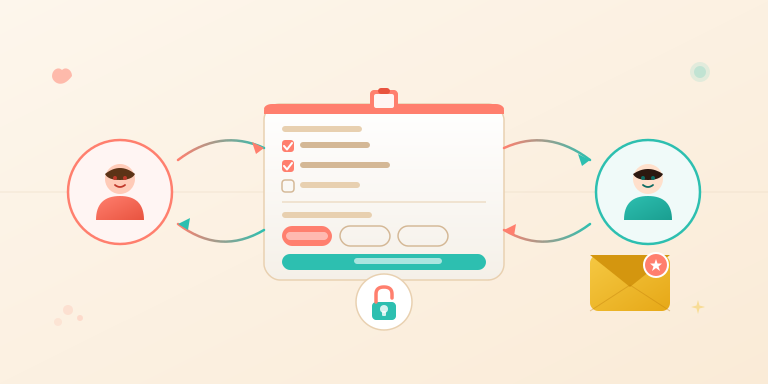
Enter zero-party data: the information a customer intentionally and proactively shares with a brand. Unlike behavioral data, which guesses at motives, zero-party data provides the answers directly. It is the shift from observing a customer to having a conversation with them.
The Evolution of Data: A Chronology of the Inbox
To understand why zero-party data has become the industry’s primary focus, we must look at the trajectory of digital tracking:
- The Era of Third-Party Tracking (2010–2018): Brands relied heavily on cross-site tracking to build profiles of users based on their activity across the web. It was invasive but highly effective for retargeting.
- The Privacy Awakening (2018–2022): With the introduction of GDPR in Europe and the CCPA in California, along with Apple’s Mail Privacy Protection, the ability to track users via pixels and cookies was severely throttled.
- The First-Party Pivot (2022–2024): Brands scrambled to collect their own behavioral data—what users did on their specific websites. While better, it still relied on "inference." If a user bought a moisturizer, you assumed they had dry skin.
- The Zero-Party Revolution (2024–Present): Forward-thinking brands are now bypassing inference entirely. By asking customers directly about their needs, budget, and pain points, they are building databases based on truth rather than probability.
Why Inference is Failing You
Consider a typical e-commerce scenario: You send a blast campaign to your entire list regarding a new moisturizer. In that list, you have the customer who bought it to combat chronic eczema, the customer who bought it as a last-minute birthday gift, and the customer who is looking for a budget-friendly daily routine.
By treating these three individuals as a single segment, you dilute your brand’s relevance. When you rely on inference, you aren’t just guessing; you’re missing the context that drives conversion. Zero-party data closes this gap by allowing you to segment your audience based on their actual reality.
The Mechanics of Collection: Quizzes and Surveys
If zero-party data is the destination, quizzes and surveys are the vehicles. However, not all data collection is created equal.
1. The Power of the Pre-Purchase Quiz
The most effective zero-party data tool is the interactive, value-driven quiz. A high-performing quiz should function less like a data-extraction form and more like a personalized consultation. By asking five to eight targeted questions, a brand can provide immediate value—a customized product recommendation—while simultaneously feeding that data directly into an email platform.
The key here is mapping. If a customer selects "oily skin" in your quiz, that data must trigger a specific, automated flow that highlights products for oily skin. If the answer doesn’t change the outcome, you have simply wasted the user’s time.
2. Post-Purchase Surveys: The Unsung Hero
While quizzes capture intent at the top of the funnel, post-purchase surveys bridge the gap after the sale. Sending a survey 24 to 48 hours after product delivery is an underutilized goldmine. By asking "Why did you choose this product?" or "Who are you buying for?", you uncover segments you never knew existed—such as gift-givers, who have a completely different buying cycle than repeat, personal-use customers.
3. Preference Centres: Empowering the Subscriber
The most common mistake brands make is giving subscribers only two options: receive everything or unsubscribe. A robust preference centre allows users to curate their own experience. By allowing subscribers to select the frequency of communication and the topics they are interested in, you transform an "unsubscribe" event into a "re-engagement" event. A subscriber who manages their preferences is a subscriber who is actively invested in your brand.
Official Industry Perspectives: The Shift Toward Trust
Industry experts at Forrester Research, who coined the term "zero-party data," argue that this shift is fundamental to brand longevity. As consumers become more protective of their digital footprint, the "value exchange" becomes the most critical component of the relationship.
"Customers are willing to share information," says one industry analyst, "but only if they perceive that the data they provide results in a more personalized, efficient, and valuable shopping experience." In short, transparency is no longer a legal requirement; it is a competitive advantage.
Implications for Your Marketing Infrastructure
Moving to a zero-party data model requires more than just good intentions—it requires the right technical stack. If your email service provider (ESP) cannot store custom properties or trigger automations based on specific, granular user input, your data will simply sit in a spreadsheet, gathering dust.
Platforms like Omnisend have emerged as leaders in this space by allowing brands to store custom properties at the individual subscriber level. This allows for:
- Dynamic Segmentation: Creating lists that update in real-time based on the answers provided in quizzes.
- Triggered Automations: Launching a welcome flow that acknowledges the user’s specific skin condition or budget preferences from the very first email.
- Unified Profiles: Combining behavioral history (what they bought) with zero-party data (what they told you they needed) to create a 360-degree view of the customer.
Turning Data into Revenue
The final step is the most critical: the execution. Every piece of data you collect must have a "job." If a survey reveals that a customer is a beginner in your niche, your automation flow should provide educational, introductory content rather than aggressive sales pitches for advanced products.
When you align your messaging with the specific needs a customer has explicitly stated, your conversion rates rise. You aren’t "marketing" to them anymore; you are solving their problems.
Conclusion: Earning Your Place in the Inbox
The brands that dominate the next decade will not be those with the largest lists, but those with the most meaningful relationships. In a world of automated, generic, and spam-heavy marketing, the brand that listens is the brand that wins.
Zero-party data is the bedrock of this new, trust-based marketing model. It is the difference between shouting into the void and starting a conversation. By implementing quizzes, leveraging surveys, and building sophisticated preference centers, you signal to your customers that you respect their time and their needs.
For those looking to migrate or upgrade their infrastructure, platforms like Omnisend offer the necessary tools to turn this data into actionable, high-converting email programs. With migration services that handle the heavy lifting of moving your lists and templates, the barrier to entry is lower than ever. In an era where trust is the most valuable currency, zero-party data is how you bank it. Start by asking your subscribers what they want—you might be surprised by how eager they are to tell you.