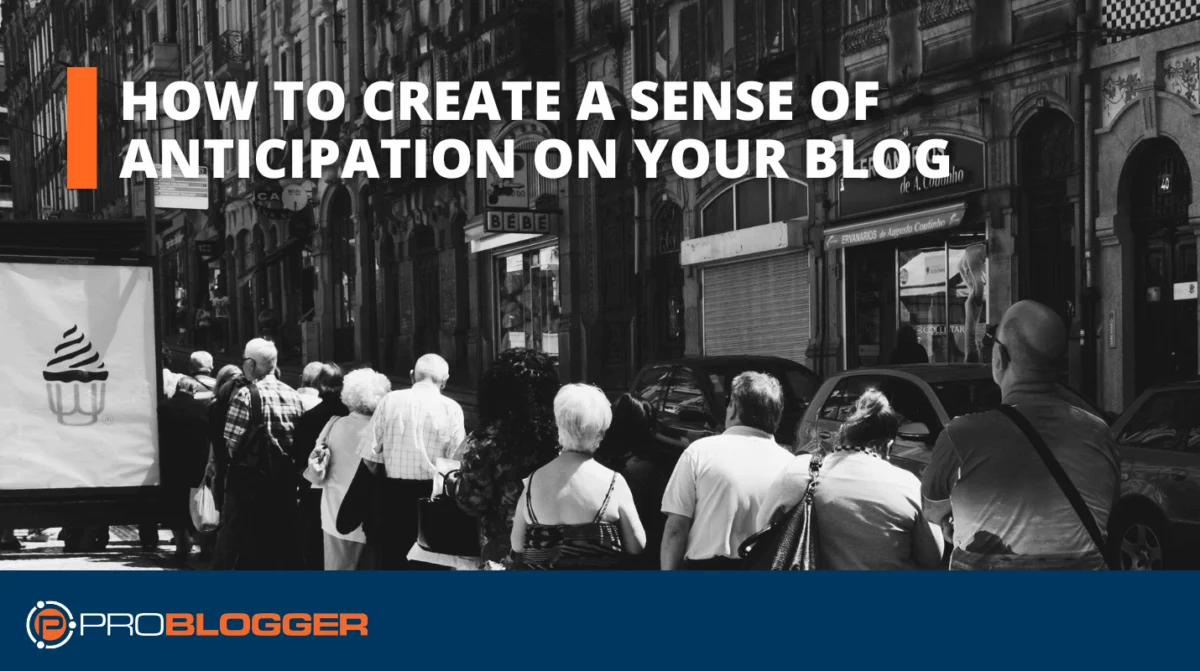
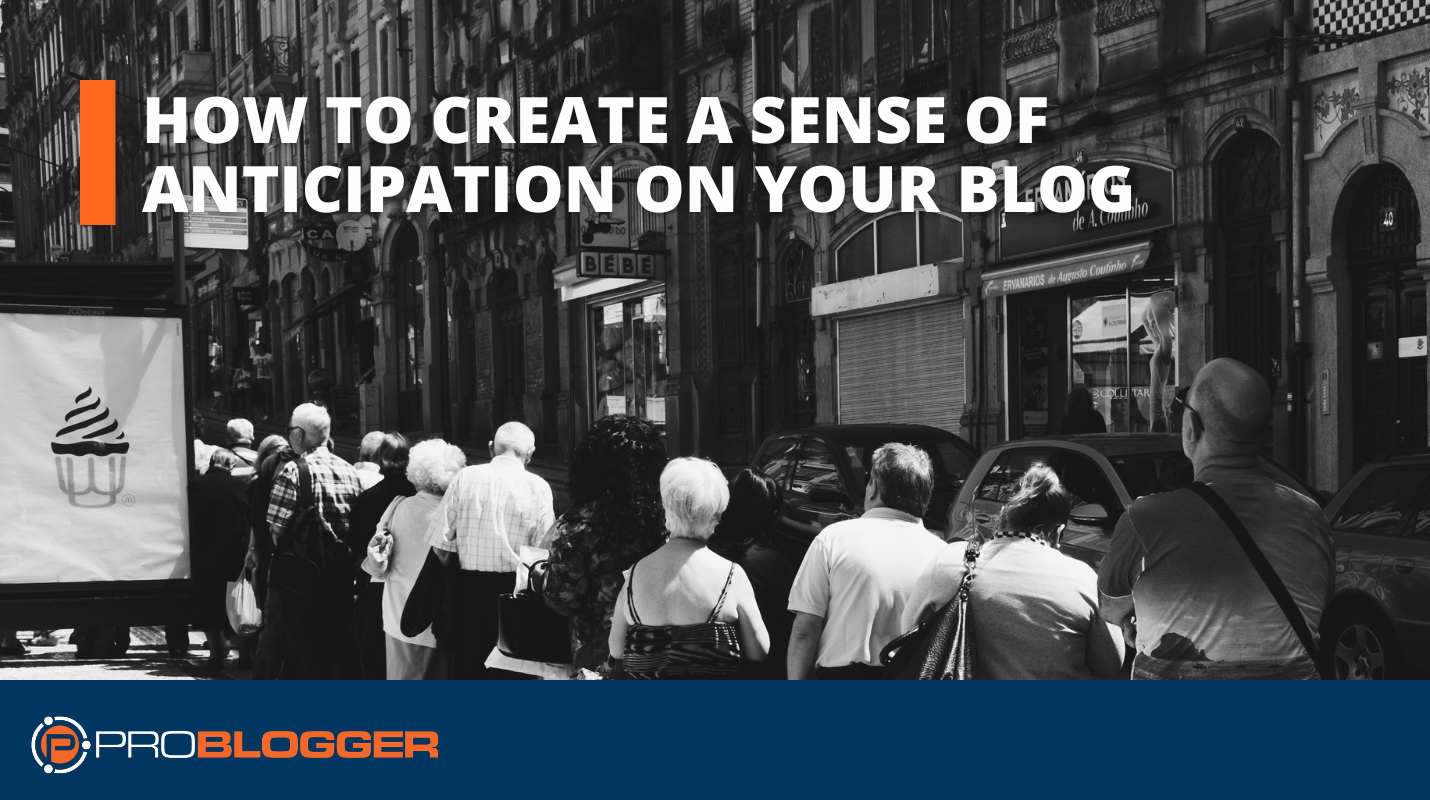
In the rapidly evolving landscape of digital publishing, the success of a blog is rarely measured by the sheer volume of traffic. Instead, the true metric of longevity and influence is the size and engagement of a loyal subscriber base. Readers do not subscribe to a blog simply because they enjoyed a single post; they subscribe because they possess a calculated expectation that the creator will continue to deliver value, insight, and entertainment in the future.
Creating a sense of "anticipation"—the psychological bridge between a casual visitor and a long-term subscriber—is the hallmark of a professional blogger. This article explores the strategic methodologies for converting first-time readers into lifelong followers by leveraging your most potent asset: your historical content.
The Core Philosophy: Leveraging Proven Value
At its heart, the process of building a subscriber base is a matter of establishing trust. When a user arrives on a blog, they are evaluating the creator’s authority, voice, and consistency. The most compelling argument for a future subscription is a history of high-caliber output.
Your past and current articles are not mere digital archives; they are your most effective advertisements. By presenting new visitors with your "greatest hits," you demonstrate the ongoing value proposition of your platform. The logic is simple yet profound: if a reader connects with a specific, high-quality post, they are statistically more likely to seek out more of the same. Therefore, the strategy of highlighting past excellence is not merely about archiving; it is a deliberate marketing maneuver designed to convert interest into commitment.
Chronology of Audience Development
To understand the trajectory of a successful blog, one must look at how user behavior has evolved alongside content strategy. In the early days of blogging, many creators relied on chronological feeds, hoping that new content would naturally capture attention. However, as the digital ecosystem became saturated, "discovery" became a challenge.
- The Discovery Phase: A visitor arrives at a specific page, usually via a search engine or a referral link. This is the "moment of truth."
- The Evaluation Phase: The visitor scans the page for relevance and quality. They are essentially asking: "Does this creator understand my needs?"
- The Engagement Phase: If the content satisfies their query, the visitor begins to explore related topics.
- The Conversion Phase: The visitor encounters a clear, compelling invitation to subscribe, based on the trust built during the engagement phase.
The transition from a casual visitor to a subscriber occurs when the blog provides a structured pathway to this "greatest hits" content, effectively shortening the time it takes for a reader to recognize the blog’s broader value.
Supporting Data: Why "Sneeze Pages" and Internal Linking Work
The concept of a "Sneeze Page"—a dedicated landing page that curates a creator’s best work on a specific topic—has become a cornerstone of professional blogging. Data-driven insights from heat-mapping tools, such as CrazyEgg, consistently show that visitors gravitate toward curated sections.
When a visitor is presented with a list of links that promise a comprehensive deep dive into a subject, the bounce rate typically drops significantly. By guiding a user through a "sneeze page," you are effectively increasing the number of page views per session. Each additional page viewed acts as another touchpoint, further solidifying the reader’s connection to the brand.

Moreover, internal linking serves as an evergreen traffic distribution system. By systematically linking to your best-performing posts within new content, you create a web of relevance. Search engines favor this structure, and human readers appreciate the path of least resistance to high-value information.
Official Strategies: How to Implement Anticipation
To build anticipation, creators must move beyond the "chronological feed" mindset. Below are four proven strategies for elevating your content’s visibility:
1. The Power of Sneeze Pages
Sneeze pages act as a hub for your most authoritative content. By grouping articles into categories such as "Beginner’s Guides" or "Advanced Techniques," you simplify the user journey. For example, a photography blog might link to a page titled "Mastering Lighting," which serves as a central point for all relevant tutorials. This not only boosts authority but creates a high-conversion environment for subscriptions.
2. "Best of" Sidebar Sections
A "Best of" section on a homepage or sidebar acts as a constant reminder of the blog’s value. These sections should be updated periodically to reflect current trends and your most popular articles. Heat map data consistently confirms that visitors are highly likely to click on these highlighted items, as they provide a curated experience that filters out the "noise" of the entire archive.

3. Smart Landing Pages
Modern plugins allow creators to detect when a visitor is arriving for the first time. By serving these users a specialized landing page—one that introduces the site and offers a curated selection of "getting started" content—you create a customized welcome mat. This significantly increases the likelihood of a subscription compared to sending a first-time visitor to a generic homepage.
4. Strategic Interlinking
Every new post should be viewed as an opportunity to resurface older, high-value content. When writing, consider how a new topic might relate to a foundational post you wrote months or years ago. This ensures that even your older, "buried" content continues to drive traffic and build your reputation.
Implications: The Long-Term Effect on Brand Authority
The implications of these strategies extend far beyond immediate subscriber numbers. By consistently curating and highlighting your best work, you are building an asset that matures over time.
A blog that is organized and easy to navigate is perceived as a professional resource rather than a personal diary. This perception has massive implications for:

- SEO Rankings: Google rewards sites that keep users engaged and clicking through multiple pages.
- Monetization: A loyal, recurring audience is far more valuable to advertisers and sponsors than a revolving door of one-time visitors.
- Brand Equity: Establishing yourself as a comprehensive, reliable source of information creates a "moat" around your content, making it difficult for competitors to displace your authority.
Conclusion
Building a sense of anticipation is not a matter of luck or viral trends; it is a disciplined, intentional practice. By acknowledging that your past content is the foundation of your future growth, you shift your focus from the "next post" to the "overall journey."
As you implement these strategies—sneeze pages, curated sidebars, smart landing pages, and deliberate internal linking—you will find that the goal is no longer just to get a reader to click, but to give them a compelling reason to return. In the world of professional blogging, that transition is the difference between a fleeting moment of traffic and a lasting digital legacy.
Tomorrow, we will explore the secondary phase of this process: how to maintain this momentum and further heighten the anticipation for upcoming projects and announcements. Until then, audit your archives, identify your best work, and start putting it where it belongs: in front of the people who are waiting to be convinced.