For 25 years, the morning television landscape has been defined by a single, immovable force: Fox & Friends. As the flagship morning program for Fox News, the show has defied the conventional wisdom of the broadcast industry, maintaining its status as the highest-rated morning show in cable news while evolving to meet the demands of a rapidly changing media environment.
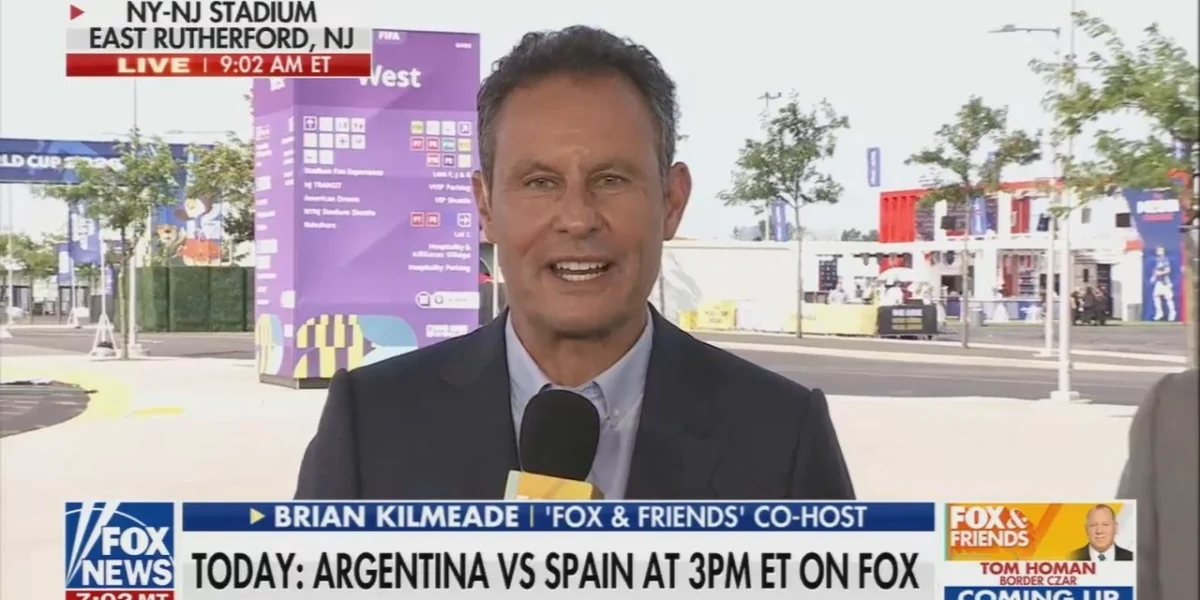
Far from a relic of the late 1990s, the program remains a vital part of the American cultural conversation. To celebrate its silver anniversary, we sat down with veteran host Brian Kilmeade to discuss the formula behind the show’s longevity, the changing nature of news consumption, and his recent experiences covering the 2026 FIFA World Cup.
The Foundation: Authenticity as a Business Model
The core premise of Fox & Friends has remained remarkably consistent since its inception: an informal, conversational approach to the day’s most pressing headlines. Unlike the polished, highly scripted tone of network morning shows, the Fox & Friends set—often anchored by the familiar sight of Brian Kilmeade, Ainsley Earhardt, and Lawrence Jones on the program’s signature couch—feels more like a living room discussion than a studio broadcast.
"The format has lasted because it’s always been about conversations, not just reading headlines," Kilmeade explains. "We talk about the stories that matter to people and give them the context behind the news. Over the years, we’ve found the right balance of reporting, analysis, and personality, but the biggest difference is that we talk with our viewers, not at them."
This philosophy of "relatability over performance" appears to be the primary engine driving the show’s sustained ratings dominance. In an era where viewers are increasingly skeptical of "manufactured" media personalities, Kilmeade notes that Fox News encourages its hosts to be themselves. This mandate for authenticity has created a parasocial bond between the hosts and their audience that is difficult to replicate. "The thing I hear most when I’m traveling is, ‘You’re exactly the same in person as you are on TV and radio,’ or, ‘I feel like I already know you.’ That’s the greatest compliment you can get."
Chronology: A Front-Row Seat to History
Over the last 25 years, the Fox & Friends team has served as a constant presence during the most volatile and defining moments in American history. The show’s evolution has been punctuated by its coverage of epochal events, serving as a primary source for millions of Americans during times of crisis.
When asked to identify the most memorable moments of his tenure, Kilmeade points to the weight of responsibility that comes with live television.
- September 11, 2001: The harrowing morning of the terror attacks stands out as a singular moment where the show was tasked with providing clarity in the midst of national tragedy.
- The Iraq War: The visceral experience of watching the initial military operations unfold live on air remains a stark reminder of the show’s role in real-time reporting.
- The 2016 Election: The morning following Donald Trump’s victory over Hillary Clinton serves as a milestone in the program’s history, highlighting the show’s ability to capture the seismic shifts in the American political landscape.
These moments, according to Kilmeade, define why live television remains essential. "When history happens, our job is to help viewers understand it as it’s unfolding, and that’s a responsibility I’ve never taken for granted."
The Chemistry of Diversity: A Working Dynamic
A common question regarding long-running ensemble shows is how they manage to maintain chemistry without succumbing to internal friction. For Fox & Friends, the secret lies in a deliberate embrace of diverse perspectives. While Steve Doocy continues to provide a unique "boots-on-the-ground" perspective, traveling the country to report on special projects, the studio team brings together different generations and backgrounds.
"The chemistry works because we genuinely like and respect each other, and viewers can tell when that is real," Kilmeade says. "We are not all supposed to see everything the same way, and neither does our audience. The key is that we listen to each other, we can disagree without taking it personally, and we still have fun." This culture of mutual respect allows for a dynamic flow of information that prevents the program from becoming a stagnant echo chamber.
Data and Implications: The Shift in Media Consumption
The longevity of Fox & Friends offers significant insight into the shifting media landscape. As digital platforms continue to fragment the audience, the "appointment viewing" model has struggled. However, by positioning itself as a community-driven program rather than a mere news ticker, Fox & Friends has managed to retain its audience base while integrating new technologies and reporting methods.
The producers of the show have leaned into an iterative process, constantly analyzing what resonates with the American public. This flexibility allows the program to pivot quickly when the news cycle demands it, ensuring that the content remains relevant to the evolving concerns of their demographic.
Beyond the Desk: The 2026 World Cup Experience
In a recent departure from his studio duties, Kilmeade’s passion for sports led him to the 2026 FIFA World Cup, where he attended five matches, including the final. His takeaway was less about the specific athletic feats and more about the cultural significance of the United States hosting such a massive global event.
"What impressed me most wasn’t just the soccer; it was seeing America through the eyes of people from all over the world," Kilmeade reflected. He noted a recurring theme among international visitors: the contrast between the negative perception of the U.S. in foreign media and the reality of the hospitality they experienced on the ground.
A New Era for Soccer in America
Kilmeade believes the 2026 tournament was a watershed moment for American sports. "If there was ever any doubt that soccer has become a major sport in America, this World Cup erased it." He points to the infrastructure, stadium quality, and fan atmosphere as proof that the U.S., alongside Canada and Mexico, set a new standard for international hosting.
However, his analysis was not without critique. Regarding the final, Kilmeade expressed disappointment in the conduct of the Argentinian team, specifically their behavior toward the Spanish victors during the trophy presentation. "That wasn’t the way you want a World Cup to end," he noted.
Looking forward, Kilmeade is bullish on the future of soccer in the United States, predicting that within a decade, the sport will share the spotlight with the NFL—a bold claim that highlights how deeply the World Cup permeated the national consciousness this summer.
Conclusion: The Road Ahead
As Fox & Friends moves past its 25th anniversary, the program shows no signs of slowing down. The combination of a loyal, engaged audience and a production strategy that prioritizes authenticity over artifice has created a durable, high-performing asset for Fox News.
Whether it is navigating the complexities of domestic politics or observing the global shifts in sports and culture, the show’s mandate remains clear: provide context, maintain the conversation, and stay true to the voice that has sustained them for over two decades. In a world of fleeting digital trends, Fox & Friends has proven that in the media business, being "real" is the ultimate competitive advantage.