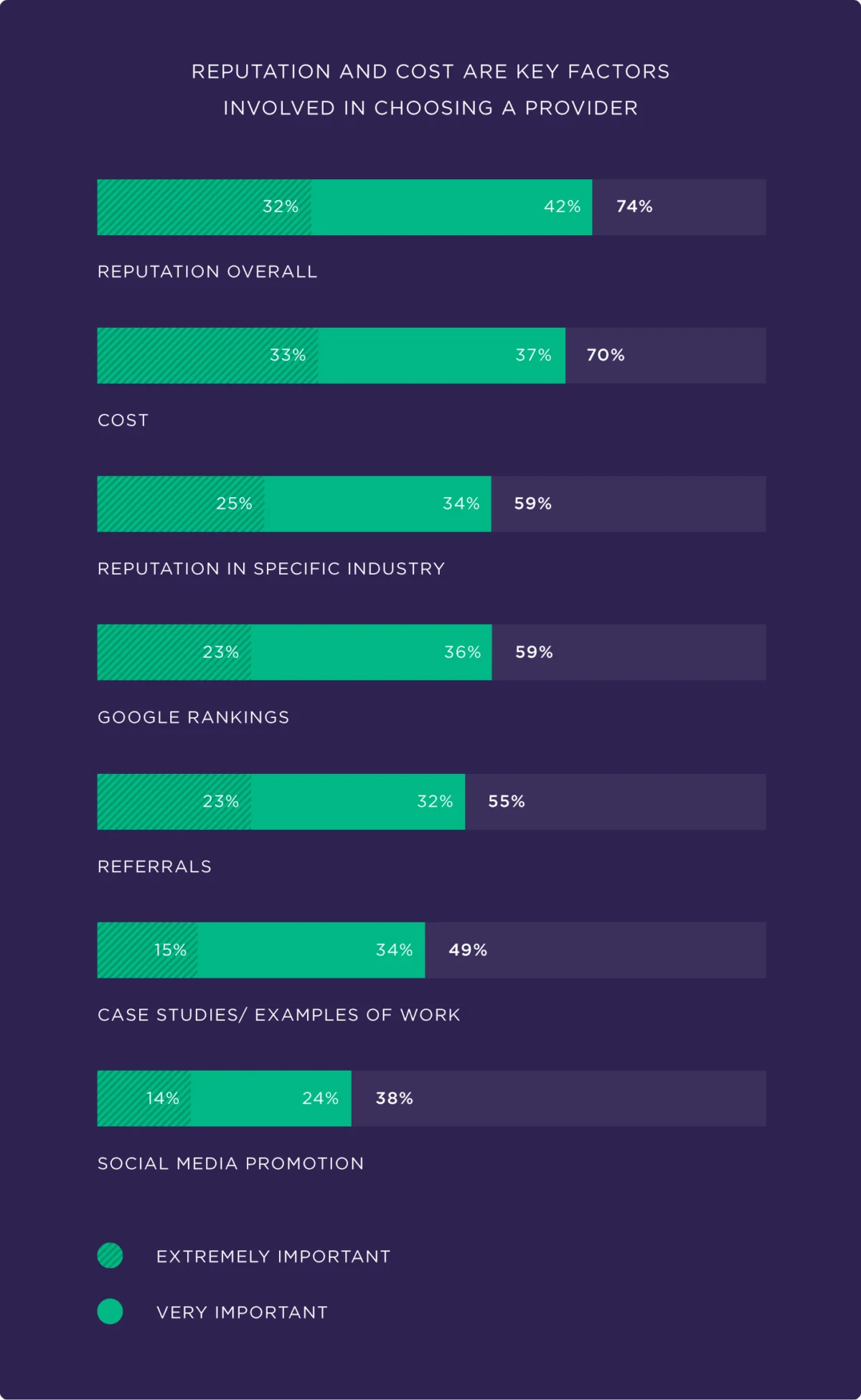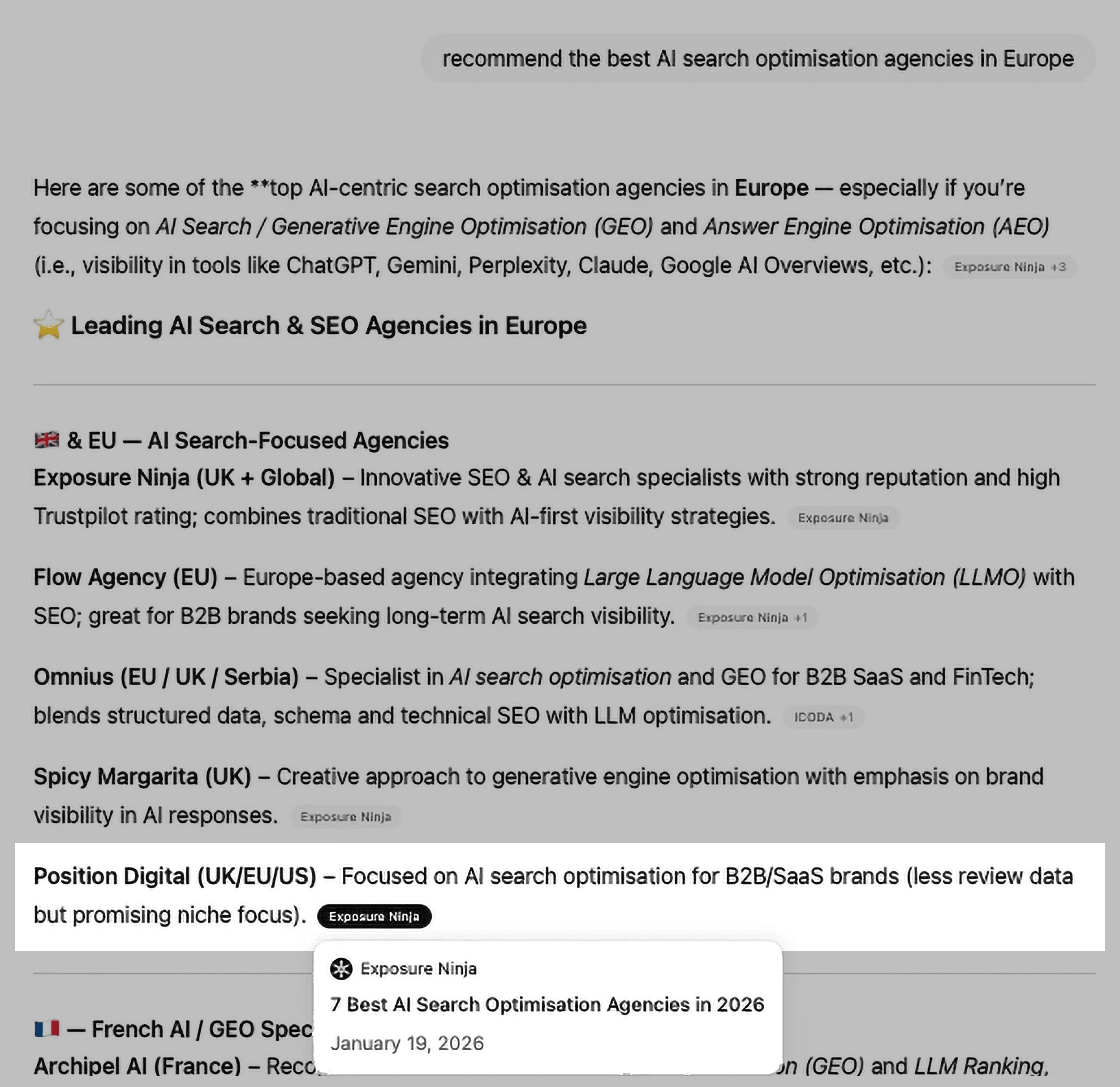
As artificial intelligence fundamentally reshapes how humanity discovers information, a seismic shift is occurring in the digital marketing landscape. Traditional search engine optimization (SEO)—long dominated by keyword density, technical site audits, and internal linking structures—is no longer enough. Today, the brands winning the visibility war are those mastering a different discipline entirely: Digital PR.

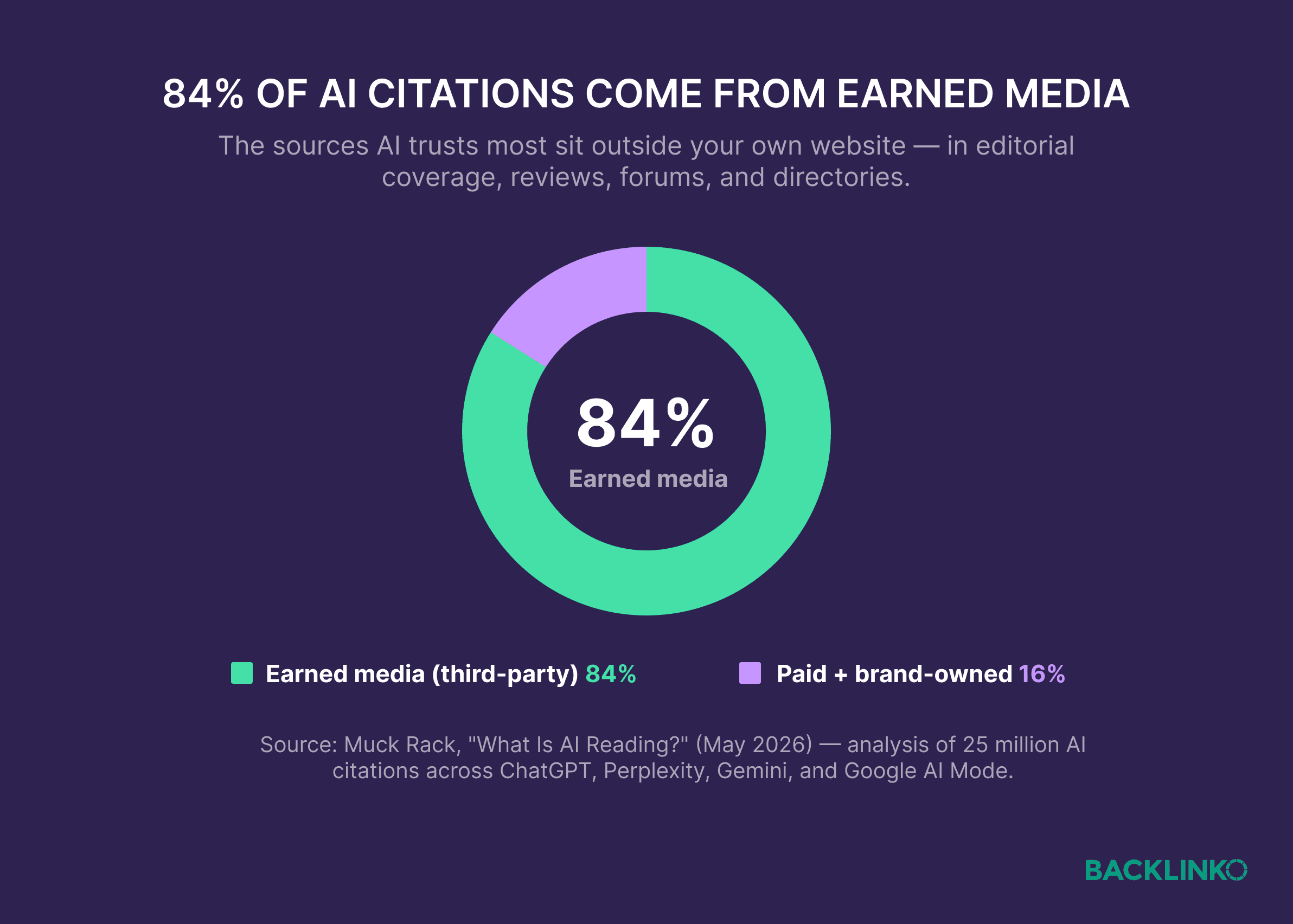
According to a landmark study by Muck Rack, a staggering 84% of all AI citations originate from earned media, third-party editorial coverage, verified customer reviews, and interactive community forums. In the era of large language models (LLMs) like ChatGPT, Google AI Mode, and Perplexity, self-promotion takes a backseat to third-party validation. While publishing robust content directly on your own website remains foundational, your overall AI visibility is primarily shaped by what happens outside your domain.
Main Facts: The Paradigm Shift to Earned Media
The mechanics of search have transformed from a list of blue links pointing to individual web pages to synthesized, conversational answers compiled by AI models. When a user asks an LLM a complex question, the system does not simply scrape a single webpage; it aggregates data from dozens of external web sources to formulate a cohesive, singular response.
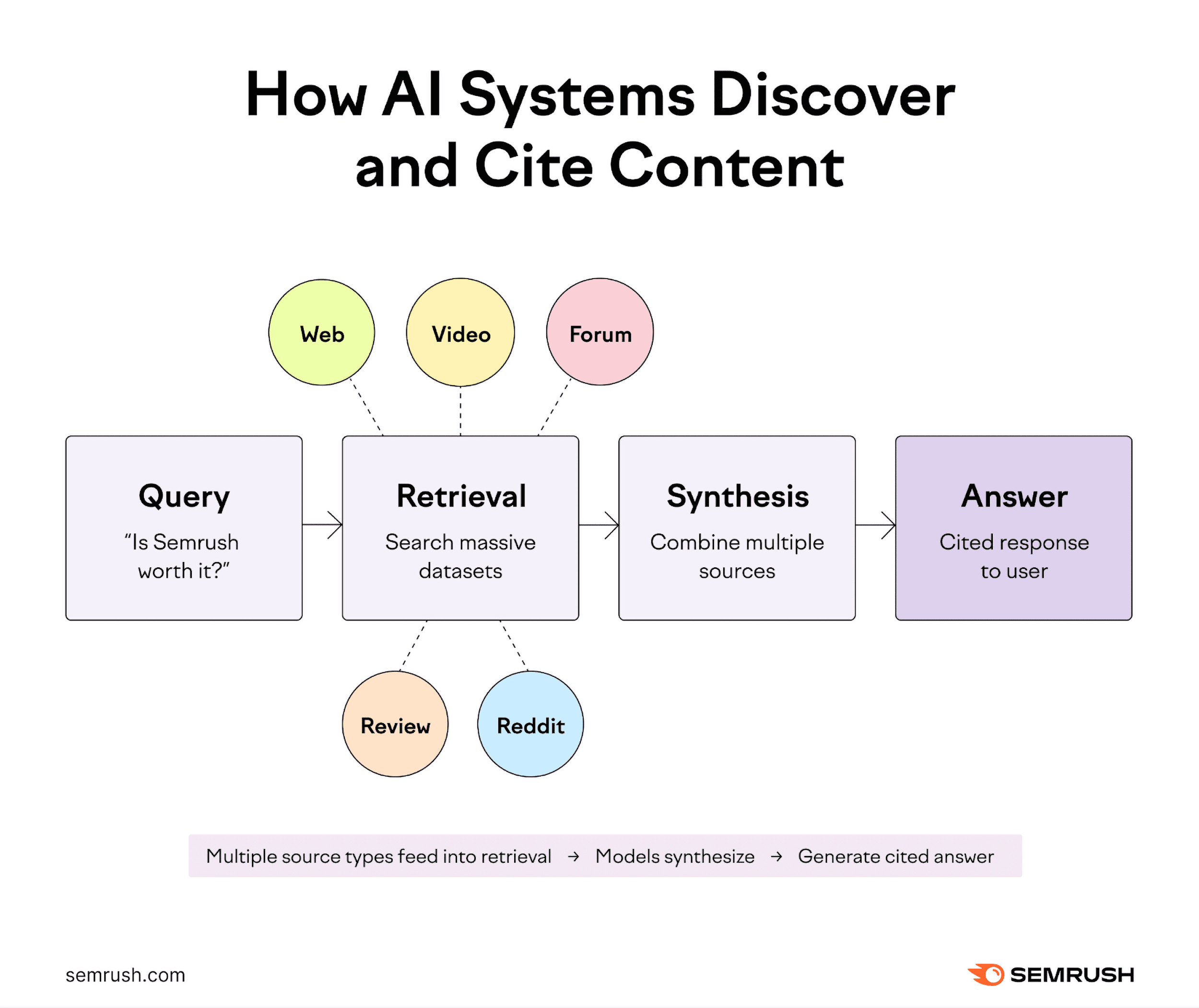
The core takeaway for modern enterprises is clear: the more frequently a brand name appears across authoritative third-party platforms, the more likely LLMs are to recognize, trust, and ultimately recommend it.
- The Earned Media Monopoly: 84% of AI citations stem from external, third-party sources.
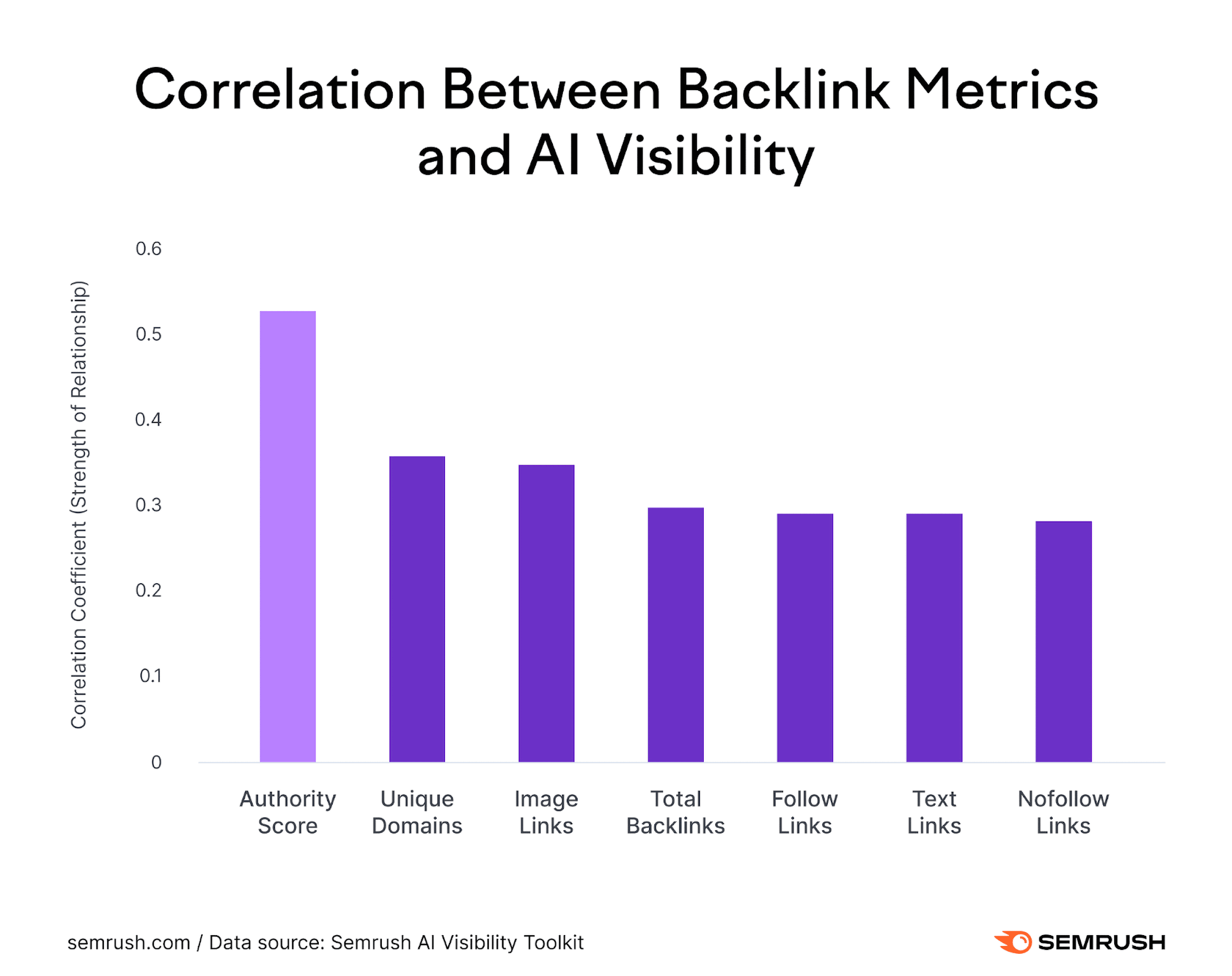
- The Backlink Connection: Semrush’s comprehensive study of 1,000 domains reveals that brands with robust backlink profiles and high domain authority are disproportionately favored in AI-generated answers.
- The Shift in Trust: AI engines favor decentralized, community-driven sentiment and editorial reviews over brand-owned marketing copy.
Chronology and Evolution: From Keywords to AI Seeding
To understand why Digital PR reigns supreme in AI search, it is vital to trace how search engines evolved into answer engines.
- Phase 1: Traditional SEO (Pre-2023): Search was driven by exact-match keywords, site speed, and localized meta tags. Success was measured by ranking on page one of a traditional search engine results page (SERP).
- Phase 2: The Rise of Generative Engine Optimization (2023–2024): As conversational AI took center stage, marketers realized that LLMs pulled data dynamically. Early adopters attempted to manipulate these outputs using direct keyword stuffing within AI prompts, yielding limited results.
- Phase 3: The Era of Digital PR and LLM Seeding (Present): Industry data established a direct correlation between off-site authority and AI mentions. Brands began utilizing strategic Digital PR frameworks—such as data-led campaigns, reactive PR, and AI citation outreach—to plant their brands firmly inside the training data and real-time retrieval pipelines of AI systems.
Supporting Data: What the Numbers Tell Us
Empirical research across the digital marketing ecosystem consistently underscores the dominance of off-site metrics in generative search performance.
1. The Power of High-Authority Backlinks
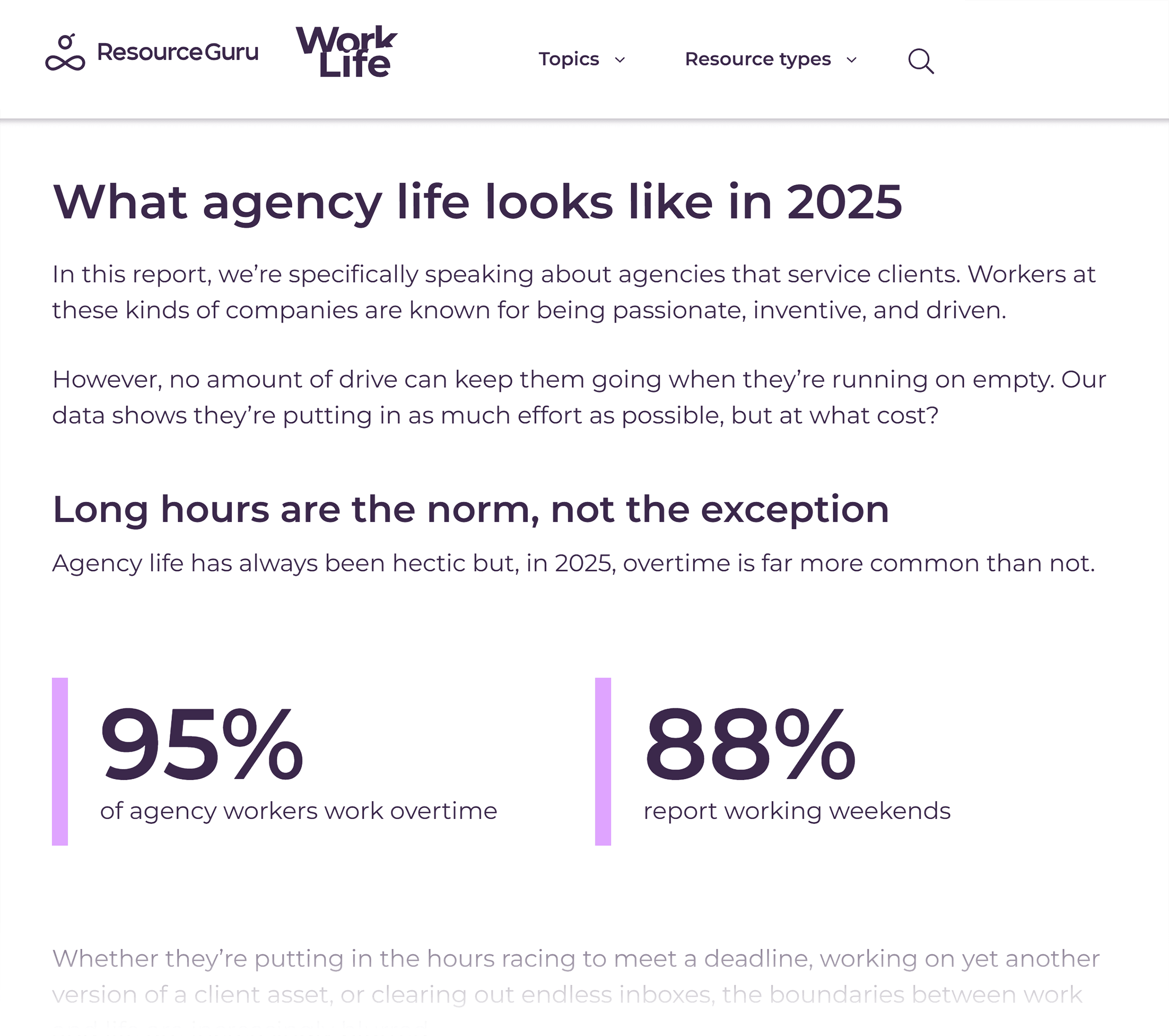
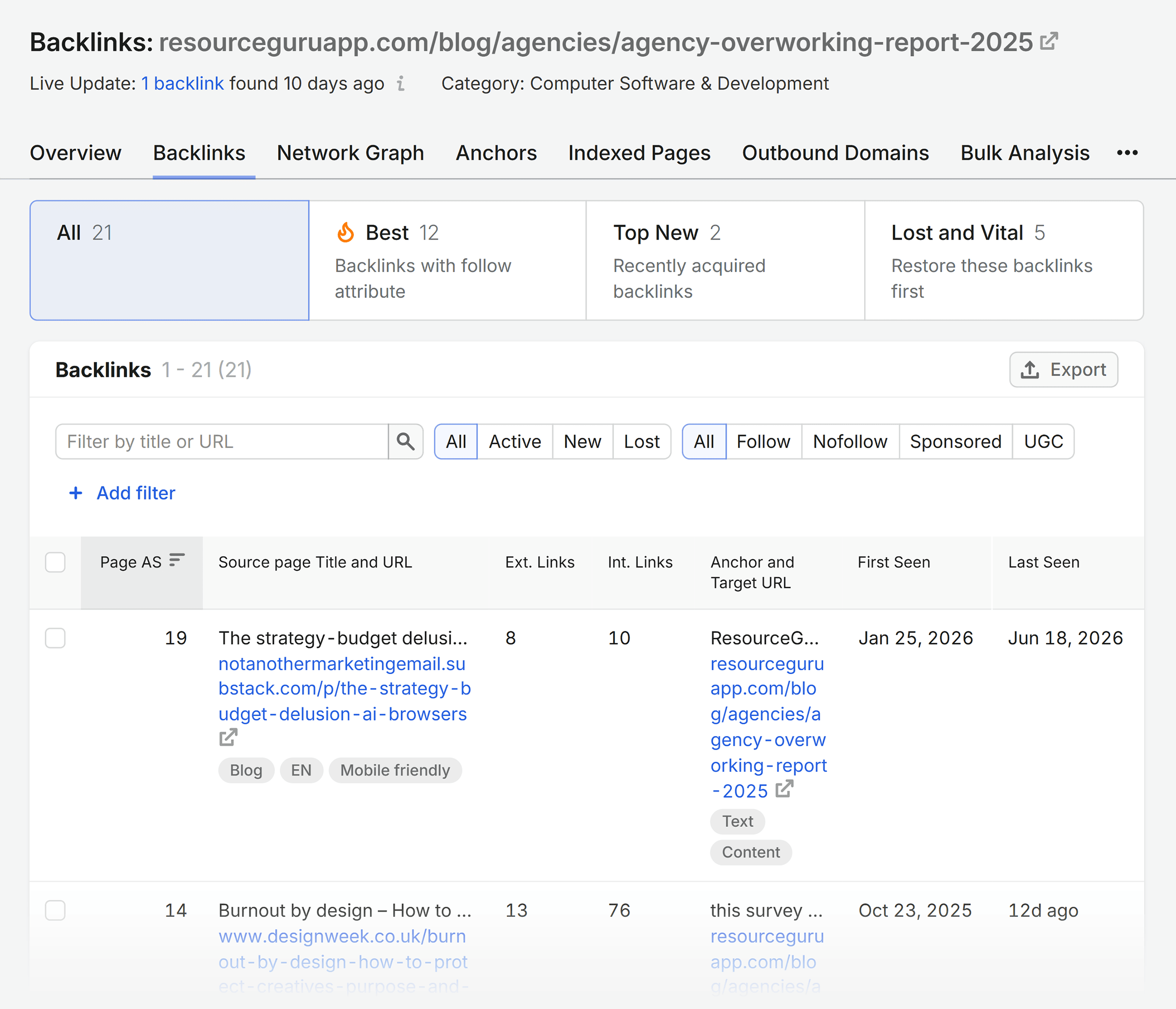
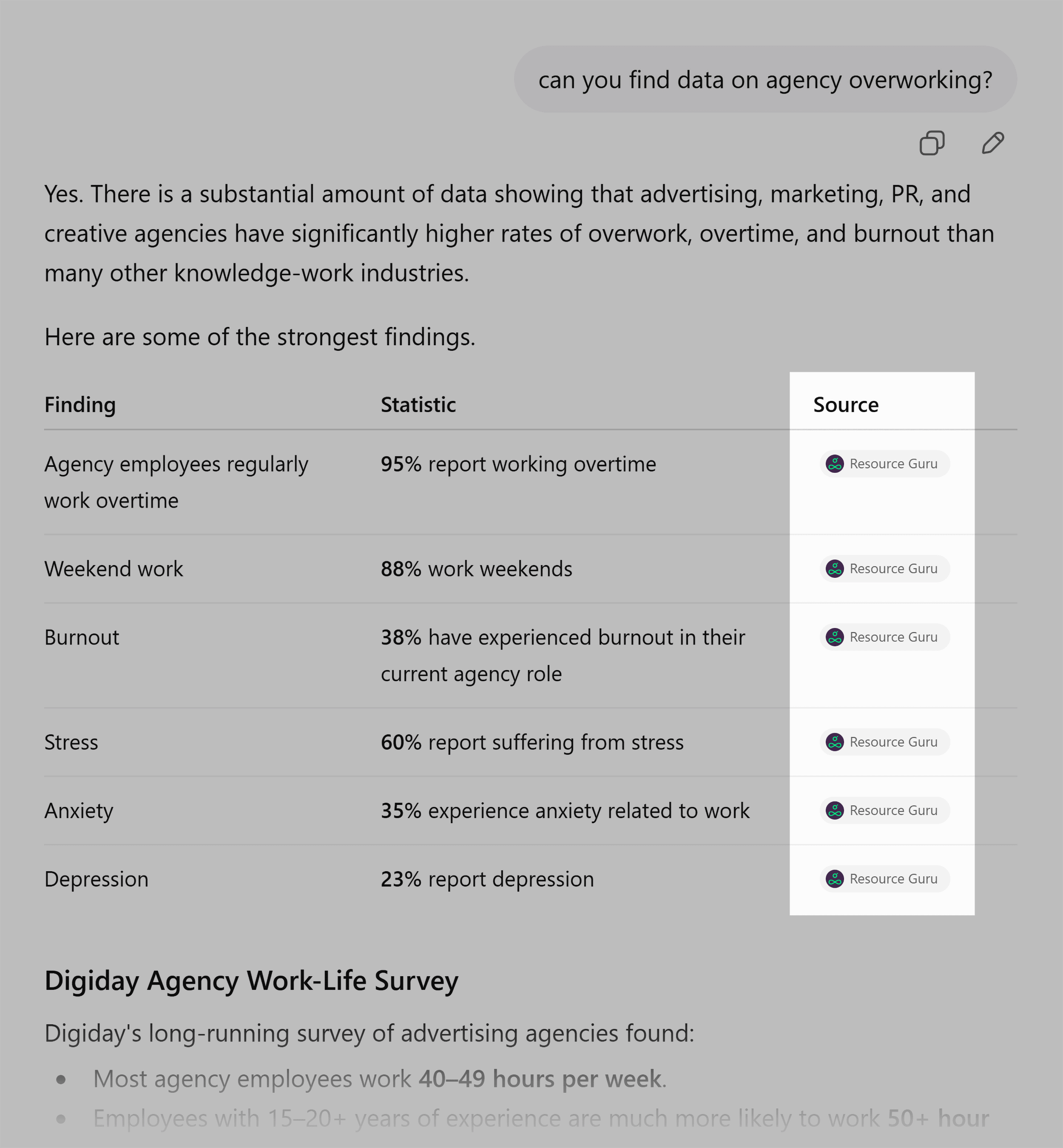
A specialized study conducted by Seer Interactive investigating generative engine optimization (GEO) found that the two most critical metrics impacting a brand’s AI visibility are overall domain authority and the acquisition of high-quality backlinks from websites with a Domain Authority (DA) of 60 and above. Data-led content serves as the primary engine for earning these elite links. For instance, when client Resource Guru published the Agency Overworking Report, it naturally generated 21 high-tier backlinks—including a prominent feature in Forbes—which translated directly into consistent citations within ChatGPT and Google AI responses.
2. The Weight of Expert Validation
Data compiled from recent AI SEO studies shows that web pages incorporating recognized expert quotes and contributions receive an average of 4.1 citations in ChatGPT, compared to just 2.4 citations for pages lacking expert validation. This indicates that LLMs actively parse and reward credibility markers.
3. The Impact of Review Profiles
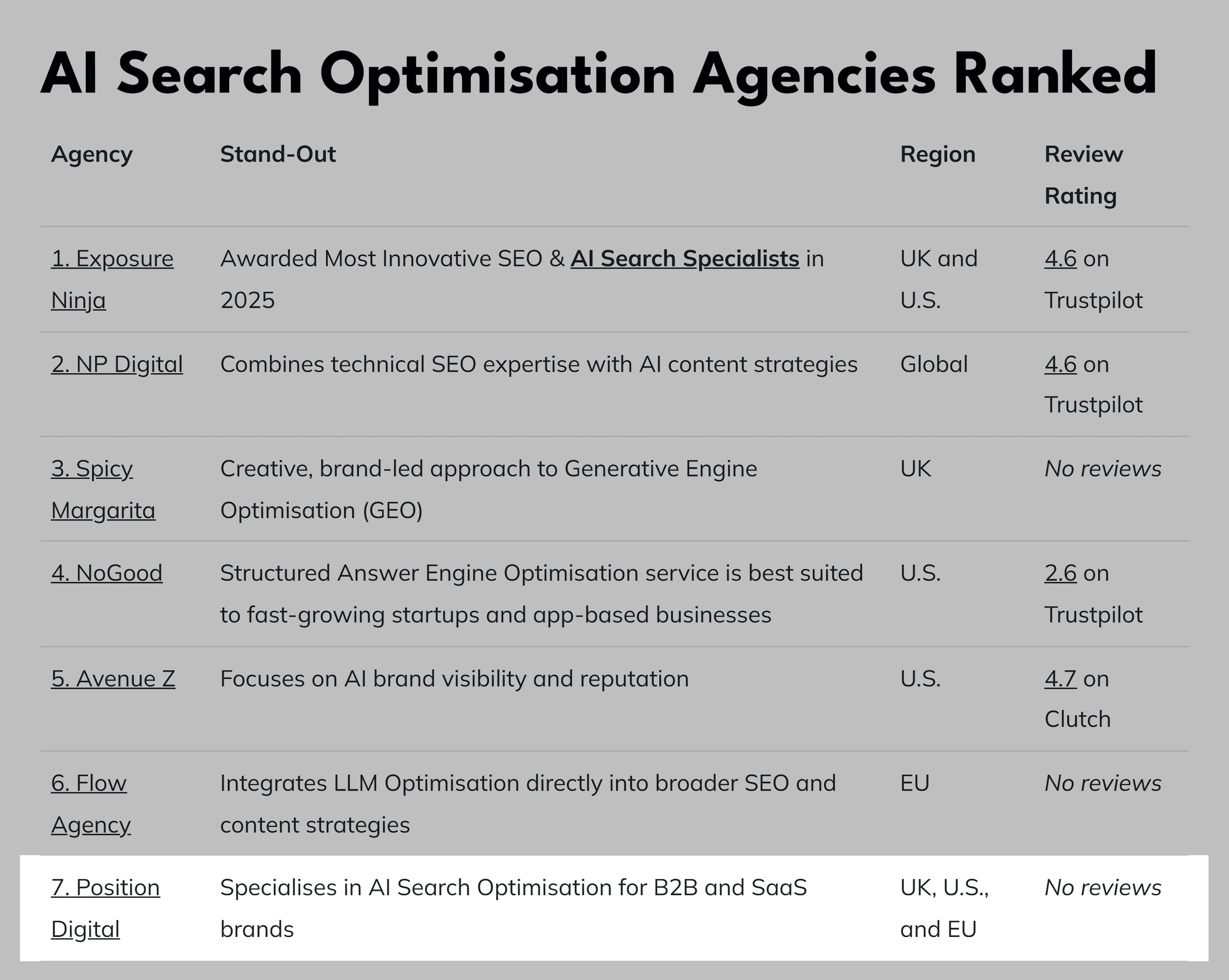
Perhaps the most striking quantitative discovery comes from Seer Interactive’s analysis of 800,000 AI responses. The study revealed that brands completely lacking a Trustpilot profile suffered a median AI citation rate of a mere 1%. Conversely, brands maintaining even a minimal review profile—ranging from 1 to 13 reviews—saw their median citation rate skyrocket to 53.5%.
Official Responses and Industry Insights
Industry leaders and analytics platforms have increasingly formalized their recommendations around these shifts. SEO software giant Semrush introduced dedicated AI Visibility Toolkits to help digital marketers audit exactly which external sources are driving their brand’s generative footprint.
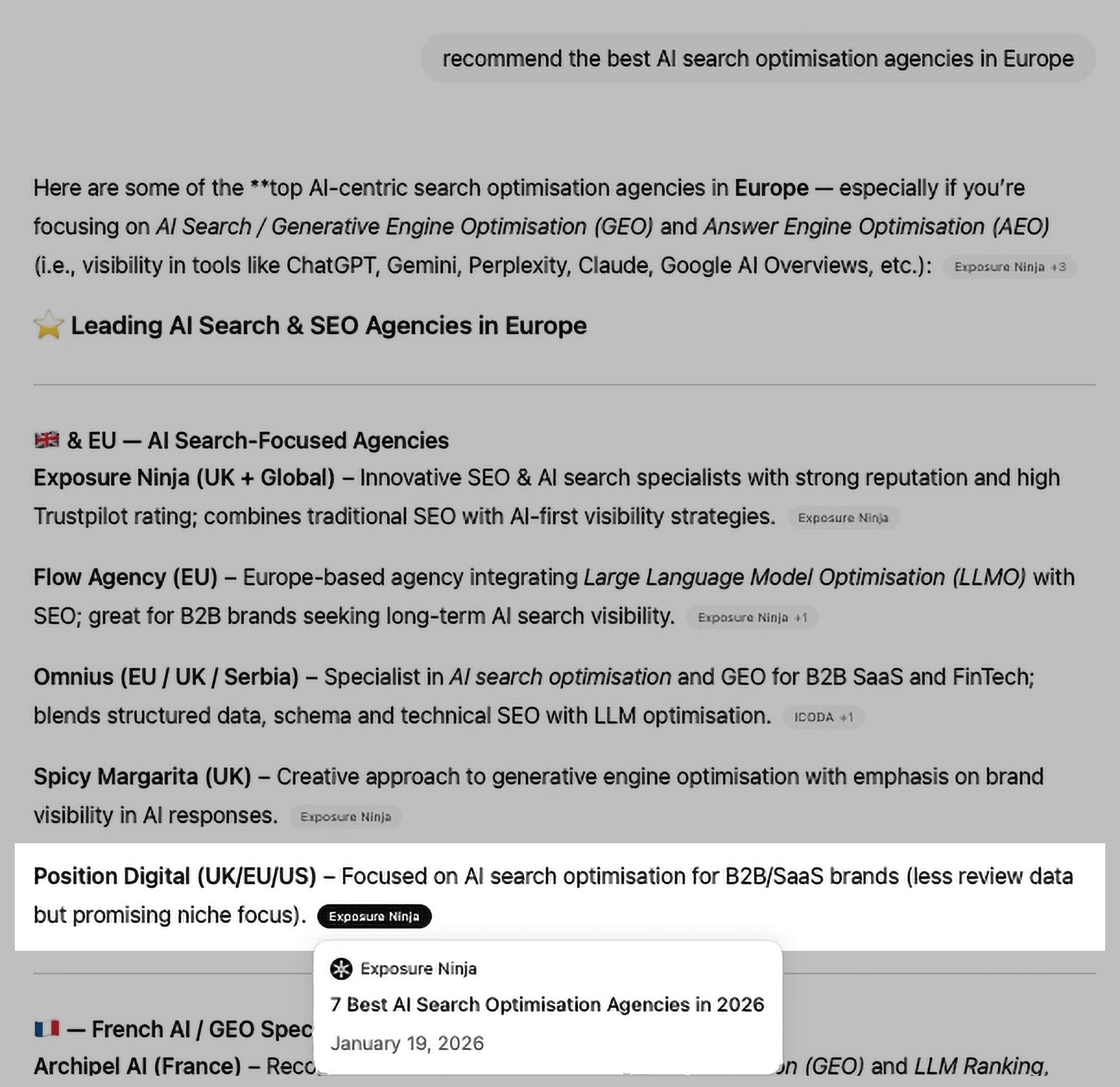
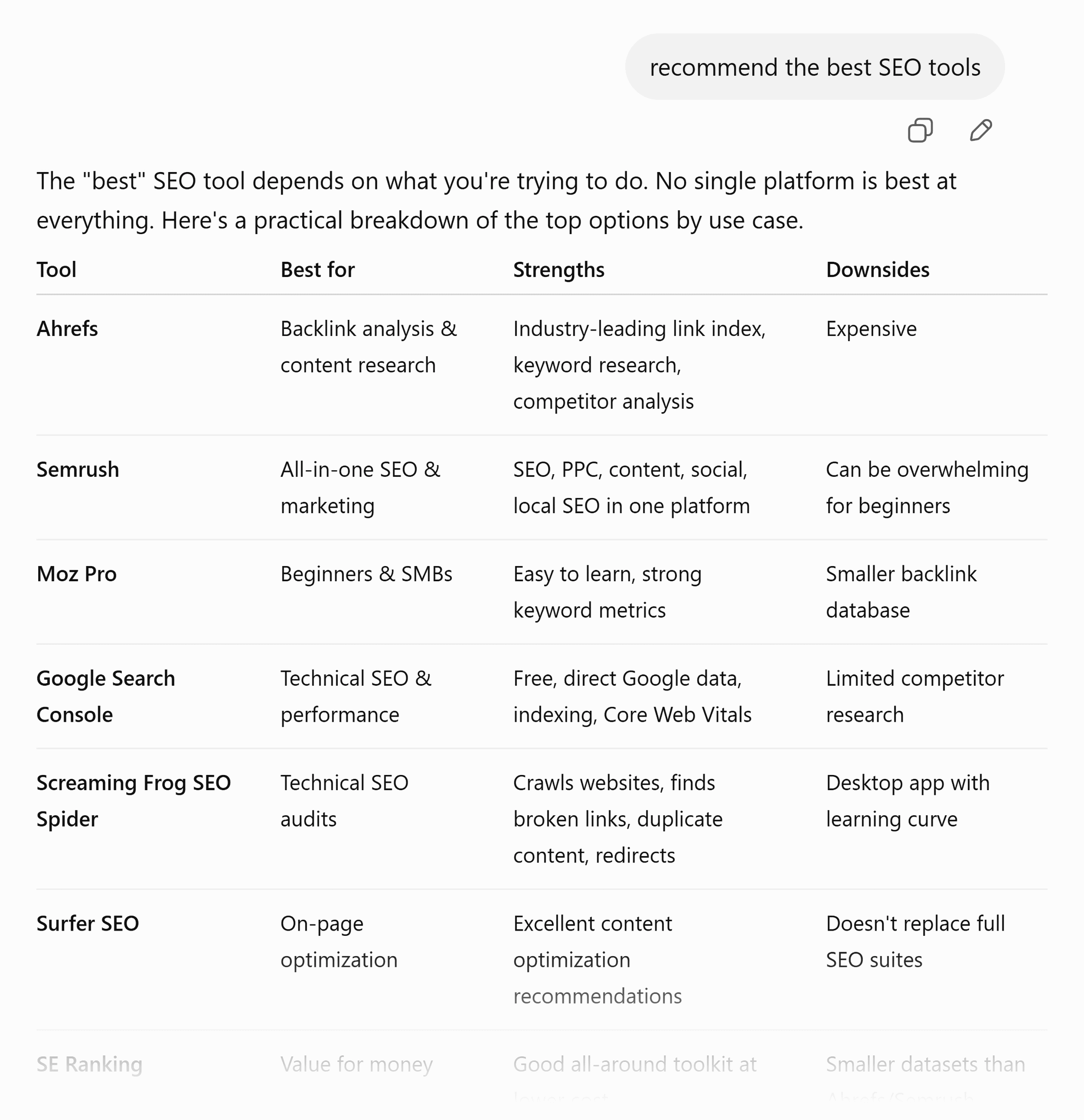
Similarly, search engine publication authorities emphasize that Google’s evolving guidelines and algorithms explicitly prioritize multi-source corroboration. When an AI model evaluates a commercial query—such as "What are the best enterprise SEO tools?"—it cross-references software review sites, Reddit threads, and expert listicles before rendering an endorsement. If your business is absent from these critical nodes of the web, it is effectively invisible to the AI.
Implications: Six Digital PR Strategies to Win in AI Search
To secure a dominant footprint in AI-generated answers, brands must execute a diversified Digital PR playbook. Below are six proven strategies to build offsite authority and increase LLM visibility.
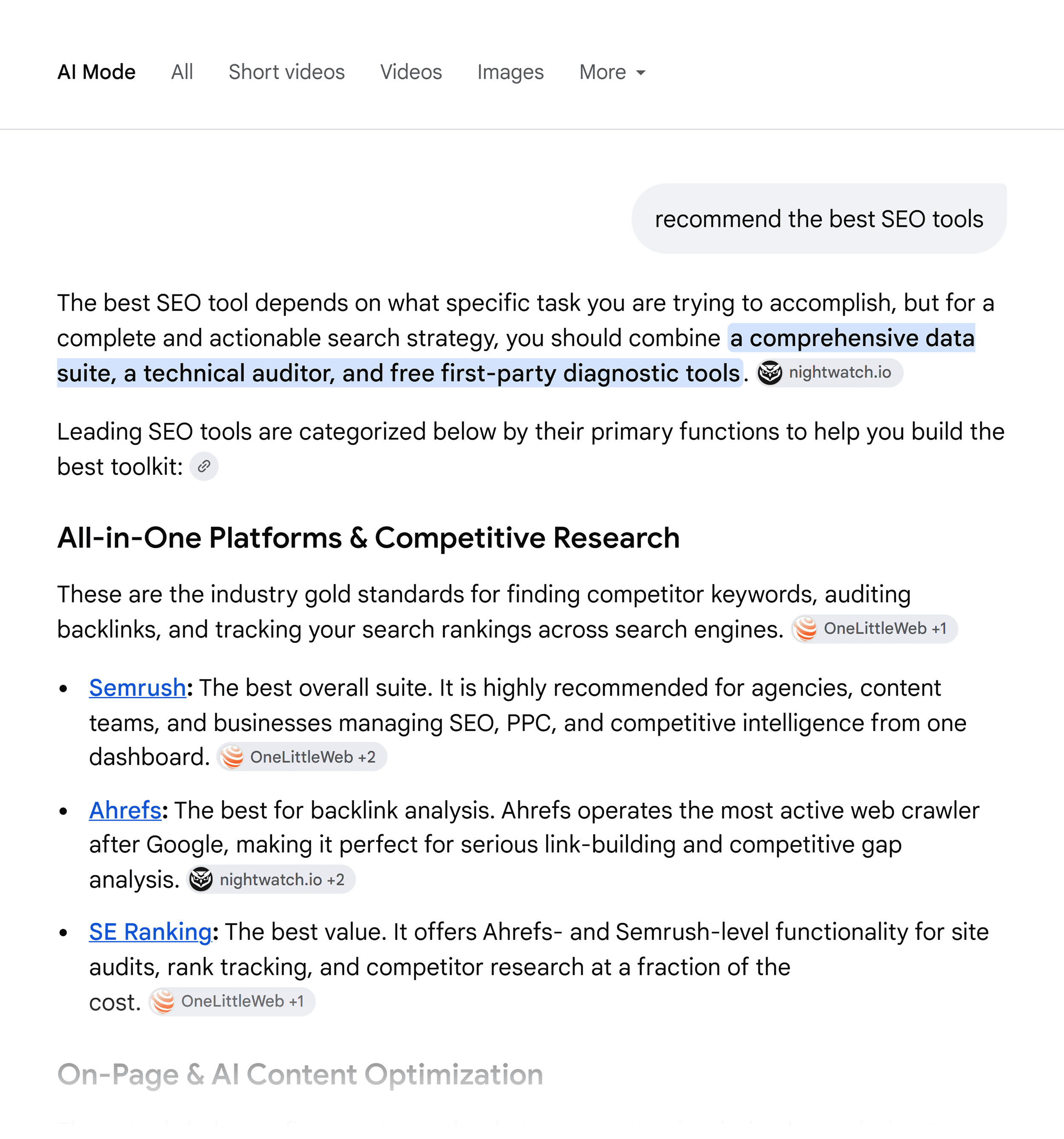
Strategy 1: Data-Led PR
Publishing original research, statistical roundups, and industry surveys is one of the most effective ways to earn high-tier backlinks. Journalists and bloggers are constantly searching for fresh, credible data points to support their reporting.
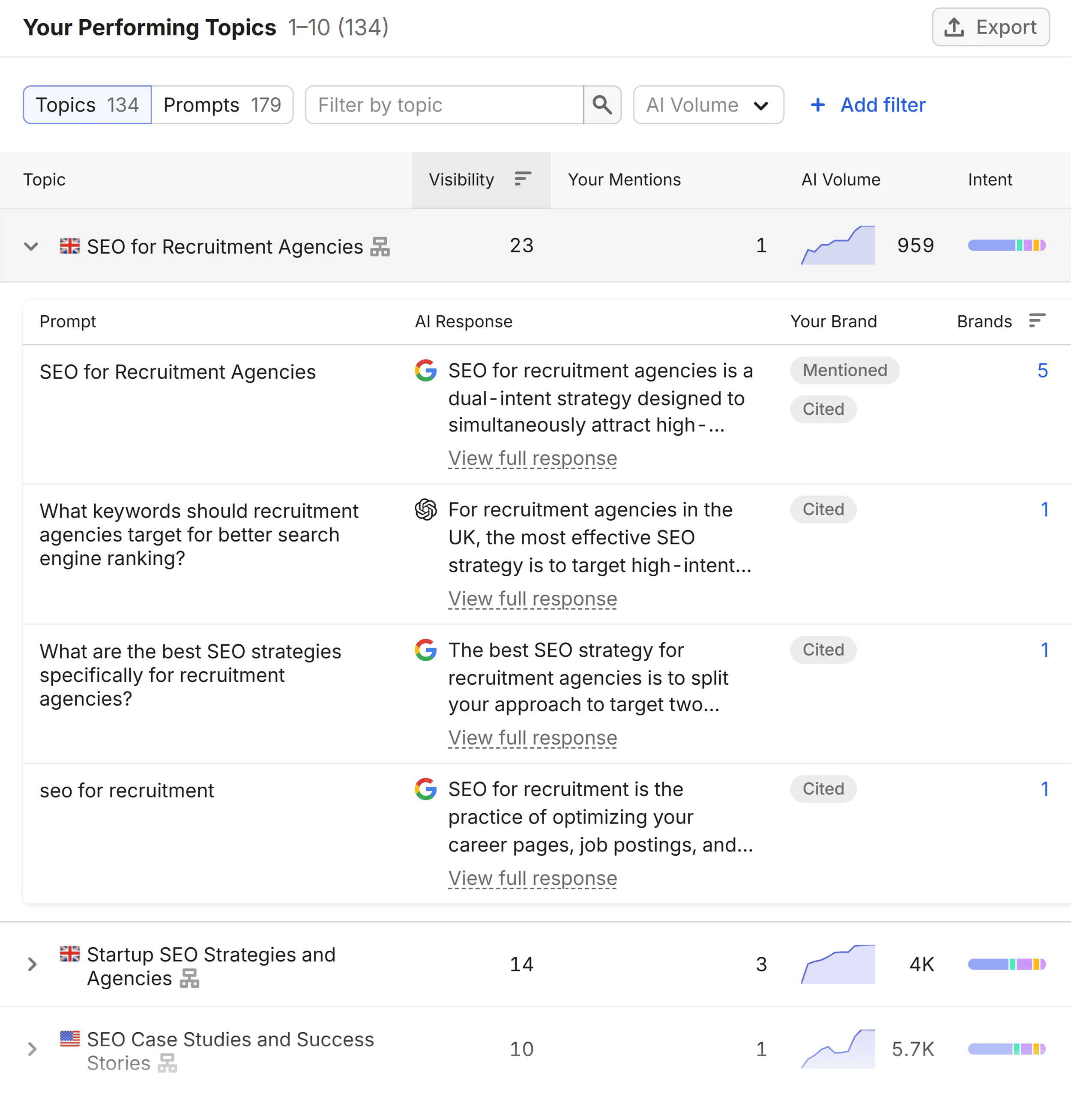
- Execution: Conduct proprietary surveys, analyze internal data sets, or partner with industry platforms. Proactively pitch these insights to authors updating out-of-date resource guides or statistical roundups.
Strategy 2: AI Citation Outreach
This involves systematically identifying the specific third-party listicles, comparison guides, and vendor roundups that AI models already pull from, and securing a placement within them.
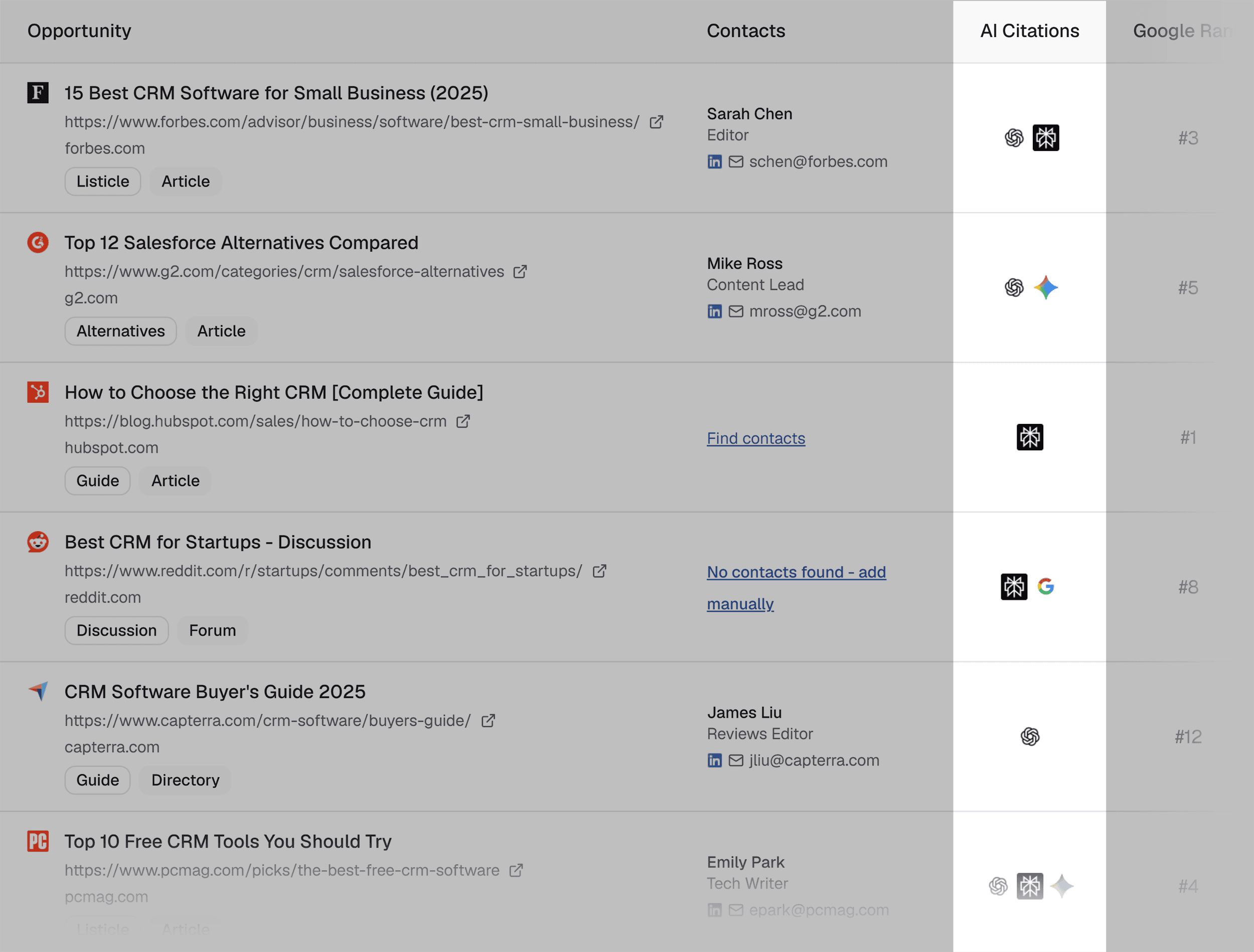
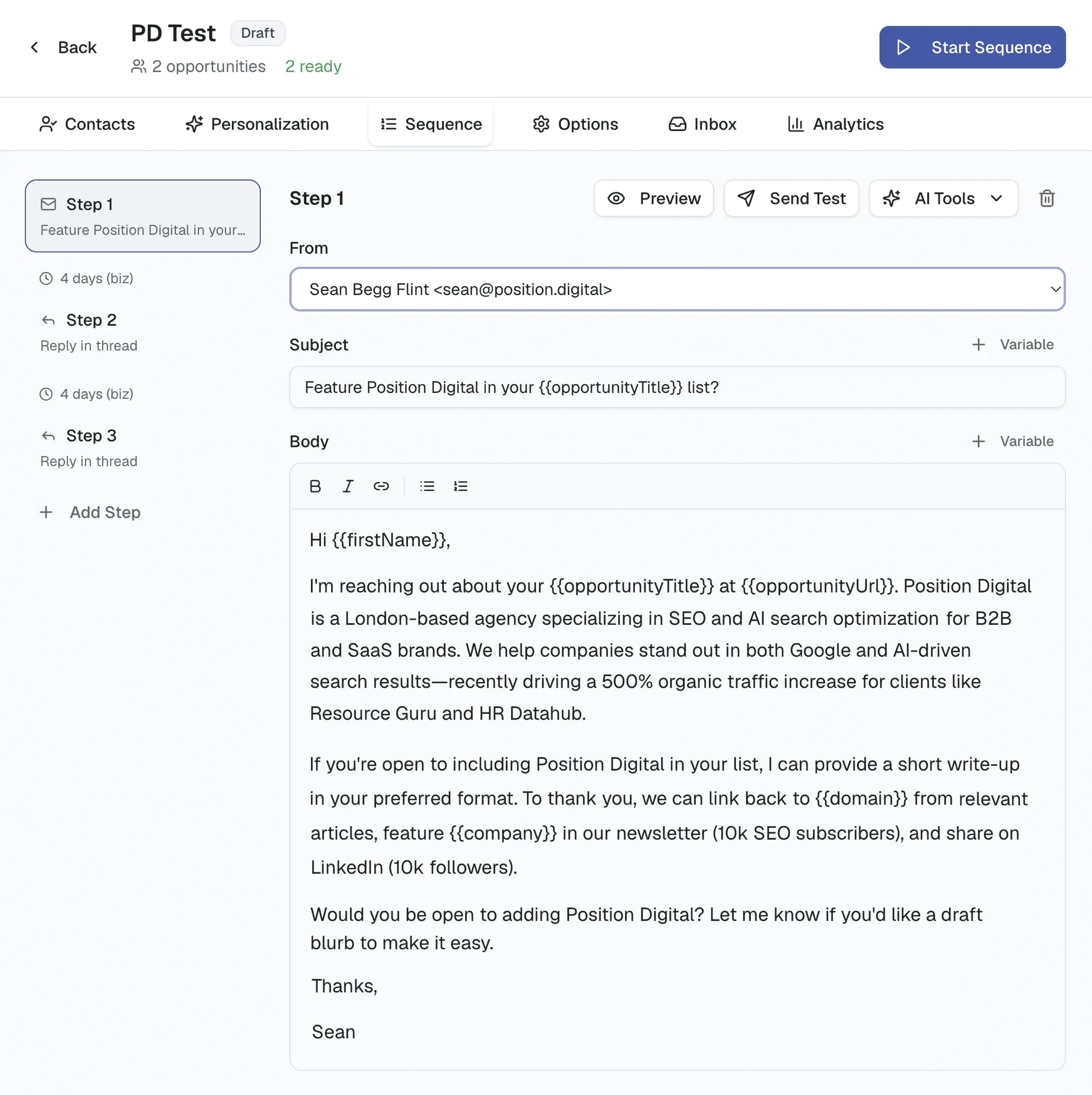
- Execution: Query LLMs with your target buyer prompts, note the cited articles, find the authors using tools like Hunter or Apollo, and pitch your brand with a ready-to-publish blurb and a collaborative value exchange.
Strategy 3: Reactive PR
Speed is everything in reactive PR. When a major industry event, regulatory shift, or viral trend occurs, LLM training cutoffs mean the AI must search the live web for immediate commentary.
- Execution: Monitor real-time news sources, industry newsletters, and social media networks like LinkedIn to spot emerging narratives early. Publish rapid-response analysis on your site and pitch it to top trade journalists before your competitors do.
Strategy 4: Ego Bait
Content that features prominent industry experts and influencers inherently builds credibility while opening up powerful distribution channels.
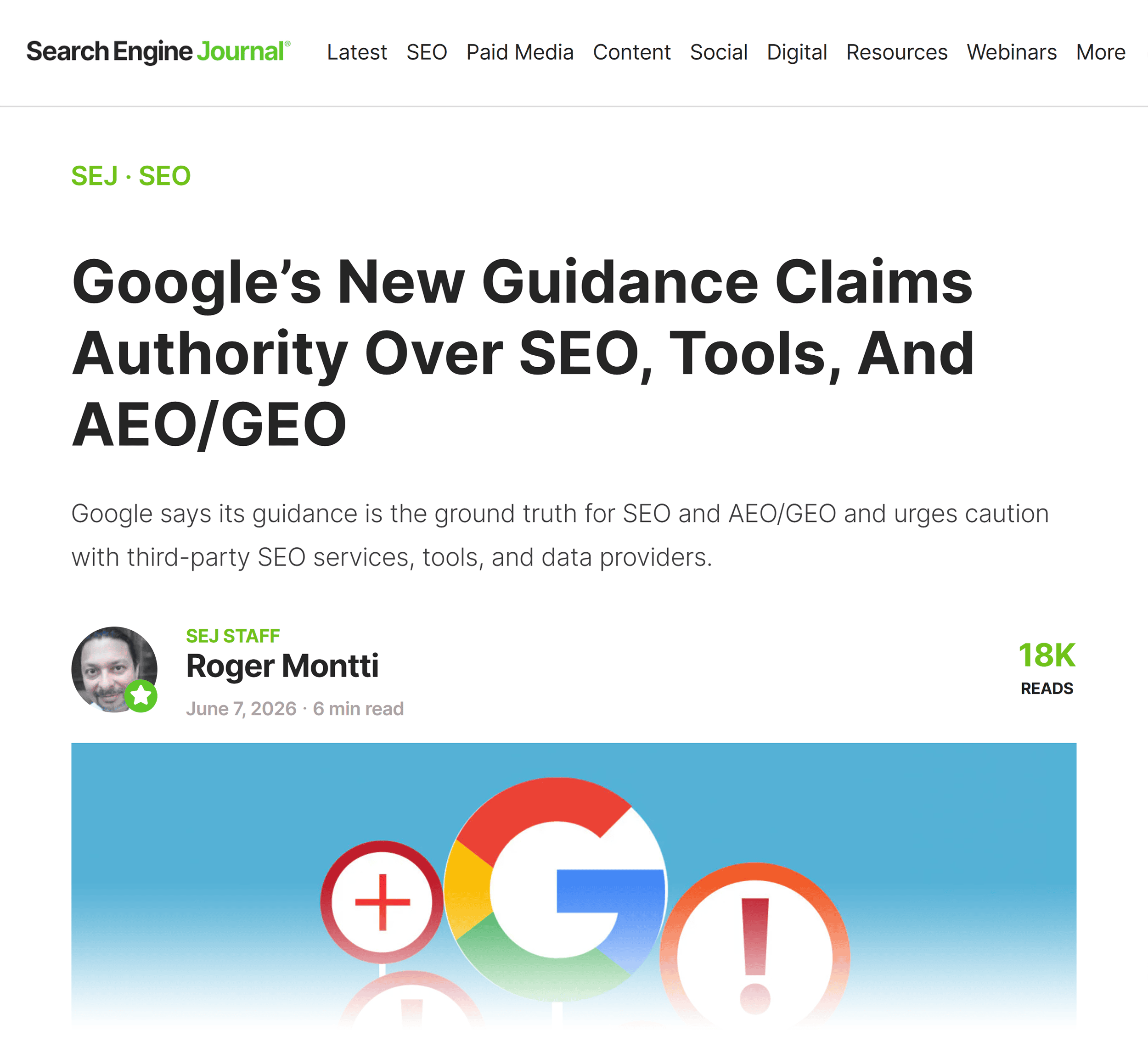
- Execution: Build expert roundup articles, detailed case studies, or curated lists of top voices in your niche. When published, tag the featured experts on social media; their subsequent engagement and sharing will amplify your brand’s digital footprint.
Strategy 5: Thought Leadership
Thought leadership is designed to challenge conventions and spark debate, driving the kind of deep engagement that translates into widespread web mentions.
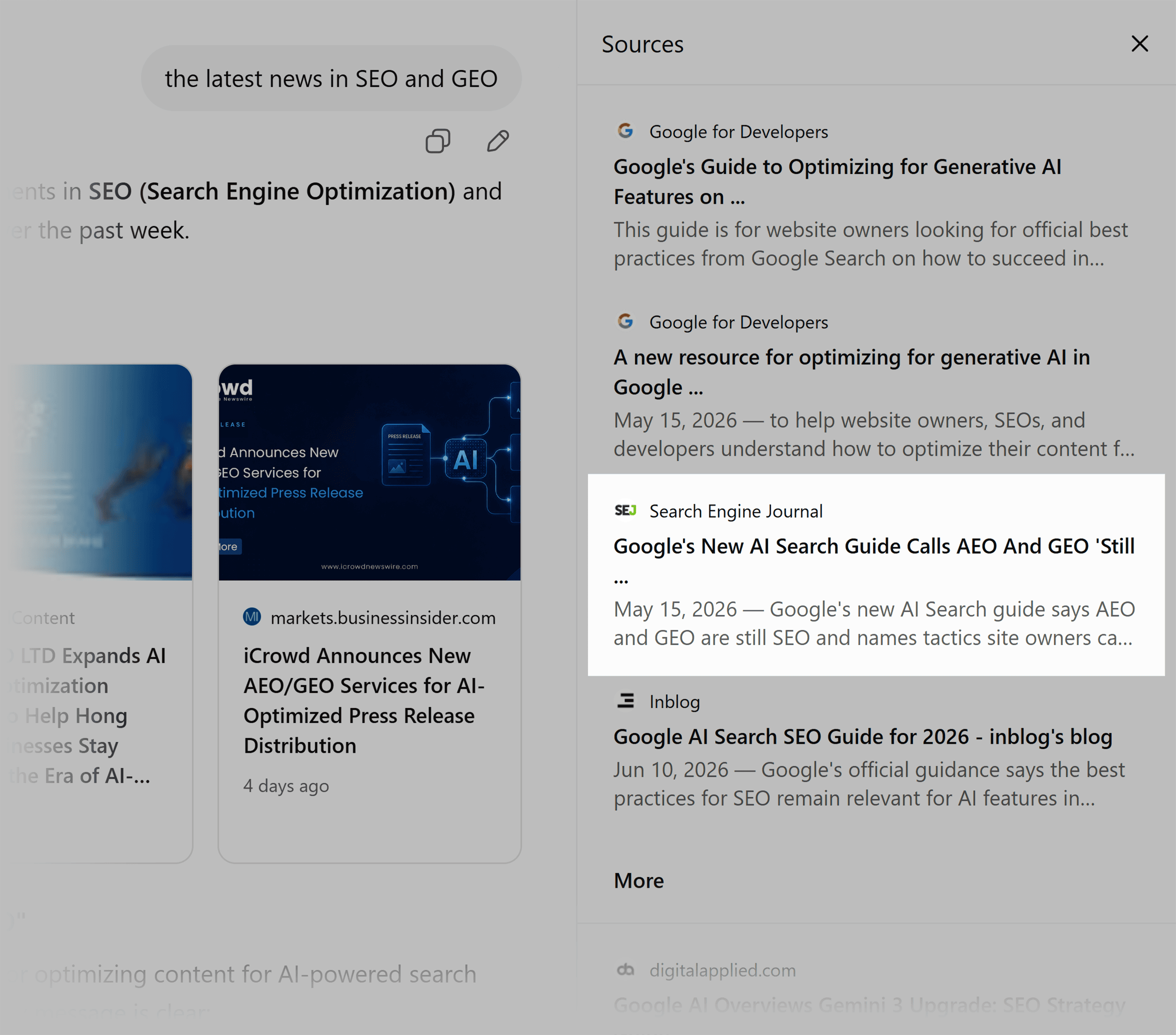
- Execution: Establish an active presence on LinkedIn—which consistently ranks as one of the most-cited domains across major LLMs. Furthermore, execute a "Guest Post Engine" framework by publishing core insights on your own site before distributing authoritative variations as guest contributions on high-authority industry blogs and podcasts.
Strategy 6: Community Building
AI models place immense trust in neutral, community-driven platforms where real users discuss products candidly.
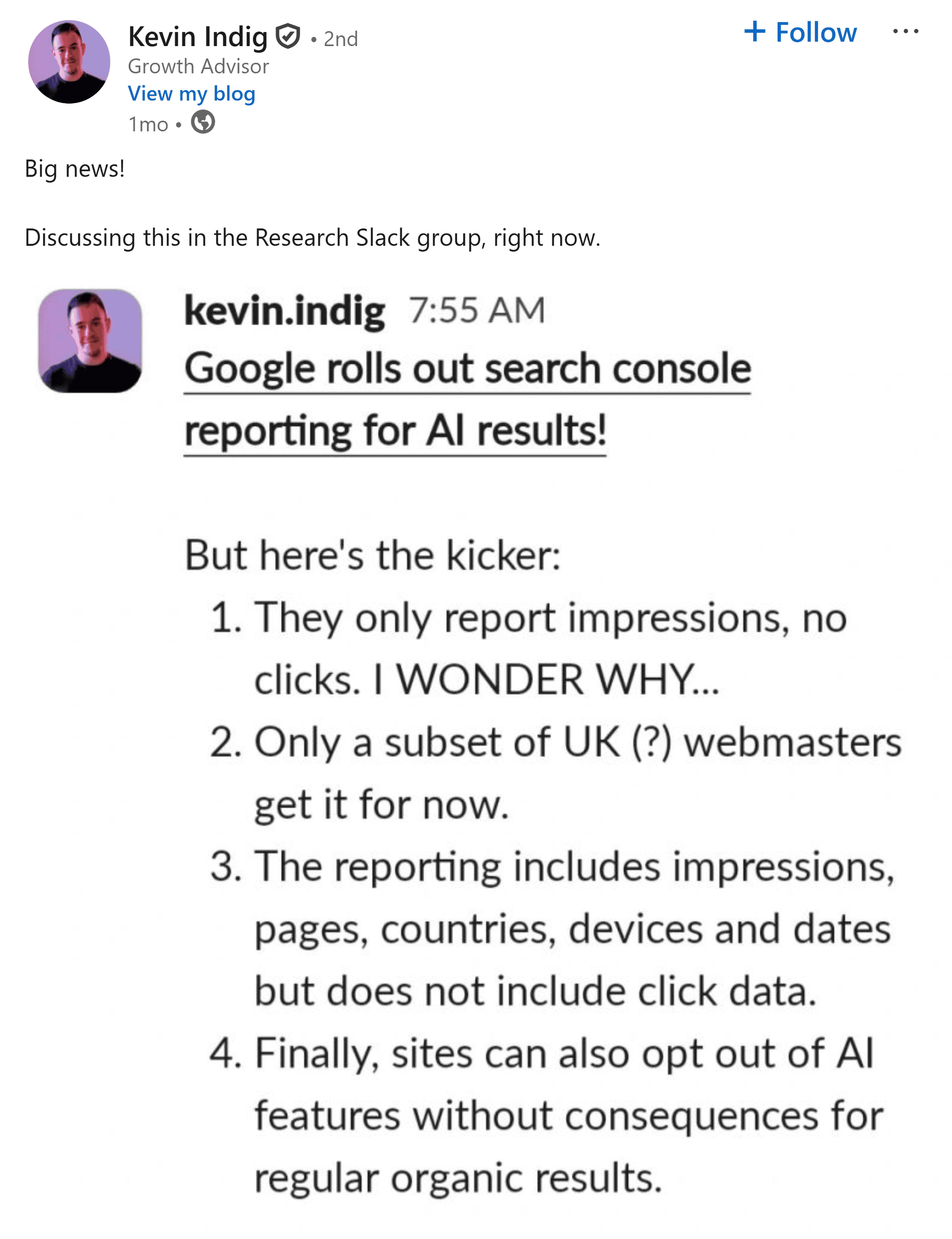
- Execution: Actively contribute insightful, non-promotional answers on platforms like Reddit and Quora. Optimize your profiles on trusted review aggregators such as G2, Trustpilot, and Capterra, encouraging satisfied customers to share authentic feedback.
Conclusion
The future of search is conversational, synthesized, and deeply reliant on third-party consensus. Winning in AI search requires a fundamental departure from isolated on-site optimization. By deploying a robust, multi-faceted Digital PR strategy—rooted in data, expert validation, reactive speed, and community engagement—brands can ensure they are not just participating in the digital ecosystem, but becoming the authoritative sources that artificial intelligence relies on and trusts.