Introduction
In the ever-evolving landscape of digital infrastructure, the WordPress ecosystem stands out as a colossal, collaborative, and complex organism. Operating at the intersection of open-source philosophy and commercial enterprise, WordPress powers over forty percent of the web. Yet, behind every high-performing e-commerce platform, enterprise content management system, and independent blog lies a nuanced web of human relationships.
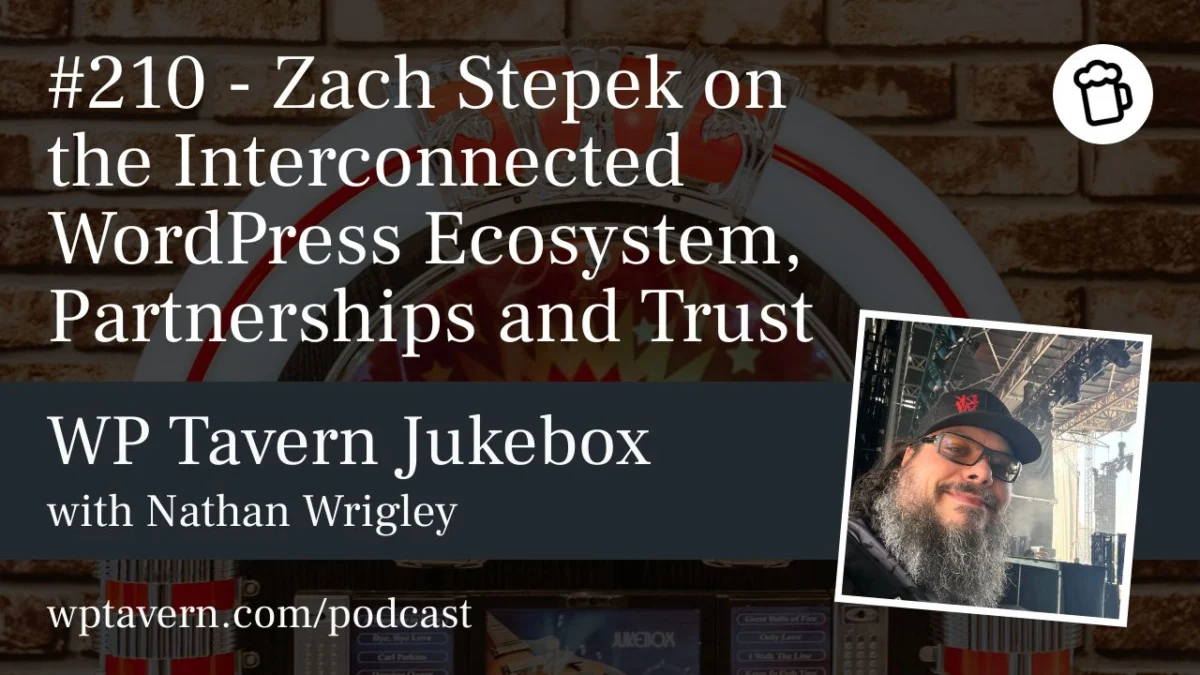
Recently, Nathan Wrigley, host of the Jukebox Podcast from WP Tavern, sat down with tech veteran Zach Stepek to explore the invisible partnership threads binding the WordPress ecosystem together. Stepek, whose extensive career spans the technical gamut from Cold Fusion and Flash to modern JavaScript and WooCommerce, offered a masterclass in why strategic partnerships, relationship equity, and trust-driven approaches are the true drivers of sustainable success in the tech world.
Main Facts
- The Three Pillars of WordPress: Success in the WordPress ecosystem relies on the harmonious interaction of three core layers: creators and agencies, product companies (plugins and themes), and hosting/infrastructure providers.
- The Shift Toward Transactional Thinking: Driven by economic uncertainty and the influence of outside capital, parts of the WordPress ecosystem are increasingly prioritizing short-term revenue over long-term community relationships.
- The "Rising Tide" Philosophy: Sustainable growth in open-source environments depends on ecosystem-wide collaboration rather than isolated, zero-sum competition.
- Infrastructure Realities: With the explosive growth of processing-heavy technologies—most notably resource-intensive AI models—hosting providers face looming hardware supply constraints and rising operational costs that threaten cheap hosting business models.
Chronology of an Ecosystem Journey
To understand Stepek’s perspective on modern partnerships, it is necessary to examine his unconventional path through the technology sector.
From Flash to E-Commerce Resilience
Stepek began his career as a Cold Fusion and Flash developer, eventually spending years as an Adobe Certified Instructor training enterprise teams at brands like IBM and MTV. However, the technological shift away from Flash eliminated his contracts overnight, erasing nearly a million dollars in potential revenue within a week.
After weathering a period in corporate support and electronic medical records, Stepek found his way to WordPress and WooCommerce. His introduction to the platform’s high-stakes environment came unexpectedly during a Thanksgiving dinner. Noah, founder of the Oscar Mike Foundation—a charity supporting injured veterans through adaptive sports—reached out in a panic. The foundation’s WooCommerce site had crashed.
The Viral Flashpoint
The site had experienced one of the earliest examples of viral e-commerce traffic. During a televised American football game between the Green Bay Packers and the Chicago Bears, an interview featuring the foundation aired in the Chicago market.
The site instantly generated 14 orders before the underlying infrastructure collapsed. Stepek’s root-cause analysis revealed a classic cascading failure:
- The server was a donated, low-powered Virtual Private Server (VPS).
- The web server shared space with an active email spool.
- WooCommerce generated three transactional emails per order, quickly overwhelming the server’s memory.
- The server hard-crashed, locking out administrators for nearly five hours.
This trial by fire cemented Stepek’s appreciation for the interplay between e-commerce logic and robust hosting infrastructure. His subsequent talk at WordCamp Milwaukee in 2015 caught the attention of Patrick Rauland, then Product Manager for WooCommerce, sparking a long-standing relationship with the WooCommerce team and launching Stepek into a career centered on community engagement, agency building, and hosting partnerships.
The Anatomy of WordPress Partnerships
In the modern digital economy, viewing web development purely as a vendor-client transaction ignores the deeply intertwined architecture of open-source software. Stepek categorizes the foundational layers of WordPress success as a delicate, non-linear "Celtic knot" rather than a rigid top-down hierarchy.
1. The Agency and Creator Layer
Agencies and freelance developers serve as the frontline implementers. They translate client requirements into functional digital experiences, utilizing their deep understanding of various plugins and themes to solve complex business problems.
2. The Product Layer (Plugins and Themes)
Product companies build the specialized software layers—ranging from page builders and form plugins like Gravity Forms to SEO tools and block libraries like Ollie or Kadence—that expand WordPress’s core capabilities. These companies rely on agencies for feedback, implementation, and real-world testing.
3. The Infrastructure and Hosting Layer
Often mischaracterized as a simple vendor relationship, hosting is the digital real estate upon which every website sits. Just as a physical retailer must choose between a cheap side-street location and a high-traffic avenue like Madison Avenue, website owners must invest in infrastructure capable of handling scale. In e-commerce, where every dropped packet represents a lost sale, hosting quality can make or break a business.
      [ Agencies & Creators ]
            /
           /    The
          /  Ecosystem
         /  Celtic Knot
        /
[ Product Companies ] ---- [ Hosting Infrastructure ]
When these three layers function in concert, the entire ecosystem thrives. However, if any single pillar suffers from poor support, bad code, or inadequate resources, the structural integrity of the entire web property is compromised.
Supporting Data and Industry Dynamics
As the digital landscape matures, industry demographics reveal a stark contrast in revenue distribution across the WordPress ecosystem:
- Revenue Concentration: Hosting companies generally command the highest revenue concentrations within the WordPress economy. While thousands of smaller product companies and boutique agencies operate within the lower tiers, infrastructure providers generate the capital necessary to sustain heavy operations.
- Economic Pressures: Post-pandemic economic adjustments, persistent inflation, and tightening venture capital have altered corporate behavior. Sponsorship metrics at major industry gatherings—such as WordCamps and CloudFest—reveal a notable contraction in corporate travel and event sponsorships as companies implement strict belt-tightening measures.
- The Hardware Squeeze: The explosive growth of resource-heavy large language models (frequently marketed as artificial intelligence) has triggered global competition for core data center components, including RAM, high-end processors, and specialized graphics cards. This surge in demand drives up component costs, putting immense pressure on budget hosting models (such as ultra-cheap "$3-a-month" providers) and forcing a re-evaluation of pricing across the infrastructure sector.
Official Perspectives and Industry Implications
The conversation between Wrigley and Stepek highlights a growing philosophical tension within the WordPress community: the clash between short-term, return-on-investment (ROI) driven capitalism and long-term, relationship-based stewardship.
The Perils of Transactional Thinking
The influx of private equity and institutional investment into WordPress-adjacent companies has introduced metrics that prioritize quarterly financial returns over community contribution. Stepek warns that when corporate stakeholders view partners and clients merely as spreadsheet line items, trust rapidly erodes.
Short-term thinking manifests as:
- Aggressive upselling without relationship-building.
- Reduced investments in open-source core contributions.
- The scaling back of sponsorship and community engagement programs.
"The first casualty of fear is patience," Stepek noted, emphasizing that companies rushing to secure immediate revenue spikes often sacrifice the brand equity and loyalty required to weather economic downturns.
Cultivating Relationship Equity
Conversely, the organizations that weather economic shifts most successfully are those that treat partnerships as long-term investments rather than transactional goldmines. Good corporate stewards—such as 10up/Fueled with tools like ElasticPress, or WebDevStudios with innovative enterprise solutions—demonstrate that giving back to the open-source community creates a self-sustaining feedback loop.
Community perception remains a powerful, albeit intangible, metric. In the WordPress space, brands that actively support Core development, sponsor local meetups, and maintain transparent, mutually beneficial relationships build a durable asset: trust.
Conclusion: An Inflection Point for WordPress
As the WordPress ecosystem navigates the economic realities of 2026, it stands at a critical crossroads. The traditional unwritten contract—where commercial success is balanced by a shared commitment to the open-source rising tide—is facing unprecedented pressure from risk-averse, bean-counting corporate strategies.
Yet, as Stepek argues, revenue is merely one signal of business health. True resilience stems from relationship equity, mutual trust, and a collective understanding that no single layer of the ecosystem can survive in isolation. Whether the industry responds to current economic pressures through defensive isolationism or renewed collaborative stewardship will determine the shape of the WordPress landscape for the next decade.
For builders, agencies, and enterprise leaders alike, the message is clear: cultivating long-term partnerships is not just a philanthropic ideal—it is the ultimate strategic survival mechanism.