In the contemporary digital landscape, the half-life of online culture is shrinking at an unprecedented rate. Where cultural phenomenons once unfolded over months or years, today’s digital zeitgeist can transform a niche audio clip on TikTok from an obscure internet ditty into a global meme in less than forty-eight hours.
For modern marketing departments—traditionally anchored by rigid quarterly planning calendars and exhaustive, bureaucratic approval chains—this acceleration is punishing. The corporate brand that shows up two weeks after a trend’s peak, dropping a polished, high-production-value campaign featuring an outdated audio snippet, immediately courts public ridicule. They become the physical embodiment of the awkward, out-of-touch party guest arriving just as the lights are coming up and the hosts are sweeping the floor.
To survive this compressed attention economy, marketing organizations must completely overhaul their operational velocities. They are tasked with implementing faster, lighter approval cycles while simultaneously safeguarding brand reputation and maintaining stringent compliance standards. Fortunately, advanced social listening tools and agile strategies offer a way out, helping brands hone their cultural radar and ride genuine momentum without devolving into the corporate equivalent of the Steve Buscemi "fellow kids" meme.
The Evolution of Digital Pacing: A Chronology of Acceleration
To understand the current crisis facing marketing teams, it is vital to examine how the lifecycle of digital culture has evolved over the past two decades.
- The Era of Mass Media (Pre-2010s): Campaigns were planned up to a year in advance. Television, print, and early digital ads moved at the speed of seasonal product launches. Trends were dictated by major studio releases, network television, and massive global advertising agencies.
- The Early Social Media Boom (2010–2016): Platforms like Twitter and Facebook introduced real-time marketing, popularized by stunts like Oreo’s "Dunk in the Dark" tweet during the 2013 Super Bowl blackout. Brands realized they could react to live events, but speed was still measured in hours or days, and such moments were treated as rare anomalies rather than daily expectations.
- The Algorithmic Feed Revolution (2016–2020): TikTok and algorithmic content distribution changed the rules entirely. Content was no longer just social; it was recommendation-driven. Trends began bubbling up from hyper-specific subcultures and spreading across demographics with exponential velocity.
- The Hyper-Compressed Present (2020–Present): Today, micro-trends flare and fade within a 72-hour window. Memes transform, mutate, and die before legacy brand teams can even schedule a brainstorming session. In this environment, passive monitoring is a liability; survival requires active, automated cultural intelligence.
From Sentiment Analysis to Strategic Foresight
Historically, corporate social listening was siloed within reputation management and public relations teams. It was used primarily as a reactive shield—a tool to monitor customer sentiment, track complaints, and measure the immediate impact of a product launch or PR crisis.
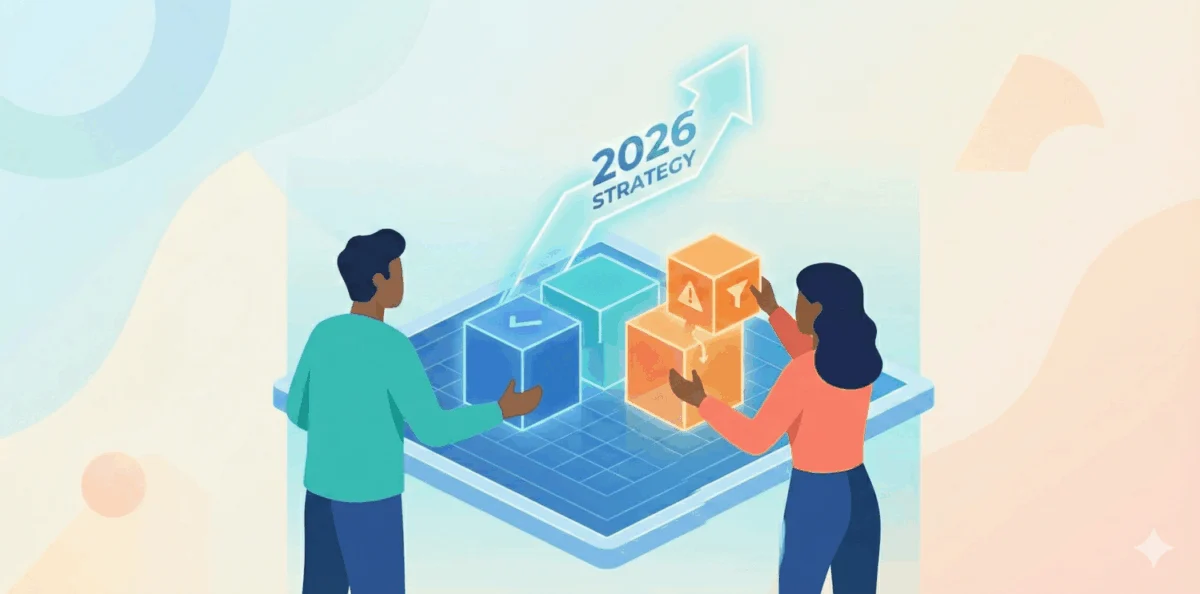
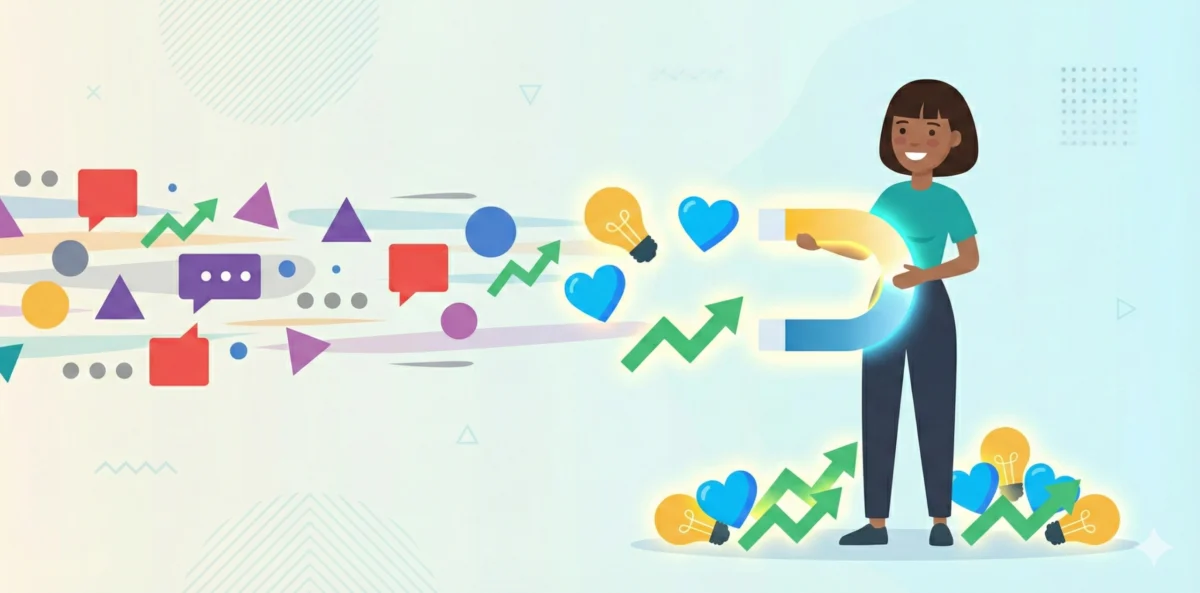
However, relying solely on basic sentiment metrics misses social listening’s broader strategic potential. The most effective content teams today use listening not merely to track brand mentions, but to unearth emerging cultural signals that directly shape their next strategic move.
Consider how this shift plays out in real-world scenarios: A sudden, unexplained spike in negative comments on a social channel might look like an emergent reputational crisis at first glance. Yet, viewed through a wider analytical lens, that chatter often points to a shifting consumer preference, an unmet product need, or unexpected momentum surrounding a competitor. What initially looks like a PR fire to put out is frequently an early market signal—providing an invaluable opportunity to lead the conversation rather than chase it.
To leap from basic sentiment reporting to true strategic advantage, brands must reframe listening as a core input for upstream planning. Elite marketing teams track vital indicators including:
- Velocity of specific keyword usage across disparate platforms.
- Shifts in visual aesthetics and meme formats within target demographics.
- Unprompted consumer workarounds or product modifications shared organically online.
- Emerging nomenclature and slang used to describe category pain points.
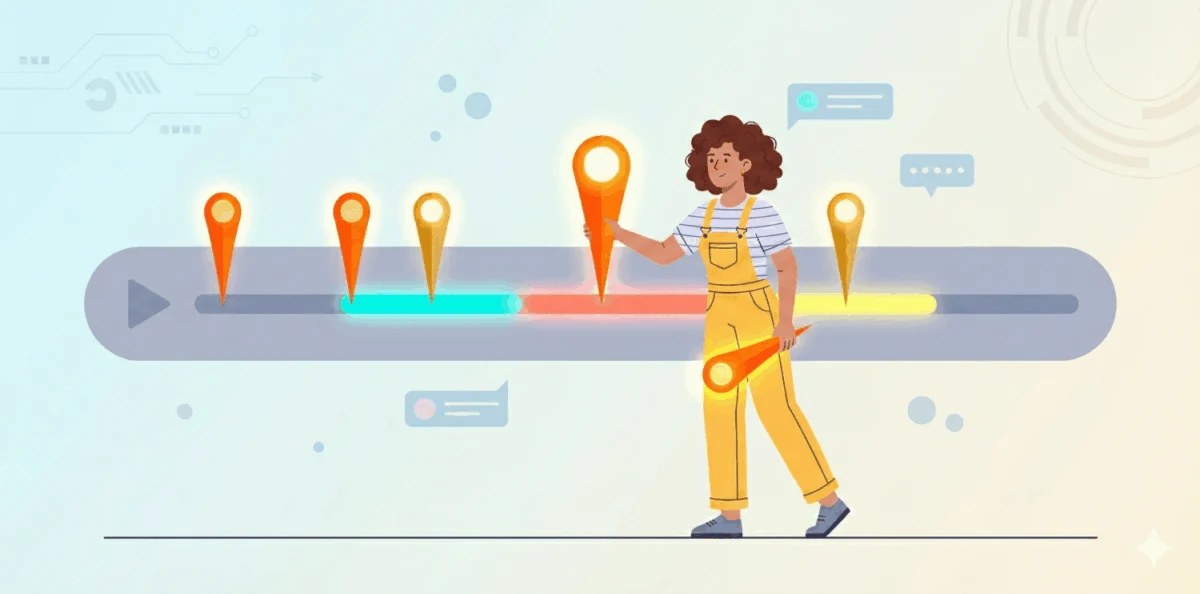
When these signals pinpoint a genuine cultural insight, marketing teams must respond while the discussion is still gaining traction—ideally within a tight 48- to 72-hour window. Moving any slower risks making the brand look reactive, out-of-touch, or wholly irrelevant.
Spotting Micro-Virality Early: Beyond the Mainstream Echo Chamber
"Micro-virality" represents a fundamental shift in how contemporary cultural trends emerge and spread. Unlike traditional viral content that explodes across demographics simultaneously via major media outlets, micro-viral moments ignite deep within highly specific, often insular communities before ever crossing into mainstream consciousness.
Crucially, the earliest ripples of tomorrow’s biggest trends almost always start in places where traditional corporate brands aren’t looking. A meme circulating quietly within a 20,000-member Discord server, or an esoteric professional discussion gaining unusual traction among B2B practitioners on specialized forums, can serve as the smoking gun for a massive consumer movement six months down the line.
Detecting these early sparks presents a massive challenge for legacy analytics dashboards, which are traditionally engineered to prioritize aggregate volume over velocity. These legacy tools miss the subtle signals entirely, blinding brands to the undercurrents of the internet.
Navigating Digital Subcultures
Effective micro-virality detection requires monitoring far beyond obvious, public-facing channels. Brands must learn to read the room in digital subcultures, including:
- Niche Discord servers dedicated to specialized hobbies, aesthetics, or lifestyle practices.
- Private and semi-private Facebook or Reddit groups centered around hyper-local or micro-consumer interests.
- Specialized professional communities and forums where industry-specific pain points are debated without corporate filters.
- Emerging video and audio rooms where unpolished, conversational dialogue dictates opinion.
However, breaking into these spaces requires extreme tact. Showing up heavy-handed or overtly commercial will instantly brand an organization as an interloper. To earn trust, modern brands must listen first, contributing in ways that feel entirely native to the community rather than bolted on from the outside. Many successful organizations bypass this barrier by partnering with credible, organic voices already inside those spaces, amplifying their presence naturally without hijacking the community’s culture.
The Pitfalls of Trendjacking with Finesse
For every successful, culturally resonant trendjacking moment, there are dozens of tone-deaf attempts that breed public mockery, eye rolls, and severe backlash instead of authentic connection. Botched corporate trend integrations almost always share the same underlying DNA: rushed execution, a fundamental misunderstanding of the meme’s underlying tone, and a desperate, forced insertion of the brand logo where it simply does not belong.
A textbook case study in this phenomenon occurred when the #GirlDinner trend exploded across TikTok. The trend, rooted in Gen Z humor, celebrated assembling chaotic, low-effort, snack-based meals (like a slice of cheese, a handful of grapes, and a pickle) when one is too tired to cook.
Fast-food giant Popeyes attempted to capitalize on the moment by launching a promotional #GirlDinner menu composed entirely of its side dishes. Rather than eliciting delight or engagement, the move was widely panned by consumers and media outlets alike as lazy, corporate, and completely missing the point of the trend. What could have been an opportunity to align with self-aware youth culture instead highlighted the severe risks of jumping onto a cultural bandwagon without adding genuine value or understanding the nuance.
Conversely, brands that take the time to decode cultural nuances show up in ways that feel remarkably relevant. Consider HelloFresh, which actively tracks not only direct brand mentions, but the broader, holistic conversations happening around home cooking habits, shifting dietary preferences, and recipe experimentation. By analyzing these deep signals, the company adapts its product offerings, pricing structures, and content strategies in real-time, meeting consumers precisely where their habits are already heading.
Shaping the Content Machine from the Inside Out
The true value of social listening is unlocked when real-time audience intelligence flows directly into the operational heart of a content engine. Leading organizations are moving past surface-level vanity metrics to let audience data inform four critical operational functions:
1. Editorial Calendar Evolution
Streaming giants like Netflix have long demonstrated how tracking audience chatter in real-time can dynamically reshape promotional priorities. Conversations concerning specific genres, collective moods, or emerging cultural touchpoints directly guide what content gets highlighted in marketing campaigns—such as elevating "comfort viewing" catalogs during moments of collective societal stress.
2. Language and Tone Optimization
Low-cost airline Ryanair has become an industry case study in utilizing social listening to inform a distinct brand voice. Their famously cheeky, relentlessly self-deprecating tone ("Yes, our legroom is terrible, but our fares are cheap") is a direct reflection of what they know consumers are already saying about them online. Social posts that mirror the unfiltered humor of their audience consistently drive record-breaking engagement, proving that listening can redefine not just what a brand communicates, but how it speaks.
3. Executive Positioning and Thought Leadership
Enterprise software giants like Salesforce lean heavily on continuous trend monitoring to inform executive thought leadership programs. By tracking emerging discussions around artificial intelligence, customer data privacy, and workplace sustainability, these companies position their leadership teams to weigh in early, credibly, and authoritatively on topics that matter to their B2B buyers.
4. Message Testing and Iteration
Technology companies regularly validate their positioning by tracking how potential narratives land in the market before committing millions to a scaled campaign. Slack’s strategic evolution from "be less busy" to "your digital HQ" reflects this exact kind of feedback loop, where conversational analysis helps sharpen and refine brand messaging before a global rollout.
Supporting Data and Industry Insights
To quantify the operational shift required in modern marketing, recent industry analyses highlight several critical realities:
- The Window of Relevance: According to digital marketing benchmarks, the average lifespan of a viral social media meme has dropped from roughly 14 days in 2018 to under 72 hours today.
- Consumer Trust Deficit: Studies show that over 64% of consumers under the age of 30 can immediately spot when a brand is artificially "trendjacking," and 42% actively unfollow or boycott brands that execute tone-deaf marketing stunts.
- The ROI of Agility: Brands that integrate real-time social intelligence directly into their editorial workflows report a 35% higher engagement rate on organic content compared to those relying solely on static, pre-planned quarterly calendars.
Practical Takeaways and Best Practices
Transforming social listening from a passive monitoring task into an active performance driver requires rigorous operational discipline and cross-departmental integration. Marketing leaders looking to modernize their workflows should adopt three essential best practices:
- Dismantle Silos Between Analytics and Creative: Social listening data cannot live in a weekly PDF report emailed exclusively to executives. It must be fed directly into the Slack channels and daily stand-ups of copywriters, video editors, and social media managers.
- Establish Rapid-Response Guardrails: Speed requires pre-approval. Build lightweight guardrails—such as a clear "do/don’t" list for language, topics, and tone, alongside a streamlined approval chain for rapid-fire responses. This eliminates bottlenecks while protecting the brand from unnecessary risk.
- Invest in Cultural Intelligence Training: Teach creative teams how to interpret qualitative social data, not just quantitative metrics. Understanding why a community reacts a certain way is just as important as knowing the view count.
Implications for the Future of Marketing
The brands thriving in today’s compressed attention economy are those capable of anticipating conversations, shaping their direction, and building a durable competitive advantage through deep cultural intelligence.
This transformation demands a fundamental reframing of corporate budgets and strategic mindsets. Viewing social listening as a line-item expense rather than an investment in creative performance is a recipe for irrelevance. In a digital landscape where cultural moments flare and fade faster than a passing news cycle, the ability to detect, interpret, and respond within hours—not weeks—is the ultimate differentiator.
The modern mandate is clear: Stop showing up after the party has already wound down. With sophisticated social listening, brands can arrive right on time, participating in the cultural conversation in a way that feels genuinely welcome.
Frequently Asked Questions (FAQs)
What is the single biggest mistake brands make when launching a social listening program?
The most common pitfall is treating listening purely as a reporting or PR function rather than an action driver. It is easy to produce massive, impressive data dashboards that look great in slide decks but never actually inform a creative or strategic decision. Real value is only realized when insights directly alter how a team plans, creates, and publishes content.
Can social listening completely replace traditional customer research?
No. Social listening reveals how people talk in public and in real time. It serves as a powerful complement to traditional surveys, focus groups, and usability testing by surfacing unfiltered opinions and emerging behavioral shifts, but it should be used alongside—rather than in place of—foundational primary research.
How can a brand successfully balance rapid response speed with brand safety and compliance?
By building lightweight, pre-approved operational guardrails. Establish a clear "do/don’t" playbook covering language, sensitive topics, and brand tone; implement a shortened, emergency approval chain for rapid-response moments; and set up clear escalation paths for sensitive or volatile issues. This framework empowers creative teams to move at the speed of culture without exposing the enterprise to unnecessary compliance risk.