The e-commerce software and logistics landscape is undergoing a massive, rapid transformation. Driven by breakthroughs in artificial intelligence, shifting international trade dynamics, and a fundamental transition toward conversational and agentic commerce, platforms and service providers are racing to give merchants the tools they need to stay competitive.
This week’s comprehensive product release rundown highlights major innovations across international shipping, cross-border payments, AI-powered logistics, generative ad campaigns, social commerce, dropshipping, and automated reputation management. From global logistics giants like FedEx and DHL to fintech titans like Mastercard and Visa, the ecosystem is shifting away from static website management and toward automated, AI-driven, multi-channel execution.
Main Facts
The latest slate of global product updates and strategic partnerships highlights a central theme: the maturation of autonomous AI agents and cross-border infrastructure.

Key developments include:
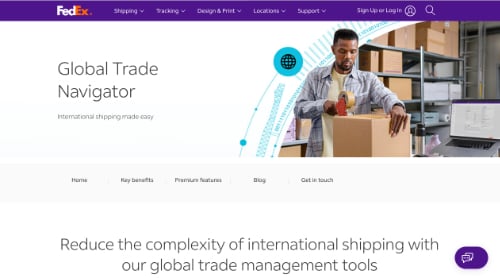
- Logistics & Trade Modernization: FedEx launched its Global Trade Navigator suite to streamline international shipping, while DHL partnered with Alibaba.com to integrate AI-powered freight quotation and booking capabilities through Alibaba’s Accio platform.
- Agentic Payment Standards: Ant International has joined forces with Visa and Mastercard to establish foundational frameworks for "knowing your agent" (KYA), ensuring that AI purchasing agents can securely and verifiably transact on behalf of humans. Mastercard also introduced Agent Connect to help merchants seamlessly scale AI-driven shopping.
- Conversational Advertising: Amazon Ads and OpenAI have initiated a high-profile pilot allowing brands to run conversational ad campaigns directly inside ChatGPT.
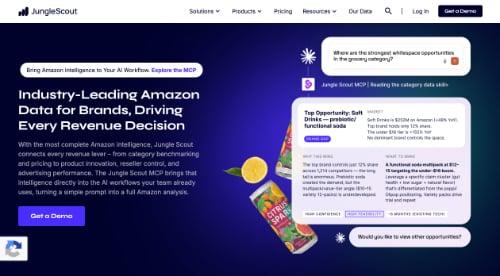
- AI Shopping Assistants & Marketplaces: Retail technology companies like Instacart, Shipt, and Jungle Scout have rolled out conversational AI shopping assistants (Clementine, Ask Shipt, and Ask Cobalt, respectively) designed to change how consumers discover, evaluate, and purchase products.
- Global Fintech Expansion: Cross-border platforms like Xflow and Mastercard are breaking down payment barriers in high-growth markets like India and East Africa, enabling frictionless local collections and social-commerce checkout flows.
Chronology of Releases
The rollout of these transformative merchant tools has accelerated over the past several days, reflecting a coordinated industry push toward intelligent automation:
- September 8: Lightsage secured $4 million in funding led by Nexus Venture Partners to expand its growth stack for AI agents. TopDawg announced a direct integration with Temu to streamline multi-channel dropshipping for U.S.-backed suppliers. RankRabbit AI launched Reputation AI to automate review monitoring and sentiment analysis.
- September 9: M11 Labs emerged from stealth to launch its agentic trust platform and OpenMarket marketplace. Mntn and Klaviyo announced a powerful cross-channel integration bridging Connected TV advertising with CRM marketing workflows. Xflow rolled out India collections to simplify cross-border payments for global companies. Telesign and B2Metric partnered to enhance predictive conversational commerce.
- September 10: Ant International announced its landmark collaboration with Visa and Mastercard on AI payment agent standards. FedEx debuted the Global Trade Navigator suite. DHL and Alibaba.com formalized their AI logistics partnership. Jungle Scout revealed its new AI Solutions suite for Amazon sellers. Shipt launched Ask Shipt.
- Throughout the Week: Amazon Ads expanded its ChatGPT ad pilot with select U.S. brands. Mastercard and Flowcart teamed up to power card payments inside WhatsApp for East African markets. SurveyMonkey released its comprehensive AI Analysis Suite.
Supporting Data & Ecosystem Impact
To understand the scale of these updates, one must examine the underlying metrics driving merchant adoption:
- The Rise of Agentic Traffic: According to recent market intelligence, algorithmic buying agents are projected to account for a double-digit percentage of routine online consumer queries by the end of the decade. Platforms like M11 Labs and Lightsage are addressing a critical "trust gap," where over 40% of brands express concern regarding how AI models represent their product data and pricing accuracy.
- Cross-Border Complexities: Regulatory hurdles and localized payment methods remain top barriers for global merchants. Xflow’s entry into India collections directly targets a market where alternative payment methods like UPI (Unified Payments Interface) dominate more than 50% of digital transactions. By bypassing local entity requirements, global brands can capture high-intent buyers with zero administrative friction.
- Connected TV and CRM Synergy: The integration between Mntn and Klaviyo merges upper-funnel brand awareness with lower-funnel performance marketing. Data shows that multi-channel campaigns combining CTV exposure with automated SMS and email touchpoints yield a 30% higher conversion rate compared to siloed advertising efforts.
Official Responses and Industry Perspectives
Industry leaders emphasize that these new products are not just incremental updates, but foundational shifts in how commerce is conducted.
"International trade has historically been plagued by complex documentation, volatile tax calculations, and confusing regulatory compliance," noted a FedEx representative during the Global Trade Navigator launch. Our goal with the Global Trade APIs and Shopify integration is to remove friction at checkout, giving merchants absolute pricing transparency before an order ever leaves the warehouse.
On the financial front, the collaboration between traditional credit card networks and fintech gateways signals a proactive stance on automated security.

"As AI agents begin executing commercial transactions independently, establishing trust and verification is paramount," executives from Ant International, Visa, and Mastercard stated in a joint briefing. Through our ‘Know Your Agent’ standards, we are building the digital guardrails necessary to safely scale autonomous commerce globally.
In the realm of conversational advertising, the Amazon and OpenAI pilot represents a fascinating convergence of search, discovery, and retail media. By inserting contextual ads directly into conversational chat histories, brands can intercept consumers at the exact moment of decision-making.
Implications for Merchants and E-Commerce Professionals
For independent merchants, small-and-medium enterprises (SMEs), and enterprise brands alike, these product releases carry several vital strategic takeaways:

1. Adaptation to AI-Driven Discovery
Traditional Search Engine Optimization (SEO) is evolving into Answer Engine Optimization (AEO). With tools like Jungle Scout’s MCP, Lightsage’s growth stack, and M11 Labs’ OpenMarket, brands must ensure their product feeds, pricing data, and brand attributes are readable and verifiable by third-party AI agents. If an AI agent cannot clearly parse a brand’s data, the brand risks being omitted from conversational recommendations entirely.
2. Frictionless Global Expansion
Expanding into foreign markets is no longer reserved for multinational conglomerates. With FedEx’s automated duty-and-tax calculators, DHL’s AI-powered freight booking via Alibaba.com, and Xflow’s localized collection tools in India, cross-border operations can now be managed via automated APIs. Merchants can test international waters with minimal capital expenditure and zero physical infrastructure abroad.
3. The Omnichannel Communication Loop
The integration of advertising channels—such as Mntn’s Performance TV linking directly with Klaviyo’s CRM, or Telesign and B2Metric powering predictive messaging—underscores the necessity of unified data. Modern consumers jump seamlessly from streaming television to WhatsApp chats and email inboxes. Brands that fail to unify these touchpoints into automated, responsive journeys will lose market share to more agile competitors.
4. Trust and Reputation Automation
As online reviews multiply across decentralized platforms, manual reputation management is becoming obsolete. Tools like RankRabbit AI’s Reputation AI allow merchants to automate sentiment tracking and review responses in real time, protecting brand equity before negative feedback impacts algorithmic search visibility.
Conclusion
The autumn product cycle demonstrates that the future of e-commerce belongs to automation, intelligence, and hyper-localization. Merchants who embrace AI agents, streamline their cross-border shipping workflows, and participate in conversational advertising networks will find themselves well-positioned for the next era of digital retail. Those who remain tethered to static, manual processes risk being left behind in a fast-moving, agent-driven economy.