
By Global Media Desk | Updated & Enriched Report
As the boundaries between traditional television and digital video continue to blur, a seismic shift is underway in the media landscape. YouTube, long the undisputed king of mobile and desktop video, has firmly set its sights on the ultimate media prize: the living room television screen.
For brands, content creators, and digital marketers, this is not merely a platform update—it is an existential evolution. The strategies that built massive audiences on 6ohar-inch smartphones are failing to translate to 65-inch 4K displays. To survive and thrive in this new era, marketers must fundamentally rethink how they approach content creation, audience measurement, AI-driven search, and e-commerce.
Co-created by digital strategist Liron Segev alongside industry authorities Michael Stelzner and Jerry Potter, a comprehensive roadmap has emerged to help marketers decode YouTube’s aggressive push into connected TVs (CTVs).
Main Facts: The Living Room Revolution
The core reality of modern media consumption is clear: Connected TVs are now YouTube’s primary strategic growth vector. Company leadership has repeatedly signaled that the living room is the end goal of every major platform update. For a rapidly growing number of creators and corporate channels, smart TVs have already surpassed mobile and desktop to become their number one traffic and watch-time source.

However, moving from the palm of a hand to the center of the living room alters consumer psychology entirely.
The Mindset Shift: Mobile vs. Couch
- The Mobile Viewer: Often in transit (e.g., on a train commute), distracted, and operating with low expectations regarding production value.
- The TV Viewer: Relaxed on a couch, fresh off a high-production Netflix documentary or prestige streaming series, unconsciously applying those exact cinematic standards to whatever appears on screen next—including independent creator content.
According to Liron Segev, adapting to the TV mindset does not mean striving for sterile, Hollywood-level perfection. Daily vloggers have conditioned modern audiences to value raw authenticity, a trait that may become even more valuable as generative AI floods the internet with overly polished, synthetic media. Instead, the secret lies in meeting the audience where they are physically sitting and acknowledging the viewing environment.
Chronology of a Shift: How YouTube Prepared for the Big Screen
YouTube’s dominance on TV did not happen overnight. It represents a deliberate, multi-year technological and structural evolution designed to transition the platform from a casual clip repository to the dominant broadcast medium of the 21st century.
- Phase 1: Hardware Integration & Accessibility (2018–2022)
YouTube aggressively secured default placement on virtually every smart TV, gaming console, and streaming stick (Roku, Apple TV, Amazon Fire Stick) sold globally, turning the YouTube app into a native utility equivalent to traditional cable networks. - Phase 2: Visual and Technical Upgrades (2023–2025)
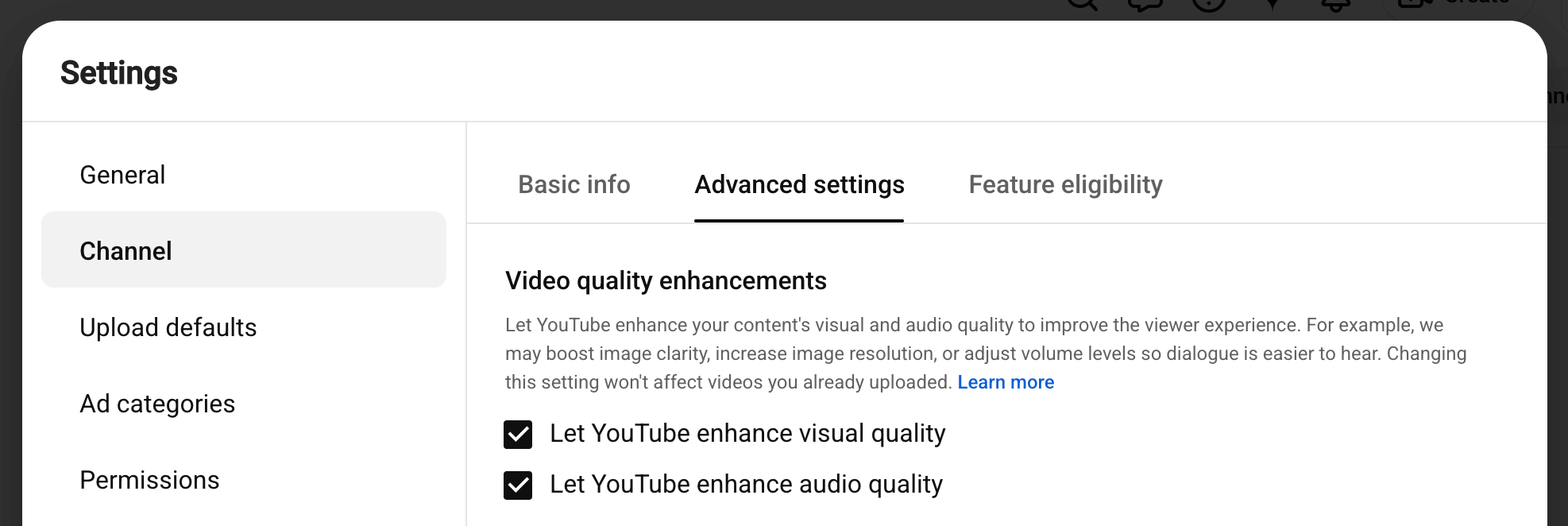
Recognizing the limitations of legacy uploads on large screens, YouTube expanded file size limits for thumbnails from 2MB to 50MB to support pristine 4K resolutions. Simultaneously, the platform rolled out AI-powered upscaling tools to automatically enhance legacy sub-1080p content for high-definition displays. - Phase 3: The AI and Analytics Integration (2025–Present)
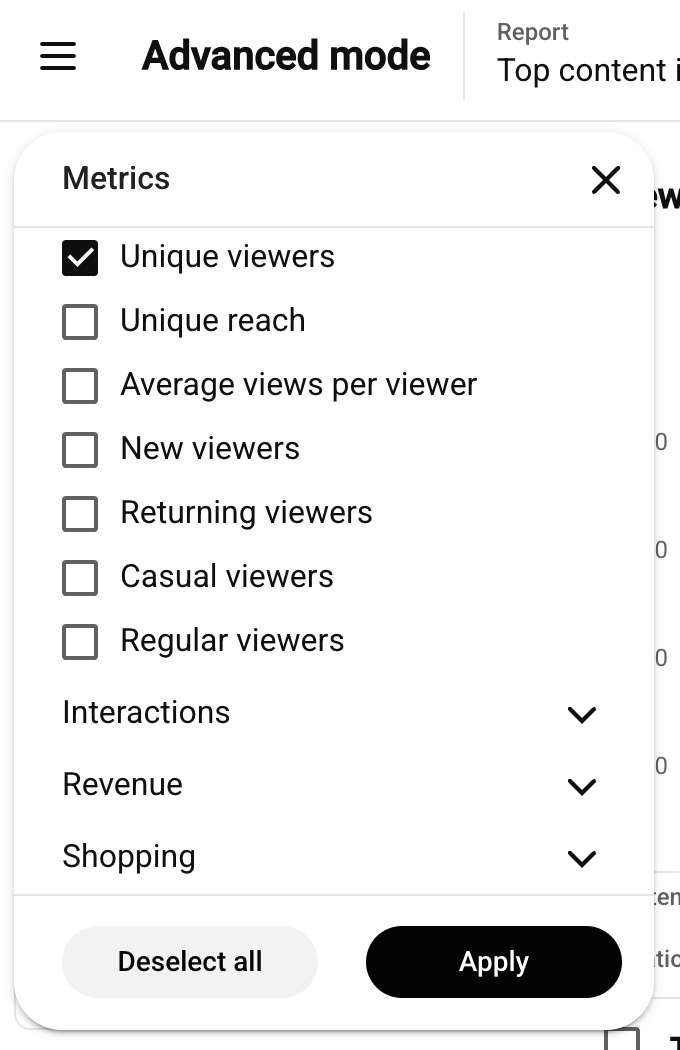
YouTube introduced advanced measurement frameworks like the Unique Reach metric to account for household co-viewing. Concurrently, Google integrated its Gemini-powered Ask YouTube chatbot directly into TV interfaces, enabling voice-activated, context-aware discovery through remote microphones. Most recently, the platform launched Buy with Google Pay integration for seamless, two-click living room e-commerce.
Supporting Data and Technical Optimization
To capture and retain the attention of couch-based audiences, marketers must execute structural audits of their channels. Segev highlights three primary "low-hanging fruit" optimizations that most brands completely overlook:
1. Reclaiming the Channel Banner
On mobile and desktop, YouTube banners are tightly cropped. On smart TVs, however, additional display space appears at the top and bottom margins. Marketers can utilize YouTube’s official dimension guidelines to place auxiliary branding, calls-to-action, or promotional messaging in these TV-only zones while ensuring the core design scales gracefully across all three formats.
2. Upgrading Thumbnails for 4K
A higher-resolution upload of a cluttered, confusing thumbnail remains a bad thumbnail. The foundational rule of graphic design on YouTube has not changed: a thumbnail’s sole job is to stop the scroll. Clean layouts, high-contrast colors, and minimal text are vital, especially when viewed from ten feet away on a living room couch.
3. Delivering Immediate Value (The First 100 Words)
TV viewers have zero patience for drawn-out introductions. Whatever a video’s title and thumbnail promise must be delivered immediately in the opening seconds. This front-loaded structure satisfies human viewers while providing crucial context for AI discovery algorithms, as the first 100 words of a transcript carry outsized weight in search indexing.
Supporting Data: Content Length and Episodic Formats
Data overwhelmingly shows that TV audiences prefer longer-form content. A 10-minute runtime—once considered a stretch goal for digital creators—is now merely the baseline for TV-optimized videos.
- The "Infotainment" Model: Traditional YouTube content relied on hyper-tight editing designed to deliver quick value and end the session. Couch viewing, by contrast, rewards a relaxed "infotainment" pace where viewers feel like they are sharing space with the creator.
- Embracing Human Imperfection: Modern viewers respond well to unscripted moments—bloopers, pauses, and authentic human reactions—which build parasocial trust far faster than sterile, corporate scripting.
- Episodic Story Arcs: Rather than isolated, one-off tutorials, creators should design continuous episodic arcs. Because TV viewers are frequently multitasking (holding a phone in one hand while watching TV), creators must bake re-hooks—periodic, natural recap transitions like "We’ve just covered Part A; let’s dive into Part B now"—to pull wandering attention back to the screen.
Official Responses and Metrics: Decoding "Unique Reach"
As advertising budgets follow eyeballs into the living room, traditional digital metrics are proving insufficient. To address this, YouTube has introduced Unique Reach, a metric designed to estimate the total aggregate number of individuals watching a video, including co-viewers on shared household screens who are not logged into individual accounts.
How Unique Reach Works
Unlike traditional unique viewer metrics—which strictly count distinct, logged-in Google accounts—Unique Reach models total audience size based on:

- Time of day (evening hours traditionally signal high household co-viewing).
- Device type (CTV versus mobile phone).
- Demographic signals and content genres.
Industry Implications for Sponsorships
For creators, Unique Reach provides powerful leverage during brand sponsorship negotiations, reflecting the true communal exposure of a living room broadcast. However, industry experts offer a word of caution for brands evaluating these deals.
"If a video shows 5,000 baseline views but 15,000 in unique reach, use the view count as your strict baseline," advises Liron Segev. While unique reach confirms broader household exposure, it does not justify tripling sponsorship rates without corroborating audience engagement data.
Implications: AI Search and Living Room E-Commerce
The integration of Ask YouTube—Google’s Gemini-powered conversational assistant—directly into smart TV interfaces completely redefines content discoverability.
The AI Discovery Challenge
When a viewer uses their remote’s microphone to ask a question, Gemini can scan video transcripts, analyze on-screen graphics via multimodal vision models, and deliver direct answers without requiring the user to click into a specific video.
While some marketers fear this could reduce raw view counts (drawing a parallel to AI search overviews on blogs), thought leaders emphasize that modern marketing success is measured by conversions, not vanity metrics. Brands that position themselves as authoritative, cited sources within AI responses capture high-intent leads regardless of traditional click-through behavior.
Frictionless Living Room Commerce
Rounding out YouTube’s TV transformation is the introduction of Buy with Google Pay. Viewers can now purchase products advertised in videos or tagged in shopping segments using a frictionless, two-click checkout executed entirely via their TV remote. With YouTube reporting over 35 billion hours of shopping-related video consumption—much of it occurring in living rooms—the platform has firmly evolved from an entertainment hub into a transactional retail ecosystem.
Conclusion: The Ultimate Strategic Takeaway
The migration of YouTube to the living room is not a temporary trend; it is the permanent maturation of digital video. Brands that continue to treat YouTube solely as a mobile app risk rendering their content invisible to audiences sitting ten feet away from a 4K screen.
By optimizing visual assets for large formats, adopting episodic storytelling, leveraging voice-and-AI search optimization, and embracing living room commerce, marketers can turn the smart TV revolution into their greatest competitive advantage.