Main Facts: A Strategic Relaunch
Five months after a series of high-profile incidents involving autonomous vehicles struggling against the elements, Waymo has officially resumed its robotaxi operations in San Antonio, Texas. The Alphabet-owned company, widely considered the frontrunner in the autonomous vehicle (AV) race, pulled its fleet from the streets of the Alamo City in April following a catastrophic weather event that saw multiple vehicles trapped in flash floodwaters.
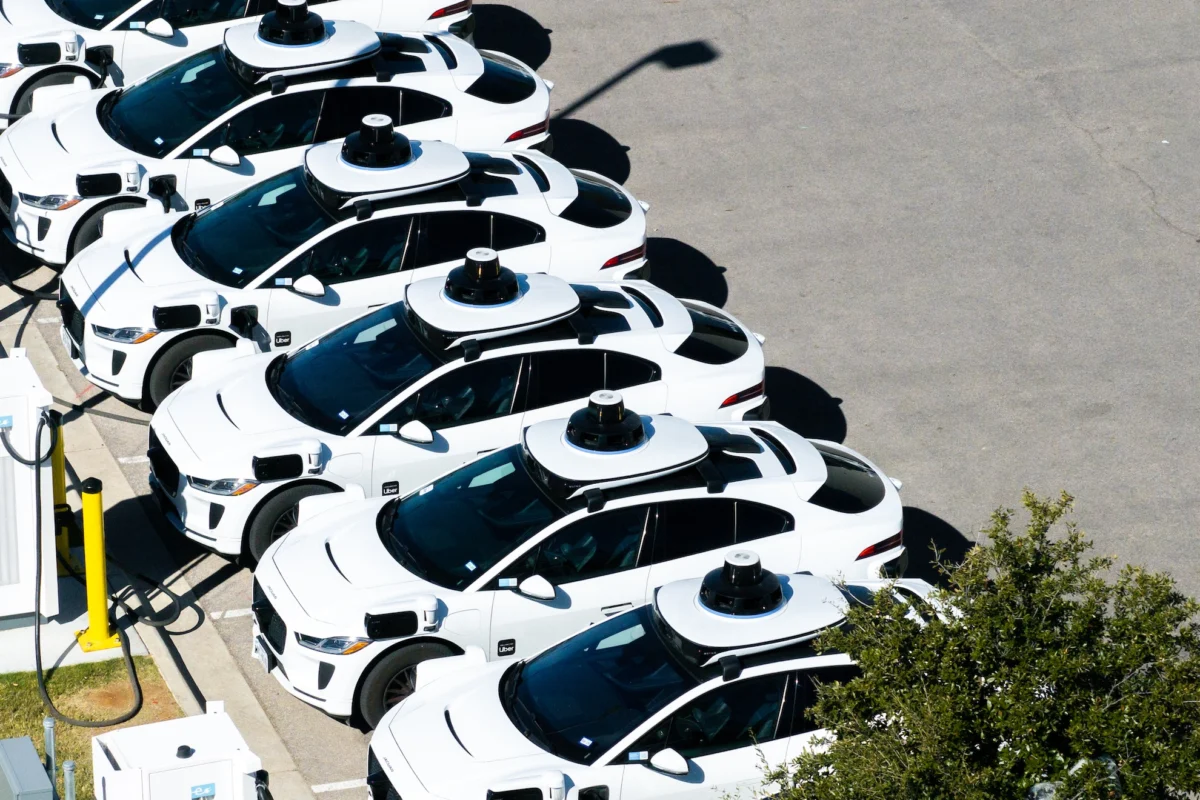
The return to service is not merely a restart; it is a recalibrated expansion. Waymo is deploying dozens of its Jaguar I-PACE electric SUVs across a 60-square-mile service area. This operational footprint encompasses critical urban infrastructure, including the bustling downtown corridor and the San Antonio International Airport. This relaunch marks a significant milestone in Waymo’s broader national strategy, as the company now provides paid autonomous rides in 15 U.S. cities, solidifying its position as the leader in the commercialization of self-driving technology.
Chronology: From Innovation to Inundation and Back
The timeline of Waymo’s relationship with San Antonio is a case study in the volatility of deploying cutting-edge AI in unpredictable environments.
The Spring Expansion
Waymo initially arrived in San Antonio with high hopes, aiming to integrate its Driver technology into one of Texas’s most rapidly growing metropolitan areas. The city, known for its complex urban layout and susceptibility to heavy rainfall, served as an ideal testing ground for Waymo’s "geofencing" and mapping capabilities.
The April Flash Flood Crisis
In late April, San Antonio experienced severe weather, resulting in localized flash flooding that caught many drivers—and, crucially, the autonomous fleet—off guard. Video footage and data reports from the incident revealed a concerning pattern: Waymo’s vehicles, relying on sensors designed to detect obstacles, struggled to interpret the depth and danger of waterlogged streets. While the vehicles attempted to navigate the conditions, several were swept away or became immobilized, necessitating human intervention and recovery.
The Recall and Retrenchment
By May, the National Highway Traffic Safety Administration (NHTSA) and Waymo were in active discussions regarding the fleet’s safety protocols. Waymo issued a voluntary recall, not for a mechanical defect, but for a software update. The company acknowledged that its vehicles were failing to adequately detect and respond to flooding risks. Consequently, Waymo initiated a temporary suspension of its San Antonio service to refine its decision-making algorithms and implement stricter geofencing parameters that automatically restrict operations during severe weather warnings.
The Path to Resumption
Throughout the summer, Waymo scaled back its presence in Texas while simultaneously refining its software. By late summer, the company had successfully resumed services in other Texas markets, using the lessons learned from the San Antonio incident to optimize its "weather-awareness" stack. The official return to San Antonio in September follows rigorous testing and validation, signaling that the company believes its software can now successfully distinguish between a shallow puddle and a hazard-level flood.
Supporting Data: The Technology Behind the Wheel
Waymo’s return is backed by significant technical overhauls. According to company statements, the software update—the catalyst for the recall—focuses on "environmental perception."
Enhanced Perception Algorithms
Modern AVs operate using a sensor fusion suite consisting of LiDAR, radar, and high-resolution cameras. In the April incident, the challenge was "ground plane estimation." The software, when faced with water, struggled to determine if the road surface was traversable. The new update allows the vehicles to better process visual cues related to water reflectivity and ripple patterns, essentially giving the robotaxis a "cautious-by-default" mode when standing water is detected.
Scaling the Footprint
The current 60-mile service area is strategically chosen. By focusing on downtown and the airport, Waymo is targeting high-density transit corridors where the economic viability of a robotaxi service is highest. With "dozens" of vehicles currently operational in the city, Waymo is maintaining a controlled density to ensure that fleet management teams can respond rapidly should a vehicle encounter an unexpected obstruction.
Official Responses: Transparency and Accountability
Waymo’s communication strategy throughout this period has focused on safety as a primary metric. In statements provided to the San Antonio Express-News, the company emphasized that its commitment to the city remains steadfast despite the early setbacks.
"We have utilized the data collected during the spring weather events to train our AI models to be more discerning," a Waymo spokesperson noted. "Safety is not a static goal; it is a process of continuous iteration. We are confident that the software improvements deployed across our fleet will ensure our vehicles can handle the complexities of San Antonio’s unique topography and weather patterns with a higher degree of safety and reliability."
City officials have remained cautiously optimistic. While the San Antonio government has supported the economic development potential of autonomous transit, they have also kept a close eye on the company’s adherence to local traffic regulations. The return of the fleet is contingent upon ongoing monitoring, with local law enforcement keeping a watchful eye on how the vehicles perform during the next inevitable Texas rainstorm.
Implications: What This Means for the AV Industry
The story of Waymo in San Antonio is a microcosm of the challenges facing the entire autonomous vehicle industry. As companies move from controlled testing environments to "real-world" deployment, they are discovering that the "edge cases"—rare, unexpected, or extreme events—are the primary hurdle to full-scale adoption.
The "Edge Case" Dilemma
The industry has long focused on highway driving and clear-weather navigation. However, the San Antonio incident highlights that for robotaxis to truly replace human drivers, they must be as capable as a seasoned, cautious local driver who knows exactly which streets flood first. This requires massive datasets, often gathered through failure, which brings up questions of public safety versus the pace of innovation.
Regulatory Oversight
The NHTSA’s role in this recall sets a precedent. It demonstrates that federal regulators are increasingly willing to treat software updates for AVs with the same scrutiny as mechanical recalls. This is a positive development for consumer trust but adds a significant regulatory burden for companies like Waymo, Cruise, and Zoox.
Economic and Urban Impact
For San Antonio, the return of Waymo is a vote of confidence in the city’s status as a tech-forward hub. If the service proves reliable, it could fundamentally change the city’s transit landscape, reducing the reliance on private vehicle ownership and providing a more efficient, 24/7 transportation option for tourists and locals alike.
Looking Ahead: A New Standard?
As Waymo continues its expansion across the United States, the San Antonio "incident and return" cycle will likely be viewed as a pivotal learning moment. By proactively addressing the software flaws, Waymo has managed to avoid the more severe reputational damage that has plagued competitors who were less transparent about their own accidents.
The company is now operating in 15 cities, each with its own micro-climate and traffic idiosyncrasies. The lessons learned in the rain-swept streets of San Antonio are now being coded into the "brains" of vehicles in Phoenix, Los Angeles, and San Francisco. As the industry moves forward, the success of Waymo will not be measured by the number of miles driven in perfect conditions, but by how effectively it handles the unexpected. The streets of San Antonio are now the litmus test for whether the dream of the driverless future can truly weather the storm.