By the Digital Media Desk
Published in partnership with Social Media Marketing Insights
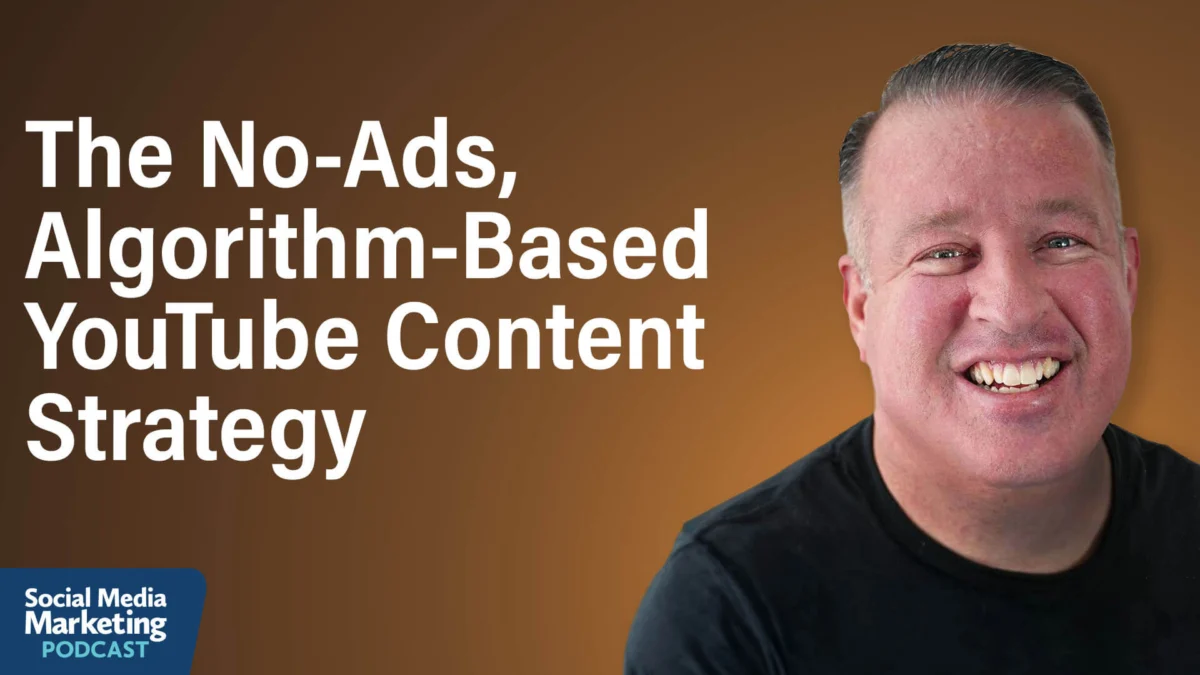
In an era where digital advertising costs continue to spiral upward, a growing number of forward-thinking enterprises are discovering an alternative distribution model: letting artificial intelligence do the heavy lifting. According to recent insights shared by veteran YouTube strategist Derral Eves and marketing expert Michael Stelzner, businesses can leverage YouTube’s sophisticated recommendation engine to organically source high-intent customers without spending a single dollar on paid ads.
Rather than treating the platform as a static storage locker for promotional media or product pitches, modern enterprises are learning to decode the mechanics of YouTube’s AI. By shifting the primary focus from "selling to customers" to "delivering value to viewers," brands are unlocking unprecedented reach, multi-million-dollar revenues, and intensely loyal customer bases.
Main Facts: Decoding the YouTube AI Engine
At the core of this organic marketing paradigm is a fundamental misunderstanding of what YouTube’s algorithm is designed to achieve. Since a pivotal shift in 2013, YouTube’s underlying AI has not been engineered to find customers for businesses. Instead, its singular objective is to identify individual viewers who want specific content and keep them engaged on the platform for as long as possible.
- The Organic Distribution Model: When a creator publishes content that genuinely serves a viewer’s immediate interests, YouTube’s recommendation system steps in as a free, automated distribution engine. It matches videos to target audiences based on watch history and topical relevance.
- The Viewer-First Imperative: Traditional marketers often bring direct-response ad copy techniques to organic video, creating an immediate friction point. Successful YouTube channels prioritize education, entertainment, and genuine utility over immediate pitching.
- Dual Search Visibility: Videos optimized for human interest frequently surface in both YouTube search and Google search results, creating a powerful dual-visibility loop that compounds traffic over time.
Chronology and Evolution: From Static Repository to AI-Driven Discovery
The trajectory of YouTube as a business growth tool has evolved dramatically over the past decade, moving from a secondary video-hosting utility to a primary customer acquisition funnel.
Phase 1: The Misguided Repository Era (Pre-2013)
For years, businesses viewed YouTube as a digital filing cabinet. Companies uploaded corporate commercials, unedited webinar recordings, and basic product demonstrations, expecting audiences to seek them out. Predictably, these channels languished with low view counts because they failed to align with how humans consume entertainment and information online.
Phase 2: The Algorithmic Awakening (2013–Present)
Following YouTube’s transition to an AI-driven, watch-time-focused algorithm, the platform became a self-learning discovery network. Case studies began to emerge proving the power of this shift. For instance, one notable e-commerce entrepreneur—who specialized in selling used office furniture sourced from corporate foreclosures—abandoned traditional paid ads entirely.
Instead of filming dry product listings, he created review videos, furniture comparison guides, and practical breakdowns detailing what buyers should look for when purchasing office assets. Later, advised by Derral Eves, he expanded into engaging formats like "S-tier to F-tier" rankings for gaming chairs and interactive live streams.
Phase 3: Compounding Success and Multi-Million Dollar Scale
The furniture retailer’s focus on organic viewer value yielded remarkable results. Approximately 75% to 80% of his views stemmed entirely from YouTube’s recommendation engine. Because users frequently watched three or four videos in a single sitting, the algorithm continuously amplified his reach.
When he eventually integrated traditional marketing tools—such as email drip sequences—alongside his YouTube presence, his business crossed the $20 million sales mark. Furthermore, his annual online May sales event, anchored by live streams, routinely outperformed traditional Black Friday metrics, all achieved with a distribution ad spend of zero.
Supporting Data and Strategic Frameworks
To replicate this level of success, experts outline several core frameworks designed to align content creation with algorithmic behavior.
1. Target the Viewer via Psychographics, Not Demographics
Demographics (such as age, gender, and geographic location) inform how content should be presented, but psychographics reveal why a viewer behaves the way they do. By examining underlying values, fears, and life circumstances—often viewed through the lens of Abraham Maslow’s hierarchy of needs—creators can build hyper-relevant content strategies.
- The Immunologist Case Study: An immunologist looking to attract patients worked with Eves to analyze her channel data, discovering her audience skewed heavily toward the 45-to-65-plus demographic. Recognizing that these viewers were likely experiencing health wake-up calls or managing blood pressure issues, she shifted her content focus. A video detailing foods to naturally lower blood pressure surpassed 1.7 million views, while a follow-up on blood pressure monitoring mistakes gained 865,000 views in under two weeks. The resultant trust drove substantial patient acquisition and supplement sales.
2. The Outlier Research Method
To determine what topics will resonate before filming, creators can use the "outlier research method." This involves identifying videos on competitor or niche channels that have accumulated an unusually high view count relative to their subscriber base.
Analyzing the comment sections of these outlier videos reveals valuable market gaps:
- What questions did viewers feel went unanswered?
- What specific aspects of the video provided the most value?
- Unstructured text data can even be processed using AI language models (like Claude, ChatGPT, or Gemini) to summarize audience pain points and guide upcoming content creation.
3. Master the Curiosity Gap and the Opening Seconds
Earning the click requires a compelling title and thumbnail built around a specific curiosity gap. However, the critical retention window occurs immediately afterward. On long-form videos, viewers typically decide whether to stay within the first 5 to 10 seconds. On mobile devices and YouTube Shorts, that decision window contracts to milliseconds.
Pro Tip: Avoid leading with promotional corporate introductions or "credibility stacks." The opening must instantly validate that the viewer has arrived at the right place and that the promised value is imminent.

Official Insights and Expert Perspectives
Industry leaders emphasize that sustainable channel growth relies on nurturing a deep sense of trust before introducing any commercial offer.
"The real value of YouTube isn’t a single view. It’s sustained viewership across multiple videos, the point at which a casual viewer becomes an engaged follower," notes Derral Eves. "When you deliver substantive value early, you trigger a compounding effect that signals algorithmic worthiness."
A prime example of this philosophy in action is the Dry Creek Wrangler School channel, helmed by a creator in his sixties who shares unedited wisdom beside a campfire. By listening to his audience’s struggles with modern life and loneliness, his video "When You Just Ain’t Got It Together" amassed 8.5 million views and generated nearly 18,000 comments. The resulting authenticity propelled his physical cowboy experience school to sell out completely, establishing a three-and-a-half-year waiting list—entirely driven by organic trust.
Similarly, Pat Flynn’s Deep Pocket Monsters channel demonstrated that entering a competitive niche with genuine curiosity, high-value storytelling, and patience rather than corporate polish can drive billions of views and build thriving live event communities.
Implications for Modern Marketers and Businesses
The transition toward AI-driven, organic audience discovery carries profound implications for the future of digital marketing:
- The Death of the Hard Pitch: Brands that rely on gatekeeping information—withholding core insights behind landing pages or aggressive sales funnels—will increasingly find themselves marginalized by algorithms that favor open, high-value educational content.
- The Rise of Authentic Voice: As generative AI tools flood the internet with synthetic media, audiences are placing an even higher premium on authentic human connection. Distinctive personal identities and conversational delivery styles will serve as critical competitive moats.
- Iterative Analytics as a Science: Successful content creators treat every video upload as a data experiment. By regularly monitoring audience retention curves, identifying exact drop-off timestamps, and refining their narrative mechanisms (such as listicles, ABC storytelling structures, and time-bound challenges), businesses can systematically engineer their own discovery engines.
Ultimately, YouTube’s AI algorithm offers a standing invitation to businesses willing to change their mindset. By trading the impulse to "sell" for a commitment to "help," organizations can turn the world’s second-largest search engine into a tireless, free engine for customer acquisition.