SAN FRANCISCO — To the average consumer, a marketing campaign arrives fully formed. It lives on a billboard, flickers across a smartphone screen during a favorite podcast, or plays as a high-production-value commercial during a Sunday afternoon NFL broadcast. It is polished, seamless, and seemingly effortless.
Yet, beneath that polished veneer lies a labyrinth of rigorous consumer research, cultural anthropology, strategic pivots, and relentless testing. According to Kim Dao, head of marketing at men’s grooming and personal care brand Every Man Jack, the public only ever witnesses the tip of the iceberg. The real magic—and the heavy lifting—happens long before a camera rolls or a headline is written.
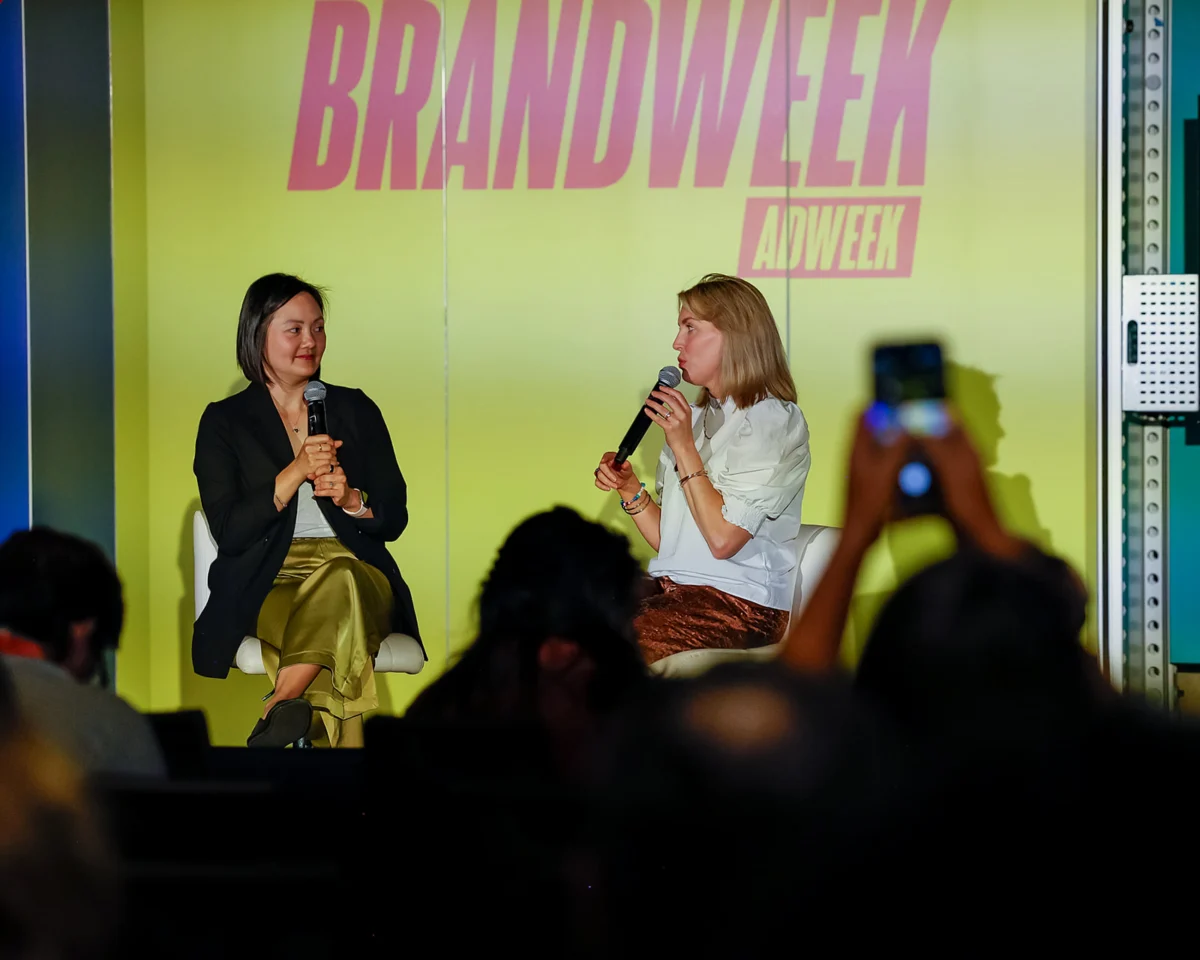
Speaking at ADWEEK’s prestigious Brandweek event, Dao pulled back the curtain on the modern marketing machine. She detailed how the nearly 20-year-old brand has continually evolved its target demographic, revitalized its market positioning, and executed high-impact initiatives like its recent partnership with NFL quarterback Baker Mayfield—a collaboration that yielded surprisingly lucrative and culturally resonant results.
As direct-to-consumer (DTC) brands navigate an increasingly fragmented media landscape and economic headwinds, Dao’s insights offer a masterclass in how legacy-minded disruptors can stay agile, authentic, and deeply connected to their consumer base.
Main Facts
At its core, Every Man Jack’s recent brand evolution centers on a deliberate recalibration of who its audience is and how the brand communicates its core values. Operating in an ultra-competitive category dominated by legacy consumer packaged goods (CPG) giants and nimble digital-first startups, Every Man Jack has carved out a distinct identity by focusing on naturally derived ingredients, rugged performance, and accessible pricing.
The key highlights of the brand’s recent strategic push include:
- The Baker Mayfield Partnership: A high-profile collaboration with NFL quarterback Baker Mayfield that transcended traditional celebrity endorsement, culminating in a dedicated signature product collection that dramatically outperformed initial internal projections.
- Audience Redefinition: A modern shift in how the brand identifies its customer base, moving away from monolithic stereotypes of "men’s grooming" toward a more nuanced, values-driven consumer profile that prioritizes sustainability, utility, and everyday wellness.
- The Philosophy of Scrappiness: An operational and creative ethos championed by Dao, which encourages marketing teams to operate with agility, resourcefulness, and a laser-like focus on authentic storytelling rather than relying solely on massive media budgets.
- Market Longevity: Navigating nearly two decades of market evolution—from the Great Recession era of 2007 to the post-pandemic digital economy of the mid-2020s—while maintaining relevance and continuous revenue growth.
Chronology: The Evolution of Every Man Jack
To understand where Every Man Jack is today, it is essential to trace the trajectory of the men’s grooming sector over the past two decades. The brand’s journey is a microcosm of how consumer expectations, retail distribution, and brand marketing have fundamentally transformed since the mid-2000s.
2007: The Genesis of a Market Gap
When Every Man Jack launched in 2007, the landscape of men’s personal care was starkly divided. As Dao noted during her Brandweek presentation, male consumers essentially faced a binary choice:
- Inexpensive, Mass-Market Brands: Products found on drug store shelves that were affordable and widely available, but often loaded with synthetic chemicals, artificial fragrances, and uninspired branding.
- Salon-Level Quality Brands: High-end, premium lines typically found in upscale salons or specialty boutiques, which offered superior ingredients and performance but carried a prohibitive price tag that alienated the everyday guy.
Every Man Jack entered the market to bridge this exact chasm. The foundational thesis was simple yet revolutionary for the time: provide naturally derived, high-performance grooming products—body wash, deodorants, shampoos, and skin care—at an accessible price point that working professionals, athletes, and outdoor enthusiasts could easily justify.
2010s: The Retail Expansion and Digital Awakening
Throughout the 2010s, Every Man Jack scaled its operations by securing shelf space in major big-box retailers and grocery chains, including Target, Walmart, and Whole Foods. This era required a delicate balancing act: maintaining the brand’s rugged, outdoor-centric ethos while appealing to mainstream retail shoppers.
Concurrently, the rise of social media and digital-native DTC brands forced Every Man Jack to modernize its marketing playbook. Traditional print and in-store promotions were no longer enough; the brand had to build a digital community, master performance marketing, and establish direct lines of communication with its consumer base.
The 2020s: Redefining the Modern Man
Entering the post-pandemic era, Every Man Jack faced a shifting cultural definition of masculinity. Modern consumers—particularly Millennials and Gen Z—were increasingly rejecting toxic or hyper-traditional tropes of manhood in favor of wellness, self-care, mental health, and environmental sustainability.
Recognizing this cultural shift, Dao and her marketing team embarked on a comprehensive overhaul of the brand’s audience strategy. This era marked a transition from selling products based solely on utility ("cleans hair, smells good") to selling products rooted in shared values ("sustainably made, ruggedly reliable, built for everyday life"). This strategic reset paved the way for high-impact cultural moments, most notably the collaboration with Baker Mayfield.
Supporting Data and Market Insights
The success of Every Man Jack’s modern strategy is underpinned by broader shifts in the global men’s grooming and personal care market. According to industry data from market research firms like Grand View Research and Euromonitor, the global men’s grooming market has experienced steady, robust growth, projected to surpass $100 billion by the end of the decade.
Key market drivers supporting Every Man Jack’s positioning include:
- The Rise of Natural and Organic Formulations: Consumer demand for clean beauty products is no longer confined to women. Men are increasingly scrutinizing ingredient labels, driving double-digit growth in naturally derived deodorants, aluminum-free body care, and plant-based hair products.
- The Blur Between Retail and DTC: Modern grooming brands cannot rely on a single channel. The most successful players—Every Man Jack included—have mastered an omnichannel approach where digital discovery seamlessly converts into brick-and-mortar retail purchases.
- The ROI of Authenticity: Data consistently shows that modern consumers, particularly younger demographics, place a high premium on brand authenticity. Campaigns that feature genuine collaborations rather than sterile, transactional endorsements yield significantly higher engagement rates and long-term customer lifetime value (LTV).
Dao’s emphasis on "getting scrappy" reflects the economic reality facing modern marketing leaders. With customer acquisition costs (CAC) rising across digital ad platforms like Meta and Google, brands can no longer simply outspend their competitors. They must out-think, out-storytell, and out-resonate them.
Official Responses and Strategic Perspectives
At Brandweek, Kim Dao offered a masterclass in modern brand stewardship, emphasizing that the most effective marketing strategies are born from introspection rather than trend-chasing.
"As a marketer, you can get scrappy—what stories does your brand want to tell?" Dao asked the audience of industry professionals. "What values are you trying to bring to life?"
Rather than viewing constraints as limitations, Dao framed them as catalysts for creativity. When a brand has a rich history—such as Every Man Jack’s nearly 20-year tenure—the challenge is not inventing a brand identity from scratch, but rather unlocking the dormant stories that already exist within the company’s DNA.
The collaboration with Baker Mayfield served as a prime case study of this philosophy in action. Mayfield, known for his gritty, resilient, and unapologetic persona on and off the football field, proved to be an organic alignment with Every Man Jack’s brand ethos. Instead of a standard endorsement where the quarterback simply held a bottle of body wash for a commercial, the partnership evolved into a deeply integrated signature collection.
According to Dao, the campaign yielded surprising results because it did not feel forced to the consumer. It resonated because Mayfield’s personal brand of rugged perseverance mirrored the daily grind of Every Man Jack’s target consumer base—men who work hard, play hard, and demand products that can keep up with their active lives.
Implications for the Industry
The trajectory of Every Man Jack offers several vital takeaways and implications for marketing professionals, CPG executives, and brand strategists navigating the modern commercial landscape.
1. The Death of the Monolithic Audience
Brands can no longer afford to target a generic demographic category like "men aged 18–49." Modern consumers demand hyper-personalization and psychological resonance. As Dao illustrated, redefining an audience requires understanding their evolving values, lifestyle shifts, and cultural pain points. A grooming brand today must speak equally to the weekend trail runner, the urban professional, and the hands-on father.
2. Scrappiness Over Spend
In an era of compressed marketing budgets and escalating ad network costs, raw financial capital is no longer a guaranteed moat. Brands that win are those that cultivate operational agility and creative resourcefulness. Being "scrappy" means leveraging organic social channels, listening closely to customer feedback loops, and executing high-impact, culturally relevant partnerships that punch above their weight class.
3. Longevity Requires Continuous Reinvention
Reaching the 20-year milestone is a rare feat for a modern brand, but longevity can easily curdle into irrelevance if a company fails to adapt. Every Man Jack’s success proves that heritage brands must continuously audit their positioning. By honoring their founding mission while aggressively modernizing their audience engagement and product innovation, legacy brands can successfully fend off digitally native upstarts.
4. Transparency Builds Trust
Consumers are increasingly immune to corporate gloss. As Dao pointed out, while audiences only see the polished final output, the integrity of a campaign depends entirely on the meticulous, behind-the-scenes research that informs it. Brands that invest in deep consumer insights—understanding not just what people buy, but why they live the way they do—will continue to outpace competitors who rely on guesswork and superficial aesthetics.
Conclusion
The story of Every Man Jack is a testament to the fact that great marketing is an iceberg. The polished advertisements, viral campaign moments, and celebrity collaborations are merely what sits above the water line. Beneath the surface lies a complex apparatus of rigorous consumer research, cultural awareness, strategic pivoting, and an unwavering commitment to authenticity.
As Kim Dao demonstrated at Brandweek, the future belongs to marketing leaders who are willing to look past the surface gloss, embrace resourcefulness, and ask the fundamental questions: What stories do we want to tell? What values are we bringing to life? For Every Man Jack, answering those questions has not only kept a nearly 20-year-old brand relevant—it has ensured that its best campaigns are still yet to come.