Introduction: The Intersection of Creativity and Code
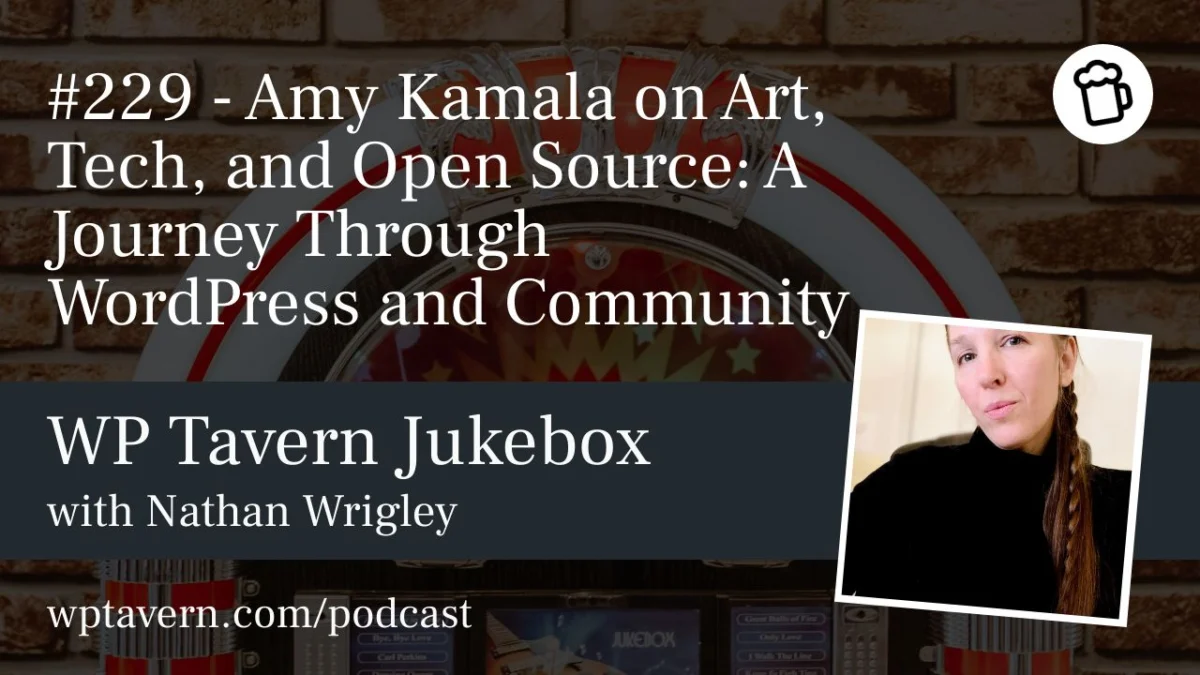
The modern technology sector often prides itself on strict logic, highly specialized metrics, and streamlined efficiency. Yet, beneath the rigid infrastructure of the internet lies a deeply human, creative heartbeat. In a recent episode of the Jukebox Podcast from WP Tavern, host Nathan Wrigley sat down with Amy Kamala—an artist, developer, and open-source champion whose career defies conventional paths.
Starting with a Master of Fine Arts from UCLA, Kamala’s trajectory reflects a fascinating collision between the chaotic world of fine art and the logical demands of web architecture. Today, as a sponsored contributor for Elementor and a team representative for both the Hosting and Core teams, Kamala represents a rare breed of technologist: one who views software development not merely as a mechanical task, but as an experiential, deeply collaborative art form.
This article explores Kamala’s rich journey, examining the chronology of her career, the philosophical overlap between design and logic, the unique psychology of open-source contribution, and the broader implications of community-driven development in the WordPress ecosystem.
Main Facts: Who is Amy Kamala?
To understand Kamala’s impact on the WordPress ecosystem, it is essential to map her unique professional footprint:
- Educational Background: Holds a Master of Fine Arts (MFA) from the University of California, Los Angeles (UCLA) and an undergraduate degree from Otis College of Art and Design, specializing in sculpture, video installations, and digital media.
- Open Source Leadership: An active WordPress contributor since 2018, Kamala has served six non-consecutive years as a team representative for the Hosting Team and currently serves as a Core Team representative.
- Corporate Experience: Has held pivotal roles across the web hosting and development landscape, including technical support and product strategy at DreamHost, tech lead at Canopy Studios, web development manager at InMotion Hosting, solutions architect at Pantheon, and a contractor for local government and enterprise tech firms.
- Current Status: Currently freelancing and officially sponsored by Elementor to contribute 10 hours a week to the WordPress open-source project.
Chronology: A Zigzagging Path Through Tech and Art
Kamala’s entry into technology was not mapped out on a traditional computer science syllabus; rather, it was forged through circumstance, curiosity, and a relentless desire to learn.
The Early Years: Venice Beach, HTML, and Fine Art
Growing up in Venice Beach, California, Kamala was exposed to both artistic and technical currents early on. By the year 2000, at just 18 years old, she was already working as an HTML programmer and graphic designer for a local web development agency.
However, her primary passion pulled her toward fine art. During her undergraduate studies at Otis and later during her MFA at UCLA, Kamala integrated technology into her artistic practice. She utilized early web technologies, PHP, Perl, and video editing software (such as Avid and Photoshop) to build interactive installations and experimental animations. Working with Linux systems and early digital video tape rooms gave her a rigorous, albeit unconventional, technical foundation.
Entering the Tech Industry via DreamHost
By 2015, practical economic realities intersected with personal circumstances. Having known several founders and managers at DreamHost since the late 1990s, Kamala secured an entry-level social support role at the company just to secure steady income.
What began as a survival strategy quickly transformed into a hyper-focused ascent. Kamala moved from social support to live chat, helped establish a specialized WordPress support team, trained staff, wrote documentation, and even collaborated directly with executive leadership to strategize and implement beta WordPress products that generated immediate revenue.
Scaling the Corporate Ladder: Canopy Studios, InMotion, and Pantheon
Following her tenure at DreamHost, Kamala’s career accelerated rapidly. She served as a tech lead at Canopy Studios—an agency deeply committed to open source—where she was first given allocated time to contribute to WordPress.
The onset of the COVID-19 pandemic brought new shifts, leading her to InMotion Hosting as a web development manager. There, she oversaw 23 online corporate assets, five web servers, DevOps pipelines, and a team comprising five developers and three UI/UX designers. Describing it as one of the best jobs of her career, she honed her leadership, project management, and cross-functional team skills.
Brief stints at Pantheon as a solutions architect and a subsequent web development contract with local government further broadened her repertoire before she transitioned into freelance consulting and her current sponsorship with Elementor.
Supporting Data & Insights: The Symbiosis of Art and Logic
A central theme of Kamala’s professional philosophy is the inherent crossover between artistic thinking and technical execution.
The Experiential Nature of Software
Many software engineers struggle to find common ground between logical code and creative expression. Kamala, however, argues that both fine art and software development share a singular ultimate goal: creating an experience.
"Art is experiential. It’s not about the object necessarily… It’s about creating an experience. The relationship between the viewer and the item that they’re looking at. Books, movies, music, all of that, it’s experiential. And so do websites, so does software, so does using the software."
This user-centric mindset explains why companies like Apple achieve massive adoption—not purely through raw processing power, but through an obsessive focus on intuitive, fast, and frictionless user experiences.
Overcoming the Fear of Failure
One of Kamala’s most defining traits—and a vital lesson for any open-source contributor—is her complete lack of fear regarding public failure. In an industry plagued by imposter syndrome, Kamala embraces vulnerability.
During her time in a theater group, she learned a fundamental truth: audiences and communities are always rooting for you to succeed. When contributors step up to lead meetings, write code, or manage releases in massive public Slack channels (such as the 54,000-member WordPress Core channel), the fear of looking foolish often holds them back.
Kamala argues that making mistakes publicly is the fastest route to true mastery:
"Being willing to be embarrassed and to look stupid is a huge plus because you learn a lot from making mistakes. If you make those mistakes in front of people, you’re going to remember… You’re going to remember the answer to those mistakes."
Official Perspectives: The Philosophy of Open Source
Why Contribute Beyond Paid Hours?
A striking aspect of Kamala’s relationship with WordPress is her tendency to work far beyond her officially sponsored hours (currently 10 hours a week with Elementor). When asked why she pours so much uncompensated time into the ecosystem, her answer transcends corporate metrics.
While professional benefits—such as building a portfolio, establishing leadership credentials, and securing job opportunities—are undeniable, Kamala places personal meaning and human connection at the very top of her priority list.
She notes that the open-source community satisfies core human psychological needs for belonging, collaboration, and shared purpose:
- Authenticity: Unlike purely profit-driven corporate environments, open-source communities offer genuine human interactions where participants are drawn together by shared values rather than mere economic extraction.
- Community on Steroids: While digital collaboration via Slack builds strong bonds, physical events like WordCamps elevate that connection, creating an electric atmosphere of shared momentum.
- Leaving a Legacy: Contributing to a global software project that powers over 40% of the web provides a profound sense of contributing to something larger, longer-lasting, and more impactful than oneself.
Implications: The Future of Community-Driven Ecosystems
Kamala’s journey offers several vital implications for the broader WordPress ecosystem and the tech industry at large:
- The Value of Non-Traditional Backgrounds: Kamala proves that exceptional technologists do not always emerge from traditional computer science degrees. Diverse backgrounds in the arts, humanities, and psychology often cultivate superior empathy, user-experience intuition, and leadership capability.
- The Importance of Radical Welcoming: Open-source projects frequently suffer from insular cultures that intimidate newcomers. Kamala credits her successful integration into the Hosting and Core teams to the warm, patient, and welcoming receptions she received from existing leaders like Kira Schroder and Francina. Projects that actively nurture new, confused, or inexperienced contributors will secure the next generation of leadership.
- Redefining Sponsorship ROI: Companies that sponsor open-source contributors—such as Elementor, DreamHost, and Canopy Studios—often view it through a marketing or PR lens. However, Kamala’s trajectory demonstrates that corporate sponsorship directly fuels personal fulfillment, psychological safety, and sustainable innovation within the software they rely on daily.
Conclusion
Amy Kamala’s story is a testament to the fact that the most vibrant technology ecosystems are built by complex, multifaceted human beings. By marrying the structural logic of code with the experiential empathy of fine art, she has carved out a unique space in the WordPress community.
Her journey stands as an open invitation to anyone hesitant about joining an open-source project: drop the fear of failure, ask the "stupid" questions, embrace public vulnerability, and remember that the global developer community is ultimately rooting for your success.