By Global Enterprise Technology Desk
Published: September 18, 2026
Main Facts
On Wednesday, September 16, 2026—coinciding inconveniently with the second day of its flagship annual conference, Dreamforce—Salesforce suffered a massive, nearly 12-hour global outage that crippled large swathes of its core platform. The cascading system failure affected hundreds of enterprise instances across the United States, Europe, India, and Japan, leaving users locked out and operations stalled during one of the most critical weeks on the tech giant’s corporate calendar.
According to incident reports and tracking metrics, the trouble began at approximately 07:50 UTC. It was not until roughly 19:20 UTC that Salesforce engineers managed to declare the incident resolved. Following a post-incident investigation, Salesforce traced the root cause to an internal login service failure. Specifically, incoming requests stalled within authentication bottlenecks, rapidly exhausting critical server resources and setting off a chain reaction of service degradations across multiple regions.
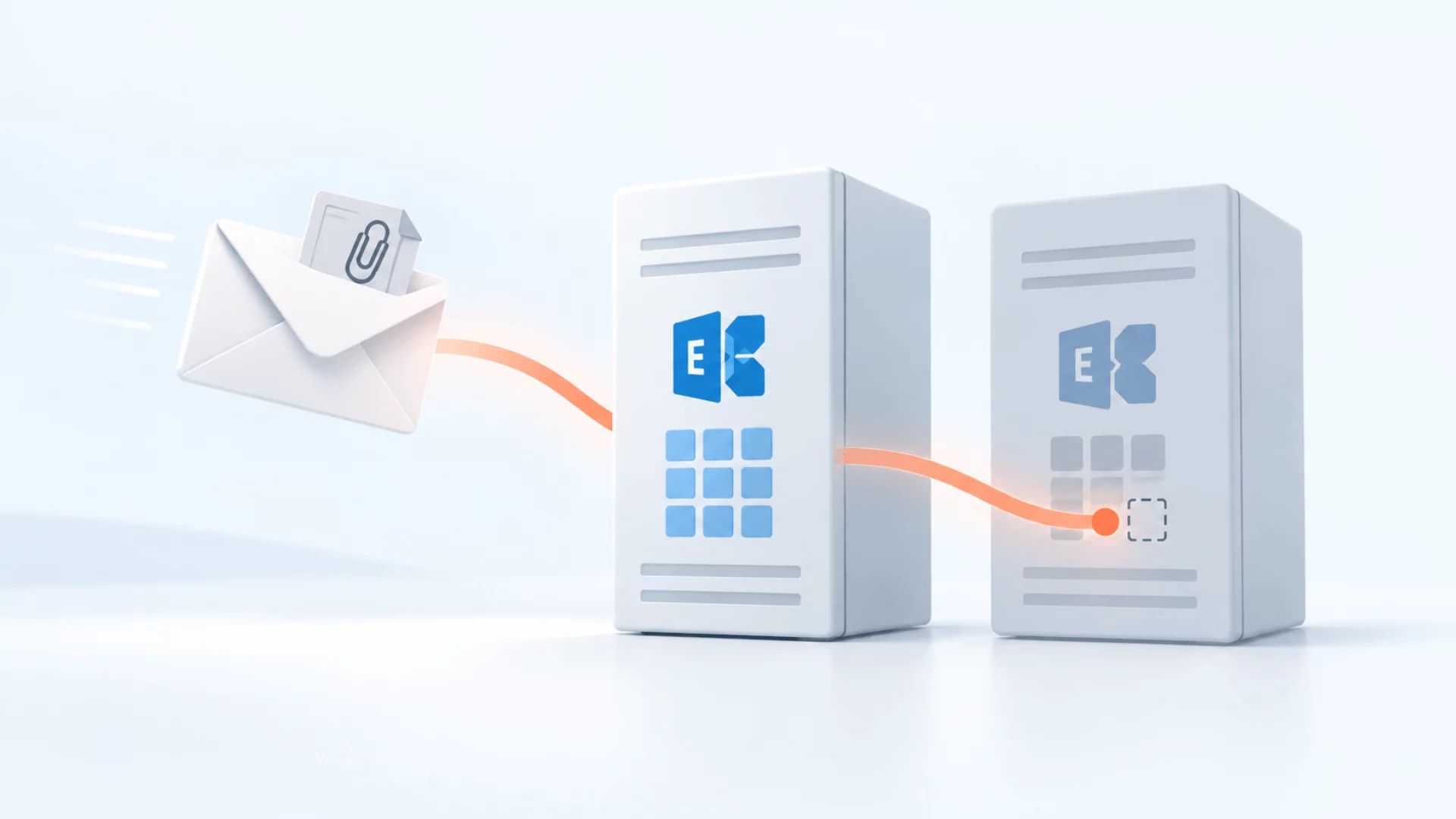
For the vast majority of enterprise customers, the outage meant a grinding halt to daily sales, customer service, and platform management routines. However, for digital marketing teams, the incident provided a fascinating, highly instructive case study in cloud architecture. While core CRM functionalities went dark, legacy systems remained operational. Marketing Cloud Engagement—the enterprise messaging engine built on the infrastructure of ExactTarget, which Salesforce acquired back in 2013—stayed online throughout the ordeal.
This survival was not a result of modern engineering foresight, but rather of historical architectural separation. Because Marketing Cloud Engagement still operates on its own distinct infrastructure outside of modern Salesforce Core, it acted as an accidental firebreak against the authentication meltdown.
Yet, this silver lining comes with a massive caveat. While the legacy marketing engine’s senders stayed active, the data pipelines feeding them were starved. Systems relying on Marketing Cloud Connect to pull real-time CRM data into Engagement—or depending on CRM events to trigger automated customer journeys—were left effectively blind. Furthermore, native Core-driven communications, such as Flow email alerts, automated case replies, and Experience Cloud password resets, failed completely alongside the rest of the ecosystem.
The incident has ignited intense debate across the enterprise software landscape. As Salesforce aggressively pushes its customer base toward its next-generation marketing platform—Marketing Cloud Next, which is natively integrated into Core—tech leaders and enterprise architects are being forced to re-evaluate the true price of "unified data." While a single platform offers seamless integration, it also introduces a shared failure domain of unprecedented proportions.
Chronology of the Incident
A detailed reconstruction of the September 16 outage reveals how a localized login bottleneck snowballed into a global infrastructure crisis over a 12-hour period.
07:50 UTC – The Initial Fault
The first anomalies were registered globally around 07:50 UTC. Enterprise users attempting to access Salesforce instances in Europe and Asia encountered sudden authentication delays and login timeouts. Behind the scenes, requests to an internal login service began to queue up abnormally, failing to clear out as designed.
08:30 UTC – Resource Exhaustion and Spreading Failures
As traffic peaked during early business hours in Europe and the Middle East, the queued login requests completely saturated server resources. Rather than shedding excess load gracefully, the authentication bottleneck began impacting downstream services. Core database read/write operations slowed to a crawl, and API calls began to time out en masse.
11:00 UTC – The Americas Impact and Dreamforce Disruption
By mid-morning UTC, as the North American workday began, the failure wave hit the United States. Thousands of organizations found themselves locked out of Sales Cloud and Service Cloud right as Salesforce executives were taking the stage at Dreamforce in San Francisco. Social media and technical monitoring forums, including The Register’s live running account, quickly filled with reports from administrators locked out of their production environments.
14:00 to 17:00 UTC – Mitigation and Partial Recovery
Salesforce engineers implemented emergency traffic-shaping protocols and manually restarted stalled login services. Slowly, instances began to blink back to life. However, this recovery phase introduced a secondary wave of operational headaches. As instances reconnected, queued API calls, delayed webhooks, and backed-up batch jobs flooded the recovering servers simultaneously. Salesforce monitoring systems began logging reports of "scheduled jobs not running as expected" as background processors struggled to catch up.
19:20 UTC – Incident Declaration and Stabilization
Salesforce formally declared Incident 20004433 resolved at approximately 19:20 UTC, noting that the internal login service bottleneck had been cleared and server resource utilization had returned to nominal parameters. Nevertheless, full data synchronization and the clearing of backend queues would take many hours more to normalize.
Supporting Data and Technical Architecture
To understand why the outage manifested the way it did—and why marketing teams experienced a fragmented reality—one must examine the structural divide within Salesforce’s product portfolio.
The Great Divide: ExactTarget vs. Core
When Salesforce acquired ExactTarget in 2013 for $2.5 billion, it gained a world-class digital marketing powerhouse. However, integrating a massive, independent SaaS platform into an existing enterprise cloud architecture is notoriously complex. Over the decade that followed, Marketing Cloud Engagement largely maintained its independent infrastructure footprint.
According to official Salesforce Trailhead documentation, this legacy architecture sits outside modern Core. On Wednesday, September 16, that architectural isolation—long viewed by some developers as a technical debt or a silo—saved Marketing Cloud Engagement users from total blackout. Status page telemetry confirmed that while Core services threw critical errors under Incident 20004433, Marketing Cloud Engagement’s status indicators remained green.
The Marketing Cloud Next Paradox
Contrast this with Salesforce’s strategic darling: Marketing Cloud Next.
Marketing Cloud Next is the platform Salesforce is actively migrating enterprise marketers toward. It is built natively on Core, leveraging Data 360 as its foundational data layer and weaving Agentforce capabilities throughout its segmentation and orchestration engines.
Under Marketing Cloud Next, marketing functions share the exact same database, API limits, and authentication framework as Sales Cloud and Service Cloud. Theoretically, this eliminates data silos, allowing marketers to run sophisticated, real-time campaigns powered by unified customer profiles.
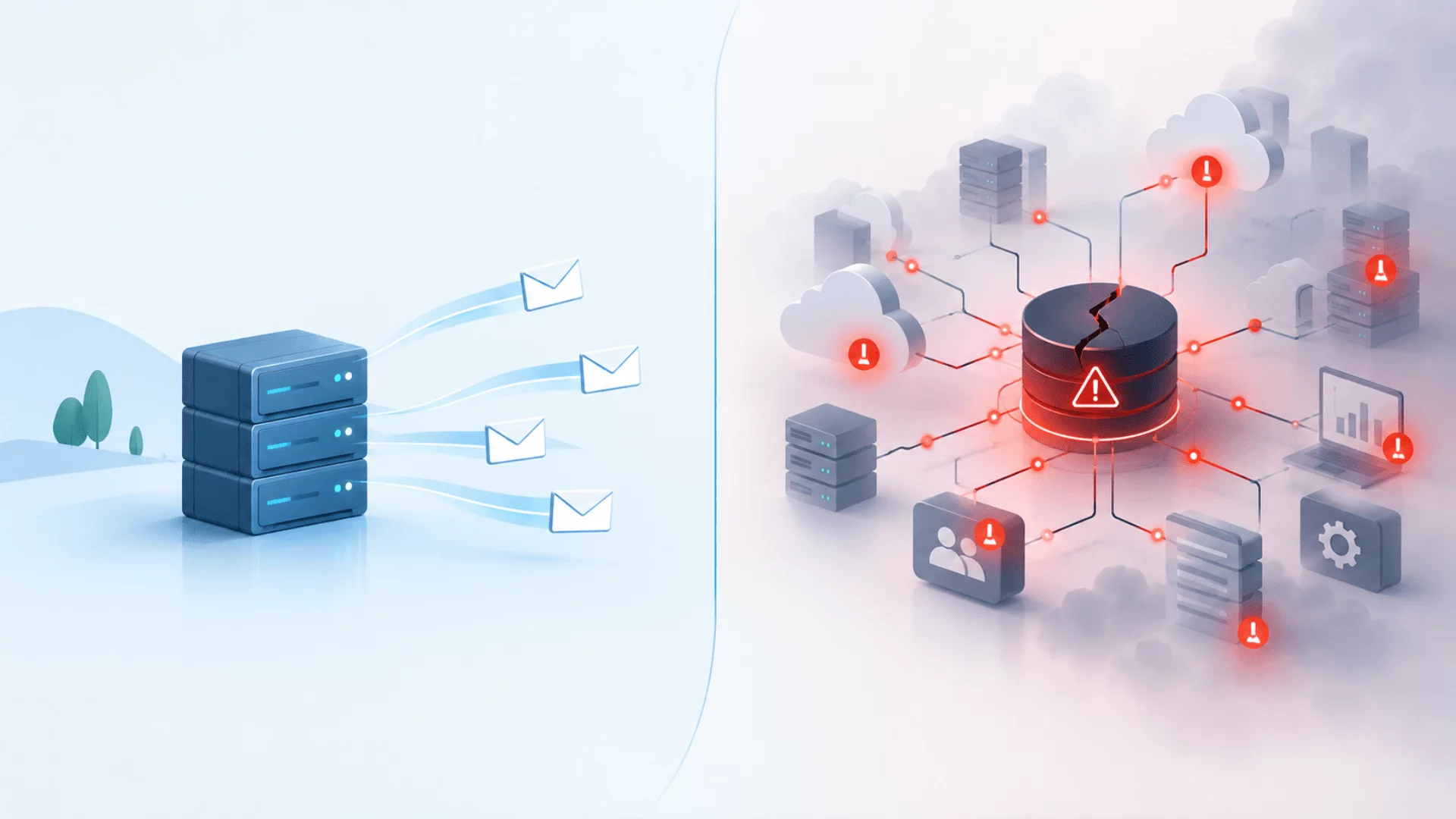
However, Wednesday’s outage demonstrated the dark side of this architectural intimacy. When Core stalls on an internal login dependency, a marketing product built natively on Core has nowhere else to run. While we have reached out to Salesforce for official confirmation regarding exact message-sending volumes and failures across Marketing Cloud Next instances during the window, the structural exposure is undeniable: unified infrastructure means unified vulnerability.
The Dependency Trap for Engagement Customers
Even though Marketing Cloud Engagement’s sending infrastructure stayed up, enterprise users running hybrid workflows cannot claim immunity. Modern email marketing is rarely executed in a vacuum; it relies heavily on upstream data feeds.
- Marketing Cloud Connect: This critical integration tool pulls CRM data into Engagement and fires automated customer journeys based on real-time CRM events (such as a lead status change, a closed-won opportunity, or a newly created support ticket). With Core completely unreachable for hours, these triggers had nothing to fire from. The pipeline was pressurized, but the source was dry.
- Native Core Communications: It is vital to distinguish between bulk marketing campaigns and transactional/operational communications. Flow-based email alerts, automated customer service case replies, and Experience Cloud password reset notifications are dispatched directly from Core. Consequently, these mission-critical operational messages went dark alongside Sales and Service Cloud.
- Background Job Backlogs: As instances recovered, scheduled batch jobs, data extensions syncs, and automated imports attempted to execute all at once, creating massive resource spikes.
Official Responses and Communications
Salesforce communications during the incident followed standard enterprise crisis-management protocols, though the juxtaposition with Dreamforce created a palpable public relations friction.
Throughout Wednesday, the official Salesforce Trust status page (status.salesforce.com) updated enterprise clients on Incident 20004433, categorizing the disruption under Core Services. Engineers pointed transparently to the root cause: an internal login service request stall that cascaded into total server resource exhaustion.
Speaking to industry analysts, enterprise representatives noted that while Salesforce engineers worked rapidly to restore authentication pathways, the timing couldn’t have been more awkward. Thousands of customers, partners, and developers gathered at Dreamforce to celebrate Salesforce’s cutting-edge innovations—including advanced AI agents and unified data platforms—only to find their everyday production environments paralyzed by a fundamental authentication failure.
Salesforce leadership has since committed to publishing a comprehensive Post-Incident Review (PIR) detailing why the login service degradation bypassed automated failover systems and how the company plans to harden authentication microservices against similar resource-exhaustion events in the future.
Implications for Enterprise Senders and Architects
The September 16 outage serves as a mandatory wake-up call for marketing operations teams, IT directors, and enterprise architects alike. The incident highlights three immediate operational imperatives for Salesforce senders, alongside a long-term strategic question for anyone planning a platform migration.
Immediate Action Items for Salesforce Senders
Organizations that relied on Salesforce infrastructure during the outage should not simply assume business as usual now that green status lights have returned. Senders should immediately execute a three-part audit:
- Volume Reconciliation: Compare Wednesday’s triggered email volume against historical averages for a standard Wednesday. Look for unexpected volume troughs during the outage window (07:50 to 19:20 UTC) followed by unnatural spikes as delayed queues cleared.
- Duplicate Detection: Scrutinize send logs from Wednesday evening and Thursday morning. When backlogged batch jobs and unblocked API triggers release simultaneously, the risk of duplicate sends—sending the same promotional offer or transactional alert twice to the same recipient—skyrockets.
- Consent and Unsubscribe Audits: This is arguably the highest-risk compliance exposure. Where opt-out and consent statuses are mastered within the CRM (Sales/Service Cloud) and synced to the marketing platform, a ten-hour communication blackout creates a dangerous synchronization window. If a customer clicked "Unsubscribe" during the outage, did that preference successfully reach the system determining who gets mailed next? Compliance teams must reconcile opt-outs captured during the window to prevent illegal mailings.
The Strategic Dilemma: Unified Data vs. Shared Failure Domains
For IT leaders and enterprise architects, the longer-term takeaway cuts straight to the heart of modern cloud strategy.
The primary pitch for platforms like Marketing Cloud Next and comprehensive enterprise suites is unified data. Silos are broken down, customer views are unified, and AI agents can reason across every touchpoint of an organization.
However, September 16 proved that a shared failure domain is the price of admission for unified data. When an enterprise chooses a tightly coupled, natively integrated architecture, it trades away the safety buffer of siloed legacy systems. If Core goes down, everything built upon it goes down with it.
As organizations evaluate their technology roadmaps, this trade-off must be explicitly factored into risk assessments, disaster recovery planning, and business continuity agreements. The convenience of a single pane of glass is undeniable—until the glass shatters. Moving forward, enterprise architects must decide whether the agility of native integration outweighs the operational resilience of architectural firebreaks.