By TechCrunch Staff
September 19, 2026
The Current Landscape: A Strategic Retreat
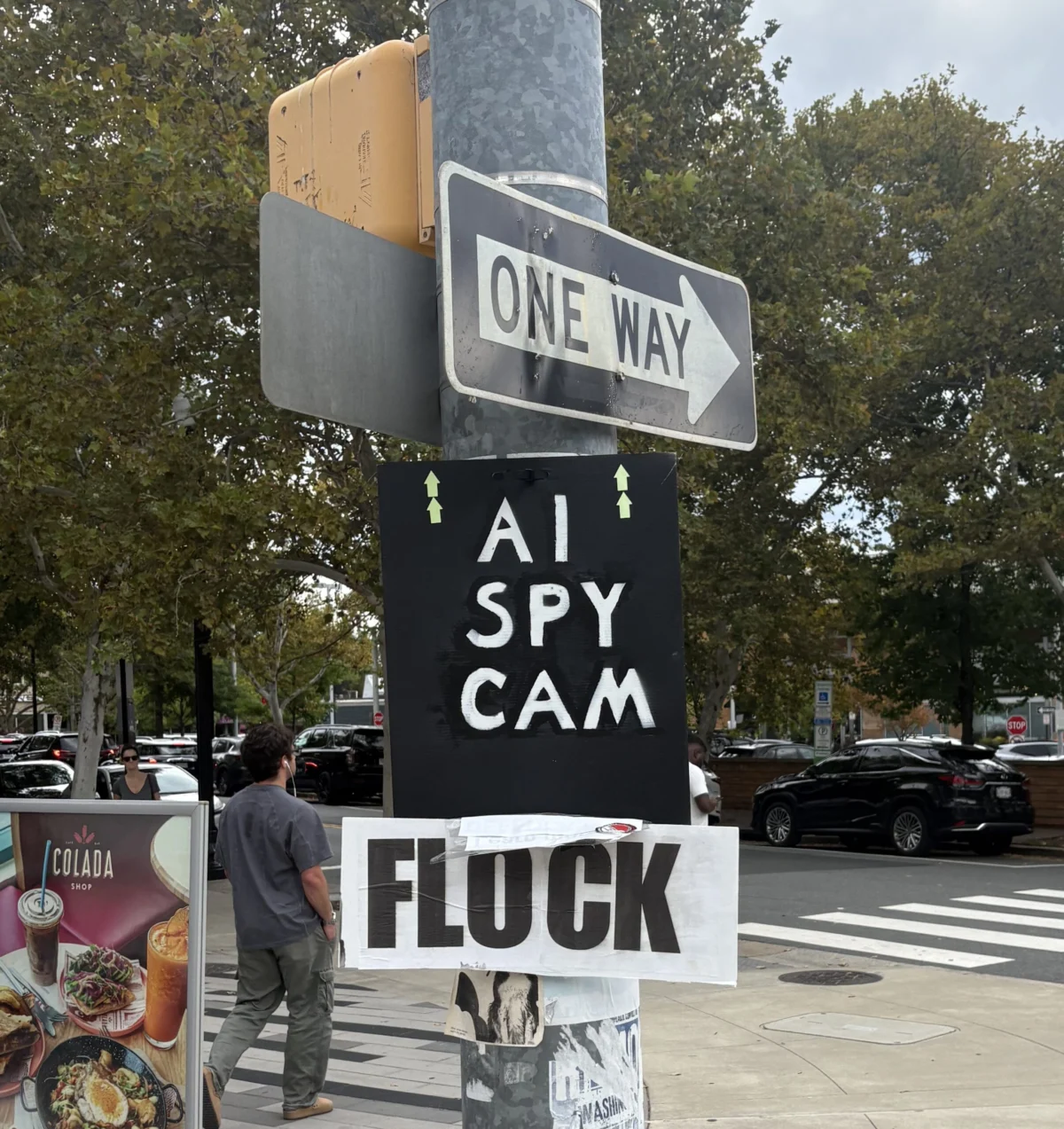
Flock Safety, the high-profile surveillance technology startup that has become a fixture in law enforcement agencies across the United States, is currently navigating its most precarious period since its inception. On Friday, September 19, 2026, the company announced an expansive voluntary buyout program, offering what it termed its “most generous” severance packages to date. This move, which comes as the company faces mounting public and political scrutiny, is widely viewed by industry analysts as a preemptive measure to avoid involuntary layoffs while simultaneously managing a workforce grappling with plummeting internal morale.
According to internal communications obtained by Wired, the company expects a significant portion of its 1,500-person workforce to participate in the program. By facilitating these departures, Flock leadership hopes to streamline operations and shed staff members who have become disillusioned by the intense public backlash surrounding the company’s signature automated license plate recognition (ALPR) technology. Without these voluntary exits, experts suggest that a more traditional, and potentially more disruptive, round of layoffs would be all but inevitable.
A Chronology of Escalation
To understand how a company once celebrated for its rapid expansion into the public safety sector arrived at this inflection point, one must look at the rapid deterioration of its reputation over the summer of 2026.
- Early Summer 2026: Flock Safety continues its aggressive expansion, signing contracts with municipalities nationwide and marketing its "neighborhood watch" style of predictive policing and vehicle tracking.
- August 2, 2026: A blockbuster report by The Washington Post shatters the company’s narrative of "responsible surveillance." The investigation uncovers 46 documented instances of police officers misusing Flock’s proprietary network to stalk spouses, ex-partners, and romantic interests. The revelation triggers a firestorm of ethical concerns regarding the company’s lack of oversight and data protection.
- Mid-August 2026: The domino effect begins. Advocacy groups report that 90 cities terminated their contracts with Flock in August alone—a staggering fourfold increase from the previous month. The narrative shifts from "efficiency in policing" to "systemic privacy violation."
- Late August 2026: State governments take notice. Both Florida and Texas—states that had previously been major hubs for the startup’s deployment—announce moves to block or heavily restrict the use of Flock cameras, citing severe privacy concerns.
- September 19, 2026: Facing a contracting revenue stream and a demoralized internal culture, Flock announces its voluntary buyout program, signaling a shift toward defensive operations.
Supporting Data: The Cost of Controversy
The data regarding the recent decline of Flock Safety is as stark as it is rapid. In August 2026, the company saw its contract termination rate reach record levels. The 90 cities that cut ties in a single month represent more than just a loss of revenue; they represent a fundamental collapse in the "public trust" model the company had used to sell its services to city councils.
The Washington Post investigation served as the primary catalyst for this shift. By detailing specific, egregious abuses of power—where police utilized the very tools intended to catch criminals to harass civilians—the report transformed abstract privacy fears into concrete, visceral examples of harm.
Furthermore, the scale of the fallout is not limited to small municipalities. The policy shifts in Florida and Texas are particularly damaging, as these states have historically been "early adopters" of surveillance tech. When large jurisdictions pull back, it creates a "contagion effect," emboldening other local governments to perform similar audits of their own security vendors. The financial impact of these terminations is expected to be reflected in the company’s upcoming quarterly filings, which analysts predict will show a significant contraction in projected annual recurring revenue (ARR).
Official Responses and the "Morale" Crisis
The company’s leadership has been forced to grapple with the fallout on two fronts: the court of public opinion and the internal culture of their headquarters.
CEO Garrett Langley, who has been the primary face of the company during its ascent, recently appeared on the All-In podcast to address the company’s trajectory. In a candid admission, Langley noted that while the external scrutiny has been intense, the "biggest damage" caused by the recent controversies has been to "internal morale."

For many employees at tech companies, mission-driven work is a significant component of their compensation. When the product being built becomes the center of a national scandal regarding stalking and privacy violations, that mission-driven motivation evaporates. Langley’s decision to offer "generous" buyouts appears to be an acknowledgment that the company can no longer sustain a workforce that feels increasingly at odds with the product they are building.
Flock Safety has yet to provide a detailed response to requests for comment regarding the specific financial terms of the buyouts or whether further reductions in force are planned should the voluntary program fail to reach their internal targets.
Implications: The Future of Surveillance Tech
The situation at Flock Safety carries broader implications for the surveillance-as-a-service (SaaS) industry.
1. The End of the "Trust" Era:
For years, companies like Flock argued that their technology was a neutral tool and that misuse by law enforcement was an outlier, not a systemic failure. The 2026 scandal has largely invalidated this argument in the eyes of the public. Future surveillance contracts will likely require much more stringent, third-party oversight and "kill-switch" mechanisms that the companies themselves may not be able to override.
2. The Regulatory Wave:
The actions taken by Florida and Texas serve as a blueprint for other states. We are entering an era of "surveillance federalism," where state-level bans or strict privacy compliance mandates may become the primary hurdle for tech startups. Companies that do not invest heavily in privacy-by-design will find themselves locked out of major markets before they even begin.
3. The Human Cost of Tech-Backlash:
Flock’s buyout program highlights a growing trend in the tech industry: the "values-based" exit. As employees become increasingly sensitized to the societal impacts of their code, companies that find themselves in ethical crosshairs will face internal friction that, if not managed through programs like these, can lead to talent drain and operational paralysis.
4. The Pivot or Perish Dilemma:
Can Flock survive this? The company is effectively trying to buy time to restructure. If they can offload the demoralized workforce and pivot toward a model that emphasizes privacy-preserving features—or perhaps move away from direct police-department contracts—they may survive. However, the stigma attached to the "Flock" brand may be too significant to overcome. The coming months will be a test of the company’s ability to pivot its business model while simultaneously attempting to regain a shred of the public trust it has lost.
As the tech industry watches, the "Flock experiment" stands as a cautionary tale: rapid scaling at the expense of ethical foresight and robust oversight can lead to a spectacular decline. Whether this buyout program is the first step toward a new, more responsible chapter or merely a prelude to the company’s eventual dissolution remains to be seen. For now, the workforce in Arlington is packing their bags, and the cities that once heralded these cameras as the future of law enforcement are looking for the "off" switch.