In the digital-first era, the mantra for business success is deceptively simple: more leads equal more revenue. However, the path from a casual website visitor to a high-value, paying customer is rarely a straight line. For marketers and business owners, the sheer volume of potential lead generation channels can feel overwhelming. Without a roadmap, resources are often wasted on tactics that fail to convert.
This comprehensive guide dissects the mechanics of lead generation, explores the critical tension between inbound and outbound methodologies, and provides 13 actionable strategies designed to help you capture, nurture, and convert your target audience.
What Are Lead Generation Strategies?
At its core, a lead generation strategy is the systematic approach a business uses to attract and nurture potential customers. Think of it as the engine room of your sales funnel. Whether you are a lean startup or an established enterprise, your goal is to bridge the gap between anonymous traffic and qualified prospects.

Lead generation isn’t just about collecting email addresses; it is about building a pipeline of individuals who have demonstrated a genuine interest in your value proposition.
Inbound vs. Outbound: The Strategic Tug-of-War
The debate between inbound and outbound marketing is ongoing, but the truth is that the most resilient businesses often employ a hybrid model.
Inbound Marketing: Playing the Long Game
Inbound marketing relies on creating value that attracts prospects organically. Through blog content, search engine optimization (SEO), social media engagement, and educational email sequences, you position your brand as a helpful authority.

- Advantages: It fosters long-term trust, establishes domain authority, and typically yields higher-quality leads that are further along in the buyer’s journey.
- Disadvantages: It is resource-intensive and slow to show initial results.
Outbound Marketing: The Engine of Quick Wins
Outbound marketing is the proactive pursuit of leads. This includes cold email outreach, direct mail, aggressive PPC campaigns, and telemarketing.
- Advantages: It offers immediate visibility and allows for precise control over when and how you reach your audience.
- Disadvantages: It can be expensive, and if executed poorly, it risks damaging your brand reputation by appearing intrusive.
The decision to lean into one or the other should be dictated by your specific market, deal size, and the speed at which you need to fill your pipeline.
The Pre-Requisite: Defining the "Who"
Before investing a single dollar into a campaign, you must define your target buyer. A common trap is the "we target everyone" fallacy.

Market Segmentation:
To succeed, you must categorize your market by industry, size, geography, and pain points.
Buyer Personas:
You should be able to answer the following: What are their professional goals? What keeps them awake at night? What tools are they already using? What is their decision-making process? By clarifying your "who," you ensure that your "what" (your marketing tactic) lands with the intended impact.
13 Strategies to Convert Visitors into Leads
1. Conversion-Optimized Landing Pages
A landing page is the destination for your traffic. Its sole purpose is to convert. Using tools like Unbounce, you can create dedicated pages that remove distractions, focus on a single offer, and drive users toward a specific call to action (CTA).

- Why it works: It aligns the user’s intent from the advertisement or link with a focused, persuasive environment.
2. Inbound Content Marketing Systems
Content marketing is the art of being useful. By producing blog posts, whitepapers, or videos that solve industry-specific problems, you create a "magnet" for your target audience.
- Why it works: It builds authority. When you solve a prospect’s problem for free, they are far more likely to trust you with their business when they are ready to pay.
3. SEO-Driven Content
Search Engine Optimization ensures that when your prospect searches for a solution, they find you. This requires mapping content to search intent.
- Why it works: It captures demand at the exact moment a prospect is seeking a solution, making the sales conversation significantly easier.
4. Targeted Cold Email Outreach
Rather than "spray and pray," use intent-based signals. If a company is hiring for a role that your service supports, that is your signal to reach out.

- Why it works: It allows for personalization. When your outreach is context-aware, it is no longer "spam"—it is a solution to an existing problem.
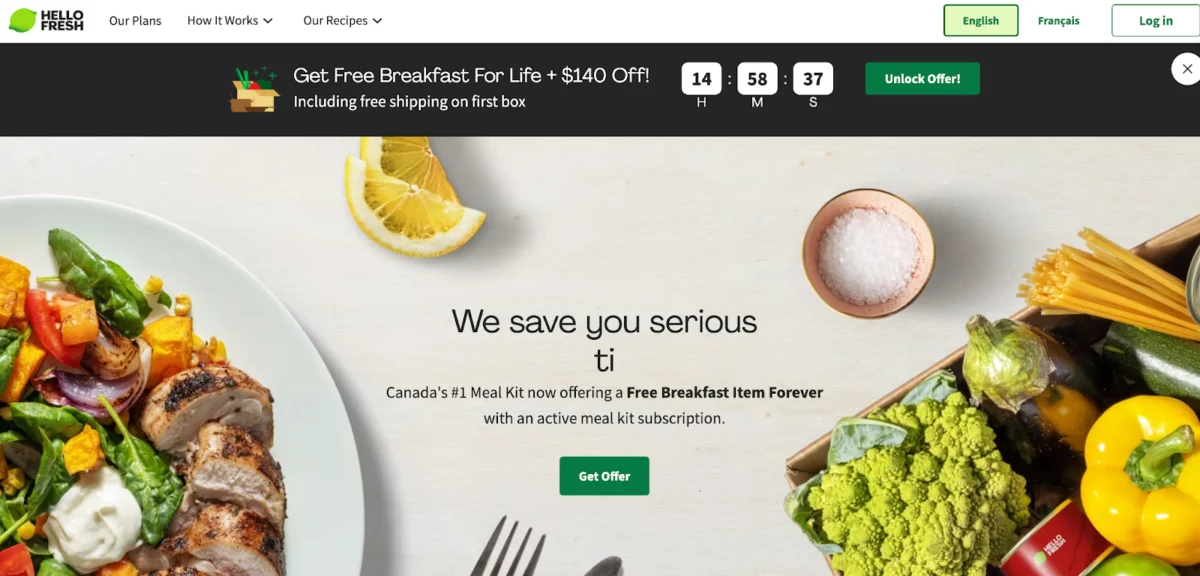
5. Strategic Popups and Sticky Bars
These are tools to capture intent that might otherwise leave your site. Use exit-intent popups to offer a discount or a piece of gated content just as a user is about to leave.
- Why it works: It forces a secondary interaction, giving you a chance to re-engage a user who wasn’t ready to convert initially.
6. Social Media Marketing
Whether through organic community building or paid social ads, social media allows you to meet your audience where they spend their time.
- Why it works: It provides a human face to your brand and facilitates social proof through comments, shares, and likes.
7. Pay-Per-Click (PPC) Advertising
PPC provides immediate, targeted traffic. By bidding on high-intent keywords, you can put your brand at the top of the search engine results page.

- Why it works: You pay only for results, and the speed to market is unmatched by organic strategies.
8. Webinars and Live Events
These are the gold standard for high-intent lead generation. Spending 45 minutes with a prospect during a live workshop is significantly more effective than sending a brochure.
- Why it works: It establishes a personal connection and demonstrates expertise in real-time.
9. Referral Programs
Your current customers are your best sales team. By incentivizing them to refer friends or colleagues, you acquire leads with a much higher conversion rate.
- Why it works: Trust is the currency of the internet. A recommendation from a peer outweighs any corporate marketing message.
10. Influencer Partnerships
Partnering with niche creators—those with small but highly engaged audiences—allows you to borrow their credibility.

- Why it works: You are not just buying reach; you are buying trust by association.
11. Retargeting Campaigns
Many visitors will not convert on their first visit. Retargeting allows you to follow them across the web with personalized ads.
- Why it works: It keeps your brand top-of-mind, nudging the prospect toward a decision through repetition and relevance.
12. Free Trials and Demos
The "Costco strategy" of providing a sample is highly effective in B2B. A free trial lowers the barrier to entry, allowing the product to sell itself.
- Why it works: It removes the risk for the buyer and allows them to integrate your product into their daily workflow.
13. Interactive Tools and Quizzes
Quizzes provide personalized value in exchange for contact information. Whether it’s a "ROI Calculator" or a "Marketing Maturity Assessment," these tools provide immediate gratification.

- Why it works: It gamifies the lead generation process, making the exchange of data feel like a transaction of value rather than a burden.
Implications for Future Growth
The landscape of lead generation is shifting away from broad, impersonal marketing toward highly targeted, value-driven interactions. As data privacy regulations tighten, the importance of "first-party data"—information that prospects willingly give you in exchange for value—will only grow.
Business leaders must recognize that lead generation is not a "set it and forget it" process. It requires constant iteration, A/B testing, and a commitment to understanding the evolving needs of the buyer. By implementing these 13 strategies and maintaining a rigorous focus on data, you can build a sustainable, scalable engine that fuels long-term revenue growth.