In the modern digital economy, traffic is often treated as a commodity. Businesses pour substantial portions of their budgets into Google Ads, social media campaigns, and influencer marketing, all with the singular goal of driving visitors to a landing page. Yet, for many organizations, that traffic flows into a metaphorical "leaky bucket." Visitors arrive, browse, and depart without taking the intended action, resulting in wasted ad spend and missed revenue opportunities.
The solution to this systemic inefficiency is Conversion Rate Optimization (CRO). Far from being a series of random tweaks to button colors or headline font sizes, a professional CRO strategy is a disciplined, data-driven methodology. By systematically identifying barriers to conversion and implementing evidence-based solutions, businesses can significantly increase their return on investment (ROI) without the need to acquire a single additional visitor.
The Financial Implications: Why CRO Matters
The primary argument for CRO is simple: profitability. When you increase your conversion rate by even a small margin—say, 1%—the impact on your bottom line is exponential.
Consider a scenario where a website receives 10,000 visitors per month with a 2% conversion rate, resulting in 200 conversions. If the value per conversion is $100, the monthly revenue is $20,000. By optimizing the funnel and raising that conversion rate to 3%, the site now generates 300 conversions, equating to $30,000 in revenue. That 1% shift represents a 50% increase in revenue derived from the exact same traffic volume and advertising investment.
Beyond the immediate financial gains, CRO fosters long-term brand equity. A website that is intuitive, fast, and user-centric provides a superior experience. Even for visitors who do not convert on their first visit, a positive interaction increases the likelihood of brand recall and future return visits, effectively lowering the long-term Customer Acquisition Cost (CAC).
Defining the CRO Framework
At its core, a CRO strategy is a roadmap for systematic improvement. It is not a one-time project; rather, it is an iterative cycle of testing, analysis, and optimization. A mature strategy moves beyond "gut feelings" and focuses on three pillars:
- Measurement: Defining what constitutes a conversion and establishing clear KPIs.
- Analysis: Utilizing quantitative data (analytics) and qualitative feedback (user behavior) to understand the "why" behind user actions.
- Iteration: Using structured testing (A/B or multivariate) to validate hypotheses before scaling changes.
Chronology of a Successful CRO Campaign
Implementing a robust CRO strategy requires a sequential, disciplined approach to ensure that improvements are based on verifiable data rather than assumptions.

Phase 1: Establishing Objectives
Before any design changes are made, you must define success. Macro conversions represent your primary business goals—such as a completed purchase, a SaaS trial signup, or a demo request. Micro conversions are the incremental steps that indicate user intent, such as signing up for a newsletter, watching a product video, or clicking a pricing link. By mapping these actions to specific stages in the sales funnel, businesses can identify exactly where the "leaks" are occurring.
Phase 2: The Diagnostic Deep-Dive
Once goals are set, the diagnostic phase begins. This is where you act as a detective, using quantitative tools like Google Analytics to identify high-traffic pages with low conversion rates. These are your "low-hanging fruit."
However, numbers only tell you where users are leaving; they don’t tell you why. To solve the mystery, companies must employ qualitative tools. Heatmaps (such as Hotjar or Microsoft Clarity) provide visual evidence of user engagement, revealing if visitors are scrolling past critical information or clicking on non-interactive elements. Additionally, session recordings offer a "fly-on-the-wall" perspective, allowing teams to spot UX friction points that quantitative data might miss.
Phase 3: Prioritization and Hypothesis Generation
Not all optimizations are equal. High-traffic, high-intent pages—such as checkout flows or pricing tables—should always be prioritized. When deciding what to test, professional growth teams utilize prioritization frameworks like PIE (Potential, Importance, Ease) or ICE (Impact, Confidence, Ease). This prevents "random testing" and ensures that resources are allocated to changes with the highest probability of moving the needle.
Phase 4: Validating Through Testing
The final step is the implementation of A/B testing. This process involves serving two versions of a page to a split audience to determine which performs better based on statistical significance. A common pitfall is stopping tests too early; reaching statistical significance is essential to ensure that results are representative of your broader user base and not merely a result of random chance.
Leveraging Data for Competitive Advantage
A central tenet of modern CRO is the integration of "Voice of Customer" (VoC) data. While analytics show the what, customer feedback—gathered through exit-intent surveys, customer support logs, and sales interviews—reveals the why.
For instance, a SaaS company might discover that their bounce rate on a pricing page is high. Analytics might suggest the page is too long, but user surveys might reveal that visitors are confused about the implementation time. By addressing the actual barrier—such as adding a "setup time" infographic—the company solves the user’s problem, not just the designer’s aesthetic preference. This synthesis of qualitative insight and quantitative data is the hallmark of a high-maturity CRO program.

The Culture of Continuous Improvement
The most successful companies view CRO not as a project with a start and end date, but as a permanent fixture in their marketing operations. Establishing a "culture of experimentation" means that every team member—from designers to copywriters—is encouraged to propose hypotheses.
Key characteristics of these high-performing organizations include:
- Centralized Knowledge Bases: Documenting every test result, whether successful or failed, to prevent the repetition of past mistakes.
- Regular Testing Cadence: Maintaining a consistent schedule of testing, ensuring that the "learning loop" never stops.
- Agile Response: Using real-time data to adjust active campaigns, especially during high-stakes periods like holiday sales or product launches.
Addressing Common Industry Misconceptions
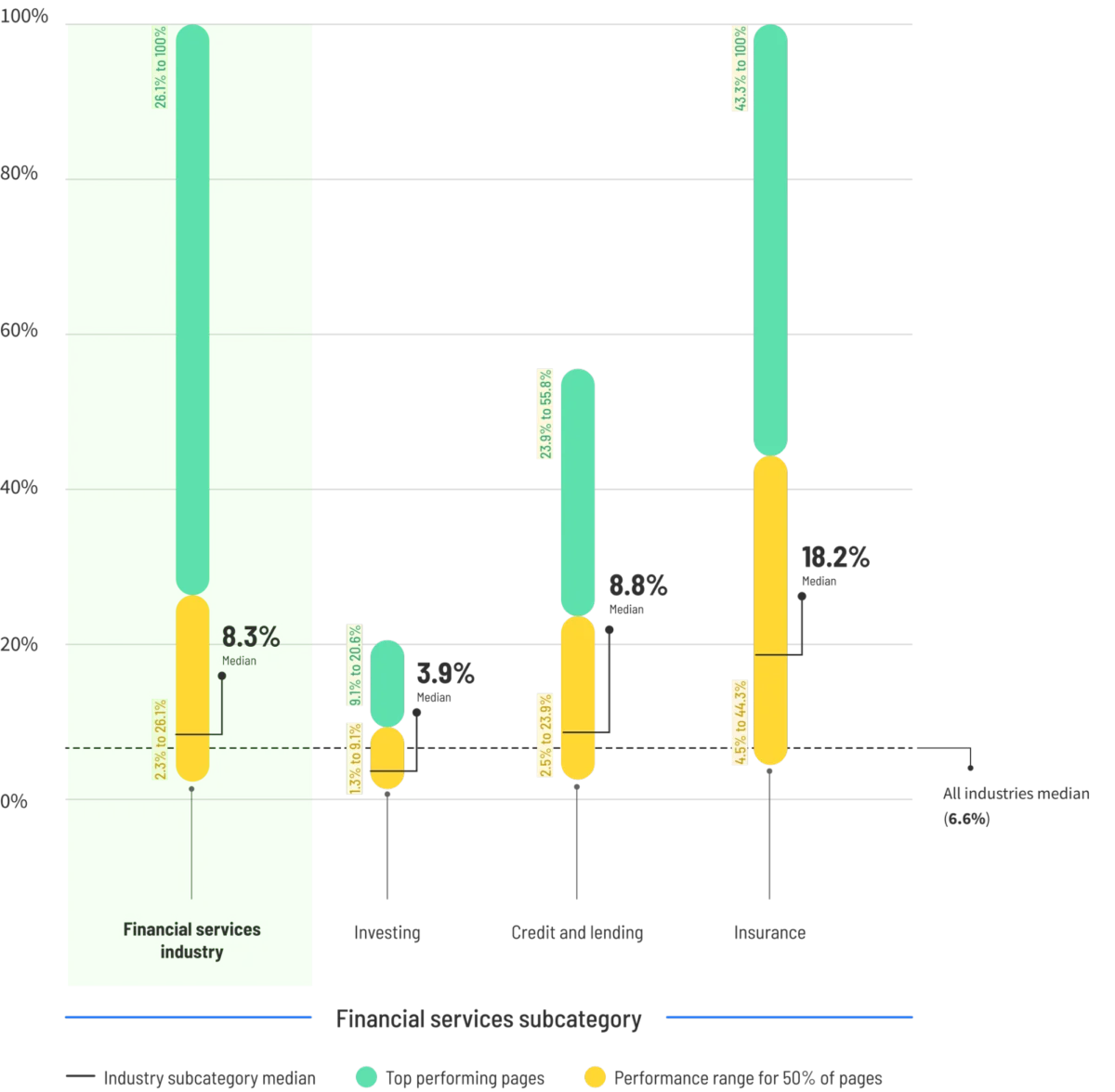
A frequent question among marketing professionals is, "What is a good conversion rate?" The answer is inherently relative. While the global average hovers around 6.6%, this figure is skewed by industry, traffic source, and device.
Instead of chasing industry benchmarks, firms should focus on internal progress. By comparing month-over-month performance and focusing on increasing the value of existing traffic, businesses can drive sustained growth regardless of external market fluctuations. The most valuable conversion rate is simply the one that is higher than the rate you had last quarter.
Conclusion: The ROI of Optimization
Conversion Rate Optimization is the missing piece of the modern marketing puzzle. It transforms the relationship between a business and its digital presence from one of guesswork to one of scientific rigor.
As advertising costs continue to rise and digital markets become increasingly saturated, the ability to squeeze more value from existing traffic is not just a tactical advantage—it is a strategic necessity. By setting clear goals, conducting deep-dive research, and fostering a culture of disciplined, ongoing experimentation, businesses can ensure their digital assets are working as efficiently as possible. Ultimately, CRO is about respect for the visitor: creating a seamless, intuitive, and high-value experience that naturally guides the user toward the action you both desire.