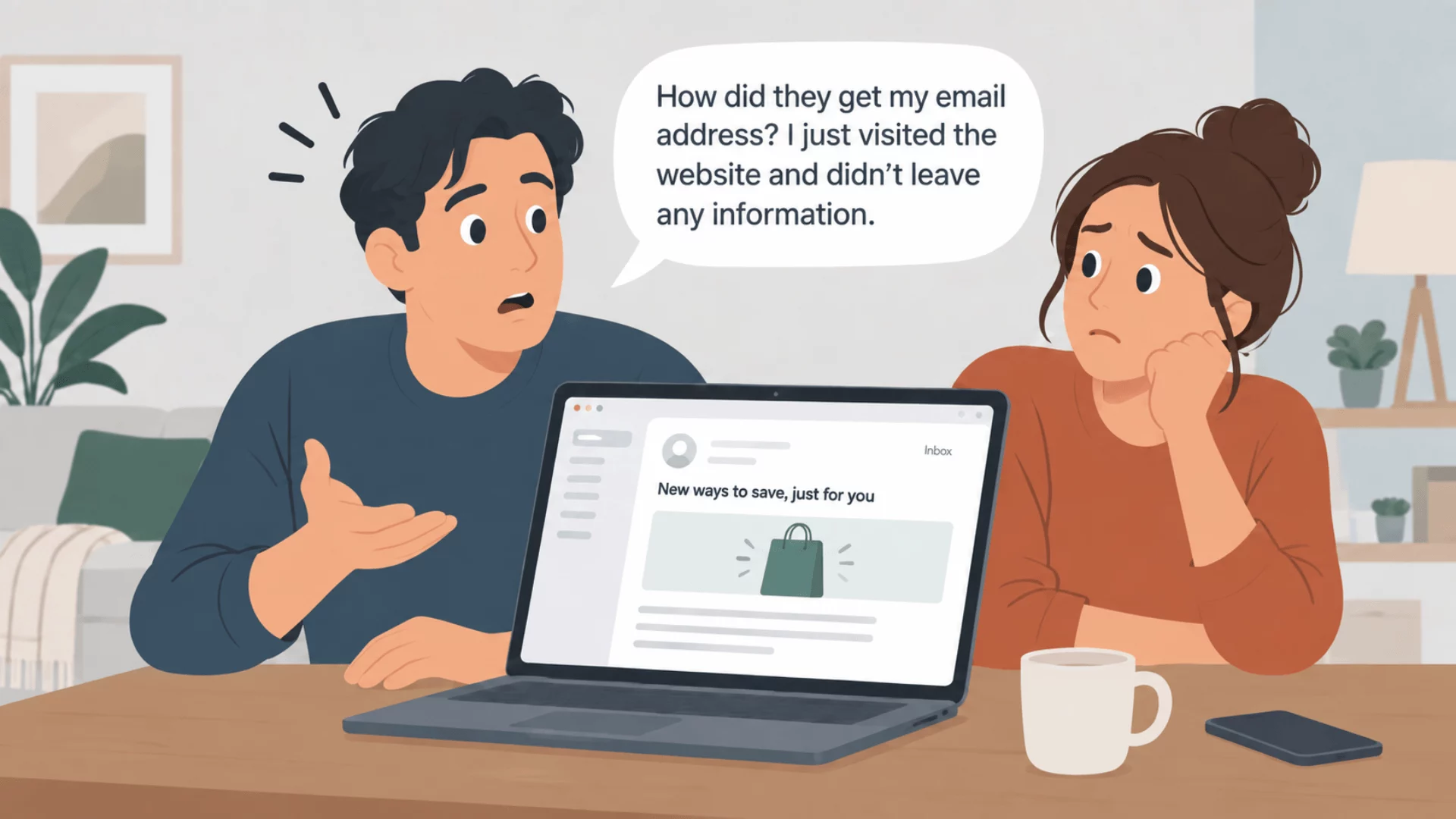
SPOKANE, Wash. — Fast-fashion giant H&M is facing intense legal scrutiny over its digital marketing practices, sitting at the center of a newly minted proposed class-action lawsuit filed in Washington state. The litigation targets both H&M Fashion USA Inc. and its Swedish parent company, H&M Hennes & Mauritz AB, accusing the multinational retailer of deploying deceptive "phantom expiration" deadlines in promotional emails to create a false sense of urgency, ultimately manipulating consumers into making rapid purchases.
Beyond the allegations of misleading sales tactics, the lawsuit casts a wide net over the sheer volume of digital correspondence consumers receive. Plaintiffs allege that the company leveraged advanced consumer-tracking technology to inundate Washington residents with more than a single marketing email per day, systematically violating state consumer protection laws and electronic mail regulations.
As the case makes its way through the federal court system, it highlights the growing legal risks brands face when balancing aggressive digital marketing strategies with state-level consumer protection statutes.
Main Facts of the Case
The core of the legal dispute centers on promotional email marketing campaigns deployed by H&M between 2022 and 2025. Plaintiffs Alvaro Iniguez and Brooke Langford initiated the lawsuit, claiming that the retailer routinely weaponized false urgency by declaring that lucrative discounts were about to expire, only to extend those exact sales or replace them with even deeper price cuts days later.
According to the filed complaint, H&M utilized high-pressure subject lines—such as "Just HOURS left" and "Last chance!"—to spur recipients into immediate consumer action. However, the plaintiffs assert that these deadlines were entirely illusory. Instead of ending as advertised, the promotional pricing often rolled over seamlessly or was superseded by larger discounts, leaving consumers who rushed to buy under the impression they were capitalizing on a fleeting opportunity.
Furthermore, the lawsuit alleges that H&M’s digital outreach was not merely frequent, but hyper-targeted. The plaintiffs claim the company systematically identified Washington residents using sophisticated methods, including Internet Protocol (IP) tracking, purchased location datasets, and comprehensive identity-resolution services. Once localized, these consumers were allegedly flooded with an average of roughly 557 promotional emails per year over the multi-year period.
The legal claims are built upon two primary pillars of Washington state law:
- The Washington Commercial Electronic Mail Act (CEMA): Which regulates commercial email practices, prohibiting misleading subject lines and deceptive header information.
- The Washington Consumer Protection Act (CPA): Which guards against unfair and deceptive acts or practices in trade and commerce.
The proposed class action has been structured to include all Washington residents who received a commercial email from H&M featuring subject-line claims that allegedly misrepresented a sale, deal, or promotion.
Chronology of the Dispute and Legal Proceedings
The legal trajectory of Iniguez et al. v. H&M Hennes & Mauritz AB et al. spans several years of alleged marketing behavior followed by a strategic procedural shift from state to federal court.
The Marketing Window (2022–2025)
During this three-year window, the plaintiffs argue that H&M’s automated email marketing apparatus continuously targeted Washington consumers. Specific instances highlighted in the complaint include:
- November 24, 2023 (Black Friday): H&M pushed a major holiday marketing campaign advertising 30% off merchandise. The promotional emails featured high-urgency subject lines like "Just HOURS left" and "Last chance!" Plaintiffs point out that despite the alarming warnings of imminent expiration, the exact same 30% discount was extended and remained active the very next day.
- Memorial Day 2024: The retailer circulated an email blast bearing the subject line "20% off ends tonight!" According to the complaint, this manufactured deadline was quickly undermined when H&M launched a "25% off Flash Sale" just days later, undercutting the urgency of the initial promotion.
Filing and Removal (April–June 2026)
- April 2026: The legal action was officially filed in the Spokane County Superior Court, invoking state-level consumer protection statutes.
- June 2026: Seeking a different jurisdictional forum, the defendants successfully removed the case to the U.S. District Court for the Eastern District of Washington, where it is currently docketed under Case No. 2:26-cv-00244-ACE.
At this early stage in the proceedings, the allegations remain unproven, and the court has not yet made any formal finding of liability against either H&M Fashion USA Inc. or its Swedish parent entity.
Supporting Data and Technical Allegations
The lawsuit provides a granular look at how modern retail giants collect and utilize consumer data to fuel high-frequency email campaigns. Far from relying purely on traditional opt-in mailing lists, the complaint accuses H&M of deploying advanced digital surveillance techniques to pinpoint and target potential buyers.
Precision Targeting via IP and Location Data
To execute its high-volume strategy in Washington, H&M allegedly did not rely solely on self-reported shipping addresses or zip codes provided at checkout. Instead, the company is accused of engaging in:
- IP Tracking: Monitoring the digital network locations of website visitors to determine their geographic state.
- Purchased Location Data: Acquiring third-party geolocation datasets to cross-reference consumer movements and physical whereabouts.
- Identity-Resolution Services: Utilizing specialized data broker tools to connect anonymous browser sessions or digital footprints to verified individual identities, ensuring targeted marketing could follow consumers across multiple devices and touchpoints.
The Numbers Game: 557 Emails a Year
The quantitative scope of the email campaign forms a foundational part of the plaintiffs’ CEMA claims. Receiving roughly 557 marketing emails annually translates to an average of more than 1.5 emails every single day, 365 days a year. Plaintiffs argue that this volume, when paired with allegedly deceptive subject lines, crosses the line from routine commercial correspondence into unlawful spam and deceptive trade practices.
Official Responses and Corporate Structure
As the litigation moves forward in the federal court system, the corporate structure of the defendants has come under the spotlight.
H&M Fashion USA Inc. operates as a key American subsidiary of the broader global retail empire. According to official corporate documents—including the H&M Group legal entities list—H&M Fashion USA Inc. is formally recognized as a group entity alongside its Swedish parent company, H&M Hennes & Mauritz AB. By naming both entities as co-defendants, the plaintiffs aim to hold both the domestic operational arm and the international corporate parent accountable for the marketing strategies deployed within the United States.
To date, representatives for H&M have not issued a detailed public defense regarding the specific merits of the Spokane County filing. Standard legal protocol in such removal actions typically involves filing motions to dismiss or answering the complaint with general denials of wrongdoing, asserting that the marketing practices complied with industry standards and federal guidelines. Legal analysts note that retailers frequently defend "phantom deadline" promotions by arguing that reasonable consumers understand retail sales are subject to extension based on inventory levels, commercial demand, and marketing optimizations.
Broader Implications for Retail Marketing and E-Commerce
While Iniguez et al. v. H&M is currently limited to Washington state residents, the implications of the lawsuit extend far beyond the Pacific Northwest. The case touches on two critical fronts facing modern e-commerce: the legality of urgency-based marketing and the boundaries of state-level electronic mail laws.
The Crackdown on "Dark Patterns" and False Urgency
Regulatory bodies and class-action attorneys have increasingly set their sights on psychological manipulation techniques in digital marketing, often referred to as "dark patterns." Practices such as fake countdown timers, manufactured limited-stock alerts, and rolling deadlines that never actually expire are facing unprecedented legal scrutiny.
If the plaintiffs successfully argue that H&M’s subject lines constituted materially misleading statements capable of deceiving a reasonable consumer, it could force fashion retailers nationwide to overhaul their promotional phrasing. Brands that rely heavily on daily flash sales and perpetual "last chance" banners may need to adopt more transparent scheduling practices to avoid similar litigation.
The Power of State Electronic Mail Acts
Federal laws like the CAN-SPAM Act have historically set a relatively lenient baseline for commercial email, primarily requiring accurate header information, functional opt-out mechanisms, and non-deceptive subject lines without prohibiting high-frequency messaging outright. However, state-level statutes—such as Washington’s CEMA—often provide private rights of action, allowing individual consumers and class representatives to sue directly for statutory damages.
This case serves as a stark reminder to multinational corporations that localized marketing campaigns must strictly adhere to state-specific regulations. When companies scale their digital outreach using advanced location-tracking data, they simultaneously expose themselves to the patchwork of consumer protection laws operating across different jurisdictions.
As the litigation proceeds in the U.S. District Court for the Eastern District of Washington, retailers, digital marketers, and consumer advocates alike will be watching closely to see how the court defines the legal boundaries of promotional urgency in the digital age.