By Global Business & Technology Desk
Published: May 2026
Main Facts: The End of the "Ten Blue Links" Era
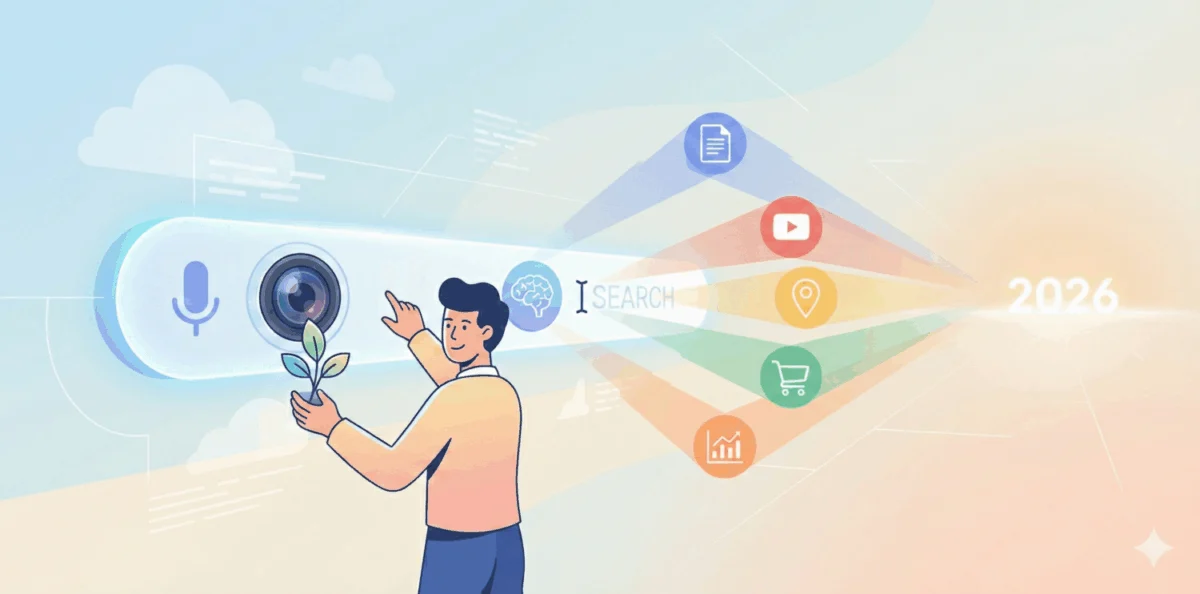
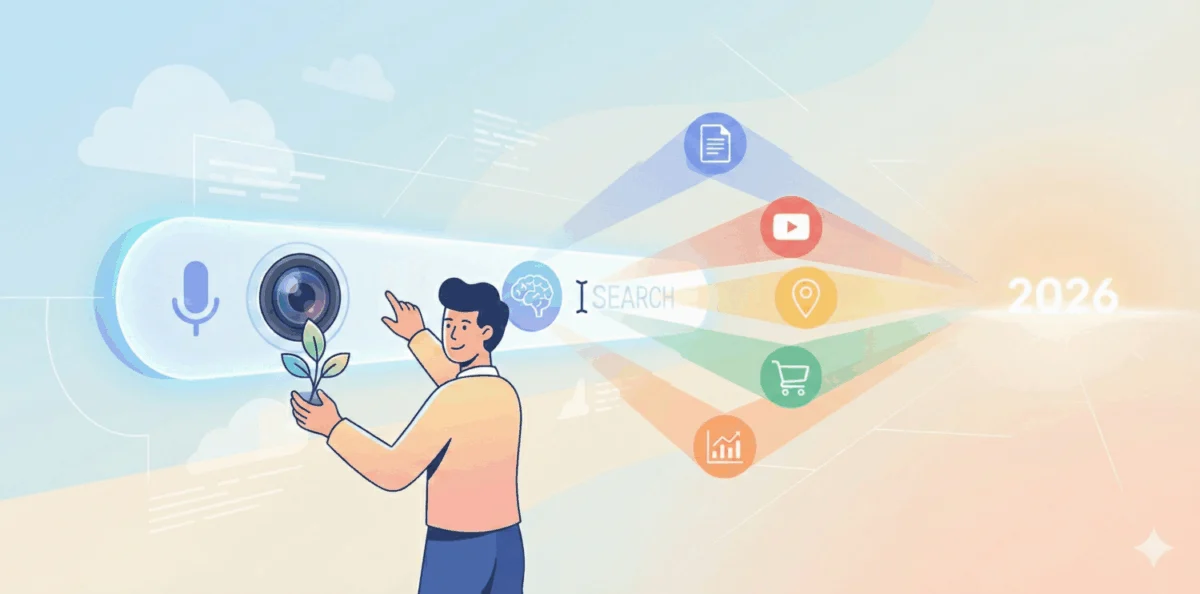
The digital discovery landscape is undergoing its most profound transformation since the invention of commercial search engines. The traditional model—typified by typing a string of keywords into a browser and scrolling through a page of "ten blue links"—is rapidly giving way to conversational, generative AI answer engines.
Platforms such as OpenAI’s ChatGPT, Google’s AI Overviews, Anthropic’s Claude, and Perplexity are no longer just indexing the web; they are synthesizing it. By pulling context across disparate publisher sites, brand-owned assets, and third-party databases, these models deliver synthesized, direct answers. Crucially, they maintain context from one interaction to the next.
For marketing teams, corporate communicators, and digital strategists, this represents an existential pivot. The old playbook of keyword stuffing, meta-tag optimization, and chasing traditional Search Engine Optimization (SEO) rankings is no longer sufficient. Visibility in 2026 is no longer defined by holding the coveted "Position One" on a search engine results page (SERP). Instead, it is dictated by whether a brand’s content is trusted, structured, and authoritative enough to be ingested, cited, and used as primary input by an AI model—often without the user ever visiting the brand’s website or generating a measurable click.
Chronology: How Search Evolved into AI-Driven Discovery
To understand where digital marketing stands today, it is essential to trace the rapid acceleration of search technology over recent years:
- The Keyword Era (Late 1990s–2010s): Search engines operated strictly on literal string matching, backlink profiles, and rudimentary keyword density formulas. Marketers focused heavily on reverse-engineering search algorithms to capture high-volume traffic.
- The Intent and Semantic Era (2015–2022): Search engines began utilizing machine learning (such as Google’s BERT update) to understand user intent, context, and semantic relationships between concepts rather than exact-match phrases.
- The Generative Disruption (Late 2022–2024): The launch of consumer-facing generative AI chatbots fundamentally altered user habits. Users realized they could converse with an interface to get a single, cohesive answer rather than sorting through dozens of commercial blog posts. Engines began rolling out conversational summaries at the top of traditional results.
- The Ecosystem Convergence (2025–2026): Search and recommendation engines fully merged. Platforms integrated persistent conversational memory, user-level personalization, and cross-platform data synthesis. Today, discovery is largely proactive, anticipating user needs before explicit queries are ever typed, and operating across a fragmented web of specialized AI agents.
Supporting Data & Market Realities: The Metrics of the New Paradigm
As user behavior migrates away from direct website navigation toward zero-click AI summaries, legacy metrics are showing severe strain. Industry analyses and shifting platform dynamics highlight several critical trends:
- The Rise of Zero-Click Searches: Estimates indicate that a growing majority of informational queries are now fully resolved on the search page or within chat interfaces without a traditional outbound click.
- The Premium on Provenance: Large Language Models (LLMs) are becoming increasingly risk-averse regarding hallucinations. Consequently, they heavily favor high-signal pages rich in verifiable facts, named experts, structured data, and clear attribution.
- The Talent Pivot: Enterprise demand for verifiable human expertise and narrative journalism has spiked. Corporate reliance on thin, AI-generated aggregation filler has plummeted as search guardrails actively penalize unverified, low-effort content. A recent viral Wall Street Journal report underscored this shift, noting that major corporations are aggressively hiring specialized "storytellers" and credentialed experts to shore up content authenticity.
Official Responses and Industry Perspectives
As the search ecosystem fragments, industry leaders, platform architects, and enterprise strategists are actively redefining what success looks like in an AI-first world.
Tech platforms emphasize that their primary goal is user utility—delivering the most accurate, concise, and trustworthy answer possible. Representatives from major search innovators note that the integration of AI Overviews and conversational agents has not killed web traffic entirely, but it has dramatically filtered it. Traffic is shifting away from low-value informational queries toward high-intent transactions and deeply specialized research.
Meanwhile, enterprise marketing executives are voicing a dual sentiment of anxiety and opportunity. While the loss of predictable click-through attribution is unsettling CFOs and performance marketers, forward-thinking brands view the shift as an opportunity to clean up bloated, low-quality digital estates. By refocusing budgets on original research, first-party data, and rigorous subject matter validation, leading organizations are successfully carving out dominance in AI citation landscapes.
Implications: Five Strategic Predictions for Marketers in 2026
To navigate this new reality, marketing and communications teams must operationalize five core predictions defining the 2026 search and discovery landscape.
1. AI Answer Engines Will Become the Default Search Experience
Traditional search will persist as a secondary utility, but platforms like ChatGPT, Gemini, and Perplexity will handle the primary discovery pass. Because answers are assembled from multiple sources, content across various channels can influence outcomes without earning a click.
- Strategic Imperative: Visibility requires being retrievable and trusted. Structured data, clear sourcing, and explicit signals of expertise are now table stakes.
2. Search and Recommendation Will Collapse Into a Single Discovery System
The barrier between actively searching for something and having a platform recommend it has dissolved. Predictive feeds across YouTube, LinkedIn, TikTok, and Amazon anticipate user needs based on behavioral signals.
- Strategic Imperative: Marketers must design for moments of "inferred need." Content must be native to the consumption habits of diverse platforms and legible to automated recommendation systems.
3. Personalization Will Get a Memory
Persistent conversational histories mean that two users entering the exact same prompt may receive entirely different answers based on their past interactions, saved preferences, and demonstrated expertise levels.
- Strategic Imperative: Brands must adopt modular content strategies. Content should be structured as a learning progression—offering clear entry points for beginners, intermediate deep-dives, and advanced perspectives that help systems route the right piece to the right user profile.
4. Attribution Models Will Break, but New KPIs Will Emerge
Last-click attribution models are breaking down as user journeys become non-linear and obscured within AI chat sessions.
- Strategic Imperative: Teams must transition to new performance indicators. Metrics such as Citation Frequency (how often an AI references your brand), Model Recall Rates, Excerpt Usage Patterns, and "Share of Answers" (your brand’s share of voice within AI-generated responses relative to competitors) will define success.
5. Authority Signals Will Become the New Ranking Factors
With LLMs prioritizing "safe precision" to avoid errors, trust, accuracy, and demonstrable human expertise have become the ultimate currency.
- Strategic Imperative: Substance must beat scale. Original research, primary data, and expert commentary backed by credentials (such as verified author bios, transparent publishing practices, and expert review loops) are essential for earning algorithmic trust.
Frequently Asked Questions (FAQs)
Q: If clicks are declining across the board, how do we prove to leadership that our content program is working?
A: Measurement is actively shifting from immediate traffic acquisition to upstream influence. While metrics like Click-Through Rate (CTR) are losing reliability, forward-looking teams are tracking citation frequency, excerpt reuse, and "share of answers." These indicators demonstrate how effectively your brand shapes consumer decisions inside closed-loop AI environments.
Q: What specific formats and types of content perform best in AI-driven discovery?
A: Content that is clear, defensible, and structured outperforms broad or generic material. AI models favor explicit definitions, verifiable claims, named human experts, and well-scoped explainers. Original research and proprietary data consistently outrank thin aggregation and keyword-stuffed articles.
Q: How should enterprise teams adapt their content strategy for AI platforms that feature persistent memory?
A: Content must be built as a modular ecosystem rather than a collection of isolated blog posts. By creating tiered content assets—ranging from beginner overviews to advanced technical analyses—you provide AI systems with the clear architectural signals they need to match content depth with an individual user’s specific conversational history and expertise level.