On November 4, 2026, the historic SoWa Power Station in Boston will transform into the epicenter of the global startup ecosystem. TechCrunch’s Founder Summit is set to deliver an intensive, one-day crash course in modern entrepreneurship, designed specifically to bridge the gap between ambitious vision and sustainable, scalable reality. In an era where the “move fast and break things” mantra has been replaced by a focus on capital efficiency, AI integration, and disciplined growth, this summit aims to provide founders with the tactical insights required to navigate an increasingly complex market.
Main Facts: The Anatomy of the Summit
The Founder Summit is not merely a conference; it is a tactical intervention for founders operating at the seed to Series B stages. The event focuses on the "hardest lessons" of building a company—the critical decisions that, if made incorrectly, can sink a venture before it gains momentum.
Key takeaways for attendees include:
- Direct Access: Founders will gain unfiltered access to the investors and veteran entrepreneurs who have navigated the exact challenges current startups are facing.
- Diverse Skill Sets: The programming covers the full lifecycle of a business, including fundraising mechanics, high-leverage hiring strategies, the implementation of AI at the core of a business model, and mastering the art of market category dominance.
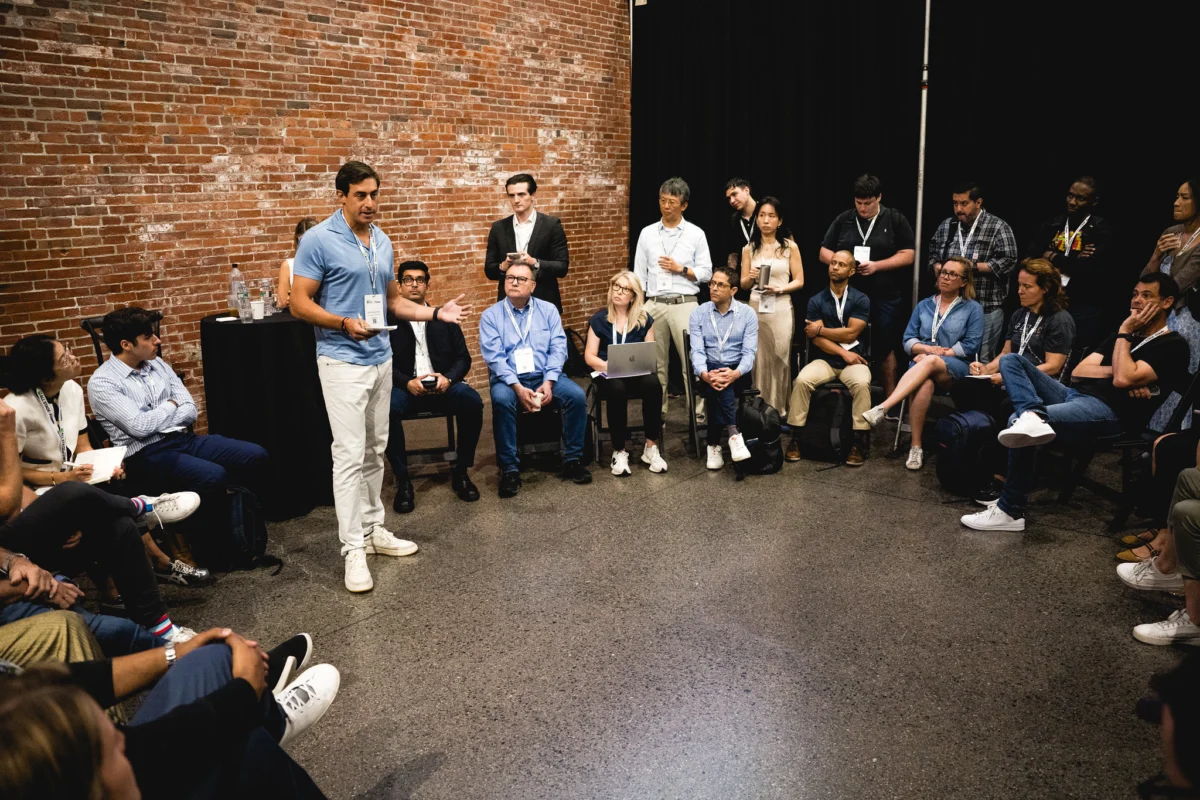
- Networking Architecture: Beyond the stage sessions, the event is engineered to foster relationships between peers, seasoned operators, and venture capitalists, creating a long-term support network for participants.
Chronology: The Evolution of the Startup Playbook
The journey of a startup, from a garage-based concept to a global enterprise, is defined by a sequence of pivotal moments. The 2026 Founder Summit agenda has been structured to reflect this chronology, addressing the problems founders face as their companies evolve.
The Foundation: Fundraising and Validation
The day begins with a focus on the "New Rules of Raising Capital." As the market shifts, the ability to secure funding requires more than a compelling pitch; it requires a deep understanding of investor sentiment and leverage. Brian Devaney, Partner at Underscore, will lead the conversation on how to survive the gauntlet from the first check to the term sheet.
Scaling and Leadership
Once capital is secured, the reality of the CEO role sets in. Brian Halligan, HubSpot co-founder and Sequoia partner, will address the inevitable transformation of the founder into a CEO. The session promises a deep dive into the "constant reinvention" required to manage rapid growth without losing the company’s cultural soul.
The AI Imperative
In the latter half of the day, the focus shifts to the future: "Built for AI From Day One." Lior Div, CEO of 7AI, will challenge the notion that AI is simply a feature set. Instead, he will argue that true AI-native companies must rethink their entire organizational structure, from product development cycles to go-to-market strategies.

Supporting Data: Why This Matters Now
The startup landscape of 2026 is vastly different from the post-pandemic boom. According to recent venture capital trends, investors are no longer prioritizing "growth at all costs." Instead, metrics such as Net Revenue Retention (NRR), burn multiple, and capital efficiency have become the primary barometers for success.
The sessions at the Founder Summit are directly correlated to these market shifts:
- Capital Allocation: By focusing on why "not every dollar is equal," the summit addresses the danger of taking "toxic" or misaligned capital, which can lead to cap table complications during future rounds.
- Market Timing: The "King of the Hill" framework, presented by Tina Tosukhowong of TDK Ventures, provides a data-driven approach to evaluating market readiness. Using real-world examples like the evolution of fusion energy, attendees will learn to map competitive landscapes to avoid entering saturated or dead-end markets.
- Product-Market Fit: Bessemer Venture Partners’ Kent Bennett will tackle the "pre-scale" trap. Many startups fail because they attempt to scale before their product-market fit is validated. Bennett’s session will provide the specific KPIs that signal a company is ready to hit the gas pedal.
Official Perspectives and Expert Insight
The speakers selected for this summit represent a cross-section of the most influential minds in the industry.
- On Hiring: Melissa Taunton of NEA will emphasize that "Your Company Is Who You Hire." This session is crucial for founders who often underestimate the cost of a "mis-hire" in the early stages, where every team member represents a significant percentage of the total organizational output.
- On Regional Advantage: Chase Garbarino, CEO of HqO, will provide a counter-narrative to the "Silicon Valley or bust" mentality. His experience scaling a company from Boston to over 30 countries without relocating offers a blueprint for founders building outside of traditional tech hubs.
The overarching theme across these sessions is the transition from "experimentation" to "industrial scale." As the speakers will illustrate, the difference between a failing startup and a category-defining company often lies in the quality of the decisions made during the "messy middle" of the startup journey.
Implications for the Future of Tech
The implications of the 2026 Founder Summit are twofold. First, it serves as a reality check for founders. By hearing candid, unvarnished advice from individuals who have successfully exited or scaled major companies, participants will be able to avoid the "trial and error" phase that consumes so much time and capital.
Second, the event highlights the maturing nature of the startup ecosystem. We are entering a phase where professionalization is essential. The "Founder Playbook" is no longer a collection of anecdotes but a rigorous set of disciplines. The inclusion of topics like "King of the Hill" frameworks and "AI-native operations" suggests that the next generation of founders must be as much about operations and strategic finance as they are about product innovation.
How to Attend and Maximize the Experience
The TechCrunch Founder Summit is designed to be an immersive experience. The combination of structured sessions and open networking time—often referred to as "braindating"—ensures that the insights provided on stage can be debated and internalized in smaller, peer-led groups.

For founders, the cost of attendance is significantly lower than the cost of a single bad strategic decision. With tickets currently at their lowest price points, the summit offers a high-ROI opportunity for early-stage teams to audit their current business models against the advice of industry veterans.
Event Logistics:
- Date: November 4, 2026
- Location: SoWa Power Station, Boston
- Registration: Interested attendees can view the full agenda and secure their spots via the official TechCrunch Founder Summit page.
Final Considerations
The startup journey is famously described as a "wringer," but the TechCrunch Founder Summit aims to provide the tools to make that journey more navigable. By focusing on the intersection of human talent, capital, and technology, the event creates a community of practice.
As the industry moves into the latter half of the decade, the ability to synthesize these lessons will distinguish the founders who build enduring, generational companies from those who build, grow, and fade away. Whether you are a first-time founder navigating your first seed round or a seasoned entrepreneur looking to pivot your AI strategy, the insights shared at the SoWa Power Station will serve as a foundational document for your company’s next chapter.
Note: TechCrunch may earn a small commission on tickets purchased through affiliate links in this article, which supports the continued independence and quality of their editorial and event coverage.