By Sharon Atefi
PR, Talent and Partnerships Professional
Executive Summary: The Untapped Goldmine in Your Database
Somewhere sitting quietly inside your email marketing platform right now is a customer who genuinely loves what you sell. They have purchased from you multiple times. They have left glowing, five-star reviews. They would happily tell a colleague, family member, or friend about your brand, and crucially, their immediate social circle likely mirrors your exact ideal buyer persona.
And yet, there is a very high probability that you have never actually asked them to make that introduction.
For most modern founders and business owners, a referral program exists in much the same way a rarely used gym membership does. It technically exists on paper, but nobody has engaged with it since January. There is a faded, easy-to-miss link buried deep in the footer of your website emails, and that represents the absolute extent of the growth strategy.
This oversight is staggering when examining the core economics of customer acquisition. When a trusted friend looks someone in the eye and says, "You would absolutely love this product," the heavy lifting of the sales process is already complete. No paid digital ad platform on earth can buy that level of authentic social proof, and no hyper-targeted social media algorithm can ever authentically replicate it.
So why do traditional referral programs yield near-zero results for most e-commerce and SaaS brands? The root cause is deceptively simple: they are routinely built as a static static webpage rather than a dynamic, automated growth program. Understanding the distinct difference between the two is the key to unlocking scalable, low-cost customer acquisition.
The Chronology of Word-of-Mouth: From Ancient Commerce to Modern Infrastructure
To fully appreciate the mechanics of a modern referral engine, it helps to examine how word-of-mouth marketing has evolved over time.
Phase One: Organic Word-of-Mouth (Pre-Digital Era)
For centuries, commerce relied entirely on organic, unprompted word-of-mouth. A baker made exceptional bread; customers told their neighbors. A cobbler crafted durable boots; villagers recommended his shop. Trust was hyper-local, and recommendations were entirely altruistic, driven by a desire to help peers find quality goods.
Phase Two: The Affiliate & Coupon Era (Late 1990s – 2010s)
With the dawn of e-commerce, businesses realized they could incentivize sharing. This birthed the era of complex affiliate networks and clunky coupon-code sharing systems. While effective for massive enterprises with dedicated marketing departments, these programs were often cumbersome for everyday consumers, requiring long coupon codes, separate login portals, and delayed payouts.
Phase Three: The Automated Referral Engine (Present Day)
Today, customer acquisition has entered an era of seamless infrastructure. Modern brands no longer rely on customers remembering to log into a separate portal to share a link. Instead, brands leverage advanced marketing automation platforms—such as Omnisend, integrated with loyalty tools like Smile and Yotpo—to weave referral requests naturally into the customer lifecycle. Trust is no longer left to chance; it is systematically operationalized.
Why Referrals Outperform Every Paid Acquisition Channel
Think about the last time you acted on a friend’s recommendation. It could have been a bustling new restaurant downtown, a critically acclaimed streaming series, or a sleek pair of ergonomic running shoes. Did you spend hours reading third-party consumer reviews first? Did you open an incognito browser tab to rigorously compare alternative market options?
Of course not. You simply gave it a try, primarily because someone whose judgment you inherently trust had already done the vetting work on your behalf.
That psychological shortcut is the absolute essence of a referral. It is years of accumulated relational trust, packaged neatly and applied to your commercial brand via a simple text message or casual conversation.
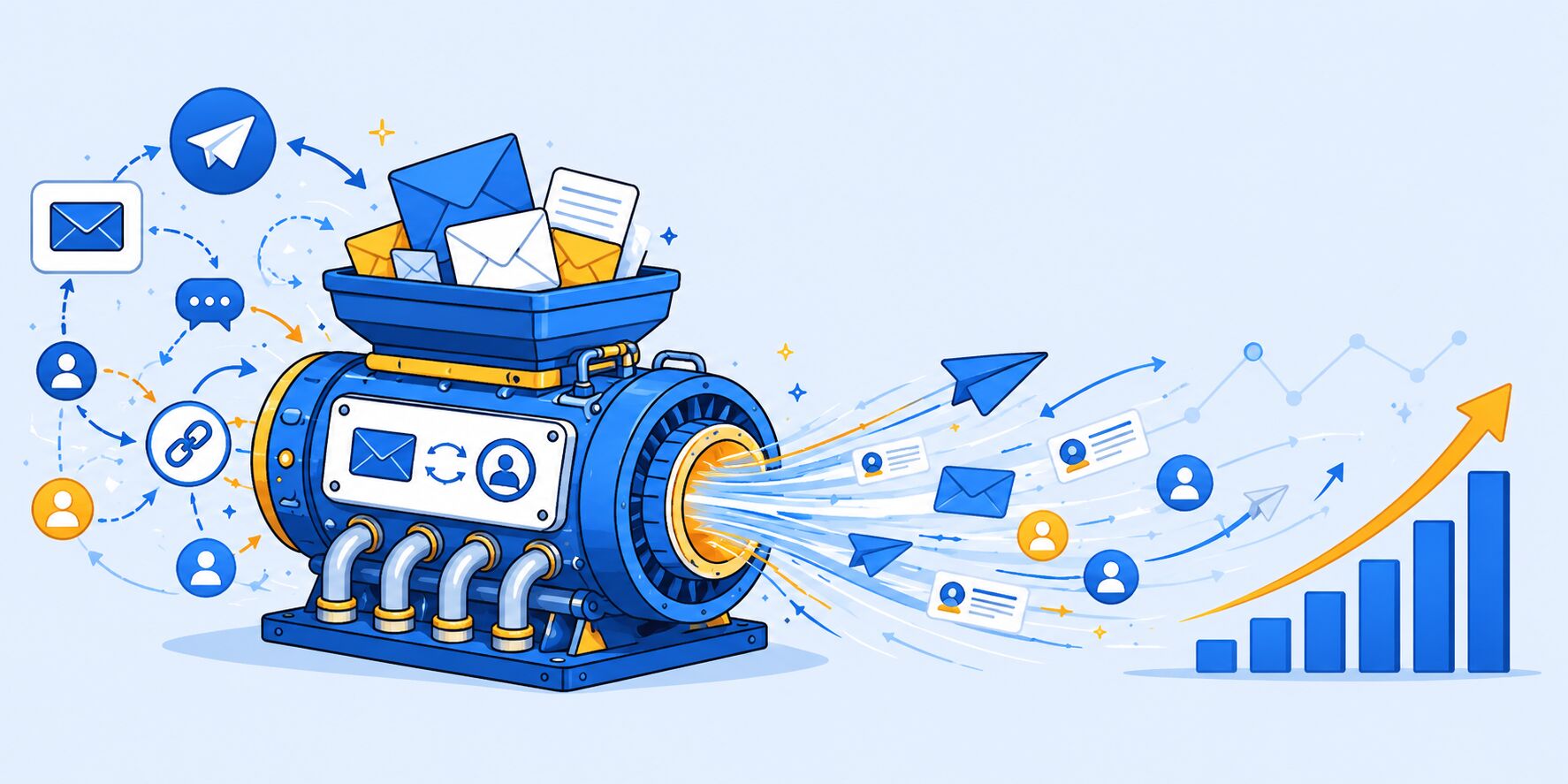
Data consistently shows that referred customers outperform those acquired through paid channels across nearly every vital metric:
- Higher Conversion Rates: Referred leads convert at rates drastically higher than cold traffic from paid search or social media ads.
- Lower Acquisition Costs: Because your existing customers are doing the heavy lifting of targeting, your customer acquisition cost (CAC) plummets toward zero.
- Superior Retention (LTV): Referred customers exhibit higher lifetime values. People naturally hesitate to recommend products that might let down their friends, meaning your customer base effectively filters out poor-fit prospects on your behalf.
The brands that master this space do not treat referrals as a static website feature. They treat them as an intentional email marketing strategy backed by a precise schedule, behavioral triggers, and targeted segmentation.
Chronology of a Customer Journey: Asking at the Moment of Delight
The single biggest mistake founders make regarding referral programs has very little to do with the financial reward offered or the copywriting used in the email.
It is all about timing.
If you bury a generic referral request inside a standard, automated Tuesday promotional newsletter, it acts as visual wallpaper. Your subscribers will skim right past it. However, if you send that exact same request immediately after a customer experiences a genuine "moment of delight," the psychological impact is radically different.
Key Milestones for Triggering Referral Requests:
- The Repeat Purchase: When a customer buys from you a second or third time, they have moved past casual experimentation and into genuine brand loyalty.
- The Glowing Review: When a user submits a four- or five-star review on your site or Google, their positive sentiment is actively peaking.
- The Customer Support Triumph: A complex support ticket that was resolved swiftly and empathetically often leaves the customer feeling exceptionally cared for.
- Direct Engagement: When a customer replies directly to one of your marketing or welcome emails expressing genuine affection for your product.
Manually monitoring thousands of customer interactions to catch these moments is impossible. This is precisely why modern marketing automation was built. When a repeat purchase is logged, it should automatically trigger a referral invitation timed precisely a few days after product delivery. When a high review score is registered, a automated "thank you" email featuring a share link should fire off immediately.
Set these systems up once, and your brand will land the referral ask at the absolute peak of customer goodwill forever.
Supporting Data: The Economics of Double-Sided Incentives
When designing a referral program, transparency and fairness dictate success. One-sided referral rewards—where only the person making the referral gets a bonus—fundamentally do not work over the long term.
If only the referrer receives a cash payout or credit, the dynamic feels transactional and grubby; it feels like monetizing friendships. Conversely, if only the incoming friend receives a discount, the existing customer has zero tangible incentive to lift a finger.
+-------------------------------------------------------------------+
|                   THE DOUBLE-SIDED REFERRAL LOOP                  |
|                                                                   |
|   +--------------------+               +----------------------+   |
|   | Referrer (Advocate)| <-----------> | Incoming Friend      |   |
|   | Gets: $10 Credit   |               | Gets: $10 Off First  |   |
|   +--------------------+               +----------------------+   |
|             ^                                     ^               |
|             |                                     |               |
|             +-----------------+-------------------+               |
|                               |                                   |
|                               v                                   |
|                 +---------------------------+                     |
|                 | Your Brand                |                     |
|                 | (Low CAC, High Retention) |                     |
|                 +---------------------------+                     |
+-------------------------------------------------------------------+
Double-sided incentives—such as the classic "Give $10, Get $10" model—transform the interaction from a cold sales pitch into a genuine favor. The referrer is actively helping a friend save money while receiving a modest token of appreciation in return. The new buyer arrives with an introductory discount that drastically reduces friction on their first transaction.
What Incentives Actually Work?
The reward does not need to be financially extravagant to convert.
- Modest Dollar Credits: Simple cash-off or store credits work consistently well.
- Free Shipping: Eliminating minor checkout barriers is often enough to motivate action.
- Exclusive Access: For brands with regular product drops or seasonal releases, early access to new inventory works brilliantly.
What kills referral programs isn’t a reward that is too small; it is friction in the sharing process.
Eliminating Friction: The Death of Clunky Sharing Flows
Every poorly optimized referral program leaks prospective revenue in two distinct places: the moment a customer has to think about what text to write, and the moment they have to figure out how to share the link.
To fix this, user experience must be frictionless:
- Unique Tracking Links: Every customer must receive a unique, auto-generated link that handles attribution seamlessly behind the scenes.
- Pre-Written Copy: Provide a short, human-sounding message that users can send as-is or tweak with a single tap.
- Multi-Channel Share Buttons: Place sharing options directly where mobile thumbs already live—SMS text messaging, WhatsApp, and email.
As a golden rule of thumb: If referring a friend takes more than fifteen seconds from the moment a customer opens your email, the process is too complex.
While your hardcore superfans might push through a clunky interface anyway, superfans typically make up only about 2% of your total email list. The quietly satisfied majority—the people who would gladly recommend your business if it were entirely effortless—will refuse to fight through a complicated user journey. And that majority is precisely where your true volume and scale live.
Furthermore, consistency matters. A referral program announced once during a launch week produces a temporary spike followed by dead silence. Compounding programs are mentioned steadily and subtly within post-purchase sequences, newsletters, and digital receipts—just often enough that when a friend casually asks, "Where did you get that?" your customer instantly remembers their unique link.
Official Perspectives: Expert Insights on Email Segmentation
A common trap for growing brands is launching a broad referral blast to their entire database.
"Would you walk up to a complete stranger standing at a bus stop and immediately ask them to recommend your business to their friends?" asks Sharon Atefi, PR and Partnerships professional.
"That is essentially what a blanket referral blast sent to your entire email list is doing. The customer who bought a single item eight months ago and has not opened an email since is not going to advocate for your brand. Asking them anyway simply trains your broader audience to skim past your emails."
Instead of treating your list as a monolith, build specific segments of customers who have earned the right to be asked. Focus strictly on repeat buyers, verified reviewers, highly engaged subscribers, and anyone who has historically replied warmly to your customer communications. This select group should hear about your referral program more often and more personally than anyone else.
Platforms like Omnisend excel precisely at this level of execution. By utilizing advanced customer segmentation, brands can isolate their happiest buyers while integrating smoothly with loyalty tools (such as Smile and Yotpo) to manage points, reward tiers, and referral tracking in the background. Automated workflows fire the exact right message precisely when a customer earns a reward or a friend completes a purchase, allowing the underlying plumbing to run itself.
Implications for E-commerce and Direct-to-Consumer Brands
The broader implications of building a high-performance referral engine extend far beyond short-term revenue spikes. As customer acquisition costs (CAC) across major paid media platforms—such as Meta, Google, and TikTok—continue to rise due to increased market competition and privacy regulations, relying solely on paid traffic is a perilous strategy for growing direct-to-consumer (DTC) brands.
Transitioning toward organic, owned-media growth channels protects profit margins and builds long-term brand equity. When a brand successfully turns its existing email list into a referral engine, it creates a resilient, self-sustaining loop of customer acquisition that remains insulated from external ad-platform volatility and policy updates.
Summary of Actionable Steps for Founders:
- Audit Your Current Program: Check if your referral program is merely a static web page or an active, automated email sequence.
- Implement Behavioral Triggers: Set up automated email flows that ask for referrals immediately following high-satisfaction events (repeat purchases, glowing reviews).
- Adopt Double-Sided Rewards: Ensure both the advocate and the referred friend receive a tangible benefit to keep incentives aligned.
- Ruthlessly Cut Friction: Keep the sharing process under 15 seconds with pre-written copy and one-tap SMS/WhatsApp sharing buttons.
- Segment Your Audience: Stop blasting your entire list; target your happiest, most loyal buyers with personalized referral requests.
Ultimately, word-of-mouth marketing is already happening around your brand right now, regardless of whether you have built formal infrastructure for it. People naturally talk about products and services they genuinely enjoy. The only critical question remaining is whether you have made it delightfully easy for those positive recommendations to travel—and whether your best customers get thanked when they do.