In the complex ecosystem of global enterprise marketing, few things are as dangerous as a metric that looks like success but functions as a corporate sedative. A few years ago, while conducting a strategic consulting engagement for a multinational corporation operating in 75 countries, I encountered a phenomenon that stunned me: a primary marketing team that had anchored its entire success strategy to "Cost Per Session."
After two decades in the industry, having authored bestselling books on analytics and pioneered new diagnostic tools, I was genuinely baffled. I had navigated the boardrooms of the world’s largest companies, yet "Cost Per Session" (CPS) was a term that had never crossed my desk. In the lexicon of high-performance marketing, CPS is a hollow vanity metric—a way to justify "shoveling" traffic without regard for whether that traffic actually contributes to the health of the business.
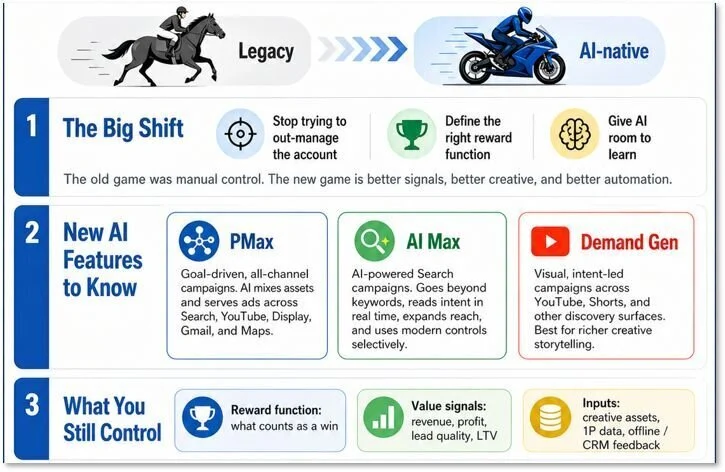
As we move into an era defined by Google’s "AI Mode" and increasingly automated ad platforms, the persistence of such metrics is no longer just a sign of amateurism—it is a significant liability that threatens to bankrupt marketing credibility.
The Chronology of Corporate Marketing Failure
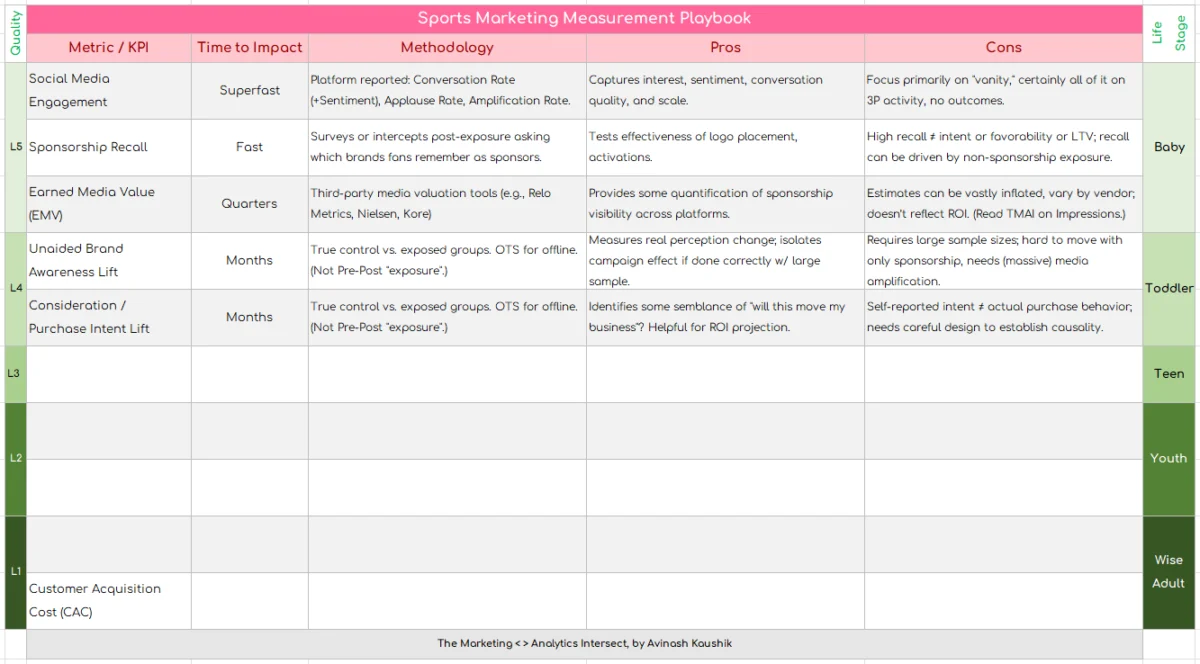
The journey toward meaningful marketing begins by acknowledging the hierarchy of measurement. Most marketing organizations start their journey in the "Activity" phase—counting impressions, views, and sessions. These are not metrics; they are merely "things."
Phase 1: The Trap of Activity
In the early days of digital marketing, activity was the only measurable data point. However, in today’s sophisticated landscape, relying on traffic volume is akin to a retail store celebrating the number of people who walk through the front door, even if they never buy anything, never speak to a clerk, and leave within ten seconds. When teams report on "Cost Per Session," they are essentially reporting on how cheaply they can lure a person to a website—a goal that serves the ad platform’s bottom line, not the company’s.
Phase 2: The Pivot to Outcomes
The first step toward professional maturity is moving from Activity to Outcomes. This involves shifting the focus to Revenue and Conversion Rates. Even for B2B or pharmaceutical companies with long sales cycles, this is achievable. By measuring micro-conversions and applying an average lead-to-offline conversion rate and an average outcome value, organizations can arrive at an 85% accurate picture of business impact. This is vastly superior to the blind optimism of tracking traffic alone.
Phase 3: The Ascent to Accountability
The final stage, and the one that earns the "CFO’s Love," is Accountability. Marketing is not free. When you account for Campaign Costs and the Cost of Goods Sold (COGS), the narrative often changes violently. A campaign that looks like a success based on revenue can quickly reveal itself as a net-negative for the company’s profit margins.
Supporting Data: The Reality of Profitability
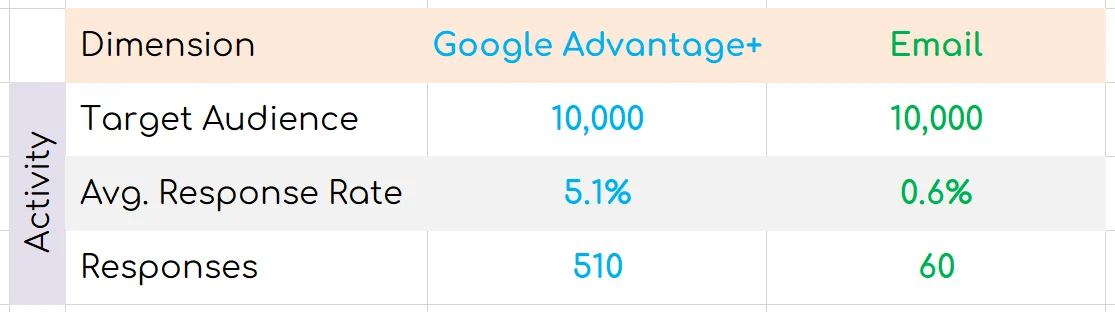
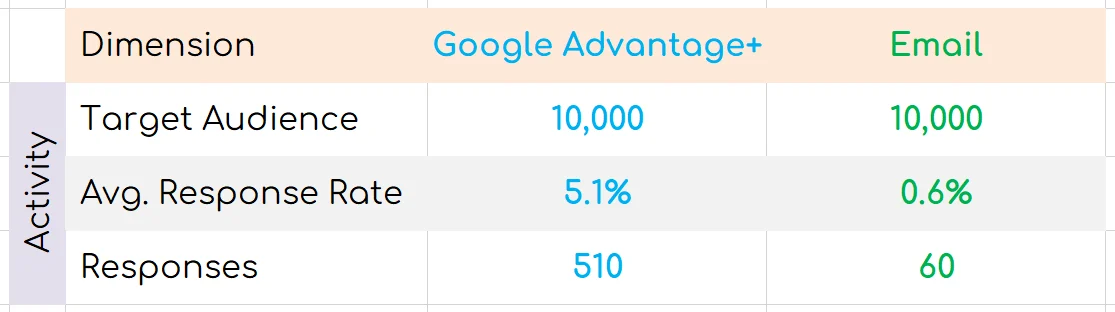
To understand the necessity of this shift, one must examine the raw data of performance marketing. Let us look at a hypothetical (but representative) comparison between a high-traffic AI-powered campaign (Google Advantage+) and a standard email marketing initiative.
| Metric | Google Advantage+ | Email Marketing |
|---|---|---|
| Revenue | $17,000 | $1,400 |
| Campaign Cost | $7,000 | $100 |
| COGS | $5,000 | $400 |
| Profit | $5,000 | $900 |
| ROAS | 2.4 | 14.0 |
| POI (Profit on Investment) | 0.70 | 5.7 |
As the data shows, while the Google campaign generated significantly higher revenue, its Profit on Investment (POI) was a dismal 0.70. For every dollar spent, the company was losing money. Conversely, while the email campaign generated lower total revenue, it delivered a healthy $5.70 in profit for every dollar invested.
If a CMO presents only the Revenue view to the board, they are painting a incomplete picture. If they present the POI view, they are demonstrating fiscal stewardship.
Official Guidance and Industry Shifts
The industry is no longer in a "growth at all costs" phase. Google’s recent guidance on SEO for AI Search confirms this shift. In an era where AI overviews provide users with context and answers directly on the search page, the nature of the "click" is changing.
Google has explicitly stated: "Consider looking at various indicators of conversion on your site, be it sales, signups, a more engaged audience, or information lookups."
This is an admission from the platform itself: the era of the "one-night stand" session is over. The AI-driven search experience favors high-intent, high-value interactions. If marketing teams continue to prioritize "Cost Per Session," they are actively optimizing for a behavior that the search engines themselves are moving away from.
Implications for the Modern CMO
The implications of ignoring these trends are dire for both the marketing department and the individual career of the CMO.
The "Suck Less" Strategy
If you find yourself in an organizational culture that refuses to abandon Cost Per Session, you must at least "suck less." The immediate next step is to transition to Cost Per Non-Bounced Session.
By removing the "I came, I puked, I left" traffic—sessions where the user bounced immediately—you gain a clearer, if still imperfect, view of what your money is actually buying. If you are paying $14 per session, but the bounce rate is 52%, you are effectively paying $27 for every person who actually engages with your site. That number is significantly more likely to trigger the necessary "wait a minute" reaction from a leadership team.
The Strategic Purge
When a campaign is revealed to be destroying profit, the correct response is not to "optimize" it for months. The correct response is to stop the bleeding.
- Cut the Spend: Immediately pause the campaigns that are showing negative POI. The resulting drop in traffic and revenue will be alarming, but the subsequent recovery in profit will be the validation of your strategy.
- Audit the Intent: Before turning the spend back on, re-evaluate the intent available on the platform. Are you targeting humans with a need, or are you just buying low-quality, automated impressions?
- Activate AI with Purpose: Use AI-powered features to match creative and messaging to the intent identified in step two, rather than letting the platform’s algorithm decide how to spend your budget in the most expensive way possible.
Conclusion: Building an AI-Proof Career
The shift from Activity to Outcomes and, finally, to Accountability is not merely a task for a dashboard report—it is a fundamental shift in business philosophy.
By protecting the CMO from the CFO’s skepticism through rigorous, profit-based reporting, marketing leaders move from being "cost centers" to being "growth engines." This requires discipline, uncomfortable conversations with agencies, and the courage to stop chasing metrics that provide the illusion of progress.
In an increasingly automated world, the ability to calculate and demonstrate the true, incremental business impact of marketing is the only way to ensure your department remains funded, respected, and, ultimately, essential. Carpe diem. The era of vanity metrics is over; the era of accountability has arrived.