Website marketing no longer follows the predictable paths of the past. For decades, the foundational rule of digital growth was straightforward: optimize your domain, drive traffic through search engines, and convert visitors directly into customers. Today, that linear model has effectively shattered.

While the website remains the central hub of a digital ecosystem, a massive proportion of the modern customer journey now unfolds entirely beyond its borders. Before a prospective buyer ever types a URL into a browser bar, they have likely consulted generative AI tools, skimmed peer-to-peer discussions on Reddit, and watched product teardowns on social media.
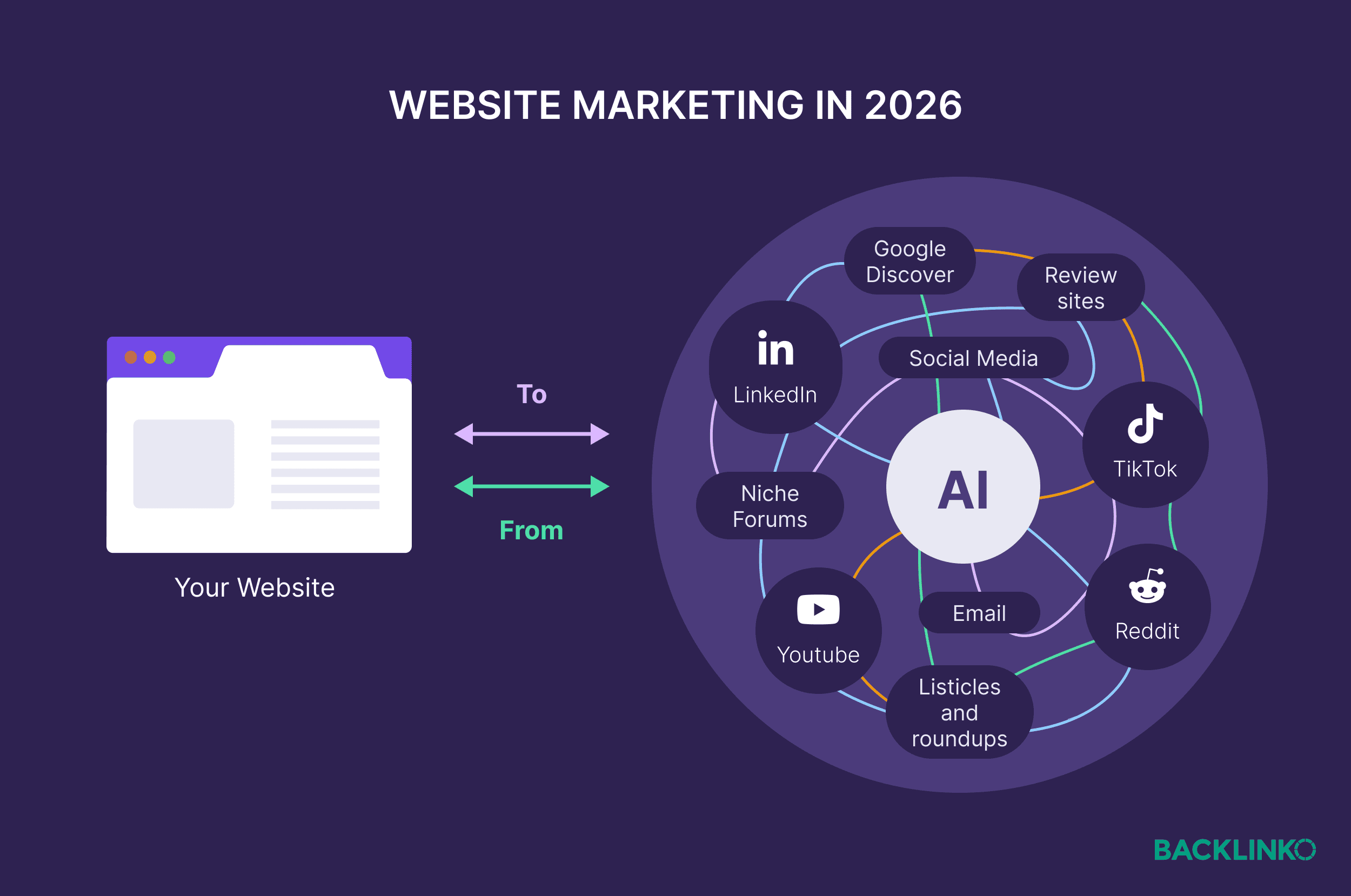
These external touchpoints heavily dictate brand perception. If a business lacks visibility and credibility across these decentralized channels, many potential customers will never arrive at the primary website at all. Conversely, when users encounter an authoritative, consistent brand narrative across the web before landing on a site, they arrive pre-educated, highly trusting, and primed for conversion.
Navigating this complex landscape requires a fundamental shift in strategy. Below are seven essential website marketing strategies designed to capture audiences across a wider, more fragmented journey, alongside actionable steps to maximize your site’s performance when they finally arrive.

Main Facts: The Structural Shifts of Modern Discovery
The transformation of website marketing is driven by fundamental shifts in consumer behavior and technological capabilities:
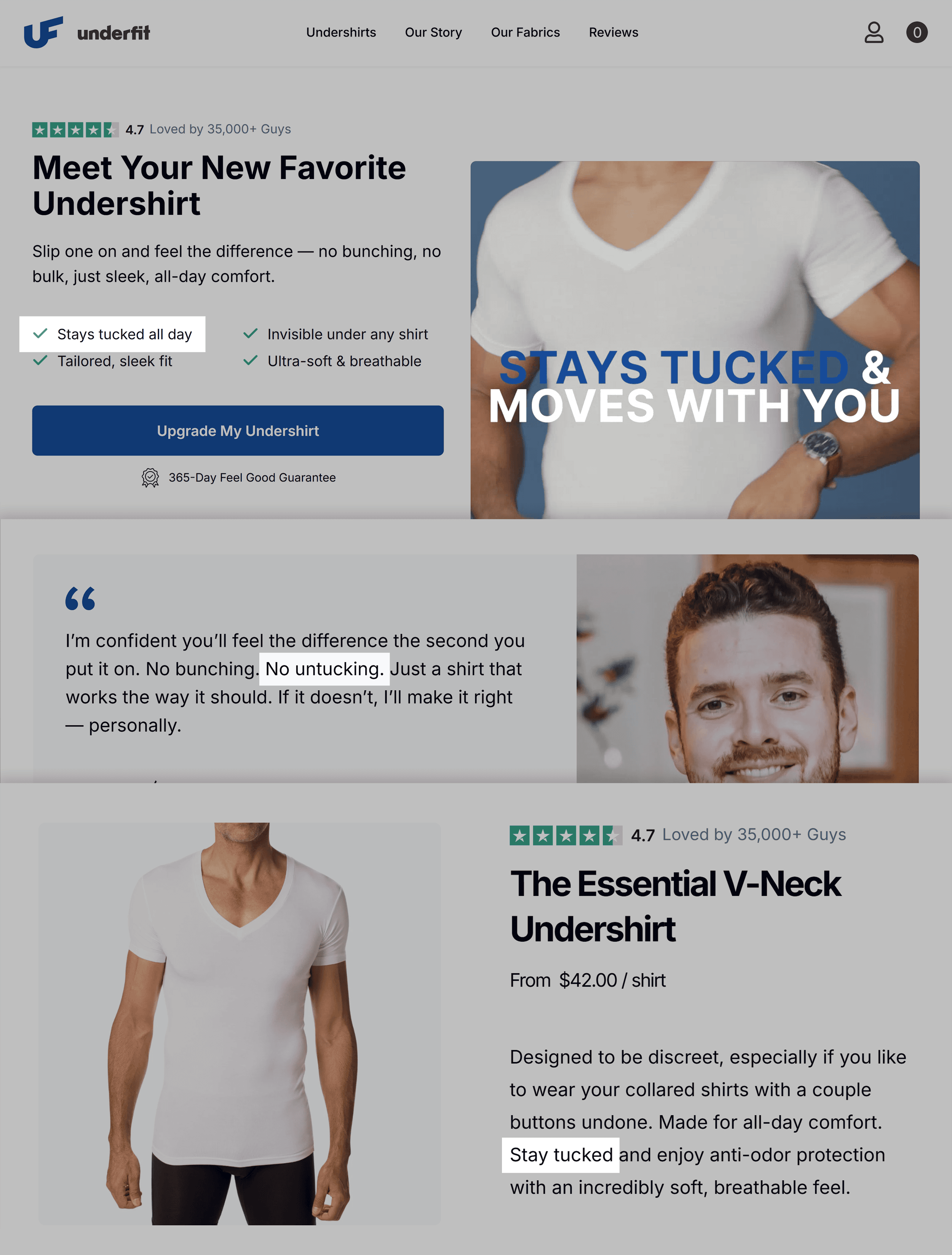
- The Rise of AI Research: Over 65% of buyers now utilize artificial intelligence and large language models (LLMs) to research products, services, and alternatives before visiting a brand’s website, according to recent survey data from Clutch.
- The Zero-Click Phenomenon: Users increasingly receive direct answers from search engine features and LLMs without clicking through to external pages, placing an unprecedented premium on conversion rate optimization and high revenue-per-visitor metrics.
- Decentralized Reputation Management: Brand equity is no longer dictated solely by on-page copy; it is engineered through cross-platform consistency, third-party community participation, and high-impact proof assets.
Chronology: How the Digital Consumer Journey Evolved
To understand how website marketing reached this juncture, it is helpful to examine the progression of online discovery over the past two decades:
- Early 2010s (The Era of Direct Search): Marketing was dominated by direct search engine queries. Users typed keywords into Google, clicked the top blue links, and navigated multi-page funnels hosted entirely on corporate websites.
- Late 2010s to 2020s (The Social and Review Boom): Consumers began cross-referencing brand websites with review aggregates, social media platforms, and influencer endorsements. The journey became multi-channel, though the website remained the primary validation tool.
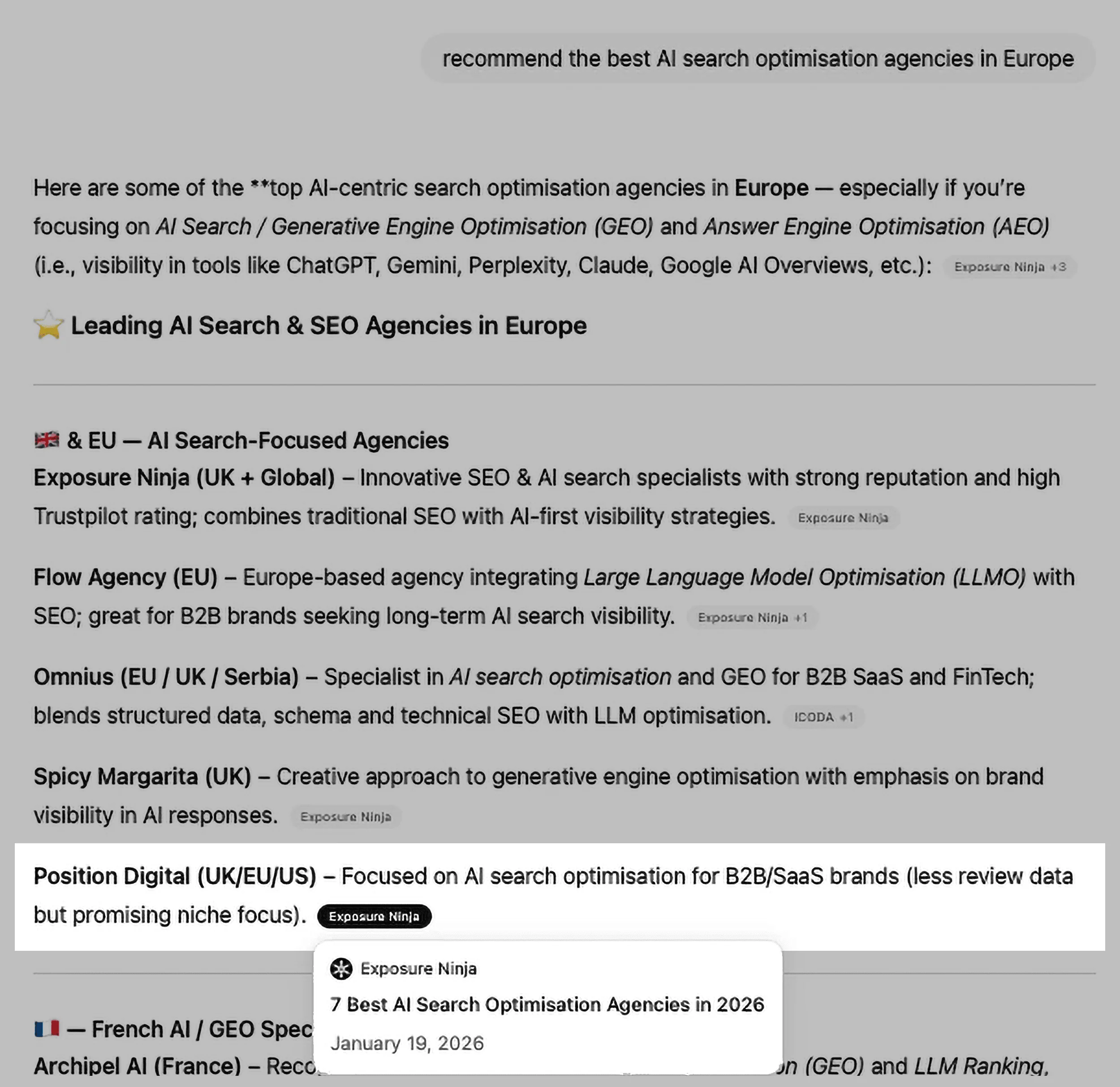
- 2024–2026 (The AI and Omnipresent Discovery Era): Generative AI search interfaces, conversational assistants, and decentralized forums (such as Reddit and specialized Discord servers) became the primary starting points for consumer research. Brand reputation is now synthesized by algorithms before a human ever sees a homepage.
Supporting Data: Understanding the New Search and Discovery Ecosystem
Statistical insights underscore the necessity of adapting to these modern marketing realities:
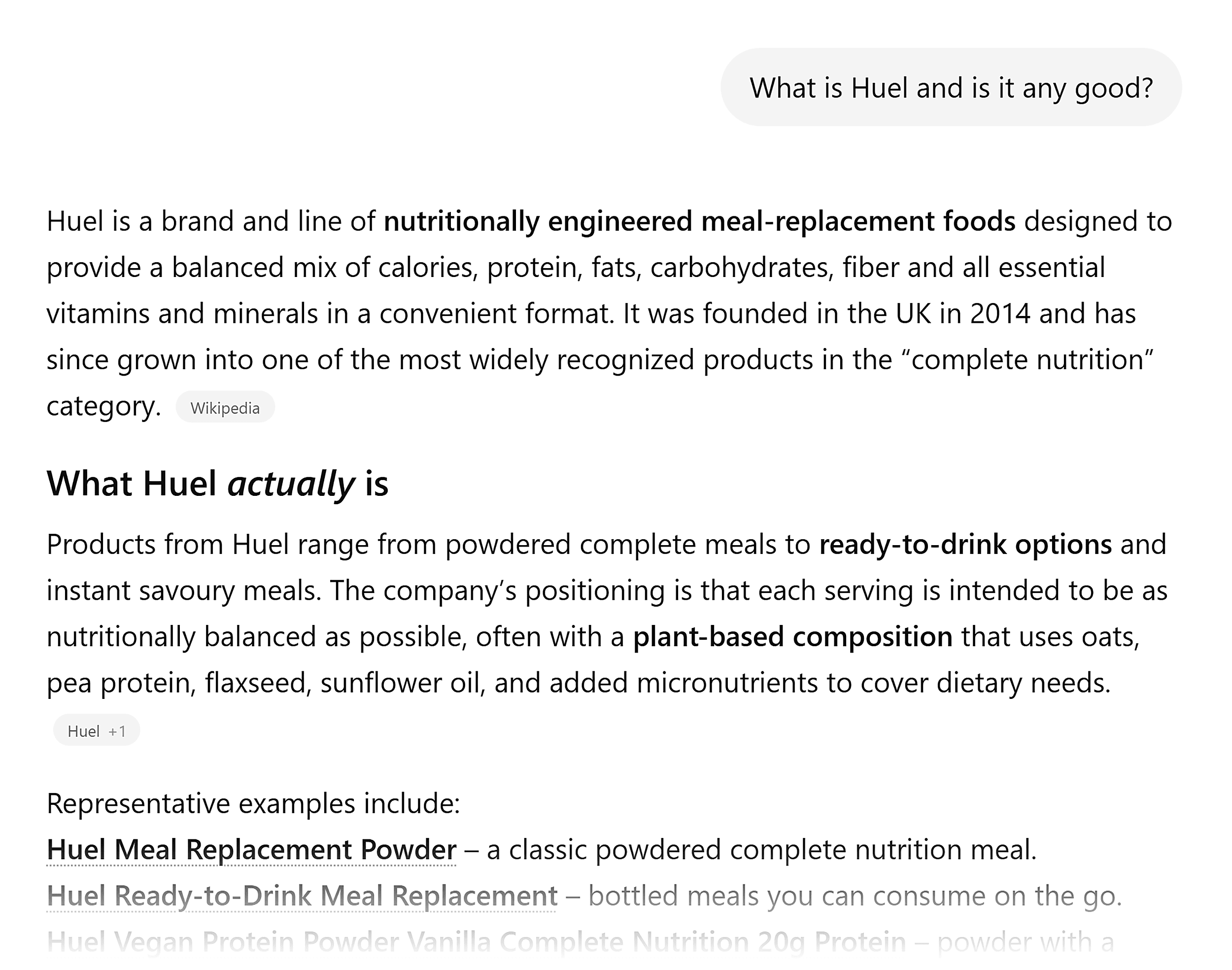
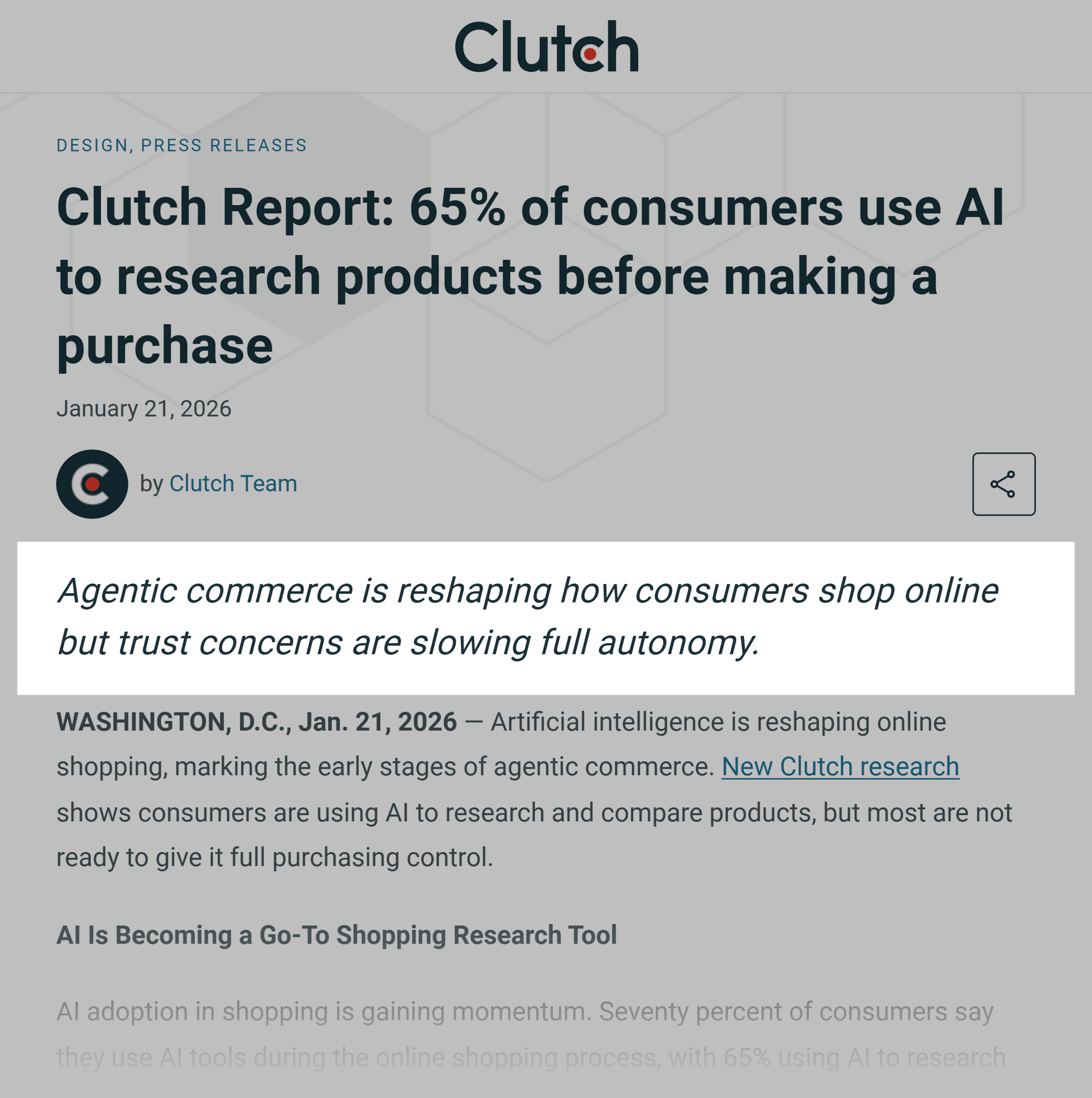
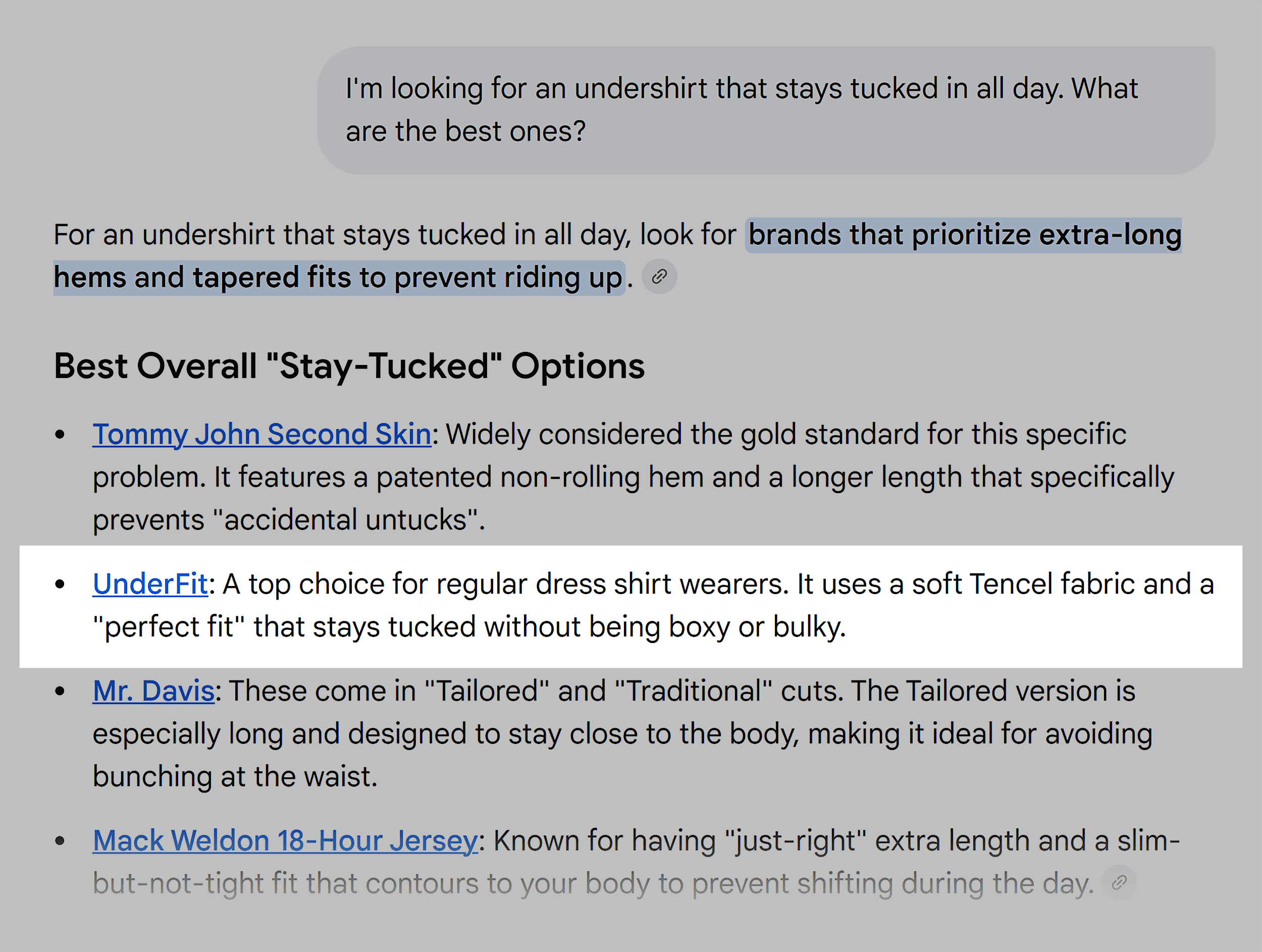
- LLM Synthesis: Case studies show that brands achieving consistent messaging across blogs, third-party roundups, and user reviews are significantly more likely to be cited by AI tools like ChatGPT and Google AI Mode.
- Visual Feeds: Platforms like Google Discover represent massive, unpredictable traffic spikes for publishers who align their content with timely angles, strong visual assets, and high mobile engagement.
- Behavioral Intent: Data across e-commerce and B2B sectors indicates that visitors arriving via pre-educated channels exhibit lower bounce rates and significantly higher lifetime values.
Official Responses and Industry Perspectives
Digital marketing leaders and platform executives emphasize that adaptation is no longer optional. Industry analysts note that trying to force traditional, siloed SEO tactics onto an AI-driven web is a recipe for stagnation.
"You don’t have to leave your online reputation to chance," industry strategists emphasize. By documenting brand messaging and ensuring that the language associated with your business is echoed consistently across every digital touchpoint, companies can effectively train both human consumers and large language models to categorize their offerings accurately.
Furthermore, consumer psychology experts highlight the growing importance of humanizing brands. In an internet saturated with synthetic, AI-generated text, a recognizable human face, voice, and point of view provide a vital anchor of trust that reassures skeptical buyers.
Implications for Marketers in 2026
The convergence of AI discovery, zero-click queries, and decentralized communities carries profound implications for marketing teams:
1. Position Your Website for AI and Human Discovery
You must actively engineer how the internet describes your brand. Begin by drafting a clear brand messaging strategy—a documented guide defining your positioning, core values, and the specific problems your product solves. Ensure this language is utilized consistently by sales, marketing, and leadership.
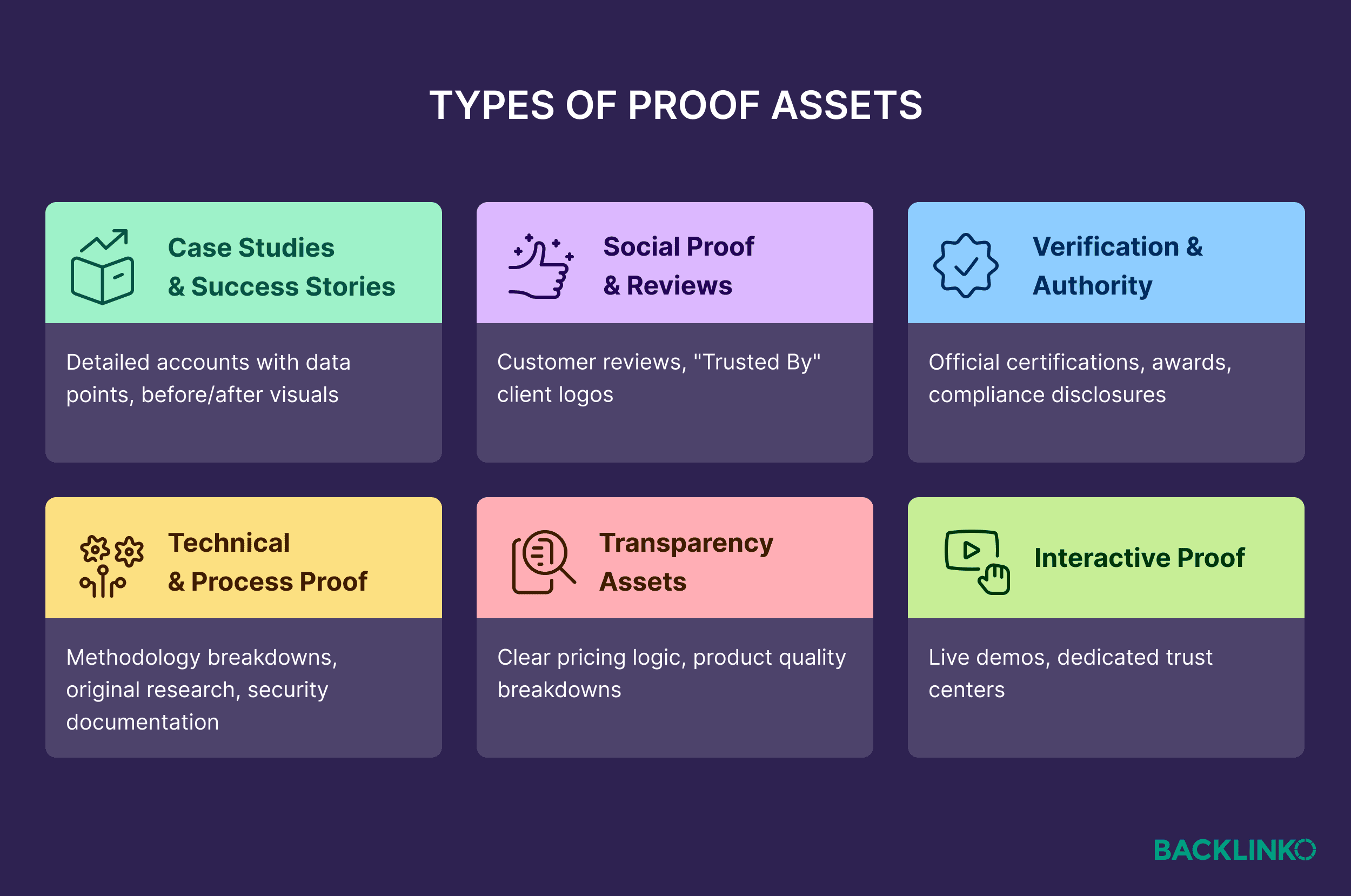
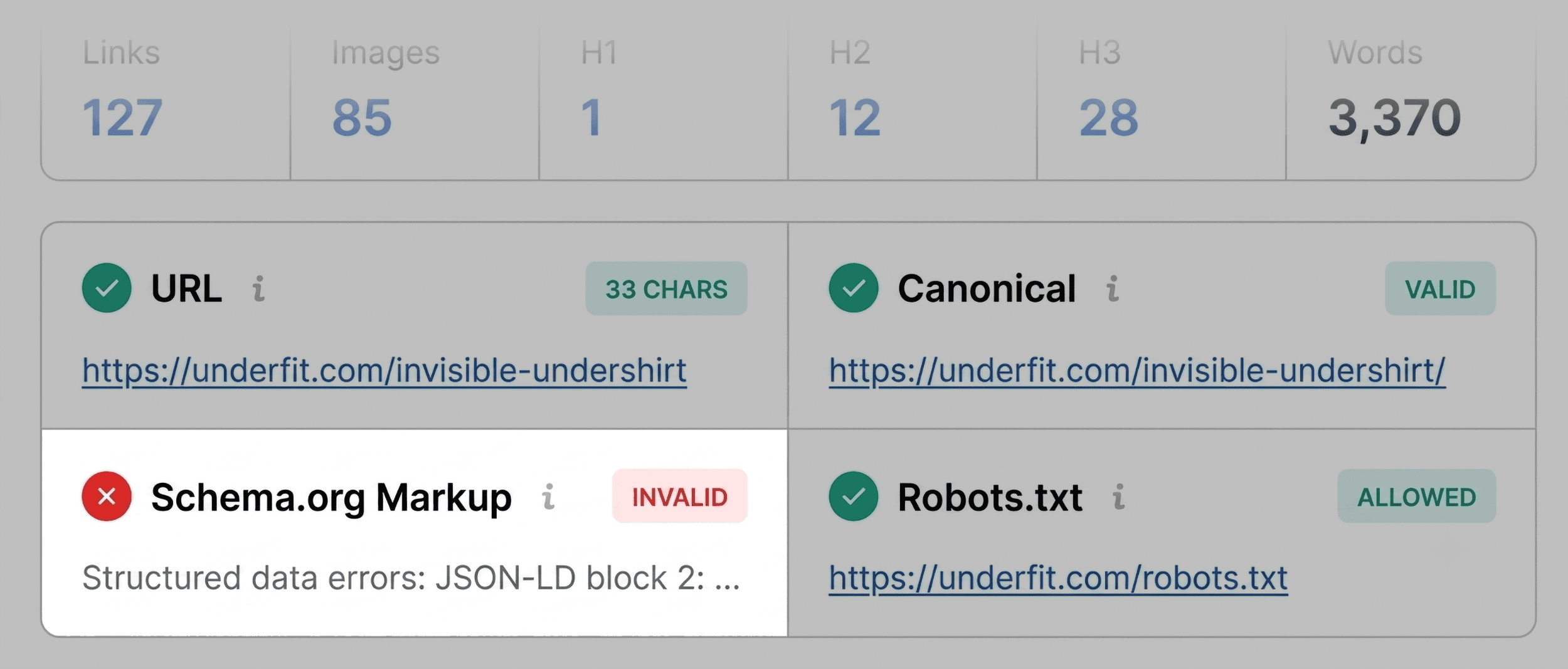
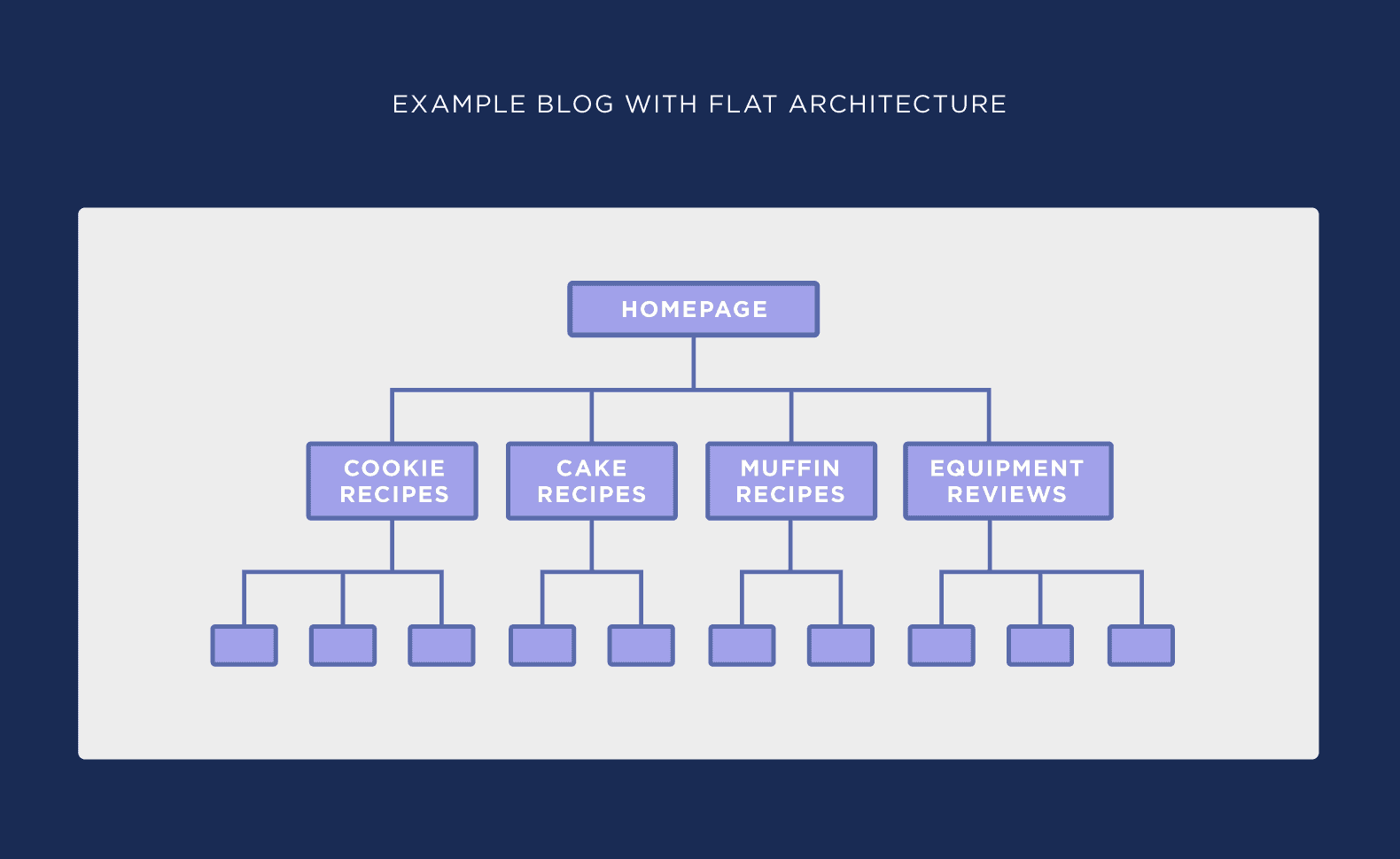
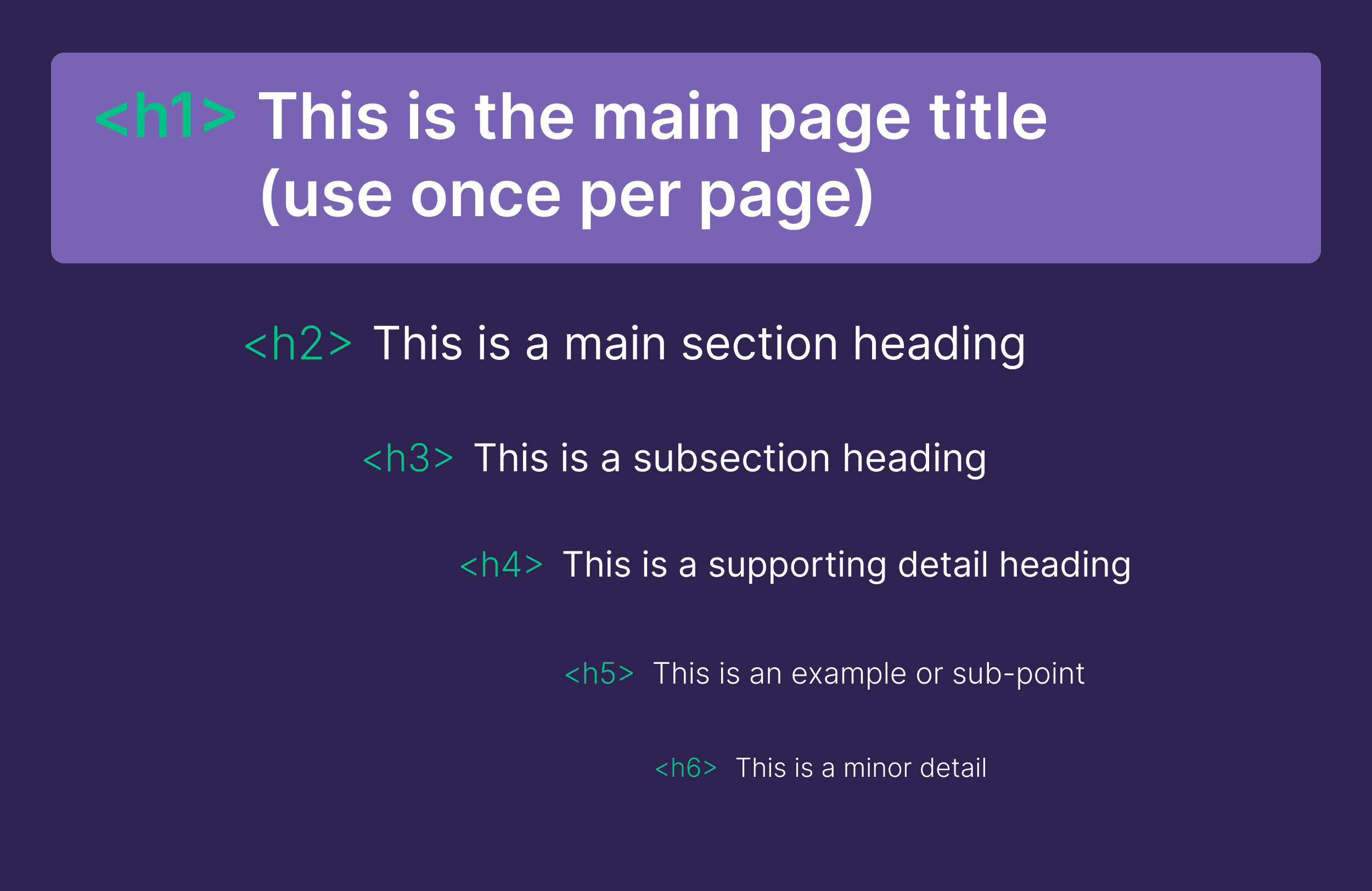
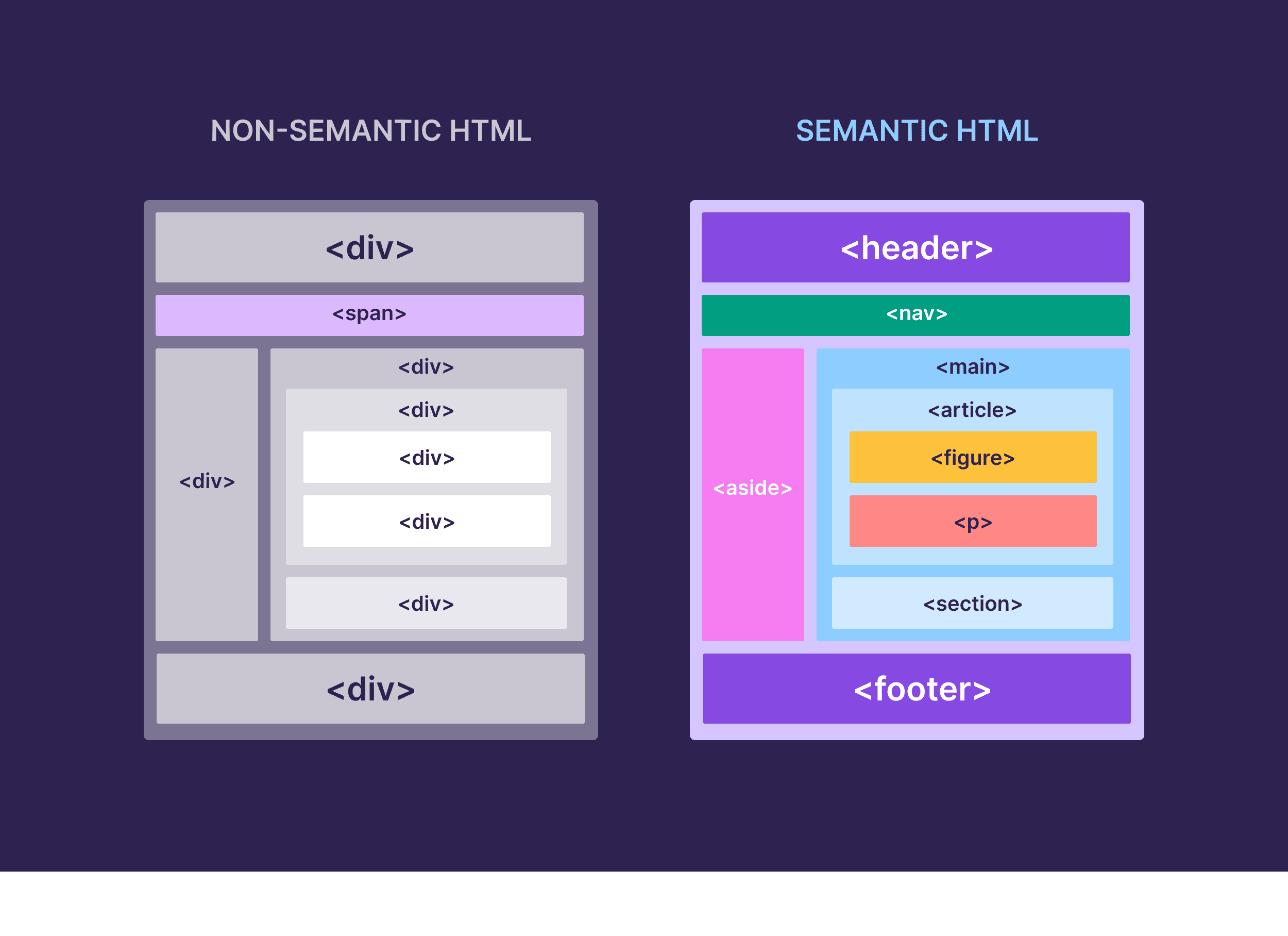
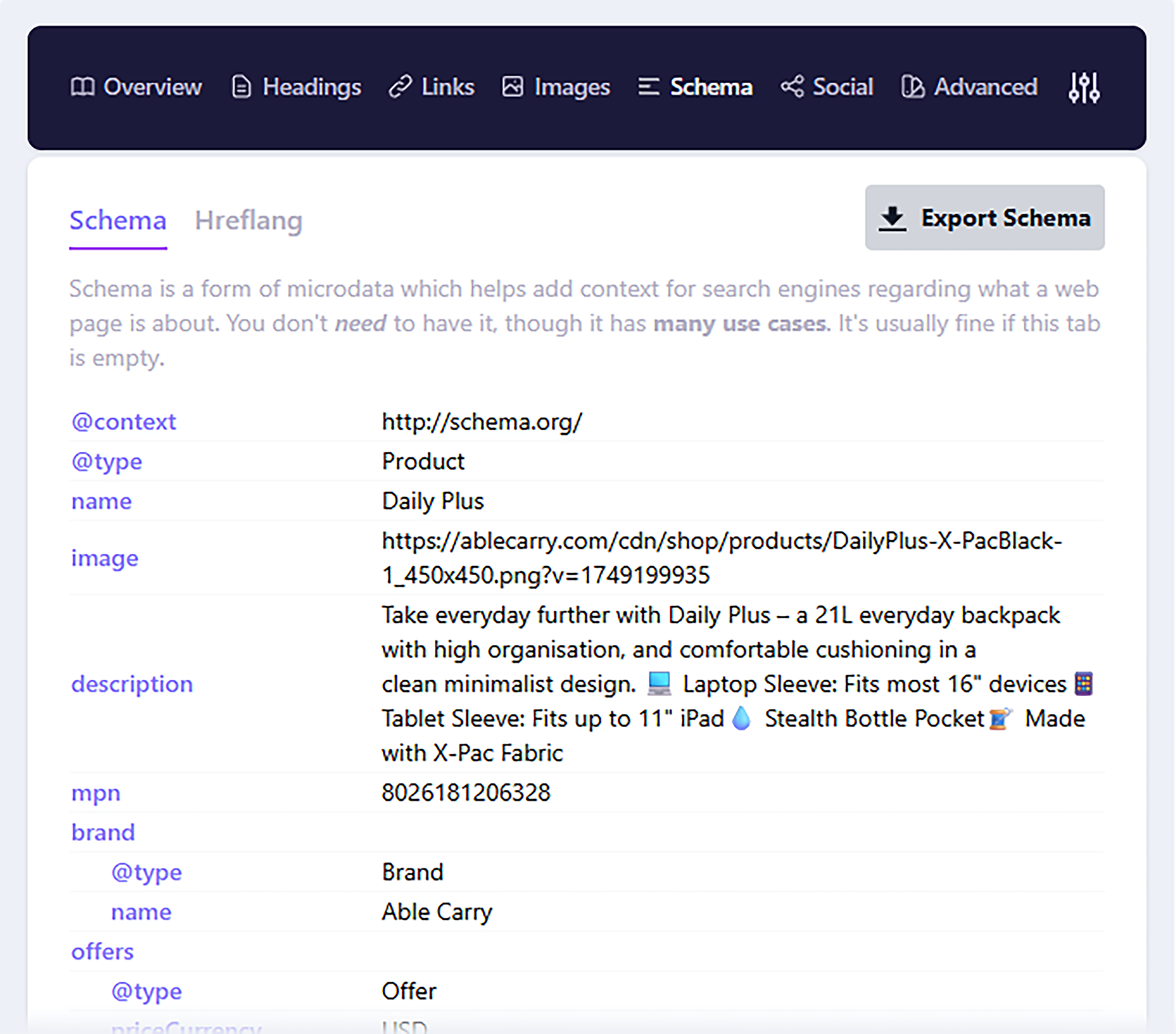
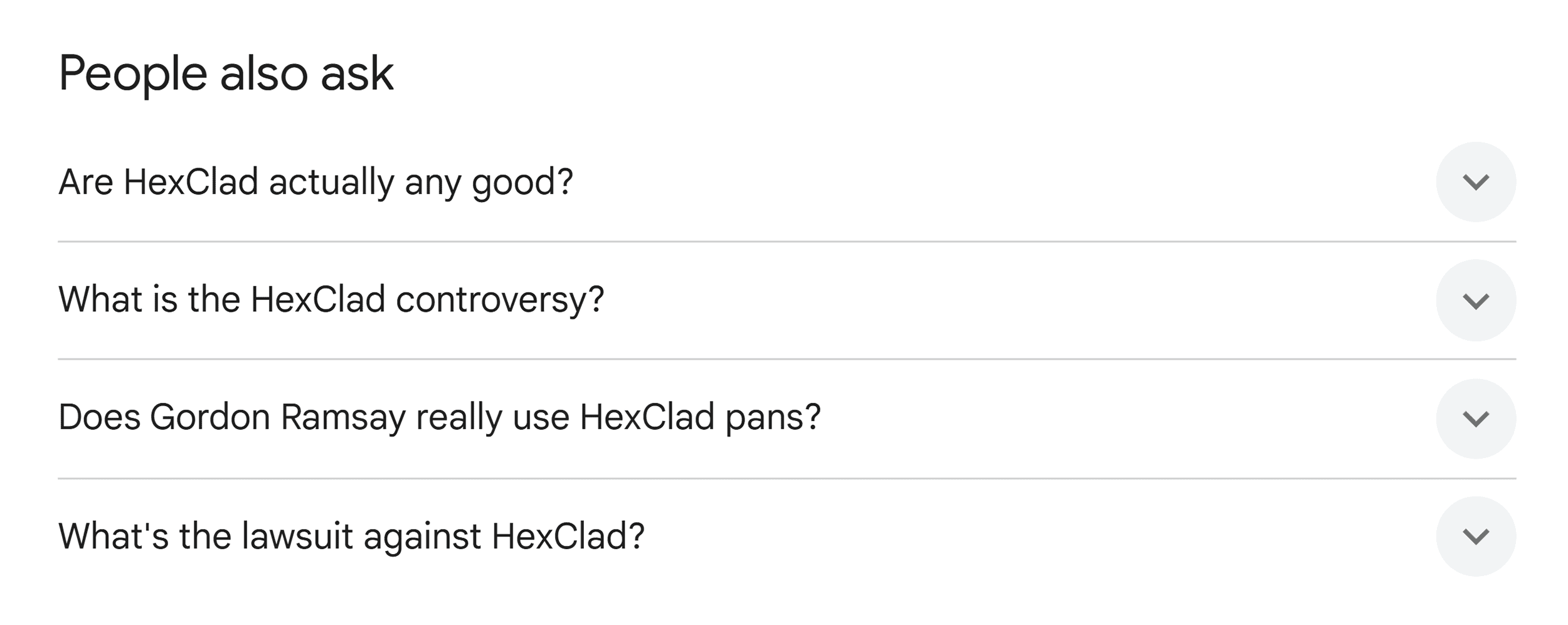
Additionally, structure your website using semantic HTML, clear heading hierarchies, and proper schema markup. These structural signals make it effortless for both human readers and search engine crawlers to interpret your content. Finally, publish robust proof assets (such as data-backed case studies, security documentation, and transparent return policies) that directly address the recurring questions found in "People Also Ask" blocks.
2. Use Video to Build Trust at Scale
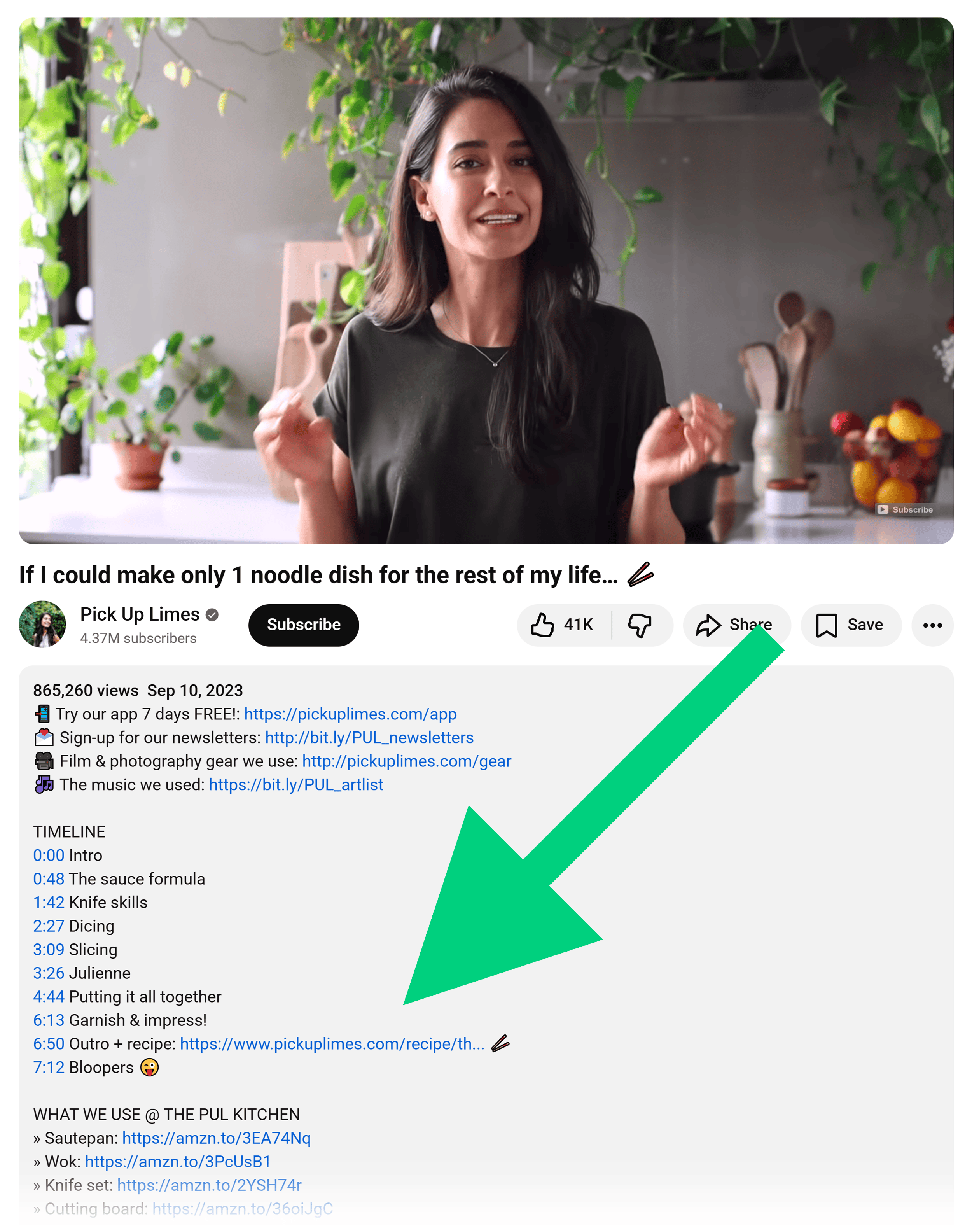
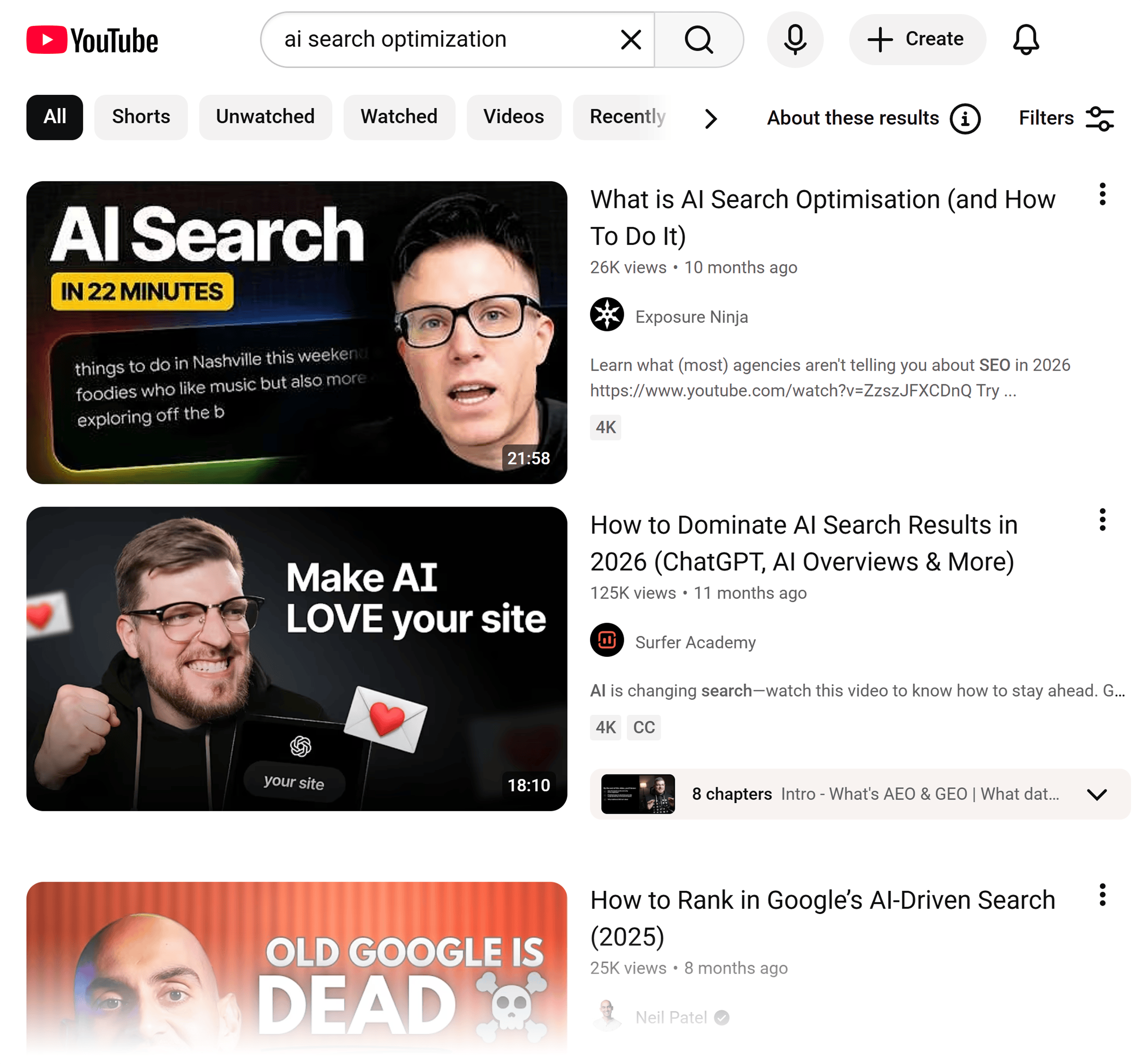
Text alone cannot replicate the familiarity established by video. Long-form videos (on YouTube, webinars, or training series) allow buyers to evaluate your expertise before engaging. Meanwhile, short-form clips on TikTok, Instagram Reels, and YouTube Shorts build passive familiarity through repetition. Always bridge these external videos back to your website by including contextual links in descriptions and calls to action.
3. Capture and Optimize for Google Discover Traffic
Google Discover can drive massive traffic spikes, but success hinges on editorial packaging. Content must be framed with a clear sense of timeliness, tension, or stakes—answering the "why this matters now" question. Pair these articles with high-resolution featured images (1200px+) and compelling, mobile-friendly layouts that stand out in a fast-moving, feed-based environment.
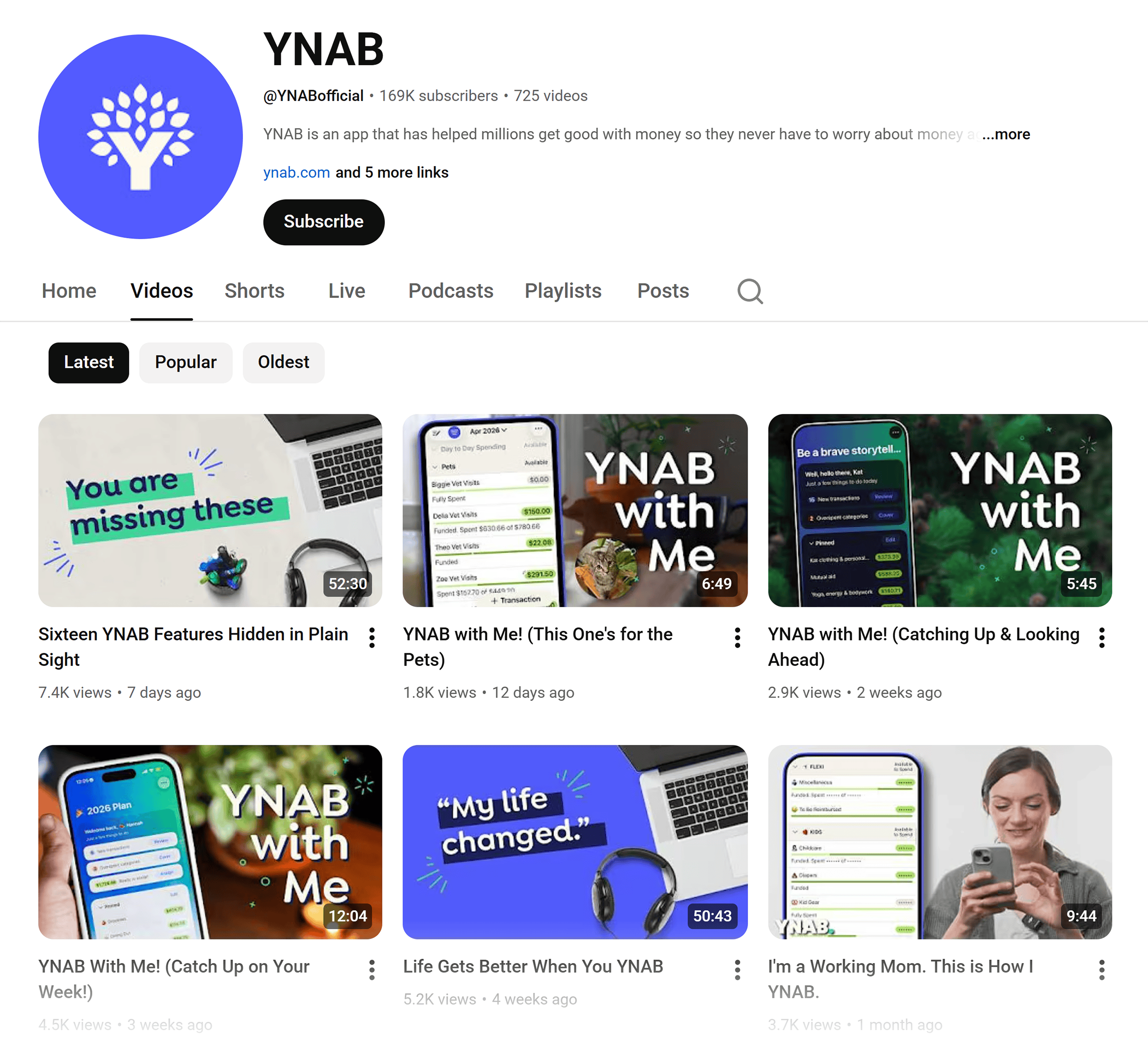
4. Optimize for Conversions in a Zero-Click World
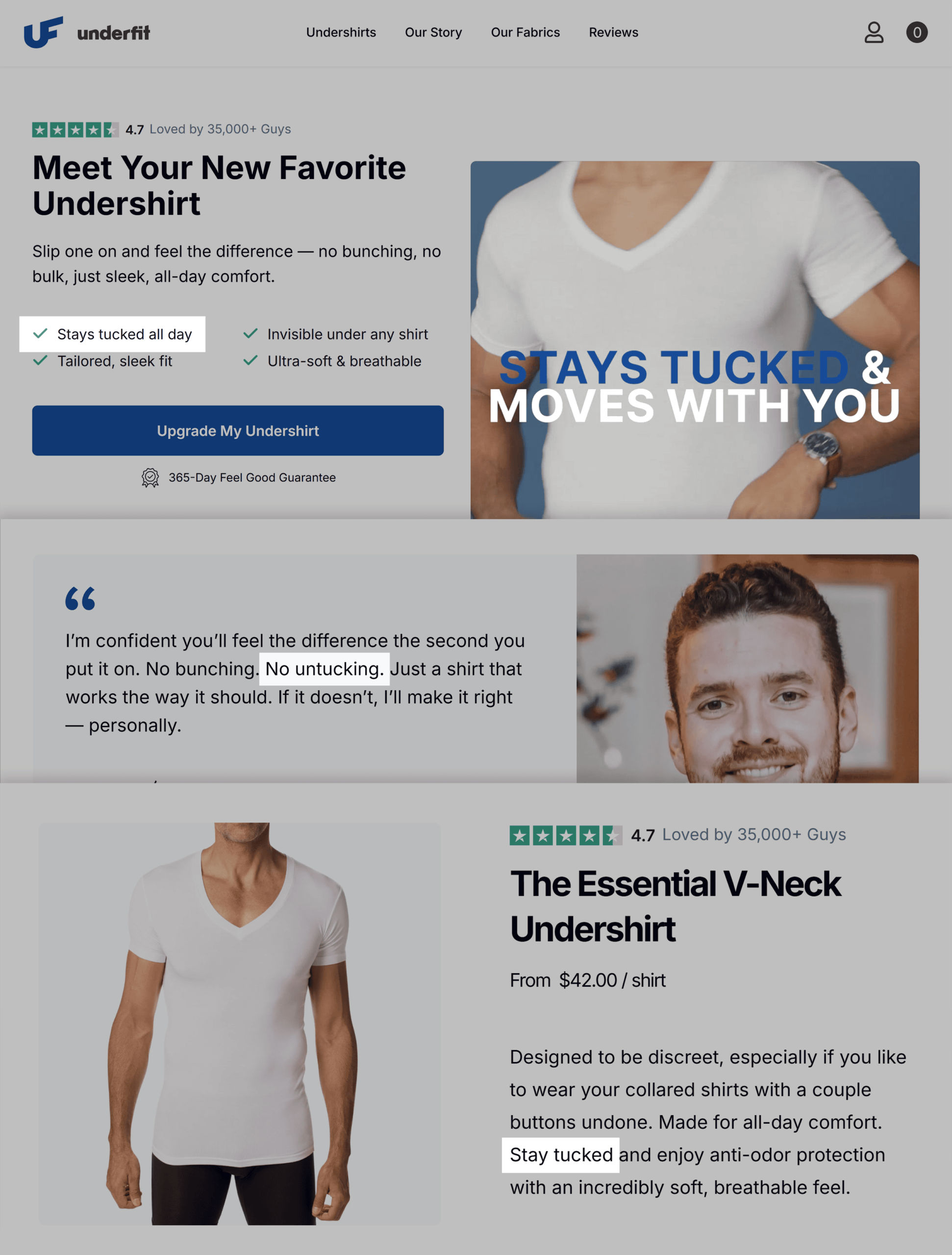
Because modern visitors arrive pre-educated, your website must remove all friction and anxiety immediately. Audit your highest-intent pages (such as product, pricing, and demo pages) to eliminate slow load times, confusing navigation, and unclear value propositions. Extend this engagement post-visit through behavioral email targeting—triggering personalized follow-ups based on specific site actions to capitalize on warm intent.
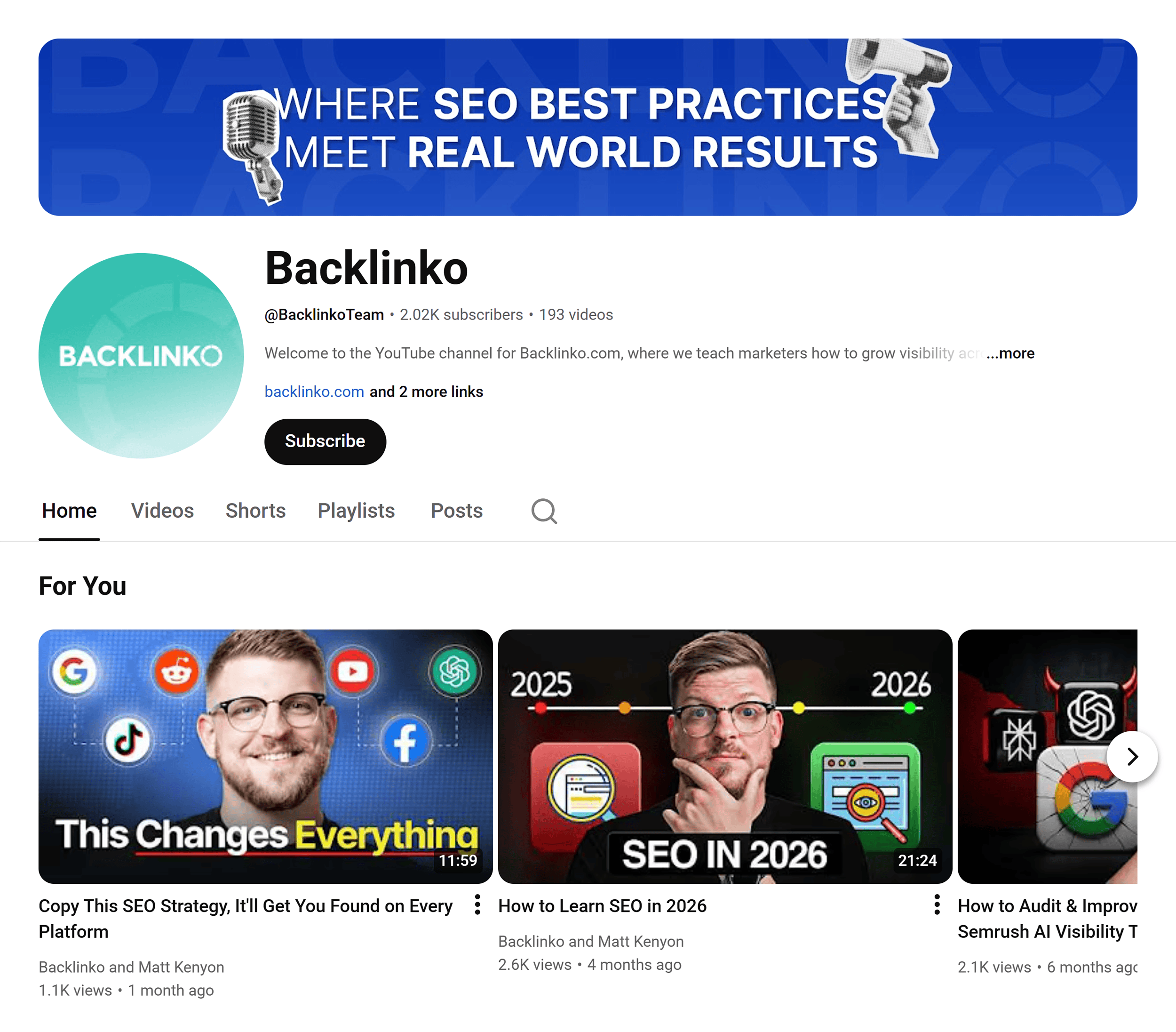
5. Lead with the Humans Behind Your Brand
Counteract the sea of generic AI content by putting real people at the forefront of your marketing. Whether it is a founder, an executive, or a subject matter expert, visible brand advocates should share distinct points of view on LinkedIn, YouTube, and industry podcasts. Ensure their professional profiles explicitly tie their personal brand back to your corporate identity.
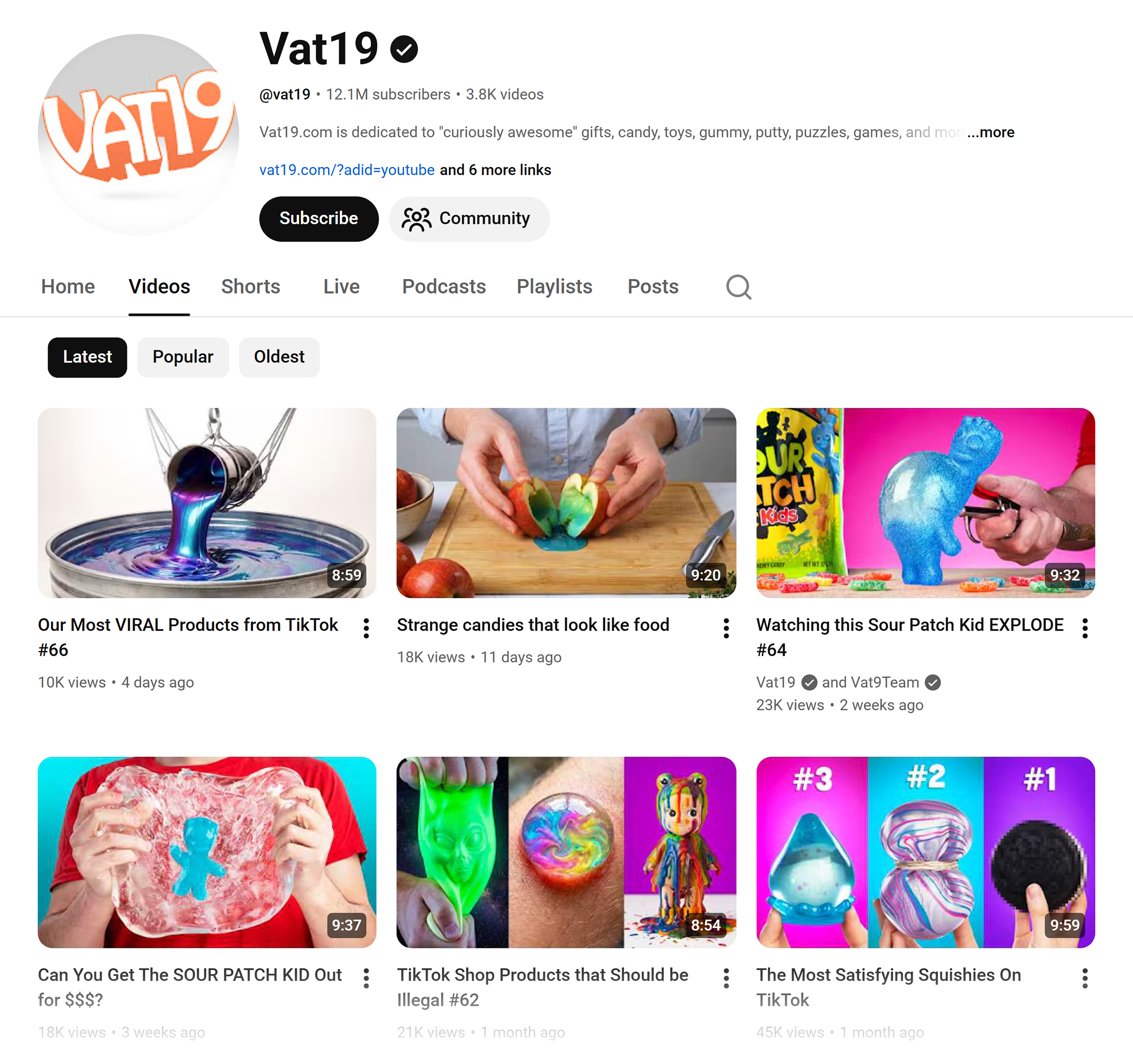
6. Build Active Visibility on Third-Party Sites
Much of the trust that drives traffic to your site is built on external platforms. Identify three to four niche communities—such as Reddit subreddits, specialized forums, or professional Slack groups—where your target audience gathers. Spend time observing community norms, then participate as a helpful, competent professional rather than an overt promoter.
7. Repurpose High-Performing Ideas Intentionally
Avoid the trap of endless, unfocused content creation. Instead, look at your analytics to find proven ideas that have already resonated with your audience. Expand those winning concepts across multiple formats—turning a comprehensive blog post into a visual slide deck, a newsletter, or a video script—while leveraging AI execution tools to accelerate the process without sacrificing quality.
Note: Backlinko is owned by Semrush. The organization remains dedicated to delivering world-class SEO insights backed by rigorous, hands-on industry experience.