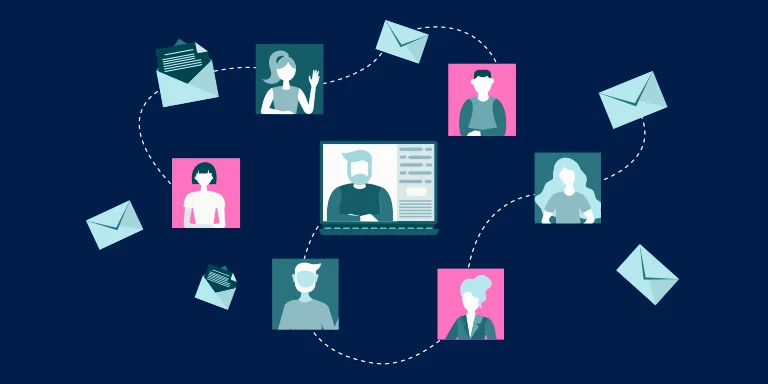
In the hyper-competitive landscape of modern digital commerce, the battle for consumer attention has traditionally been fought over algorithms, ad spend, and conversion rates. For years, digital marketers treated the email inbox as a digital storefront window—a direct pipeline designed to push promotional flyers, flash sales, and automated cart-abandonment reminders.
However, a quiet paradigm shift is underway across the e-commerce sector. The brands achieving durable, long-term success are realizing a fundamental truth: while traditional email programs are exceptional at driving short-term transactions, they are fundamentally incomplete. The ultimate goal of modern email marketing is no longer just converting subscribers into paying customers; it is about converting those customers into deeply connected brand advocates who feel a genuine sense of belonging.
Main Facts: Redefining the Inbox Experience
The core thesis of modern digital relationship-building rests on a simple distinction: the difference between a static contact list and a dynamic community.
- The Transactional Trap: Traditional email campaigns rely heavily on automated funnels—welcome sequences, browse abandonment, post-purchase follow-ups, and win-back campaigns. While essential for operational infrastructure, focusing solely on these touchpoints treats the subscriber as a passive recipient rather than an active participant.
- The Algorithmic Advantage: Unlike social media channels governed by unpredictable, pay-to-play algorithms and crowded sidebars, email offers unmediated, direct access to a consumer’s undivided attention.
- The Community Blueprint: Brands that successfully leverage email for community building treat the inbox as a relationship channel first and a revenue channel second. They recognize that a strong emotional connection is what ultimately drives repeatable, organic revenue.
Chronology: The Evolution of E-Commerce Email Strategy
To understand how email marketing reached this crucial crossroads, it helps to examine its operational evolution over the past two decades.
Era 1: The Mass-Blast Wild West (Early 2000s – 2010s)
In the early days of e-commerce, email marketing was defined by volume. Brands deployed generalized, one-size-fits-all newsletters to massive lists. Success was measured primarily by delivery rates and sheer broadcast frequency. As inboxes became overcrowded, consumer fatigue set in, leading to plummeting engagement and the widespread adoption of aggressive spam filters.
Era 2: The Hyper-Automation Boom (2010s – 2020s)
Marketers responded to fatigue with precision technology. Advanced Customer Relationship Management (CRM) tools and behavioral tracking introduced complex automation workflows. Emails were triggered by specific user actions—clicking a link, viewing an item, or abandoning a cart. While this dramatically improved conversion metrics, it also sterilized the medium, turning the inbox into a relentless machine of automated sales pitches.
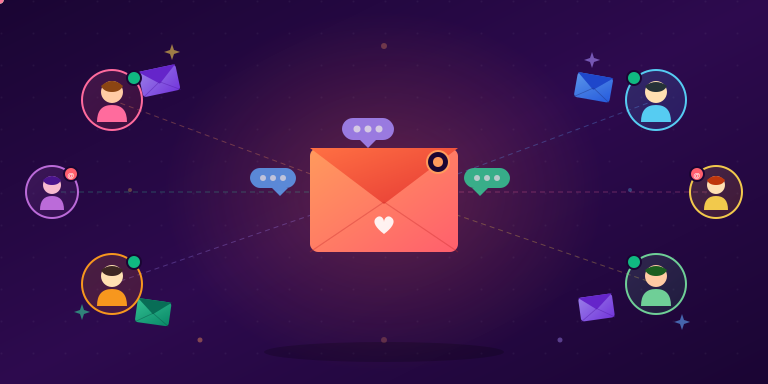
Era 3: The Era of Authenticity and Belonging (Present)
Today, consumers are increasingly immune to slick, heavily produced marketing automation. Ad-blockers, privacy regulations, and banner blindness have forced brands to rethink their strategies. Leading e-commerce pioneers are pivoting away from sterile, corporate broadcast messaging toward intimate, human-centric, and conversational communication. The inbox is reclaiming its original purpose: a space for personal, peer-to-peer connection.
Supporting Data and Strategic Pillars
Building a community-driven email program requires a deliberate departure from standard copywriting playbooks. Industry insights highlight four foundational pillars that separate transactional lists from engaged communities:
1. Cultivating the "Insider" Experience
Subscribers do not need elaborate loyalty programs or gated membership portals to feel valued; they need transparency. Brands can foster inclusion by shifting their narrative framing:
- Instead of merely announcing a product launch, share the developmental journey—the original problem being solved, the failures encountered in early prototypes, and the rationale behind final design choices.
- Give subscribers early access to sales or content before it goes live to the general public or social media feeds.
- Spotlight behind-the-scenes milestones, such as supplier visits, operational challenges, and manufacturing decisions, allowing customers to feel a shared sense of investment in the brand’s growth.
2. Shifting from Monologue to Dialogue
Traditional email programs operate strictly as a one-way broadcast. Community-building, by contrast, requires active listening.
- Incorporate open-ended questions at the conclusion of emails (e.g., "What is the primary hurdle you are currently facing with this process?" or "What product would you like to see us develop next?").
- Dedicate resources to reading and responding to replies personally. While scaling personalized replies to tens of thousands of subscribers is impractical, initiating genuine conversations with even a handful of respondents yields disproportionate loyalty.
3. Developing a Distinct, Recognizable Voice
Identity serves as the gravitational pull for any community. If a brand’s emails could easily be swapped with a competitor’s logo without changing the tone, the messaging lacks a distinct point of view.
- Establishing a consistent voice means clearly defining what the brand believes in, what industry norms it pushes back against, and what values it prioritizes above short-term sales.
- Whether the email is a promotional announcement or a purely informational update, the underlying tone should remain steadfastly human and recognizable from the very first sentence.
4. Tracking Community Metrics Beyond Revenue
Standard analytics—such as open rates and click-through rates—only tell part of the story. Brands focused on community monitor alternative key performance indicators (KPIs) to gauge true engagement:
- Reply Rates: Measuring whether subscribers feel comfortable engaging in a two-way conversation.
- Forward Rates: Tracking how often readers share content with peers, signaling genuine brand endorsement.
- Referral-Driven List Growth: Monitoring how many new subscribers arrive organically through word-of-mouth.
- Unsubscribe Patterns: Evaluating spikes after promotional pushes versus the steady retention seen in content-led communications.
Official Perspectives and Industry Implications
Industry experts emphasize that transitioning toward community-centric email marketing requires a cultural mindset shift within executive leadership. Founders must break the addiction to immediate, short-term attribution models in favor of long-term brand equity.
Sharon Atefi, a prominent PR, talent, and brand partnerships professional, notes that sustainable entrepreneurial growth is rooted in human connection. "Entrepreneurs often get so caught up in metrics and funnels that they forget there are real people on the receiving end of their messages," Atefi observes. "When you prioritize writing, listening, and connecting over aggressive selling, you create an environment where customers naturally want to support your journey."
Furthermore, software platforms are rapidly adapting to this shift. Modern email infrastructure providers—such as Omnisend—have evolved beyond basic automation tools. By integrating advanced segmentation capabilities, behavioral analytics, and streamlined campaign management, these platforms enable brands to automate the heavy lifting of transactional workflows. This frees up founders and marketing teams to focus on what matters most: crafting resonant, human-to-human narratives.
Implications for the Future of E-Commerce
The implications of this shift are profound for businesses of all sizes.
- Democratization of Scale: Small-to-medium enterprises (SMEs) no longer need massive marketing budgets to compete with enterprise giants. By leaning into authentic storytelling and founder-led communication, smaller brands can forge emotional bonds that massive corporations struggle to replicate.
- Resilience Against Rising Ad Costs: As paid acquisition costs across social media platforms continue to escalate, owned media channels like email become vital financial lifelines. A community-backed email list acts as a shock absorber against market volatility.
- Enhanced Customer Lifetime Value (LTV): Consumers who feel a sense of belonging exhibit higher retention rates, lower churn, higher average order values (AOV), and significantly higher tolerance for pricing adjustments or supply chain delays.
Conclusion
Ultimately, the most successful e-commerce email programs are not defined by the sophistication of their tech stacks or the sheer volume of their send frequencies. They are defined by a foundational respect for the recipient.
By treating subscribers as active participants rather than passive entries on a spreadsheet, brands can cultivate spaces of genuine connection within the inbox. As the digital landscape continues to saturate, the companies that survive—and thrive—will be those that understand a simple, timeless truth: people don’t just buy products; they buy into stories, values, and communities.