Main Facts
The 2026 MTV Video Music Awards delivered a seismic victory for CBS, network television, and the live-event entertainment industry. Powered by an unbeatable combination of pop royalty, strategic scheduling, viral social media moments, and an aggressive, innovative commercial strategy, Sunday night’s ceremony at Los Angeles’ Peacock Theater achieved a staggering 11-year viewership high.
According to Nielsen fast national numbers, the broadcast pulled in 8.4 million total viewers, representing an extraordinary 51% year-over-year increase from the 5.5 million viewers who tuned into the 2025 telecast. This dramatic surge proves that, contrary to conventional wisdom regarding the decline of linear television, high-concept cultural events driven by powerhouse fandoms and legendary performances can still command massive, unified audiences.
The triumphs extended far beyond total headcounts. The show posted dominant numbers across crucial demographic categories, with all audience demos jumping 30% compared to the previous year. Most notably, the telecast captured 3.55 million viewers in the prized Adults 25–54 demographic, marking the most-watched VMAs for that key advertising cohort since 2019.
This historic rebound occurred despite a high-stakes curveball: scheduling conflicts stemming from a major NFL matchup between the Dallas Cowboys and the Baltimore Ravens, broadcast live from Rio de Janeiro, Brazil. Even with massive sports competition vying for eyeballs, the VMAs held their ground, proving that pop culture juggernauts can successfully share Sunday night real estate with premier sports programming.
The night’s success was anchored by a masterclass in event programming. Pop superstar Taylor Swift added to her historic legacy by winning Video of the Year and accepting the inaugural MTV VMA Artist Director Honors. Meanwhile, the legendary Madonna commanded the stage with a show-stopping opening performance—her first appearance at the VMAs in 23 years—which featured surprise collaborations with contemporary hitmakers Sabrina Carpenter and Charli XCX. Guiding the star-studded chaos was host Snoop Dogg, whose signature charm tied the evening together.
Beyond the broadcast metrics, the 2026 VMAs proved to be a dominant force in the digital and commercial space. The event generated 31.1 million social interactions and accumulated 159 million video views, a stellar 8% increase in video engagement over the previous year. Commercially, the telecast shattered expectations, proving that linear and connected TV (CTV) can successfully merge creative brand storytelling into live-event broadcasts without alienating viewers.
Chronology
To understand how the 2026 VMAs achieved this monumental success, it is helpful to look at the timeline of events, preparations, and broadcast milestones that shaped the evening.
Months Leading Up to the Event: The Commercial Blitz
Paramount Media Labs and the CBS advertising sales teams began laying the groundwork for the 2026 telecast months in advance. Recognizing a shifting media landscape, Paramount adopted an exceptionally flexible sales strategy. While linear advertising inventory sold out ahead of schedule, the network kept digital integration doors open right up until curtain time. This strategy paid off handsomely, securing a roster of major sponsors that included Bacardi Rum, Under Armour, The General, Spotify, and Credit Karma. Furthermore, Paramount successfully onboarded 20 brands entirely new to the VMAs, alongside four brands making their debut on CBS.
Weeks Prior: The Hype Cycle and Anticipation
As September approached, anticipation hit a fever pitch with rumors of Madonna’s return to the VMA stage after more than two decades. Social media speculation also swirled around Taylor Swift’s inevitable presence and potential category domination, driving early conversation metrics sky-high across TikTok, X (formerly Twitter), and Instagram.
Sunday Afternoon: The NFL Factor and Pre-Show Jitters
The afternoon of the broadcast presented an unusual scheduling hurdle: an international NFL showdown between the Dallas Cowboys and the Baltimore Ravens broadcast live from Rio de Janeiro, Brazil. Industry analysts wondered if sports fans would stay tuned to football well into the evening, potentially eating into the crucial red carpet and early broadcast window of the VMAs. However, as the game concluded and audiences transitioned channels, the migration heavily favored CBS.
8:00 PM EST / 5:00 PM PST: The Curtain Rises
The show kicked off with an electric jolt as Madonna took the Peacock Theater stage for her first VMAs performance in 23 years. Joined by Sabrina Carpenter and Charli XCX, the multi-generational performance instantly dominated global social feeds, establishing a high-energy baseline for the rest of the night.
Throughout the Broadcast: Narrative Unfolding and Brand Integration
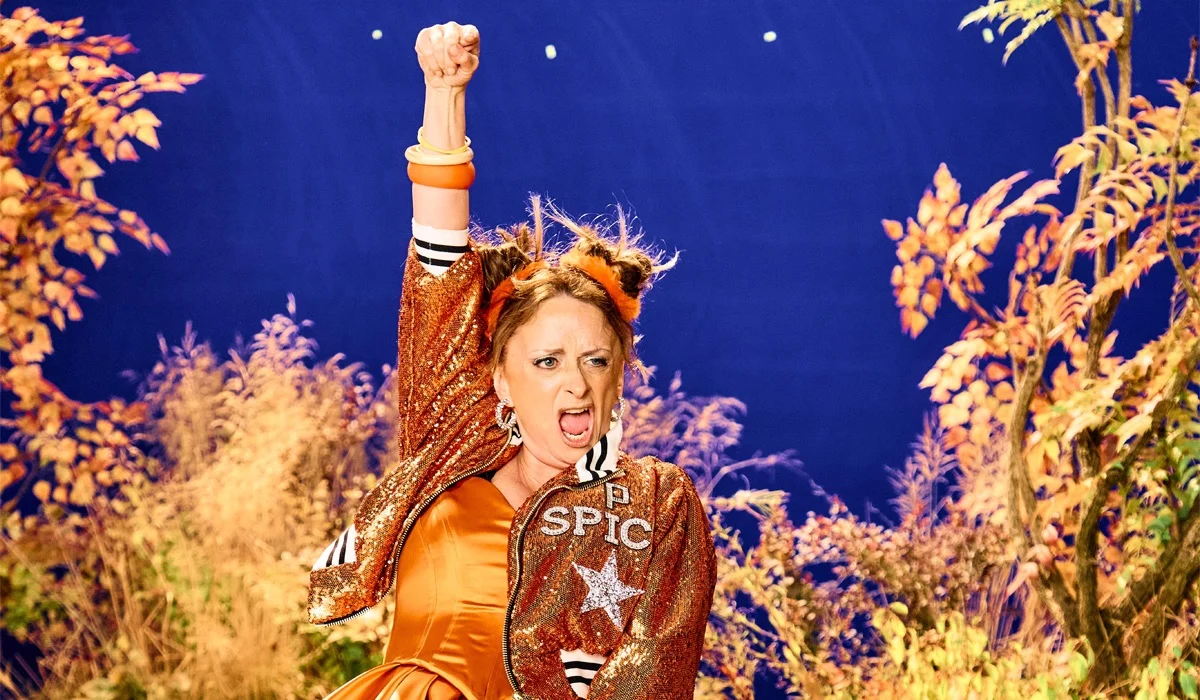
As host Snoop Dogg kept the pacing tight and comedic, awards were distributed amidst major commercial milestones. Rather than traditional, jarring ad breaks, viewers were treated to seamless branded entertainment. This included a recurring Dunkin’ sketch featuring comedic actress Rachel Dratch as her newly minted, lost Spice Girl persona, "Pumpkin Spice," which was woven into the broadcast at multiple strategic points.
Late Night: Social Media Dominance and Post-Show Metrics
As the ceremony concluded with Taylor Swift accepting the inaugural MTV VMA Artist Director Honors and taking home Video of the Year, the digital ecosystem exploded. Real-time clips, reaction memes, and performance highlights pushed video views past 159 million, cementing the night as a viral powerhouse long after the live broadcast signed off.

Supporting Data
A closer examination of the numbers reveals the true scale of the 2026 VMAs’ triumph across television ratings, digital engagement, and commercial partnerships:
- Total Viewership: 8.4 million viewers via Nielsen fast national numbers, representing an 11-year high for the franchise.
- Year-Over-Year Growth: A massive 51% surge compared to the 2025 telecast’s 5.5 million viewers.
- Key Demographic Peak: 3.55 million viewers in the Adults 25–54 (A25-54) demographic—the highest total for this crucial ad-buying cohort since 2019.
- Broad Demographic Lift: All audience demographics experienced a uniform 30% increase compared to the previous year.
- Social Media Footprint: 31.1 million total interactions across major social platforms.
- Video Consumption: 159 million video views, reflecting an 8% increase over 2025 levels.
- Branded Content Assets: Paramount Media Labs created 116 bespoke branded content assets for the evening.
- Integrated Commercial Time: A total of 8 minutes of dedicated branded content woven directly into the telecast.
- Advertiser Acquisition: 20 brands participating in the VMAs for the very first time, alongside 4 brands completely new to CBS ad inventory.
Official Responses and Industry Insights
The historic performance of the 2026 VMAs has triggered widespread commentary from media executives, advertising analysts, and network leaders regarding the evolving state of entertainment television.
Industry observers have pointed out that the strategic integration of beloved legacy acts like Madonna alongside modern powerhouses like Taylor Swift, Sabrina Carpenter, and Charli XCX created a tentpole viewing experience that simply cannot be replicated by on-demand streaming algorithms. By positioning the VMAs as an unmissable, culturally vital live event, CBS and Paramount successfully lured cord-cutters back to traditional linear viewing while simultaneously feeding the digital beast with snackable social media clips.
On the advertising front, media buyers and network executives have lauded the success of Paramount Media Labs’ immersive commercial strategy. By moving away from standard, skippable 30-second spots and toward fully integrated branded moments—such as the Dunkin’ sketch starring Rachel Dratch—advertisers achieved unprecedented consumer engagement.
"The modern television viewer has zero tolerance for disruptive advertising, yet brands are more eager than ever to attach themselves to cultural lightning rods," noted one media strategist following the event. "What Paramount achieved at the 2026 VMAs demonstrates that when you give brands the space to be genuinely entertaining and native to the broadcast, audiences don’t tune out—they lean in."
Furthermore, the willingness of Paramount to leave digital advertising opportunities open up until curtain time—even after linear inventory was completely sold out—proved to be a masterstroke in capturing late-breaking ad dollars from brands desperate to hitch their wagons to the surging ratings train.
Implications
The runaway success of the 2026 MTV Video Music Awards carries profound implications for the future of television broadcasting, live-event production, and brand marketing strategies.
1. The Resurgence of the Live Tentpole Event
For years, linear television has grappled with declining ratings driven by the streaming exodus. However, the 51% year-over-year ratings spike proves that event television is not dead—it has simply evolved. When networks combine high-profile musical collaborations, genuine pop-culture history-making moments (such as Madonna’s return), and powerhouse fandom catalysts like Taylor Swift, audiences will synchronize their schedules to watch live. This success serves as a blueprint for other legacy award shows and live entertainment broadcasts struggling to maintain cultural relevance.
2. The Evolution of CTV and Native Brand Integration
The seamless blending of 8 minutes of branded content and 116 bespoke assets signals a permanent shift in how brands buy television inventory. Traditional commercial breaks are rapidly losing efficacy as viewers multitask or fast-forward through recordings. By embedding brands directly into the comedic and narrative fabric of the show—exemplified by the Dunkin’ and Rachel Dratch collaboration—marketers can achieve higher retention and positive brand association. As Connected TV (CTV) continues to dominate media consumption, the strategies pioneered by Paramount Media Labs at the 2026 VMAs will likely become the industry standard.
3. Mitigating Sports Competition through Cultural Dominance
The ability of the VMAs to draw 8.4 million viewers despite direct competition from an international NFL matchup dispels the myth that sports completely cannibalize entertainment viewing. Instead, it highlights the power of counter-programming. While sports fans occupied themselves with football in Rio de Janeiro, a massive, distinct demographic leaned into the pop-cultural spectacle in Los Angeles. This suggests that networks can successfully coexist with major sporting events if their counter-programming is culturally urgent enough to demand appointment viewing.
4. A Template for Future Sales Flexibility
Paramount’s dual approach of selling out linear inventory early while keeping digital and social integration windows open until the final hour has established a new financial model for live broadcasts. Advertisers today demand agility. By accommodating brands at the eleventh hour through digital touchpoints, networks can capture untapped marketing budgets that would otherwise be left on the table.
Ultimately, the 2026 VMAs will be remembered not just as a night of glittering performances and well-deserved accolades, but as a watershed moment that proved linear television, social media virality, and innovative brand partnerships can harmoniously drive unprecedented commercial and cultural success.