In a significant move to reclaim creators from proprietary walled gardens, Automattic has rolled out a native, fully integrated podcasting suite across Jetpack and WordPress.com. The launch bridges a long-standing gap in the open-source WordPress ecosystem, allowing podcasters to manage their audio feeds, newsletters, blogs, and social distribution from a single, self-hosted or managed dashboard.
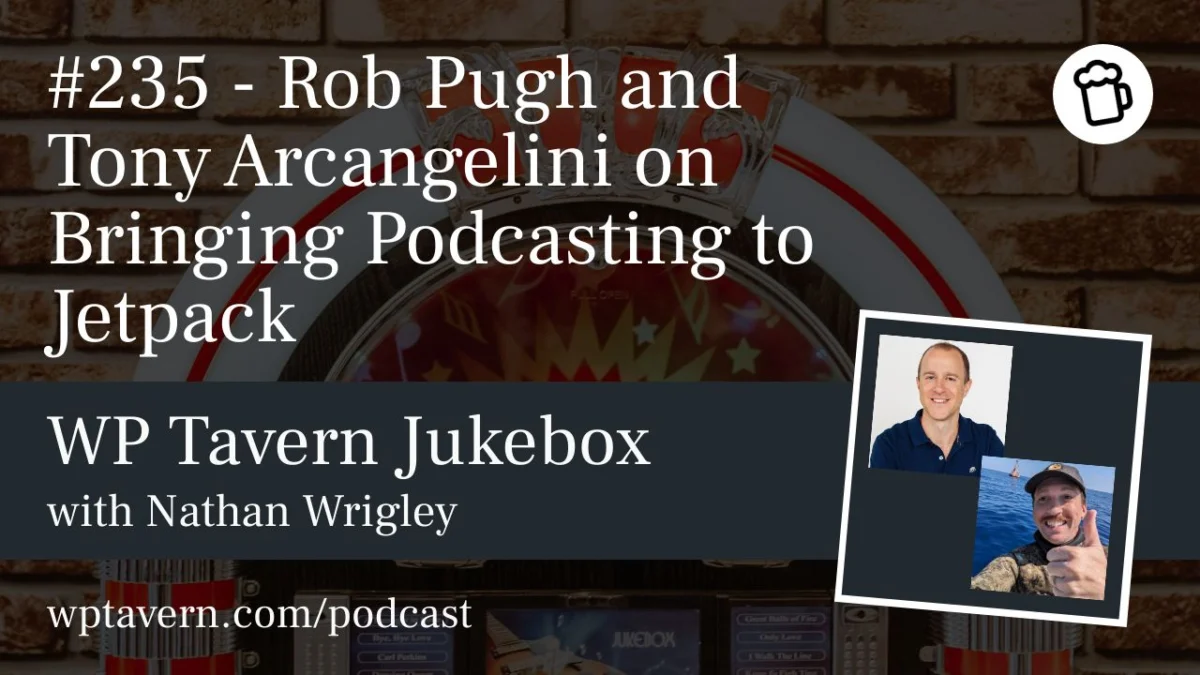
Long-time Automattic team members Rob Pugh and Tony Arcangelini recently joined the WP Tavern Jukebox Podcast to discuss the architectural and philosophical motivations behind the new feature. They detailed how the tools empower creators to maintain absolute ownership of their data while streamlining the historically fragmented process of launching and growing a show.
Main Facts: What is the New Jetpack Podcasting Suite?
The newly released functionality shifts podcasting from an afterthought or a reliance on third-party plugins into a core, native capability of Jetpack and WordPress.com.
- Unified Content Management: Creators can publish audio or video files directly into standard WordPress posts, which are then designated as podcast episodes via a simple category tag.
- Ecosystem Synergy: Publishing an episode can automatically trigger an email newsletter to subscribers, generate automated social media posts, and update the site’s RSS feed.
- Direct Distribution: The platform features streamlined submission workflows for major podcast networks, including a one-click direct integration with Pocket Casts, alongside built-in analytics tracking for Apple Podcasts, Spotify, and more.
- Cost Structure: Automattic offers the core features—including unlimited podcasting, unlimited newsletter sends, and RSS feed generation—on its generous free tiers, with advanced features, stats, and audio hosting tied to upgraded plans.
Chronology: From WordPress.com Basics to Jetpack Integration
While WordPress has been the foundational home for independent podcasters for nearly two decades, the journey to a unified, native toolset has been incremental.
- Early WordPress Podcasting: For years, podcasters relied on core blogging functionality combined with specialized third-party plugins (such as Seriously Simple Podcasting or PowerPress) to handle RSS enclosures and media players.
- WordPress.com’s Basic Offerings: Automattic previously offered a basic audio feature set exclusively on WordPress.com, allowing users to drag audio into posts and generate a rudimentary RSS feed. However, according to Tony Arcangelini, this system had grown outdated and lacked modern analytics and management tools.
- The Creator Wing Focus: Automattic expanded its internal focus on tools specifically tailored for creators—writers, musicians, podcasters, and video producers—prompting a complete overhaul of the audio experience.
- Jetpack Integration: Recognizing that self-hosted sites needed robust architectural support (particularly for cross-platform analytics and newsletter integration), the engineering team decided to port and greatly expand the feature set into Jetpack.
- Launch (Present Day): The feature is now fully live, supported by dedicated landing pages at
jetpack.com/podcastandwordpress.com/podcast, giving both self-hosted and managed users an out-of-the-box podcasting solution.
Supporting Data and Technical Architecture
The technical execution of the Jetpack podcasting suite is designed to simplify what was once a multi-step, tool-fragmented workflow.
How It Works Under the Hood
Creators do not need to deal with complex custom post types. The system utilizes standard WordPress posts. By assigning a designated category (e.g., "Podcast") and attaching an audio or video file via the specialized podcast episode block, the platform automatically parses the content for RSS inclusion.
[Standard WordPress Post]
       │
       ├──► Assigned to "Podcast" Category ──► Adds to RSS Feed & Podcast Apps
       ├──► Triggers Jetpack Newsletter ──► Delivers to Email Subscribers
       └──► Triggers Social Automation ──► Publishes to Social Channels
The dedicated block also supports advanced Podcasting 2.0 markup standards, enabling features like chapter markers. Furthermore, tight integration with Pocket Casts—an Automattic-owned property—allows for rapid, near-instantaneous directory approval and advanced features like automated transcriptions.
Distribution and Analytics
The dashboard includes a dedicated distribution tab tracking a show’s presence across six primary networks:
- Pocket Casts (Direct, one-click API integration)
- Apple Podcasts
- Spotify
- Amazon Music
- Podcast Index
- Other major aggregators
Analytics are aggregated directly into the Jetpack dashboard, offering creators clean, essential metrics regarding listener locations, top-performing episodes, and app-specific consumption share without overwhelming them with data bloat.
Official Responses: The Philosophy of Open Web Ownership
During their discussion on the WP Tavern Jukebox Podcast, Rob Pugh and Tony Arcangelini emphasized that the launch is as much a philosophical statement as it is a product release.
Rob Pugh contextualized the move within the broader historical cycles of the internet, noting a growing consumer and creator fatigue with centralized, VC-backed platforms.
"When social media started it was really exciting, and people ran [to it] and then saw some of the pitfalls, and they start coming back," Pugh explained. "And then recently… I loved Substack when it started. It was a space for some serious dialogue… And then over time, well, we need that VC money, and now it’s basically another social media site. And you realise, ‘Oh, I don’t really own my data, I just own a Substack, and how valuable is that?’"
Pugh stressed that while artificial intelligence and emerging tech trends are accelerating content cycles, the fundamental human desire for digital ownership remains unshakeable. WordPress provides an open foundation that protects creators from sudden algorithmic shifts or unfavorable monetization changes imposed by third-party monopolies.
"If you’re actually successful [on platforms like Substack], they take 10%… There’s people paying $10,000 a month to Substack," Pugh noted. "Like it’s a terrible deal and people feel stuck. WordPress even, WordPress.com, Jetpack—if you don’t like those rules, you can go to any of the other great podcast hosts, or plugins. You’re never locked in."
Tony Arcangelini echoed these sentiments from an engineering perspective, highlighting the convenience of bringing disparate media formats under one roof.
"Being able to put it alongside other features like newsletters… having this one episode that now spans across multiple different avenues to be consumed, is… a big benefit in putting it into Jetpack, as opposed to just dropping another plugin," Arcangelini said.
Implications for the Creator Economy
The introduction of native podcasting to Jetpack and WordPress.com carries several profound implications for independent creators, the WordPress plugin marketplace, and proprietary competitors.
1. Lowering the Barrier to Entry
Historically, launching a professional podcast required stitching together media hosting (such as Libsyn or Podbean), an RSS plugin, an email marketing tool (like Mailchimp or MailerLite), and a website builder. By consolidating media handling, RSS generation, email newsletters, and social sharing into a single publishing event, Automattic has dramatically lowered the technical friction for new creators.
2. Challenging Walled Gardens
Platforms like Substack and Patreon have successfully courted writers and audio creators by offering simple monetization and subscriber management. However, these platforms dictate the terms of engagement, surface arbitrary content updates (such as short-form video feeds), and extract significant revenue shares. Jetpack’s all-in-one approach offers a compelling alternative: the ease of a hosted platform paired with the ultimate flexibility of open-source software (including the ability to add WooCommerce for merchandise sales or custom themes for branding).
3. Impact on the WordPress Plugin Ecosystem
While independent podcasting plugins have long served the WordPress community, the inclusion of a polished, Automattic-backed solution inside Jetpack will likely raise user expectations for native integration. However, because WordPress remains an open ecosystem, creators retain the freedom to migrate their RSS feeds and content to any host or plugin of their choosing at any time.
4. The Future of Multimodal Content
As video and audio continue to converge—exemplified by features like Pocket Casts’ cross-device video handoff—the ability of Jetpack and VideoPress to handle both mediums within the WordPress dashboard positions Automattic well for the next evolution of digital storytelling.
Getting Started
Creators looking to explore the new functionality can visit jetpack.com/podcast for self-hosted sites or wordpress.com/podcast for managed hosting solutions to set up their shows, configure distribution, and publish their first unified episodes.