The landscape of retail has undergone a radical transformation over the past decade, and at the heart of this digital revolution sits dropshipping. Once viewed as an obscure internet hack for quick cash, it has matured into a multi-billion-dollar global e-commerce pillar. Yet, as millions of entrepreneurs flood the market, a persistent question dominates online forums, entrepreneurial podcasts, and startup incubators: Does dropshipping still work in 2025?
Skeptics are quick to point to market saturation, aggressive ad pricing, and cutthroat competition as evidence that the golden era of dropshipping has passed. However, industry insiders argue a more nuanced truth. While the "easy money" era of slapping a generic product onto a poorly designed Shopify store is dead, dropshipping remains deeply profitable for those equipped with modern frameworks, calculated strategies, and an authentic commitment to brand-building.
Main Facts: The Reality of Modern Dropshipping
To understand the current state of dropshipping, one must first separate the myths from reality. Dropshipping is a retail fulfillment method where a store doesn’t keep the products it sells in stock. Instead, when a store sells a product using the dropshipping model, it purchases the item from a third party—usually a wholesaler or manufacturer—who then ships the product directly to the customer.
The core appeal of this business model remains unchanged: low overhead costs, zero inventory management, and the ability to operate from anywhere with an internet connection.
However, the operating environment in 2025 is starkly different from years past. The barriers to entry are virtually non-existent, leading to unprecedented competition. A walk through digital nomad hubs like Bali reveals that a staggering number of remote workers are trying their hand at e-commerce. This saturation has forced a structural evolution in the industry. Generic general stores are routinely outcompeted by hyper-focused, brand-driven ecosystems. Success today requires a sophisticated grasp of digital marketing, supply chain logistics, and customer psychology.

Chronology: The Evolution of a Digital Fulfillment Giant
To appreciate where dropshipping stands today, it is helpful to look back at how the industry matured:
- The Wild West Era (Early 2010s): Characterized by simple websites, unbranded packaging, and arbitrage-heavy pricing. Early adopters capitalized on the lag in consumer awareness and cheap Facebook ad space.
- The Shopify Boom (Mid-to-Late 2010s): The mainstreaming of platforms like Shopify and Oberlo democratized store creation. Dropshipping exploded into the mainstream, accompanied by widespread stories of overnight millionaires.
- The Trust Crisis (2020–2022): Global supply chain disruptions, extended shipping times from overseas suppliers, and poor customer service practices led to a backlash. Consumers grew wary of faceless web shops, demanding faster fulfillment and higher standards.
- The Modern Brand Era (2023–Present): Dropshipping has merged with legitimate brand-building. Entrepreneurs now focus on curated product lines, fast-shipping domestic suppliers, influencer partnerships, and localized customer experiences, bridging the gap between traditional retail and digital dropshipping.
Supporting Data and Market Dynamics
Despite the noise surrounding market saturation, macroeconomic data indicates that global e-commerce continues to expand at a staggering pace, pulling the dropshipping sector up with it.
- Market Growth: The global dropshipping market size continues to scale upward, projected to cross hundreds of billions of dollars over the decade as internet penetration deepens in developing economies and online shopping becomes the default consumer behavior worldwide.
- Consumer Shift: Modern consumers care less about who holds the inventory and more about the speed of delivery, product presentation, and customer support. Stores that solve these pain points routinely outperform legacy retailers in agility and product testing.
- Advertising Realities: While platforms like Meta, TikTok, and Google remain primary customer acquisition engines, rising ad costs mean profit margins are tighter. Successful stores now balance paid traffic with organic social media content and creator marketing to keep customer acquisition costs (CAC) sustainable.
Strategic Blueprint: How to Build a Profitable Dropshipping Business in 2025
For those looking to enter the space or pivot an existing store, building a resilient dropshipping operation requires a systematic, step-by-step approach.
1. Choose Your Business Model Wisely
Your first major decision is determining how your store will position itself in the market:
- The Niche Store: Focuses on a specific category serving a fiercely loyal community (e.g., sustainable pet accessories). This model builds deep trust and commands higher profit margins.
- The One-Product Store: Centers entirely on a single, high-impact problem-solving product. Highly effective for fast-paced social media marketing campaigns.
- The General Store: Appeals to a broad audience. While it offers maximum flexibility, it demands a massive marketing budget to cut through heavy competition.
2. Rigorous Niche and Market Research
Never guess what people want to buy. Leverage data-driven tools like TikTok Creative Center, Instagram Reels, Amazon Best Sellers, and Google Trends to identify emerging consumer desires and competitor gaps.

Evaluate your potential profit margins early. If shipping fees and ad costs eat up your entire markup, the business model is a non-starter. Ensure that your chosen products can scale smoothly without triggering catastrophic logistics failures.
3. Secure Reliable Suppliers
Your business is only as good as your fulfillment partner. Poor product quality or delayed shipping will destroy your brand reputation faster than any marketing campaign can build it.
- Explore established sourcing platforms like DSers, Zendrop, CJ Dropshipping, and Spocket.
- If you plan to sell on Amazon, adhere strictly to their guidelines, utilizing vetted wholesale and supplier lists.
- Crucial Step: Always order physical samples. Test the delivery speed, packaging quality, and overall unboxing experience before offering the product to the public.
4. Build Your Storefront on the Right Platform
Decide whether you want to build an independent brand or leverage an existing marketplace:
- Shopify: Grants you absolute creative control over your branding, design, and customer data, though you must drive your own traffic.
- Amazon: Puts your products in front of millions of ready-to-buy shoppers instantly, but comes with stiff platform fees, strict policy enforcement, and intense competition.
5. Address the Legal and Administrative Foundations
Operating a legitimate business requires getting the operational "boring bits" right. Set up formal business structures such as an LLC or sole proprietorship, secure basic liability insurance, and clearly draft transparent shipping, return, and refund policies. Clear documentation protects your business from chargeback fraud and builds baseline consumer trust.
6. Optimize for Conversion and User Experience
Transforming visitors into buyers requires meticulous on-site optimization. Write compelling, SEO-friendly product descriptions that focus on benefits rather than features. For instance, instead of merely stating a vacuum’s suction power, highlight how effortlessly it removes stubborn pet hair from carpets.
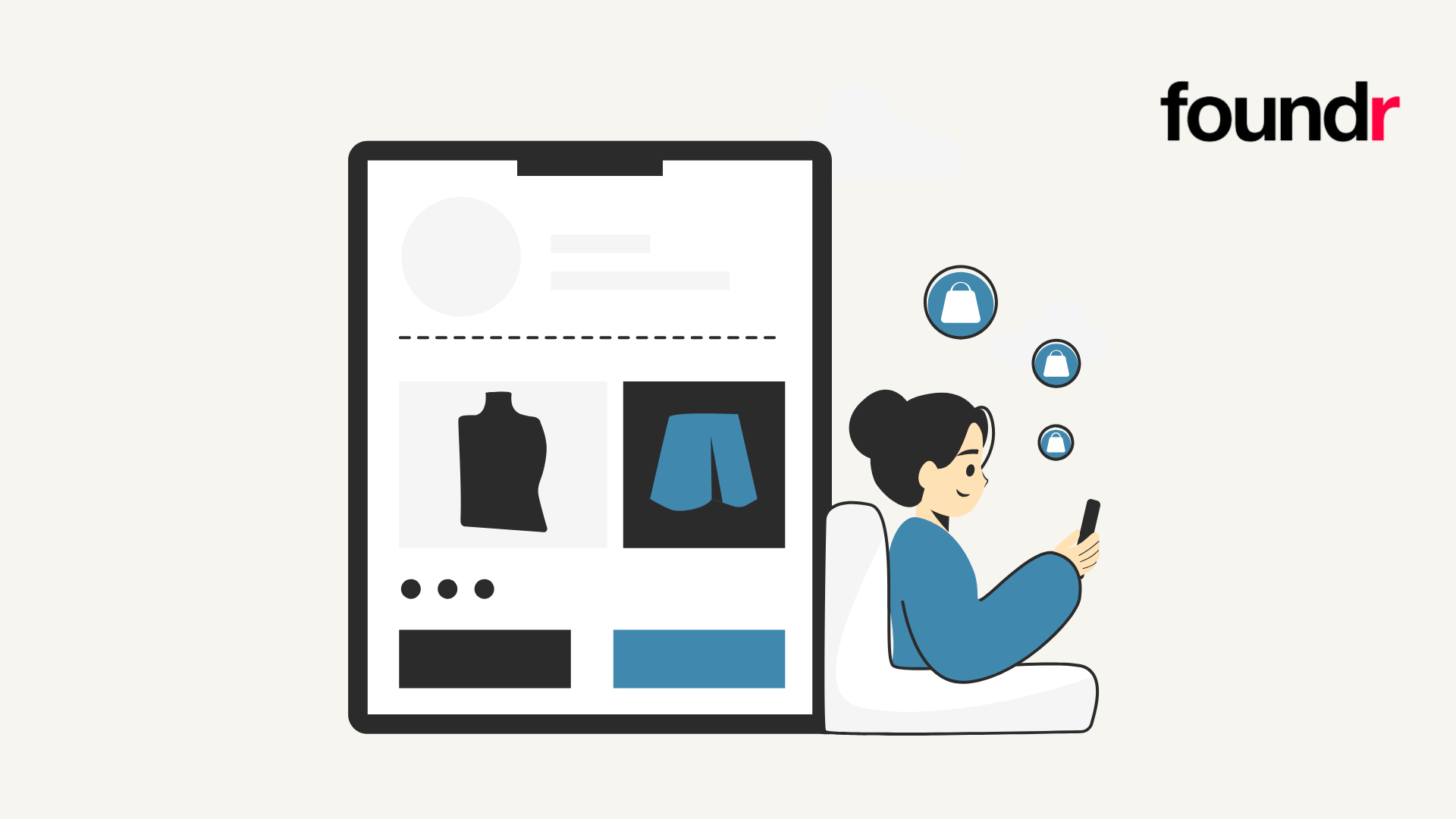
Enhance your site with high-resolution imagery, user-generated content, customer reviews, and subtle urgency triggers like low-stock alerts.
7. Launch Omnichannel Marketing Campaigns
Get your brand in front of targeted audiences through a mix of organic and paid channels. Build email marketing funnels early to capture leads with pop-ups and exclusive discounts. Collaborate with micro and macro-influencers within your specific niche to build authentic social proof and drive high-converting traffic.
Expert Tips for Long-Term Success
Seasoned e-commerce entrepreneurs emphasize that dropshipping is not a passive income vehicle. Those treating it as a get-rich-quick scheme invariably fail.
- Invest in Branding Early: Utilize freelance platforms like Fiverr to secure a professional logo, establish a cohesive color palette, and craft a compelling brand story. Trust signals—such as detailed FAQs, verified reviews, and real product photos—are non-negotiable.
- Scale Ads Methodically: Avoid burning capital on massive ad budgets right out of the gate. Test small, analyze your data, identify winning ad sets, and only scale spending on campaigns demonstrating a positive Return on Ad Spend (ROAS).
- Embrace Continuous Learning: E-commerce evolves at breakneck speed. Staying ahead requires continuous education, networking with active founders, and adapting to shifting platform algorithms and consumer habits.
Implications: The Future of E-Commerce
The maturation of dropshipping signals a broader shift in global retail. The lines between traditional manufacturing, wholesale, and direct-to-consumer (DTC) brands continue to blur. As logistics technology improves and AI-driven personalization tools become standard, dropshippers who pivot toward localized fulfillment, private labeling, and exceptional customer service will thrive.
Ultimately, dropshipping in 2025 is less about exploiting loopholes and more about building agile, modern retail brands that solve real consumer problems. For driven entrepreneurs willing to treat their enterprise like a serious business, the opportunities are greater than ever.