In the rapidly shifting landscape of digital publishing, few events have been as disruptive as Google’s Helpful Content Update (HCU). For thousands of creators, it marked the end of an era defined by traffic-chasing, ad-revenue-dependent business models. However, for travel entrepreneur Denise Cruz, the HCU was not a career-ending catastrophe; it was the catalyst for a radical, highly lucrative reinvention.
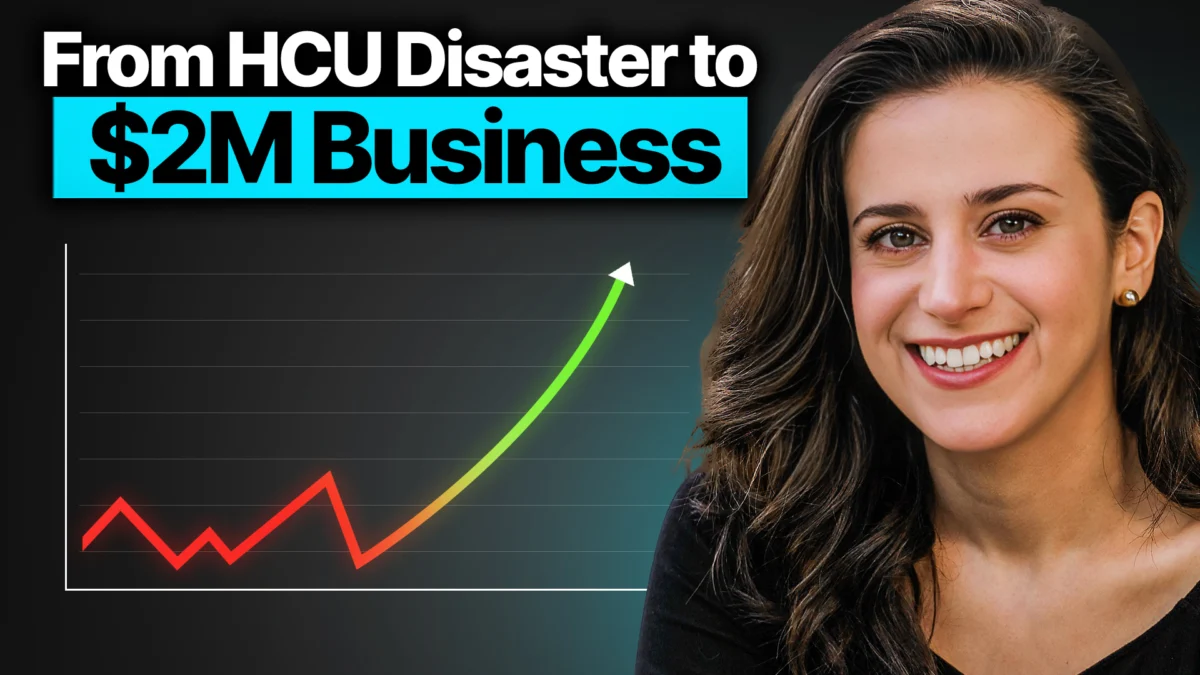
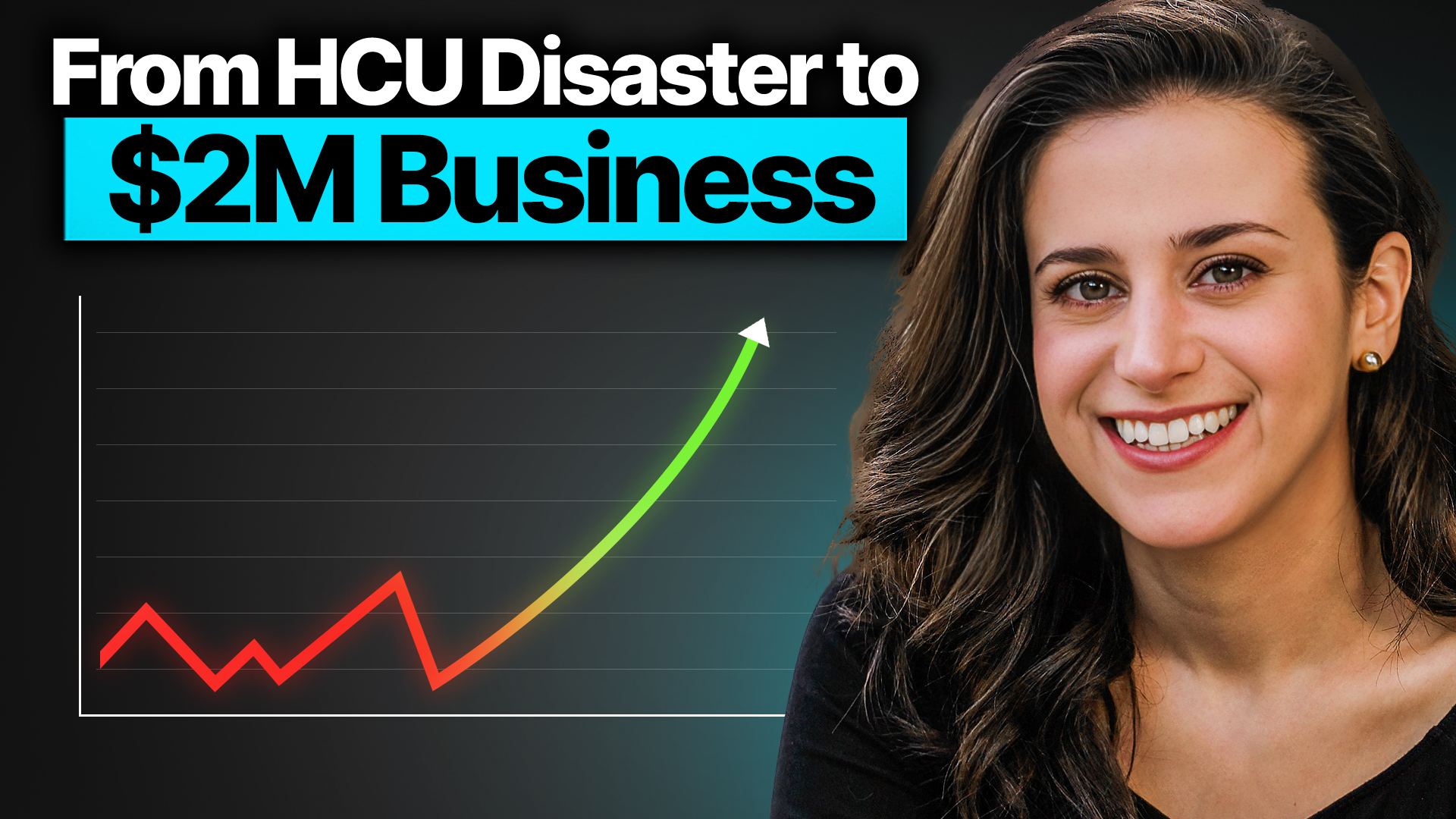
In a recent episode of the Niche Pursuits podcast, Cruz shares her journey from being a successful travel blogger whose traffic plummeted overnight to becoming the architect of a travel advisory brand that now generates nearly $2 million in annual commissionable sales. Her story serves as a masterclass in pivoting—proving that when the algorithm changes, the smartest move is not to fight for lost traffic, but to monetize your expertise through high-value service.
The Pre-Crash Reality: The Vulnerability of the Ad-Revenue Model
Before the HCU, Denise Cruz was, by all conventional metrics, a "winning" publisher. She managed multiple travel websites, with her primary assets boasting healthy traffic—one site consistently drawing 75,000 monthly visitors, and another oscillating between 50,000 and 60,000. Combined, these properties generated approximately $6,000 per month.
The business model was classic: create high-quality, SEO-optimized content, capture organic search traffic, and monetize through display advertising and affiliate marketing. It was a model that relied almost exclusively on Google’s favor. When the HCU hit, the dependency became a fatal flaw. As rankings evaporated, so did the revenue, forcing Cruz to confront an existential question: Was she in the business of travel, or was she merely in the business of traffic?
Chronology of a Pivot: Moving from Content to Commerce
The speed of Cruz’s transition is perhaps the most impressive aspect of her story. Unlike many publishers who spent months paralyzed by the loss of their primary income stream, Cruz acted with clinical efficiency.
Phase 1: The "Backup" Plan Takes Center Stage
Prior to the traffic collapse, Cruz had already taken preliminary steps to become a travel advisor through a host agency. At the time, it was an insurance policy—a side project she intended to scale slowly. When the HCU decimated her ad revenue, that "backup" plan became an immediate necessity.
Phase 2: Reframing the Website
Instead of attempting to rebuild her audience through high-volume, low-intent content, Cruz completely overhauled her digital presence. She pivoted her website from a blog-style layout to a professional service-based agency site. The focus shifted from "How to pack for Paris" to "How I can book your luxury cruise."
Phase 3: Immediate Validation
Within just weeks of launching the new site structure, Cruz began receiving high-quality leads. This served as an essential proof-of-concept: while Google may have penalized her informational content, it remained receptive to her transactional service offerings.
Data-Driven Growth: The Power of Intent Over Volume
The most startling contrast in Cruz’s journey is the shift in her traffic metrics. Today, her website attracts a modest 200 to 300 visitors per month—a tiny fraction of her former 75,000-visitor peak. However, these 300 visitors are exponentially more valuable.
The Conversion Gap
In her blogging days, Cruz was incentivized to maximize "time on page" and minimize bounce rates to boost ad impressions. Today, she is incentivized to reduce unnecessary traffic and filter for clients who are ready to book. Her site now functions as a qualification funnel rather than a content repository.
- Then: High traffic, low intent, reliance on ad-tech.
- Now: Low traffic, high intent, reliance on direct human interaction.
By focusing on "bottom-of-the-funnel" content—answering specific questions about logistics, cabin categories, and travel policies—she ensures that the visitors who arrive are not just browsing; they are looking for a professional to solve a problem.
The Practical Application of E-E-A-T
Google’s emphasis on Experience, Expertise, Authority, and Trust (E-E-A-T) is often dismissed by publishers as abstract marketing speak. Cruz, however, treated it as a concrete technical checklist. She built her new brand by intentionally embedding trust signals into every facet of her online presence:
- Google Business Profile: Establishing a local business presence to solidify legitimacy.
- Visible Credentials: Highlighting supplier training and certifications.
- Social Proof: Moving from vague testimonials to specific, results-driven reviews.
- Operational Transparency: Providing a dedicated business phone line and clear contact pathways.
This shift transformed her site from a "blog" into a "business entity," signaling to search engines that the site was managed by a qualified human professional capable of managing high-stakes travel arrangements.
The Operational Shift: Moving from Traffic to Responsibility
Perhaps the most significant hurdle in the transition was the psychological shift from being a content creator to a service provider. Writing a blog post carries minimal risk; booking a $20,000 family vacation, where a single oversight could ruin a client’s experience, requires a completely different mindset.
Cruz emphasizes that her writing style changed to reflect this responsibility. She traded "clicky" headlines for direct, authoritative, and structured communication. Her goal is no longer to keep the user on the page as long as possible, but to provide them with the information necessary to make an informed, high-value purchase. This "service-writing" style focuses on:
- Anticipating logistical friction.
- Clearly outlining policies and cancellation terms.
- Providing actionable, curated recommendations.
Systems as the Engine of Scale
Scaling a service business is notoriously difficult, as it is tethered to the owner’s time. To manage her explosive growth—moving from $650,000 in commissionable sales to $1.6 million in just one year—Cruz had to become a systems architect.
She implemented a robust suite of tools to handle the heavy lifting:
- CRM (Customer Relationship Management): To track leads and manage the entire client lifecycle.
- Automated Lead Qualification: Using forms to filter out bargain hunters and prioritize clients with higher booking potential.
- Appointment Scheduling: Eliminating the "email tag" game and moving prospects directly into a consultation.
These systems are not just for efficiency; they are quality control mechanisms. By automating the mundane, Cruz frees herself to provide the high-touch, expert advice that justifies her service fees and builds the client loyalty necessary for repeat business.
Implications for the Modern Niche Publisher
The story of Denise Cruz offers a compelling blueprint for the post-HCU era. It challenges the conventional wisdom that a website’s value is determined solely by page views. Instead, it suggests that the real assets a publisher builds are the authority and niche expertise they have spent years cultivating.
For many niche site owners, the solution to declining traffic isn’t necessarily a more aggressive SEO strategy; it is the diversification into service-based models. While Cruz acknowledges that this shift comes with increased pressure and operational complexity, the financial rewards—and the business stability—are significantly higher than those offered by the volatile display advertising market.
Final Thoughts: The New Blueprint
Denise Cruz’s transformation from a $6,000-a-month blogger to a multi-million-dollar travel advisor is not merely a "comeback" story. It is a cautionary tale for those who rely solely on third-party algorithms for their livelihood, and an inspiring roadmap for those who recognize that the most powerful asset they possess is their own expertise.
When the content-as-commodity model began to fail, Cruz didn’t pivot away from her niche; she doubled down on it. By aligning her expertise with a high-value service, she created a resilient, scalable, and genuinely profitable business that no search engine update can take away. For anyone feeling the sting of the HCU, the lesson is clear: Stop chasing traffic and start serving clients. Your expertise has value—it’s time to start charging for it.