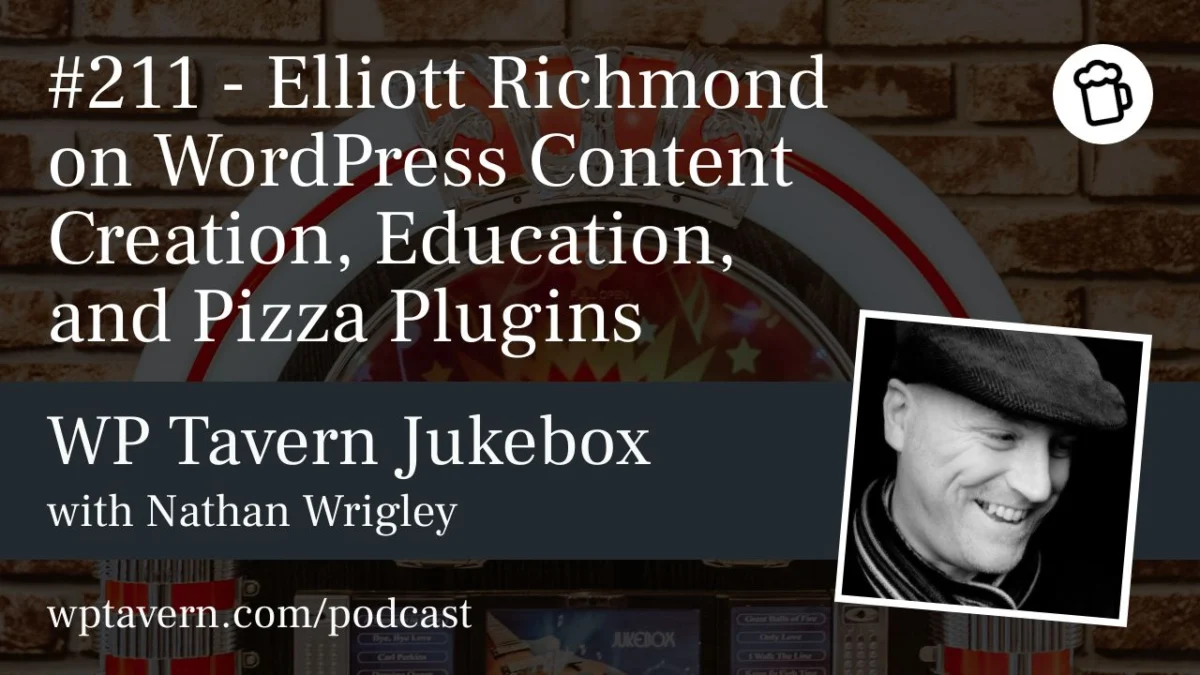
In the sprawling, interconnected ecosystem of WordPress, few individuals embody the spirit of the platform’s evolution as thoroughly as Elliott Richmond. A veteran developer with over two decades of experience, Richmond’s journey traces the very history of WordPress—from its origins as a fork of the b2 blogging tool to its current status as the world’s most versatile content management system.
However, it is not just his longevity that makes Richmond a compelling figure in the community. It is his ability to view WordPress not merely as a tool for building websites, but as a "glue" capable of powering everything from complex logistics for a local pizza business to educational video series that demystify modern web development. Recently, Richmond has entered a new chapter, partnering with Automattic to bring his unique brand of technical storytelling to a broader audience, signaling a shift in how WordPress approaches community-driven content.
The Roots of a WordPress Veteran
Richmond’s relationship with the web began in the early 1990s, a time when the internet was a wild frontier of static HTML and DIY experimentation. Long before the "block editor" era, Richmond was a self-taught developer cutting his teeth on various CMS platforms like Joomla and Drupal.
"I was developing for bands and creating music, just putting stuff out on the web," Richmond recalls. "When I transitioned to freelance work, I realized I needed a more robust system. I found b2, which eventually became WordPress."
His commitment to the community was cemented early on. In 2013, he garnered attention by organizing a collaborative WordPress advent calendar, a project that saw 30 developers contributing code snippets to demonstrate the creative potential of the platform. For Richmond, WordPress was never just a blogging engine; it was a database and a framework that could be manipulated to build portfolios, product catalogs, and custom applications.
The "Pizza Pilot": WordPress as a Business Engine
Perhaps the most unexpected turn in Richmond’s career occurred during the 2020 global lockdowns. As local businesses struggled to adapt, Richmond and his wife, Rachel, saw an opportunity to support their village community by launching a pizza delivery service.
What began as a temporary, neighborly effort to fill a gap in local services quickly ballooned into a thriving business. Today, the operation employs five staff members and utilizes a business model that Richmond has begun to license to others. Crucially, the entire operation is underpinned by WordPress.
The Technical Infrastructure
"I wouldn’t have been able to scale this without the WordPress stack," Richmond explains. By leveraging WooCommerce, Jetpack, and custom-built plugins, he created a bespoke ordering system that handles complex requirements:
- Time-based Slotting: Ensuring orders only come in when the kitchen can process them.
- Geographic Fencing: Restricting deliveries to a specific radius based on customer postcodes.
- Integrated Workflow: Streamlining communication between the kitchen and the customer through the WooCommerce app.
The success of the "Pizza Pilot" project serves as a perfect case study for the flexibility of WordPress. It transformed a local kitchen experiment into a replicable business model, proving that the CMS can handle real-world, high-stakes logistics just as easily as it manages content.
Bridging the Gap: The Automattic Partnership
In 2026, Richmond’s influence in the community caught the attention of Automattic. Through the advocacy of figures like Michelle Frechette and Stacey Carlson, Richmond was invited to produce content for the WordPress.com ecosystem.
This collaboration marks a significant moment for Automattic’s influencer marketing strategy. Rather than imposing rigid corporate guidelines, the company has granted Richmond "free rein" to create content that feels authentic to his own voice.
Why This Matters for WordPress Education
The content landscape for WordPress has historically been fragmented, often trapped in developer-centric GitHub queues or deep-dive Slack channels. Richmond’s work aims to change this by simplifying complex technical concepts for the average user.
"My goal is to simplify," Richmond says. "Whether it’s templating, patterns, or the more abstract concepts introduced by AI, I want to use graphics and analogies to make these topics accessible."
His approach is built on a feedback loop. By utilizing YouTube as a platform, Richmond doesn’t just broadcast; he invites debate, critique, and questions. This dynamic allows the WordPress community to weigh in on new features in real-time, providing the core development team with invaluable user insights.
The Anatomy of a Modern Content Creator
For those aspiring to follow in his footsteps, Richmond maintains that the barrier to entry is lower than many believe. His "studio" setup is a testament to the idea that ingenuity beats expensive hardware.
The Low-Tech, High-Impact Toolkit
- Lighting: Richmond famously uses a DIY setup involving a cat-food box, a small LED light, and tissue paper to achieve professional-grade diffusion.
- Hardware: A standard iPhone is his primary camera, proving that content quality is driven by the creator’s vision rather than the price tag of their gear.
- Software Stack: Richmond relies on DaVinci Resolve for editing and motion graphics. Despite its complexity, he emphasizes that the free version is more than capable of producing high-end results.
- The Scripting Discipline: Perhaps the most vital tool is his process of "loosely scripting" ideas. He uses voice-to-text to capture his raw thoughts, then polishes them through a process of explaining concepts to his wife, Rachel, until they are refined enough for a general audience.
Implications for the WordPress Ecosystem
The partnership between Automattic and independent creators like Richmond suggests a maturation in how the company views its relationship with the community. By investing in established, trusted voices, Automattic is effectively crowdsourcing the "official" voice of the platform.
A New Era of Transparency
This shift toward influencer-led education has several key implications:
- Rapid Documentation: As WordPress 7 and other major updates approach, official documentation can often lag behind. Creators like Richmond act as an agile layer of support, providing immediate, visual tutorials for new features.
- Community-Centric Development: By fostering a direct line between the developer (the creator) and the user (the audience), Automattic can better identify pain points before they become systemic issues.
- Humanizing the Brand: By highlighting the personal stories—like the pizza business or the musical background of its developers—WordPress becomes more than just a software platform; it becomes a community of people solving real-world problems.
Looking Ahead: The Future of WordPress Content
As we move through 2026, the demand for video-based education is only accelerating. Search engines are increasingly prioritizing video content over traditional text-based articles for "how-to" queries. Richmond’s work sits at the intersection of this search trend and the community’s need for high-quality, reliable information.
Richmond remains optimistic about the future of the platform. He views the integration of AI as the next great frontier, one that he is eager to document and simplify for his viewers. "It’s about curiosity," he reflects. "Whether it’s finding a new lick on a guitar fretboard or discovering how to debug code with Xdebug, the joy comes from the process of learning."
For a man who has seen WordPress grow from a niche blogging script to the engine powering a significant portion of the web, Richmond’s role as an educator and creator is perhaps his most impactful yet. By keeping his kit simple, his scripts focused, and his community feedback loop wide open, he is ensuring that the next generation of WordPress users has a roadmap to navigate the complexities of the modern web.
Ultimately, Elliott Richmond’s story is a reminder that WordPress is not just software—it is an ecosystem that thrives on the creative, often unexpected, ventures of the people who build it. Whether through a perfectly baked pizza or a perfectly executed video tutorial, the goal remains the same: to turn technical potential into tangible, community-driven value.