Main Facts: The Proactive Shift in the Global Speaker Circuit
In the increasingly competitive landscape of professional conferences and industry summits, the path to the podium has undergone a fundamental transformation. For years, the speaking circuit operated largely on an "invitation-only" basis, where established thought leaders were headhunted by event organizers to fill prestigious slots. However, a new paradigm has emerged. Today, the democratization of speaking opportunities has turned "pitching" into an essential skill for professionals looking to build their personal brands and influence industry discourse.
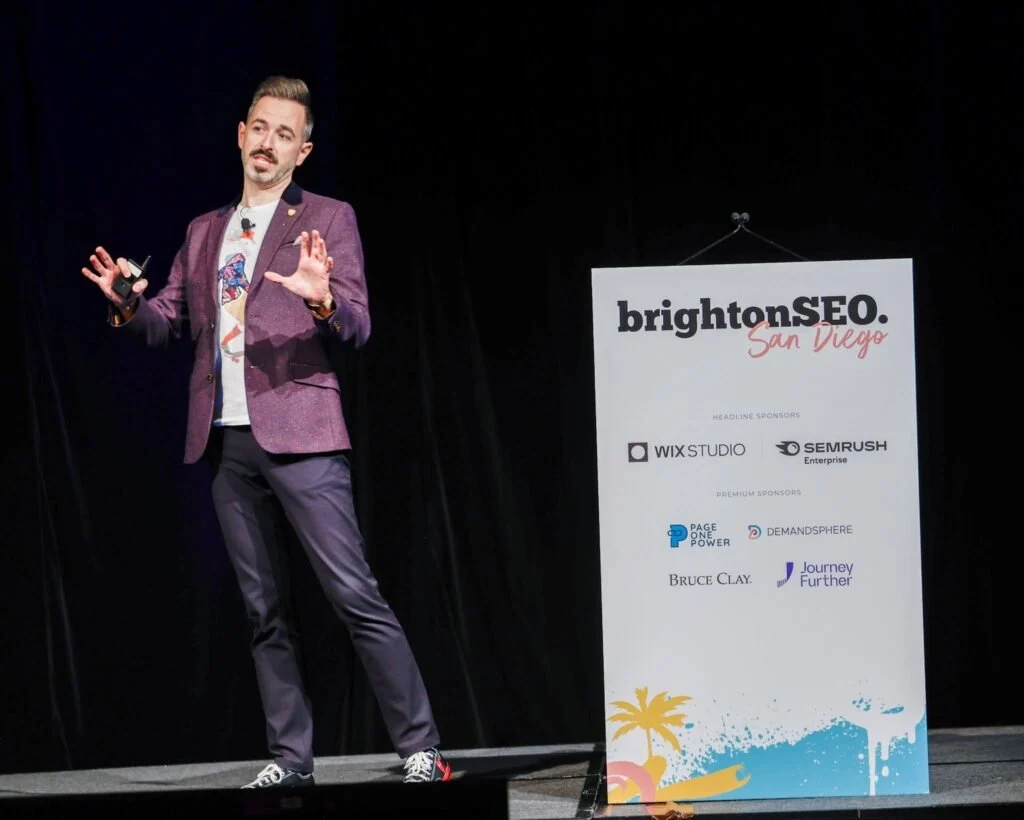
Whether an individual is a first-time speaker or a seasoned veteran, the ability to proactively pitch a session is now recognized as the primary mechanism for solidifying one’s position in the speaker circuit. Event organizers, ranging from niche tech meetups to global behemoths like BrightonSEO and Hero Conf, are increasingly opening their agendas to public submissions. This shift is driven by a dual necessity: speakers need a platform to showcase their expertise, while organizers require a constant influx of fresh voices and "on-the-ground" perspectives that may not yet be on their radar.
Industry data suggests that the "content-first" approach is winning out over "credentials-only" hiring. Organizers are moving away from selecting speakers based solely on high-level job titles or corporate prestige. Instead, they are prioritizing the strength, relevance, and actionable nature of the proposed talk. This evolution ensures that event agendas remain dynamic and reflective of the rapidly changing technological and strategic landscape, particularly in fast-moving sectors like Search Engine Optimization (SEO) and Pay-Per-Click (PPC) marketing.
Chronology: The Lifecycle of a Successful Speaking Submission
The process of securing a speaking slot is rarely a spontaneous act; it is a calculated, multi-stage lifecycle that begins months before an event takes place. Understanding the timeline of a successful pitch is critical for professionals who wish to avoid the common pitfalls of last-minute submissions.
Phase 1: Immersion and Market Research
Before a single word of a pitch is written, successful speakers engage in deep immersion. This involves attending events as an audience member to decode the "DNA" of the conference. By observing which talks resonate—and which fall flat—prospective speakers gain first-hand intelligence on audience expectations. This research phase also includes the creation of a "Pitching Calendar." Most major events announce their call-for-speakers (CFS) six to nine months in advance. Tracking these deadlines ensures that speakers can align their availability and avoid scheduling conflicts.

Phase 2: Specialization and Asset Development
Once the target events are identified, the focus shifts to internal auditing. Speakers must define their "specialism"—the intersection of what they are passionate about and what they are uniquely qualified to discuss. This phase involves the creation of a professional "Speaker Bio," which acts as a summary of their expertise. This document is not merely a CV; it is a trust signal designed to convince organizers that the individual can deliver on their promises. Concurrently, the development of professional assets, such as high-quality headshots and a portfolio of past appearances, takes place during this window.
Phase 3: The Drafting and Submission Window
This is the active "pitching" phase. It involves the meticulous crafting of a session title and a 100-word description. Journalistic standards in this phase emphasize clarity over cleverness. A title must inform the organizer of the talk’s core value proposition within seconds. The description must then outline the specific problem being addressed, the methodology of the solution, and the "takeaway" value for the attendee.
Phase 4: The Post-Submission Waiting Period and Outcome
After submission, the process enters a period of administrative review. Organizers typically utilize committees to grade pitches based on relevance and diversity of thought. During this time, professional etiquette dictates a "no-chase" policy unless otherwise specified. The chronology ends with either an acceptance—triggering the deck-building and rehearsal phase—or a rejection, which serves as a data point for refining future pitches.
Supporting Data: The Anatomy of a High-Conversion Pitch
What differentiates a successful pitch from one that is discarded? Analysis of successful submissions to major marketing conferences reveals several key performance indicators (KPIs) that event organizers use to evaluate potential speakers.
1. The "Actionability" Metric
Organizers report that the most successful sessions are those that provide "actionable insights." In a survey of event attendees, a majority indicated that they attend conferences specifically to learn strategies they can implement in their jobs the following Monday. Therefore, pitches that promise "5 steps to X" or "A framework for Y" often see higher acceptance rates than purely theoretical or philosophical abstracts.

2. The Power of Unique Perspectives
In the current climate, "best practice" talks are becoming a commodity. To stand out, speakers are encouraged to offer "contrarian" or "niche" viewpoints. Data from recent event agendas shows a high interest in:
- Case Studies: Real-world data that proves or disproves a common industry theory.
- Emerging Platforms: Early-adopter insights into new technologies (e.g., non-AI content strategies or emerging PPC platforms).
- Problem-Solving: Addressing a specific, painful challenge that the majority of the audience faces.
3. Structural Clarity: Title and Description
The "Title" is the most important piece of real estate in a pitch. Organizers suggest that if a title requires a subtitle to be understood, it is likely too vague. For the "Description," the sweet spot is typically between 80 and 100 words. This length is sufficient to establish the "What," "Why," and "How" of the talk without overwhelming the reviewer.
Official Responses: Insights from Event Organizers
Leading event organizers, such as those behind the BrightonSEO and Hero Conf series, have provided clear guidelines on the criteria they use to filter hundreds, sometimes thousands, of applications. Their official stance emphasizes that the "speaker-organizer" relationship is a partnership based on mutual value.
On Content vs. Credentials:
Organizers have gone on record stating that while a "big name" can help sell tickets, the longevity and reputation of an event depend on the quality of the sessions. "We are often on the lookout for fresh voices," says one organizer briefing. "A brilliant talk from a first-time speaker from a small agency is often more valuable to our audience than a recycled keynote from a Fortune 500 executive."
On the Reason for Rejections:
Official feedback from event committees highlights that rejection is rarely a reflection of a speaker’s talent. Instead, it is often a matter of "agenda balance." Common reasons for non-acceptance include:

- Topic Overlap: Too many submissions on the same subject (e.g., "The Future of AI").
- Relevance: The pitch did not align with the specific theme or technical level of the event.
- Sales Pitching: A "thinly veiled" attempt to sell a product or service from the stage is the most frequent cause for immediate disqualification.
On Professionalism:
Organizers stress the importance of following submission guidelines to the letter. This includes adhering to word counts and providing the requested assets (bios and headshots) in the correct format. Failure to follow these administrative requirements is often viewed as an indicator of how the speaker might behave during the event’s preparation phase.
Implications: The Long-term Impact on Professional Development
The move toward a pitch-based speaker economy has significant implications for the future of professional development and industry growth.
The Rise of the "Expert-Citizen"
As more professionals master the art of the pitch, the industry benefits from a more diverse range of perspectives. The "expert-citizen"—the practitioner who works in the trenches every day—now has a viable path to influence that was previously reserved for consultants and full-time speakers. This leads to a more robust, "reality-based" knowledge base within the industry.
Personal Branding as Currency
For the individual, the ability to pitch and secure speaking slots has become a form of professional currency. It validates their expertise, expands their network, and often leads to career advancement or new business opportunities. Even an unsuccessful pitch has value; it puts the speaker on the organizer’s radar for future opportunities, such as panel discussions or smaller regional events.
The Future of Event Curation
For event organizers, the reliance on pitches necessitates more sophisticated curation processes. We are likely to see an increase in "blind grading" (where names and companies are removed during the initial review) to further ensure that content quality remains the primary driver of selection.

In conclusion, pitching is no longer a peripheral activity for the ambitious professional; it is a core competency. By treating the pitch as a strategic product—researched, targeted, and refined—speakers can unlock the doors to the world’s most influential stages. The message from organizers is clear: don’t wait for the invitation. The stage is open to those who have something valuable to say and the strategic discipline to say it clearly.